
Minca, Colombia: The Honest Guide to the Mountain Village Near Santa Marta
Minca is the mountain village 45 minutes from Santa Marta where the heat breaks, the waterfalls are real, and most visitors end up staying longer than planned.
IDIOMA DEL ARTÍCULO
Showing original language
Most people drive past the turnoff without thinking much of it. You're in a colectivo from Santa Marta's market, headed toward Tayrona or the coast, and someone mentions Minca — that coffee village up in the mountains. You nod. You keep going. A week later you're back in Medellín wondering why you didn't stop.
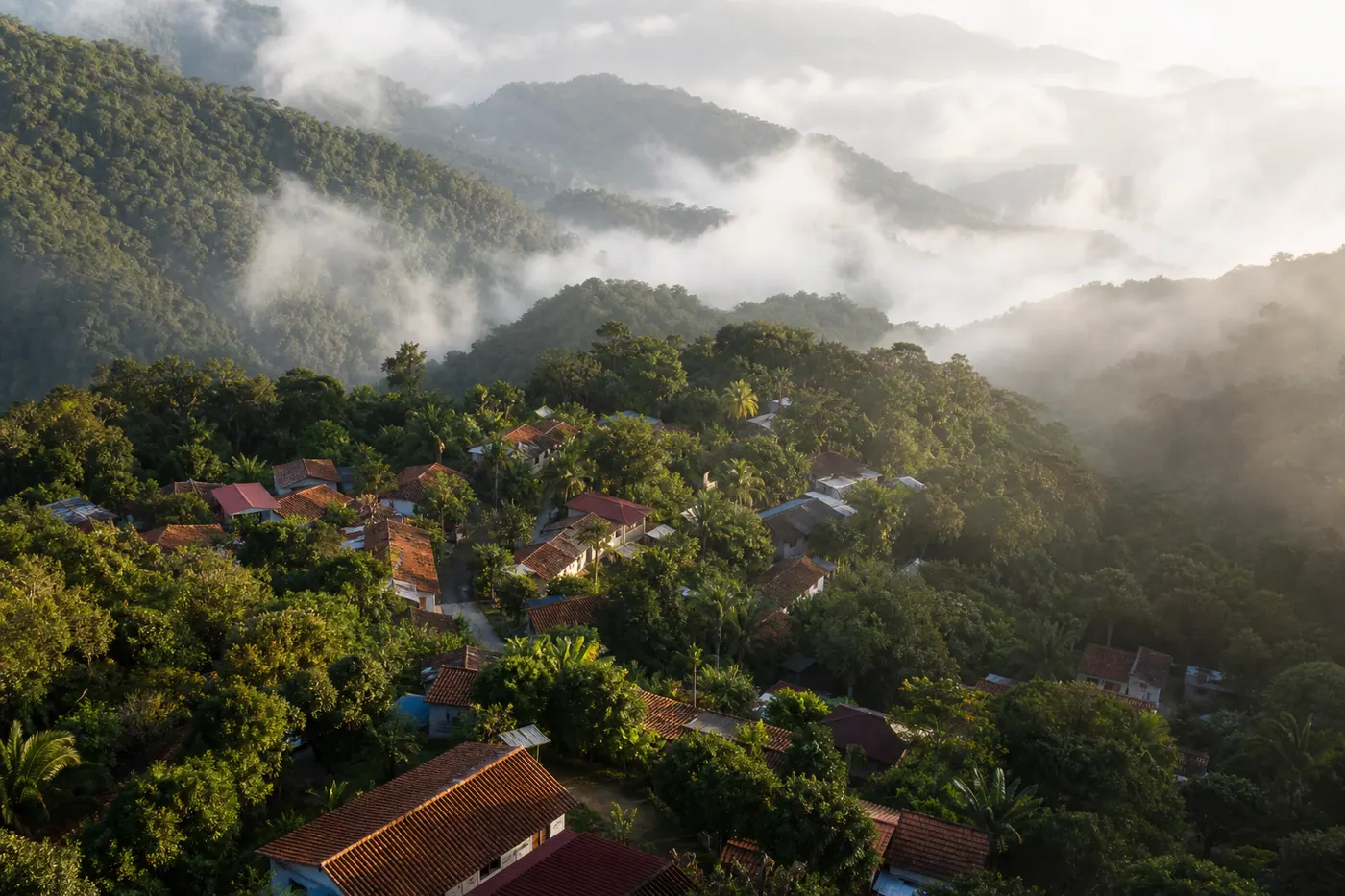
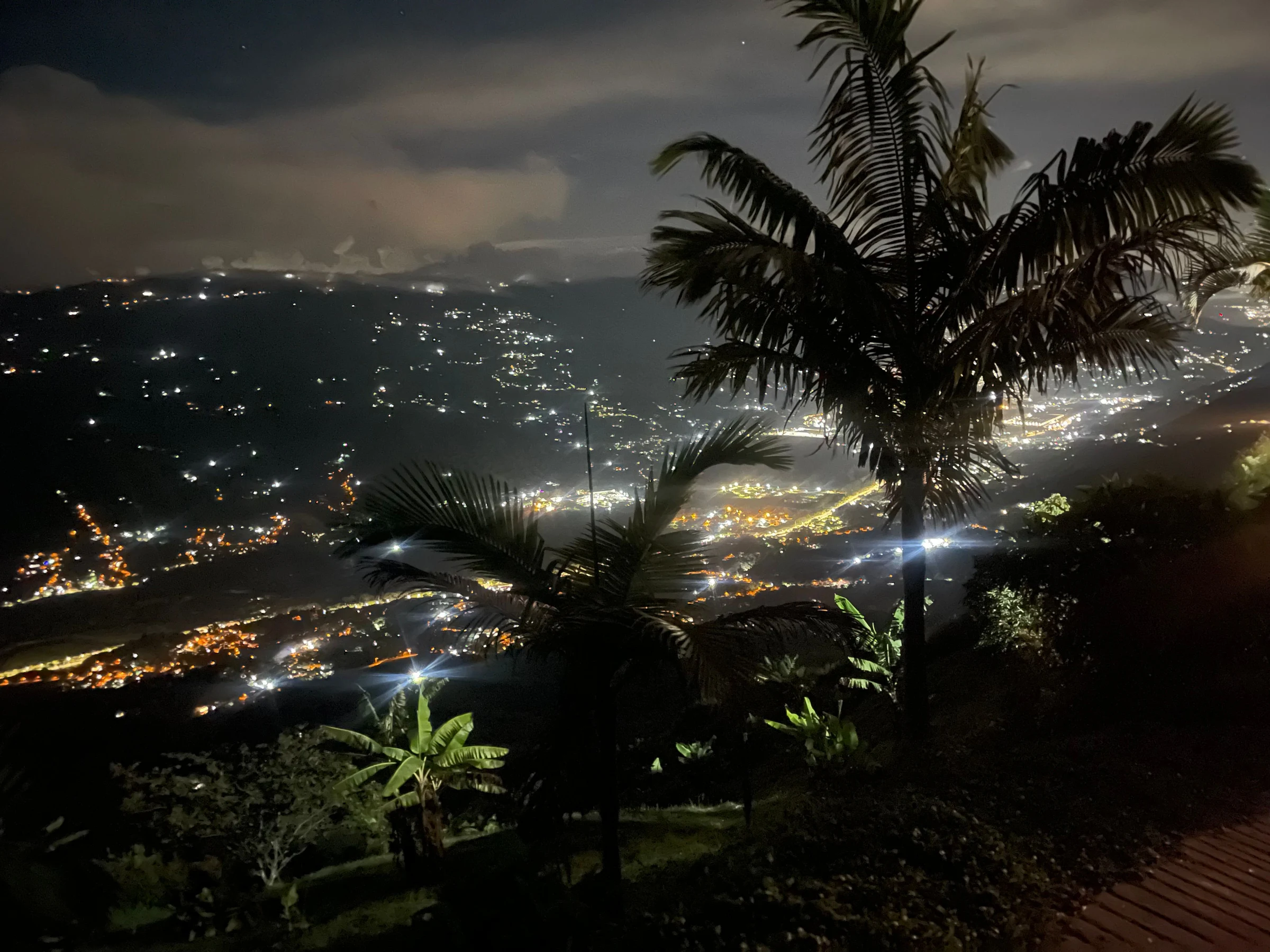
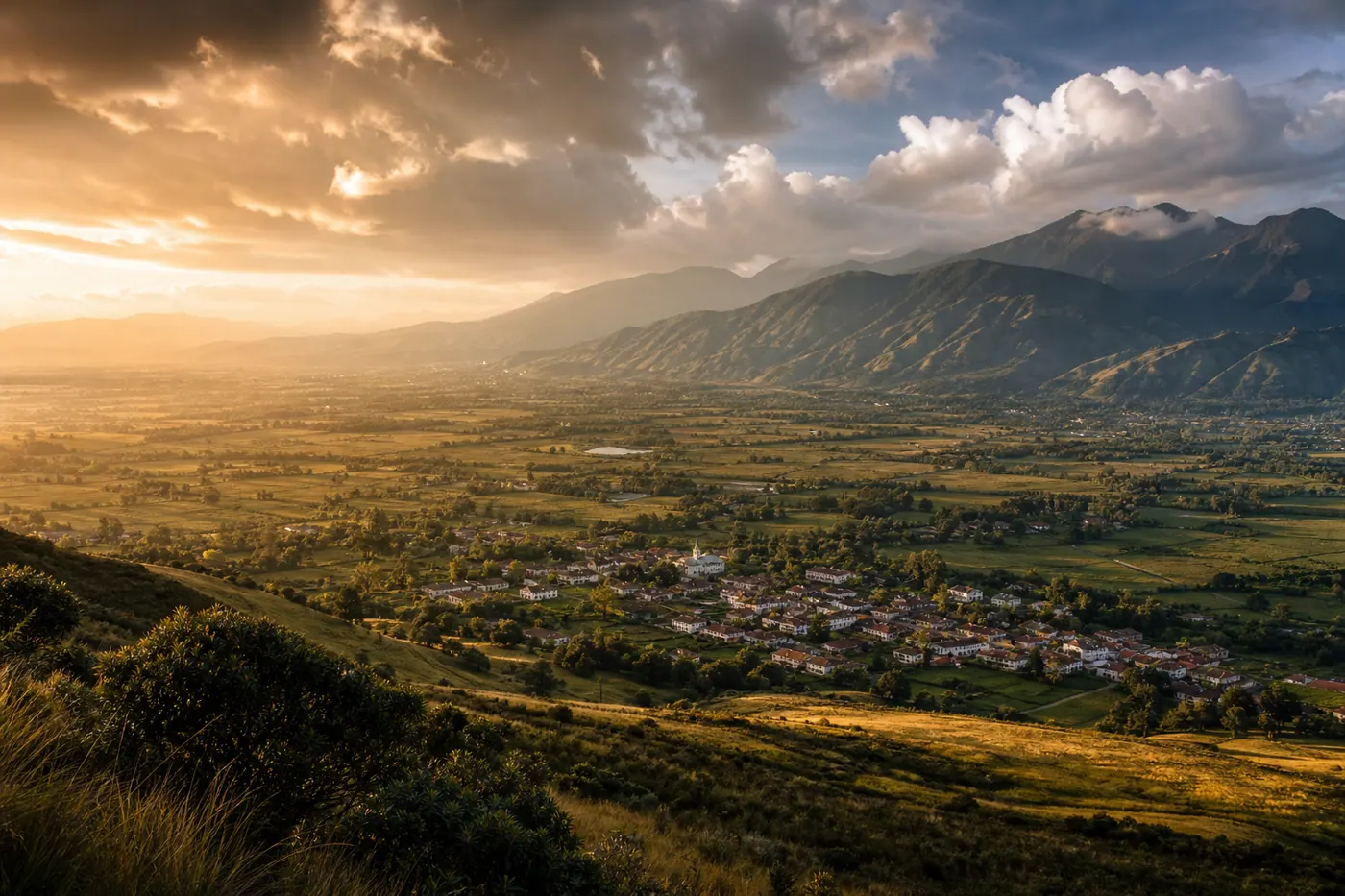
Minca sits in the foothills of the Sierra Nevada de Santa Marta, about 45 minutes and 600 meters of elevation above the city. From sea level, the road winds up through progressively greener jungle until the heat stops and the mist starts. The village itself is small — a handful of restaurants, a few tiendas, chickens on the road — but it's surrounded by waterfalls, coffee farms, and some of the best birdwatching in South America.
Most visitors plan a day trip and extend it to two nights. A few end up staying for weeks. The combination of cool mountain air, cheap cabañas, and a genuinely slow pace does that to people. Here's what you actually need to know.
What to Know Before You Go
- Getting there: Shared colectivo from Santa Marta's Mercado Público — ~45 min, 8,000–12,000 COP per person
- Best time: January–March (dry season); avoid October–November (wettest months)
- Waterfalls: Pozo Azul (easy, family-friendly) and Marinka (1.5–2 hr hike, more dramatic)
- Coffee tours: La Victoria farm — the most consistent option, 20,000–30,000 COP
- Internet: Weak to nonexistent — this is not a remote-work base
- Day trip or overnight? Overnight changes the experience significantly
Getting to Minca from Santa Marta
Shared colectivos — small vans or Jeeps — leave from near Santa Marta's Mercado Público in El Centro throughout the morning and afternoon. The fare is 8,000–12,000 COP per person and the ride takes about 45 minutes, winding up a narrow mountain road. Vans leave when full, which usually means every 30–45 minutes on busier days. The last return from Minca to Santa Marta is typically around 5–6 PM — confirm locally before you go.
A private taxi from Santa Marta runs 60,000–80,000 COP one way, which makes sense for a group of four or if you have heavy luggage. The trade-off is flexibility — you can leave when you want rather than waiting for the colectivo to fill.
There's no direct route from Cartagena, Bogotá, or Medellín. Every route goes through Santa Marta first. If you're flying in specifically for Minca, Santa Marta's Simón Bolívar airport (SMR) is the closest point.
What Minca Is Actually Like
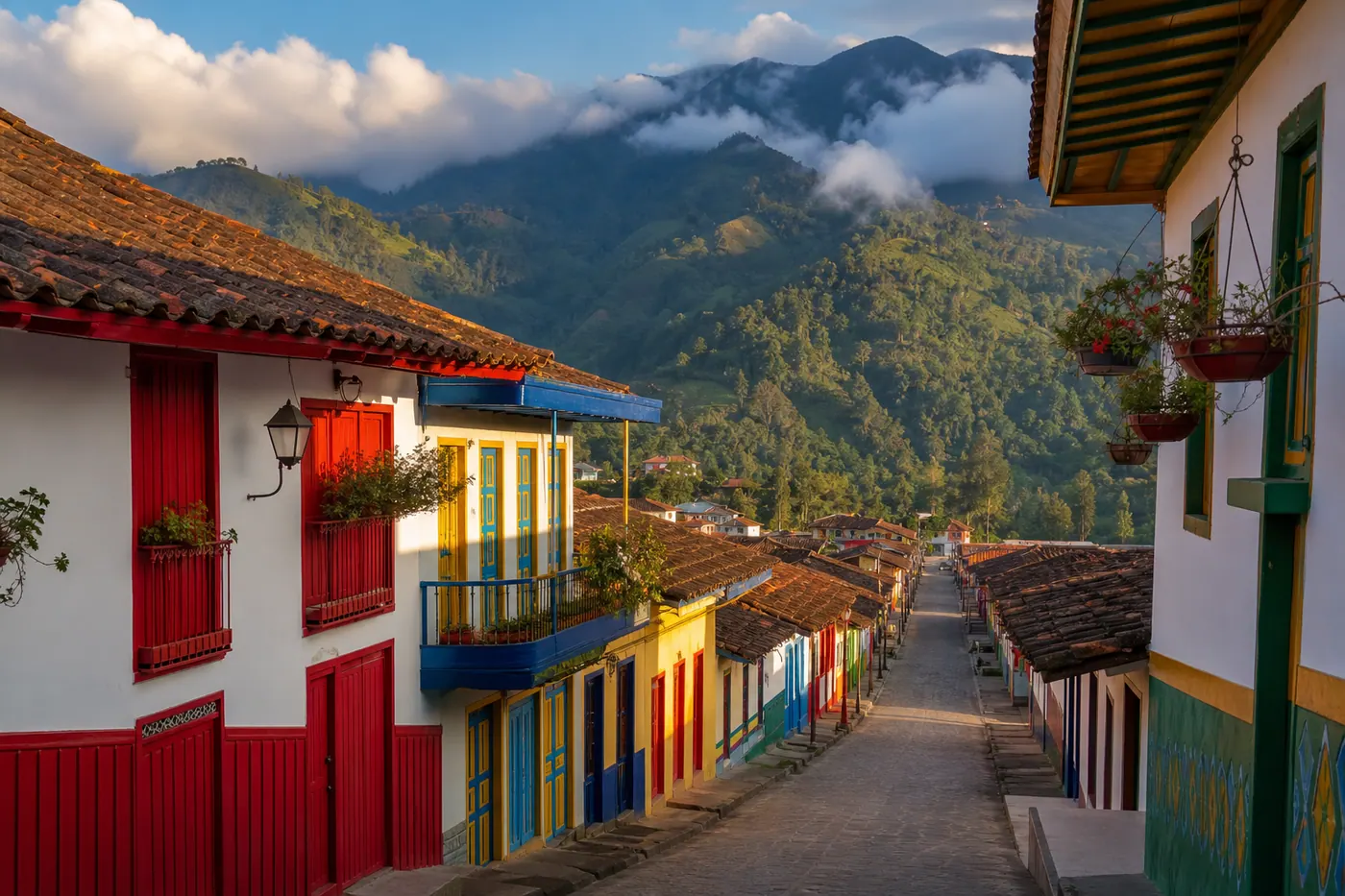
The "village" is essentially one main street — a church, a small plaza, a handful of open-air restaurants, and a couple of tiendas. From there, narrow paths climb into the hills toward waterfalls and coffee farms, or drop to the river Minca running below. The sound of that river is constant, wherever you are.
Cell signal is weak and WiFi at most accommodations ranges from limited to nonexistent. Minca is not a digital nomad destination — it's a place to actually disconnect. A lot of people find this unexpectedly pleasant. If consistent internet is a hard requirement, stay in Santa Marta and day-trip; the infrastructure won't change your mind once you arrive.
The elevation — around 660 meters — means temperatures run 24–28°C during the day instead of the 32–38°C coastal heat you came from. After a week on the Caribbean coast, even that modest difference feels substantial. Evenings get genuinely cool. Bring a layer.
The Waterfalls: Which One Is Worth It
There are two main waterfalls accessible from the village, and they're genuinely different experiences.
Pozo Azul
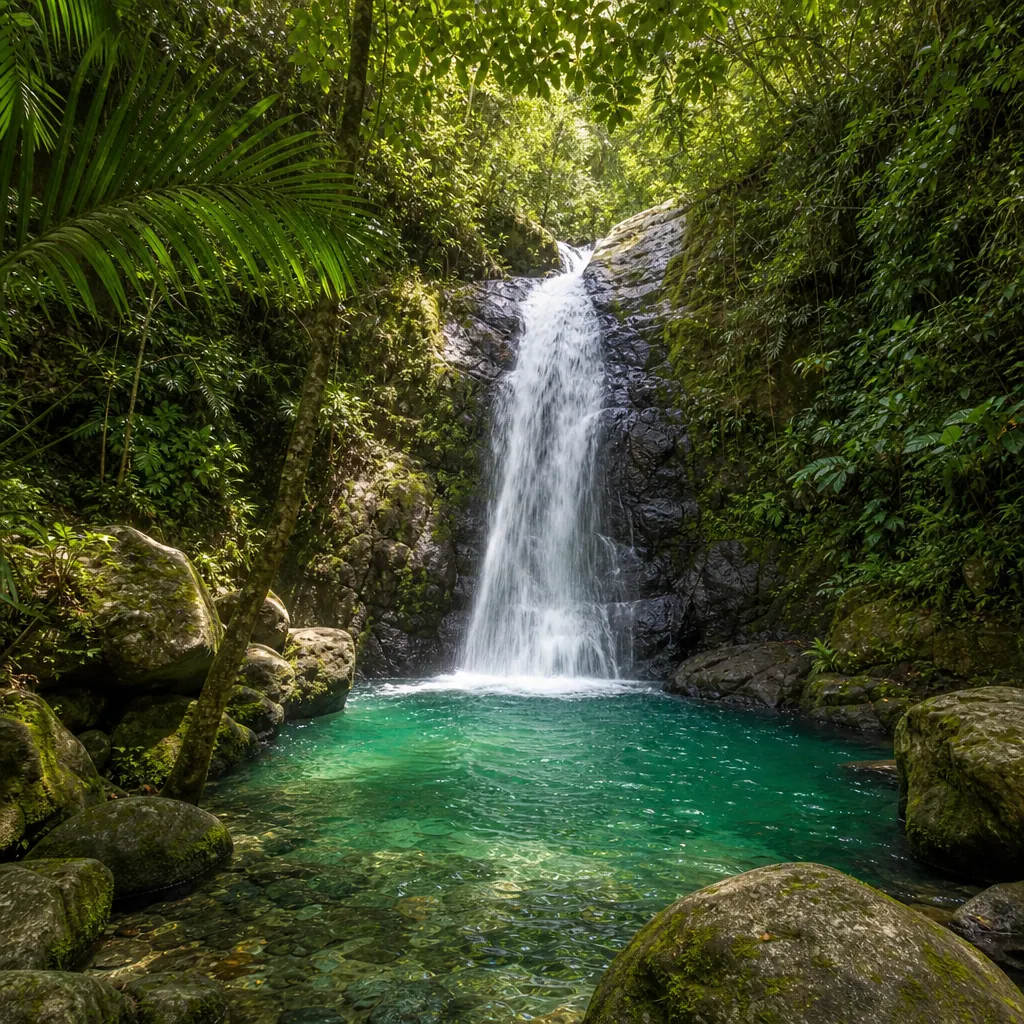
Pozo Azul is the easy option — about 20–25 minutes from the village on foot, or 5 minutes by mototaxi. Entry costs around 5,000–8,000 COP, and you get a series of natural swimming pools fed by the river. It's family-friendly, not strenuous, and gets crowded on weekends when Colombians come up from the coast for the day. The water is clear and cold. Worth doing, but plan for 1.5–2 hours maximum.
Marinka
Marinka is the one I'd prioritize. The hike is 1.5–2 hours each way through proper rainforest — you'll cross the river several times, pass coffee plants, and work up enough of a sweat to make the final waterfall genuinely satisfying. The fall itself drops about 20 meters into a swimming pool. Entry runs 8,000–10,000 COP. Start before 9 AM if you want the trail mostly to yourself.
Trail runners are fine but proper hiking shoes are more comfortable, especially after rain when the crossings get slippery. Don't bring valuables — lockers at the trailhead are minimal. The trail is well-marked enough that you don't need a guide, but hiring a local one (30,000–50,000 COP) adds context about the forest and birds.
Coffee Farms Around Minca
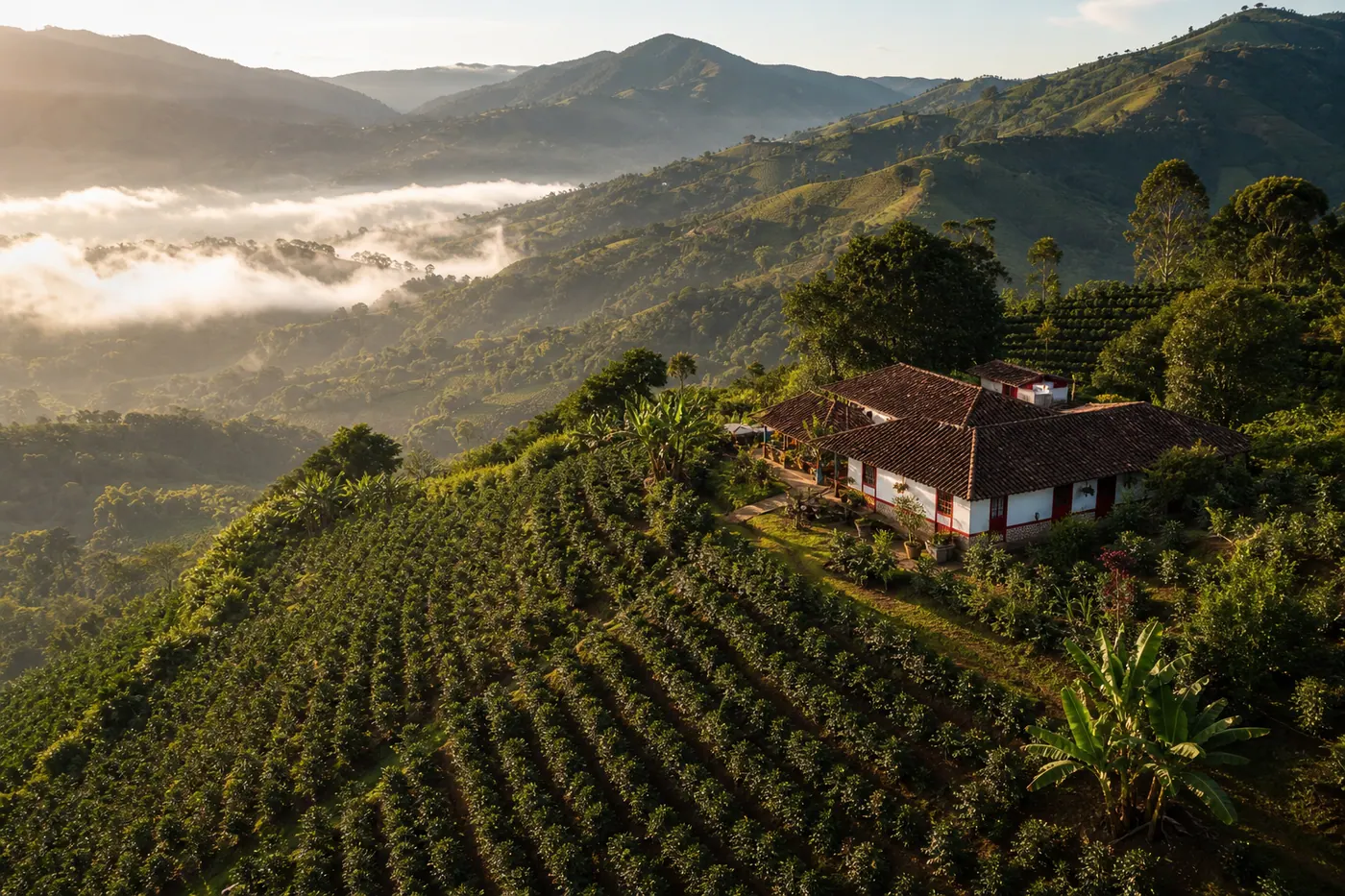
The Sierra Nevada foothills produce good coffee, and several farms above Minca offer tours. The most consistently recommended is La Victoria — a working farm with guided walks through processing stages: cherry-picking, washing, drying, sorting. It ends with a cup of what they just showed you. Tours cost 20,000–30,000 COP per person and take 1.5–2 hours.
Getting to La Victoria requires a mototaxi up a steep dirt road (4,000–6,000 COP one way). The views during that ride are a legitimate reason to go even without the tour. A few other farms — El Paraíso, Finca La Tormenta — have started running tours with varying frequency. Ask at your accommodation for current recommendations; operations shift with the seasons.
The only annoying thing: La Victoria's tour schedule isn't always predictable. Showing up without a reservation in low season sometimes means a wait or a closed gate. Messaging ahead via WhatsApp, which your accommodation host can usually help with, is worth the five minutes.
Birdwatching in Minca
This is consistently underrated and one of Minca's strongest draws. The Sierra Nevada de Santa Marta is classified as an Important Bird Area with a high concentration of endemic species — birds found nowhere else on earth. The Santa Marta Parakeet, the Vermilion Cardinal, and at least a dozen species of tanager are visible just walking the trails at dawn.
You don't need to be a serious birder to appreciate this. The sound alone at first light is remarkable. For committed birders, hiring a local guide dramatically improves your count — expect to pay 150,000–250,000 COP for a half-day guided walk. The guides here know what they're doing, and several are internationally recognized for their knowledge of the Sierra Nevada's avifauna.
Best window: first light to about 9 AM, before heat and human activity quiet the forest down. The path toward Marinka and the higher trails above town are the most productive spots.
Where to Stay in Minca
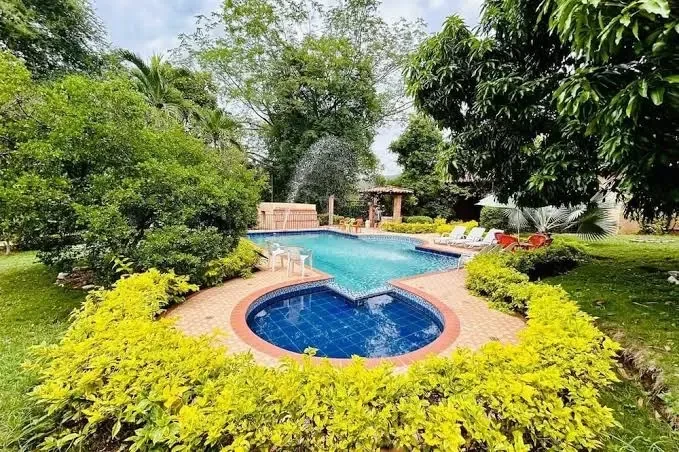
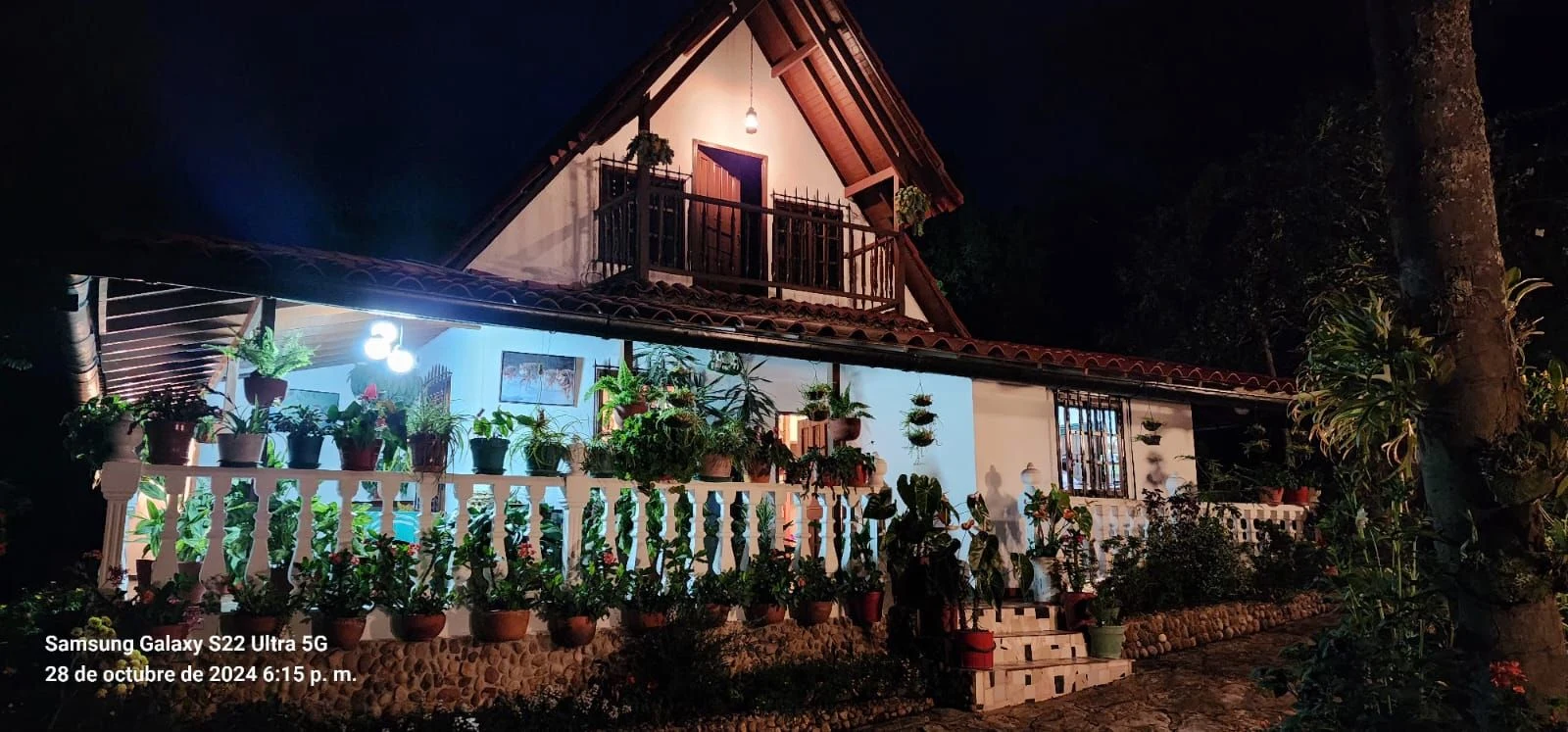
Accommodation runs from hammock hostels to mid-range eco-lodges — all cheaper than their coastal equivalents. The higher up the mountain you go, the better the views and the quieter the surroundings, but you'll pay mototaxi costs to get back to the village for dinner.
- Hammock hostels: 25,000–40,000 COP/night. Communal, often with views. Pack earplugs — the social overlap between backpacker crowds can last late.
- Private rooms in guesthouses: 80,000–150,000 COP for a double, often with a terrace. The sweet spot for most visitors.
- Eco-cabins above town: 180,000–350,000 COP. Places like Casa Elemento — hammocks strung above the clouds with Sierra Nevada views — are genuinely spectacular for what they cost.
Most places require WhatsApp booking, sometimes through a middleman at the village square. Have a backup option. During Colombian holiday weekends (Semana Santa, mid-year puentes), the village fills up and prices nudge higher. Book in advance during those windows.
Where to Eat and What It Costs
The food scene is simple. Open-air restaurants around the village square serve rice-and-chicken plates, fresh juices (mora and lulo are excellent at altitude), and coffee. Lunch plates run 15,000–25,000 COP. A few spots have expanded toward burgers, arepas with eggs, and pasta for the traveler crowd.
Dinner options thin out after 8 PM. If you're staying further up the mountain, stock up on snacks during the day or eat early. Coffee is predictably good — get it at the farms if you can, or wherever you're staying. Budget 30,000–50,000 COP per day for food at typical spots.
📖 Keep Reading
Living in Santa Marta, Colombia: The Honest Expat Guide — neighborhoods, cost of living, internet reality, and whether it makes sense as a base.
Day Trip vs. Overnight — What Actually Makes Sense
A day trip is doable. Take the morning colectivo, do Pozo Azul or the Marinka hike, have lunch in the village, and head back by late afternoon. You'll see Minca. But you won't quite get it.
Overnight changes everything. You catch the cooler evenings, the birdsong at first light before anyone else is stirring, and the rhythm of the place without a colectivo deadline hanging over you. One night minimum, two nights comfortable.
Extended stays — a week or more — happen organically for a certain type of traveler. Minca is cheap, quiet, and genuinely effective for decompressing. The lack of reliable internet is the decisive variable. If you need to work, Santa Marta is your base and Minca is your weekend. If you can afford to be offline, the calculus flips.
Minca vs. Tayrona — Which Day Trip to Pick
| Minca | Tayrona | |
|---|---|---|
| Travel time from Santa Marta | ~45 min | ~45 min + 2.5 hr hike |
| Main draw | Waterfalls, coffee, birds, cool air | Beach, jungle, Caribbean water |
| Entry cost | 5,000–10,000 COP per waterfall | 22,000–55,000 COP |
| Internet | None | None |
| Best for | Nature, birding, coffee culture, escape from heat | Beach, snorkeling, jungle camping |
| Skip if... | You need to work; beach is the priority | You visit Oct–Nov (park closed) |
📖 Keep Reading
Tayrona National Park: The Honest Visitor's Guide — entry fees, which beaches to actually swim at, and how to avoid the classic mistakes.
Practical Tips Before You Go
- Bring cash — there are no ATMs in Minca. Withdraw in Santa Marta before you leave.
- Pack a light layer for evenings and a rain jacket regardless of season.
- Wear hiking footwear or trail runners for the waterfall trails, not sandals.
- Download offline maps (Maps.me or Google Maps offline) — you'll use them.
- Travel insurance that covers adventure activities is worth having. SafetyWing covers hiking and is popular with long-term travelers in Colombia.
- The last colectivo back is around 5–6 PM. If you miss it, a private taxi is your only option and costs significantly more.
Travel insurance note: SafetyWing is a popular option for Colombia — it covers hiking, medical, and emergency evacuation and works well for both short visits and longer stays. Not required, but worth having before you're on a jungle trail.
Frequently Asked Questions
❓ How do I get from Santa Marta to Minca?
Take a shared colectivo from Santa Marta's Mercado Público area. The ride costs 8,000–12,000 COP and takes about 45 minutes. Vans leave throughout the morning and afternoon when full, and the last return from Minca is typically around 5–6 PM — confirm locally. Private taxis cost 60,000–80,000 COP one way.
❓ Is Minca safe for solo travelers?
Yes, including solo women. The village is small and relaxed, and the trails are well-trafficked enough during daylight hours that you're rarely alone. Standard Colombia precautions apply: don't hike with valuables, avoid trails after dark, and let your accommodation know your plans. The Marinka trail has manned entry points and families regularly do it.
❓ Is there WiFi or mobile signal in Minca?
Signal is weak to nonexistent in most of the village and completely absent on the hiking trails. Some accommodations have WiFi adequate for messaging, but don't rely on it for video calls or remote work. This is part of the appeal for a lot of visitors — treat it as an enforced break from the screen, not a problem to solve.
❓ What's the best time of year to visit?
January through March is the driest period — trails are easiest and waterfalls most accessible. June and July are also relatively dry. October and November are the wettest months; trails get muddy and waterfall hikes can be slippery. You can visit year-round, but pack accordingly: light rain gear is useful even in dry season given the elevation.
❓ Can I do both Tayrona and Minca in the same day?
Technically yes, but you'd shortchange both. Tayrona alone requires a 2.5-hour round-trip hike to reach the swimmable beaches, plus time in the water. Minca deserves a minimum of 4–5 hours to do even one waterfall properly. Better to split across two separate days — Tayrona is 45 minutes one direction from Santa Marta, Minca is 45 minutes in another.
Questions about visiting the Caribbean coast?
The community at colombiamove.com/comunidad has people who've done Minca, Tayrona, and the full Santa Marta circuit. Good place to ask about current trail conditions, accommodation recommendations, or what's changed.
Comments
Loading comments...
Checking sign-in status...