
Coffee Farm Tours in Colombia: What to Expect, Where to Go, and Whether It's Worth It
Colombia grows world-class coffee on 560,000 farms — but most tours barely scratch the surface. Here's how to find the farms worth visiting and what to expect when you do.
IDIOMA DEL ARTÍCULO
Showing original language
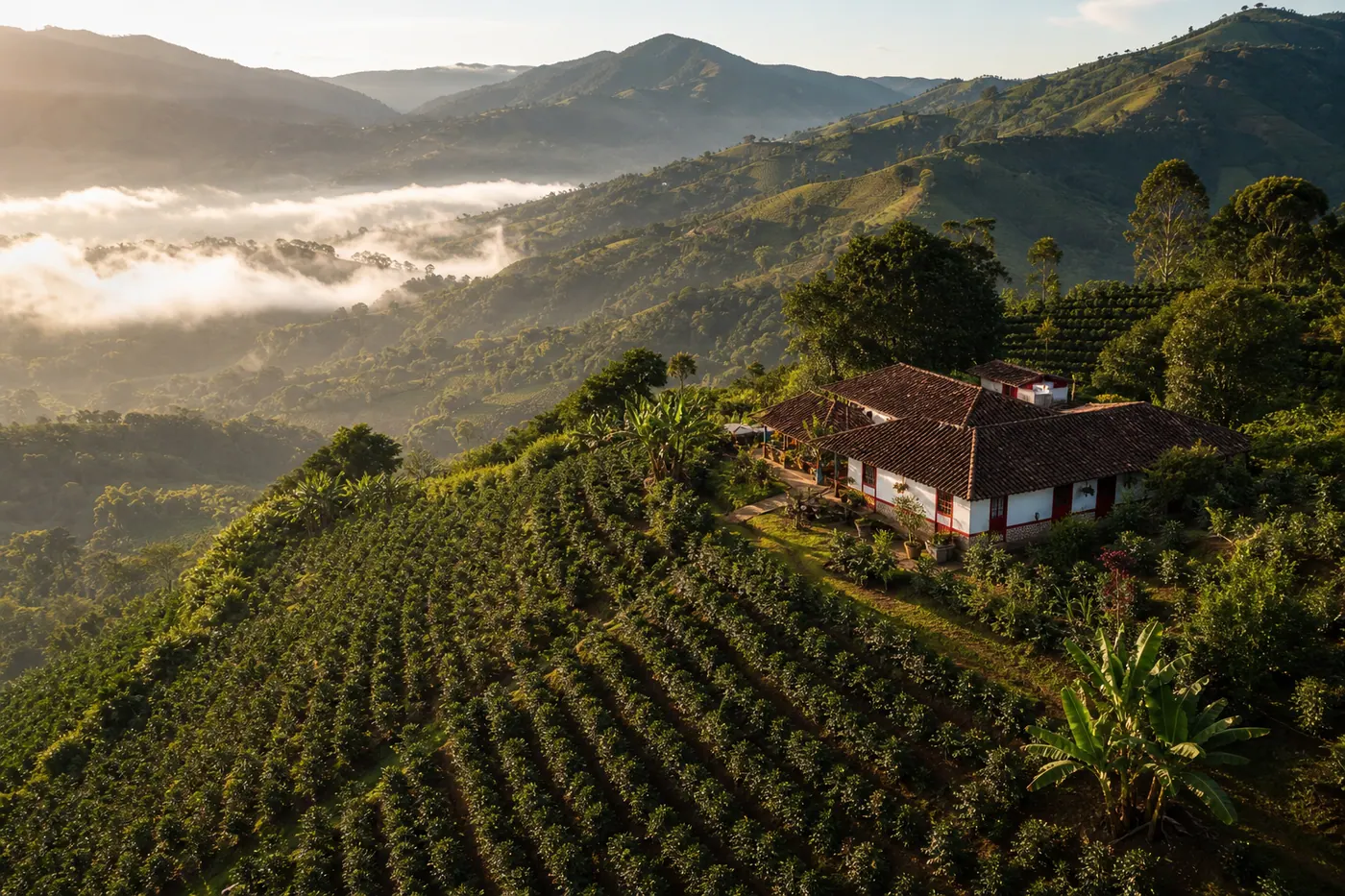
Most people who visit Colombia's coffee region see a lot of pretty hillsides and drink a cup of something decent at the end. They walk through a farm in 45 minutes, watch a brief demonstration, and head back to Salento for lunch. That's not a bad day. But it's nowhere near what a good coffee farm tour can actually be.
I spent three days in the Eje Cafetero last year doing nothing but visiting farms — from the slick eco-lodge operations near Filandia to a family plot up above Jericó that had no website, no booking system, and genuinely some of the best coffee I've tasted anywhere. The difference between those experiences was enormous, and most of it came down to knowing what to look for before you showed up.
Colombia grows about 750,000 metric tons of coffee a year across more than 560,000 farms. The bulk of what gets exported is unremarkable commercial-grade stuff. But the specialty end — the farms growing bourbon, gesha, castillo, and natural-processed lots at altitude — is genuinely world-class. The farms worth visiting are doing that, and they're usually more than happy to show you exactly why.
☕ What to Know First
- Coffee farm tours run COP 30,000–120,000 per person (~$7–$28 USD) depending on depth
- Best base cities: Salento (Eje Cafetero), Jericó (Antioquia), San Agustín (Huila)
- A good tour takes 2–3 hours and covers the full cherry-to-cup process
- Many farms offer overnight stays — budget COP 100,000–250,000/night including meals
- Skip the tour-company booths on Calle Real; ask your hostel for direct farm contacts instead
What Happens on a Coffee Farm Tour
A well-run farm tour follows the coffee plant through its entire journey: from the seedling nursery and planted rows through harvest, wet processing, drying, sorting, roasting, and finally cupping. You won't see all of that in 45 minutes. A proper tour takes two to three hours minimum.
Here's roughly what the sequence looks like on a farm that's doing this right:
- Nursery and planting — seedlings in black bags, usually around 6 months old before transplanting into the hillside rows
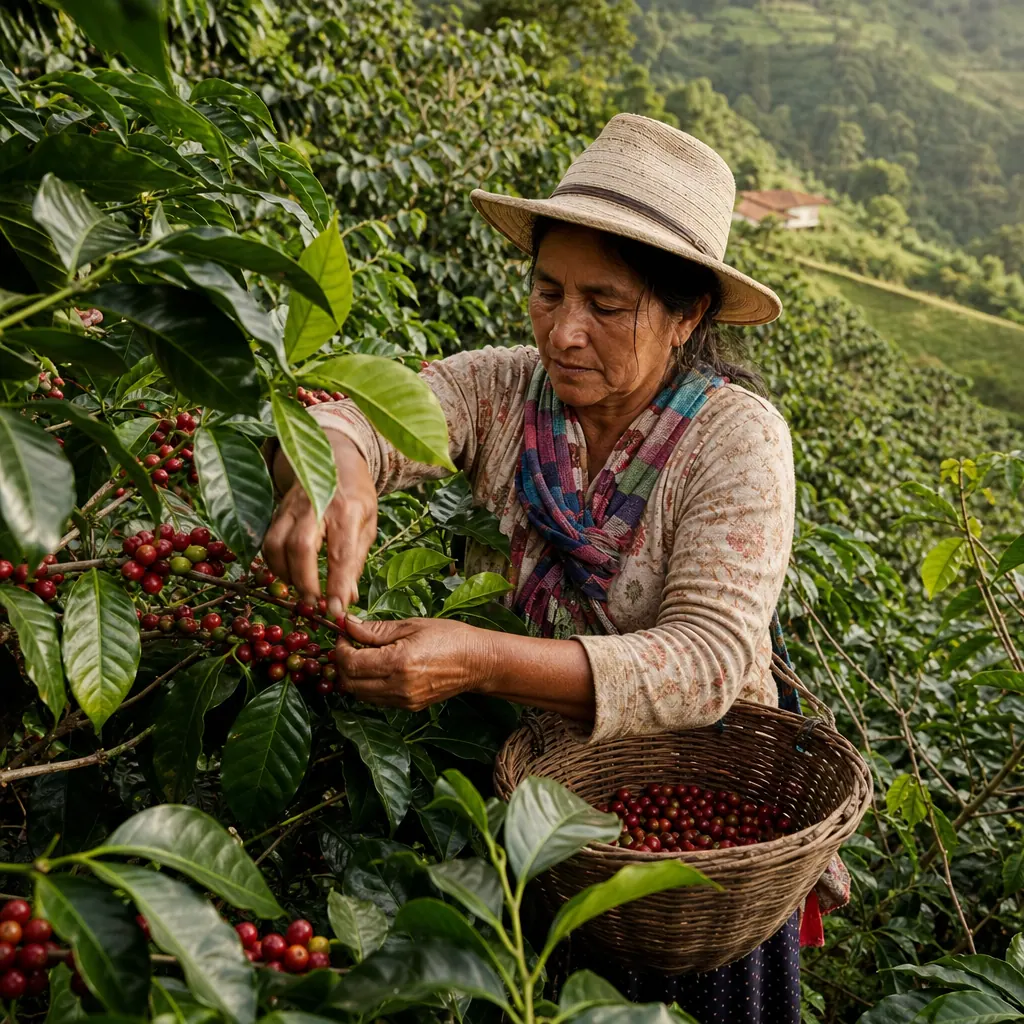
- The coffee plant itself — your guide will show you the difference between ripe red cherries and unripe green ones. Most people are surprised how labor-intensive selective picking is.
- Pulping — removing the outer cherry skin. On small farms this is often done by hand with a manual pulper; larger operations use machines.
- Fermentation and washing — where a lot of flavor is developed. Natural, washed, and honey processes taste very different. A good guide explains why.
- Drying — raised beds in full sun, or in a covered parabolic dryer during rain season. You'll see the beans turning from pale yellow-green to their familiar tan.
- Roasting and cupping — the finale. You roast a small batch yourself on some farms, and then you cup the result. This is the part where you realize Colombian coffee is very different when it's actually fresh.
The farms that skip steps — or rush through the process with a bored guide who's done this 15 times today — are easy to spot. Walk away if the tour feels like a theme park.
The Main Coffee Regions for Farm Visits
Colombia has several serious coffee-growing zones, but three are most accessible for visitors combining a farm experience with broader travel.
Eje Cafetero — The Tourist Circuit
The Eje Cafetero (Coffee Axis) covers Caldas, Risaralda, and Quindío departments — the most visited coffee region by far. The towns of Salento, Filandia, and Buenavista are the main access points. Farms here are accustomed to foreign visitors, often have English-speaking guides, and tend to be well set up with proper facilities.
The downside is that some have become so slick they've lost the authenticity. You're essentially on a tour product, not a working farm. That said, farms like Finca La Sirena outside Salento and El Ocaso (about 15 minutes from town by jeep) have managed to keep the substance while handling serious visitor volume. Budget around COP 60,000–90,000 for a proper tour.
Antioquia — Closer to Medellín, Less Crowded
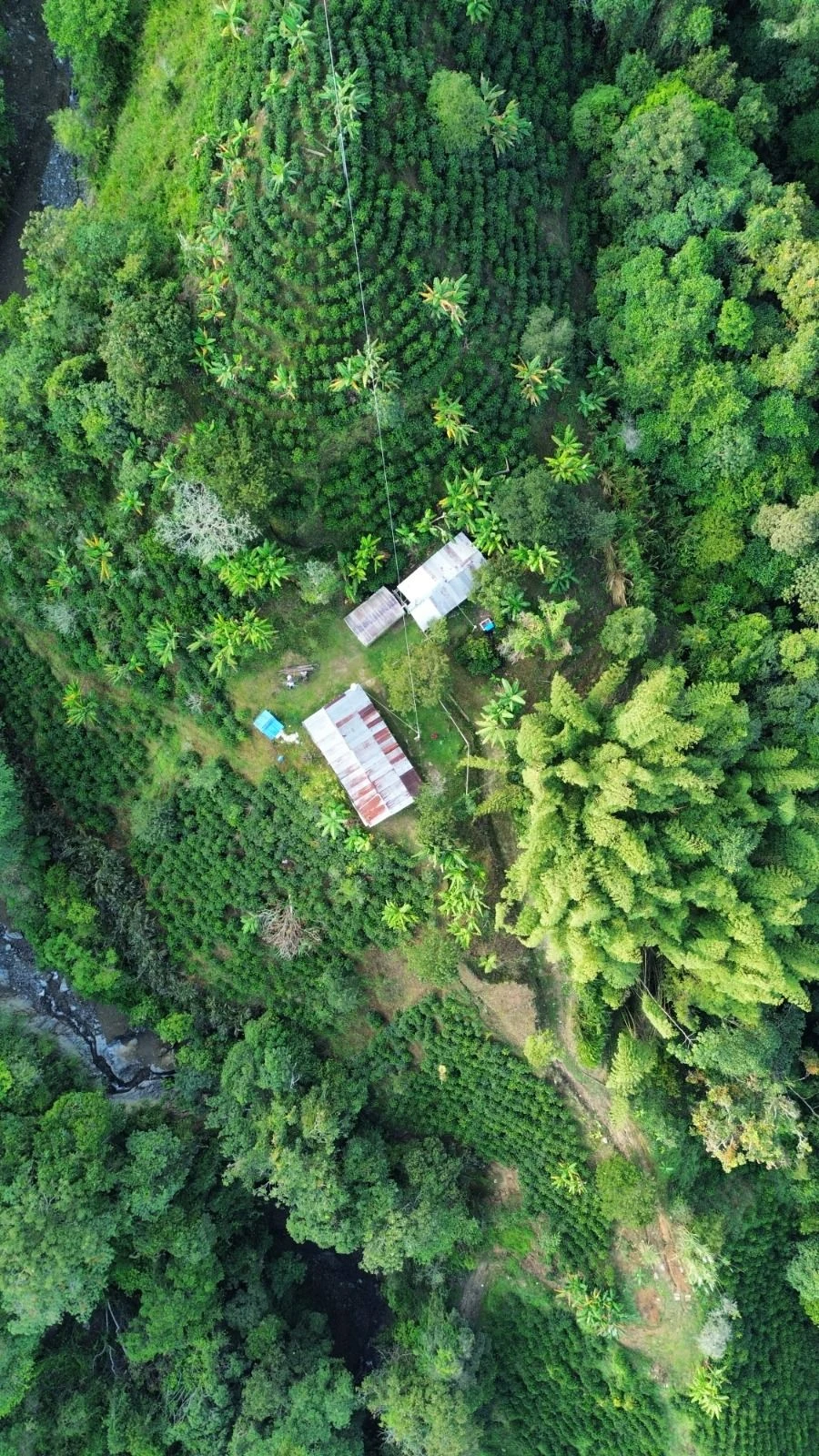
If you're based in Medellín, Jericó is the obvious coffee farm base. It's a harder-to-reach town but significantly less crowded than Salento. Farms in this area are less organized for tourism, which is a genuine advantage — you're more likely to visit an actual working farm rather than a demonstration operation. Ask at your hostel; most can connect you with a family farm nearby. Prices are often negotiable and the coffee is excellent.
Jardín also has farms worth visiting, particularly on the hillsides above town. The tourist infrastructure is minimal here, so you'll need a local contact. The payoff is usually worth the effort.
Huila and Nariño — Specialty Coffee Country
This is where Colombia's most internationally recognized specialty coffee comes from. The high-altitude farms around San Agustín (Huila) and the Nariño highlands grow coffee at 1,800–2,200 meters above sea level. The colder temperatures mean a slower cherry development and more complex flavor — this is the stuff winning awards at international cupping competitions.
Farm visits here are harder to arrange but deeply rewarding for anyone serious about coffee. You won't find them on booking platforms. The approach is to arrive in San Agustín, ask at the market, and find someone willing to arrange a connection. Give yourself two or three days.
Good Tour vs Tourist Trap — How to Tell
The warning signs are consistent across the region:
- The guide rushes through each stage without explaining the 'why' — you're getting a show, not a lesson
- The farm doesn't grow specialty varieties — if they're farming caturra at low altitude and not talking about processing protocols, the coffee won't be memorable
- The tour ends with a hard sell on bags of overpriced coffee at the exit
- The 'guide' is actually just the son of a nearby hostel owner who does this for tips
- The tasting at the end is made with supermarket grounds, not freshly roasted beans from the farm
What a good farm does instead: the guide is a farmer or someone who worked with farmers for years, they can answer questions about varietals and processing in detail, the tasting uses beans that were roasted within the last two weeks, and they don't pretend the farm is something it isn't.
One thing that genuinely separates the better farms: they'll tell you what they're doing wrong, or what they're still figuring out. Real farmers are honest about challenges — pests, climate shifts, fermentation experiments that didn't work. If everything is presented as perfect, you're in a marketing operation.
| Tour Type | Duration | Price (per person) | Best For |
|---|---|---|---|
| Basic farm walk | 45–60 min | COP 25,000–40,000 | Quick tick-the-box visit |
| Full process tour | 2–3 hours | COP 60,000–90,000 | Most visitors |
| Specialty + cupping | 3–4 hours | COP 90,000–120,000 | Coffee enthusiasts |
| Overnight hacienda stay | 1–2 nights | COP 150,000–300,000/night | Slow-travel, immersion |
📖 Keep Reading
Planning day trips from Medellín through the coffee towns
See the guide to Jardín, Jericó, Salento & Filandia →Staying Overnight on a Coffee Hacienda
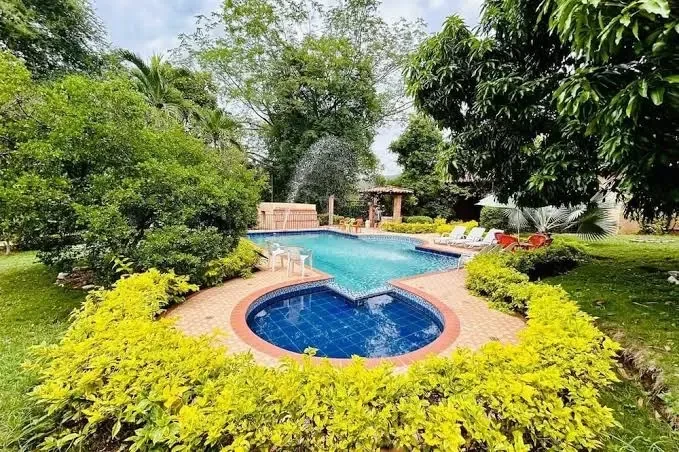
This is underrated. A two-day stay on a working hacienda changes the experience completely — you're there for the 5am harvest, you eat meals with the family, and you see what it actually takes to run a small farm. Several haciendas in the Eje Cafetero and Antioquia offer accommodation, usually including all meals.
Prices run COP 150,000–300,000 per person per night with meals. Budget haciendas exist in the COP 100,000–130,000 range but the experience quality varies. The better ones have been hosting guests for 10+ years and have it dialed in; the worst are just farms with a spare room and unforgiving mattresses.
What to look for: confirmed meal schedule (three meals, with breakfast at harvest time), a guide who farms full-time rather than just tours, and some kind of tasting session included. If they're charging more than COP 200,000/night, a proper cupping should be part of the deal.
The honest advice: skip the large eco-lodge haciendas that show up first in Google searches. They charge resort prices and deliver resort service — pleasant but impersonal. The mid-sized family haciendas with 3–6 rooms are where the real experience lives.
Practical Logistics
Getting to the Coffee Region
From Medellín: Salento is 5 hours by direct bus from Terminal del Norte (COP 35,000–45,000). Jardín and Jericó are 2.5–3 hours from Terminal del Sur. From Bogotá: Armenia is the main hub city for the Eje Cafetero — direct buses run 6–7 hours (COP 50,000–70,000), or fly to Pereira in 45 minutes (often under $50 USD on Avianca or LATAM).
When to Go
Colombia has two main coffee harvests — the mitaca (April–June in most regions) and the cosecha principal (October–December). Visiting during harvest means you're more likely to see active picking and processing. That said, most farms run tours year-round using dried and stored green beans. The Eje Cafetero is year-round accessible; Nariño and Huila can be difficult in heavy rain season.
What to Bring
Decent walking shoes for muddy paths, a rain layer (afternoon showers are common), cash in smaller denominations (many farms don't take cards), and — if you're buying to take home — an extra bag. Colombian specialty coffee doesn't clear customs as an issue from Colombia itself; bringing 2–3 kilos home is common and legal.
🛡️ Traveling Colombia solo?
SafetyWing covers medical emergencies, unexpected hospital stays, and trip interruptions — starting from $2/day for travelers.
Check SafetyWing coverage →Buying Coffee to Take Home
Every farm will try to sell you bags at the end. Some of it is genuinely excellent; some of it is decent commercial-grade coffee at specialty prices. The questions to ask: What's the roast date? (anything over four weeks is past its flavor peak.) What processing method? (natural, washed, honey) What altitude? (higher = more complex.)
For specialty coffee, expect to pay COP 25,000–60,000 for 250–500g of farm-direct beans. That's excellent value versus what the same coffee would cost in the US or UK. The farms doing natural-processed gesha or high-altitude bourbon at 2,000+ meters are usually priced at the top of that range, and worth it.
One practical note: if you're flying home with coffee beans, seal them in zip-lock bags inside your checked luggage. Not because of legality (it's fine) but because fresh-roasted beans off-gas CO2 that can make your bag smell intensely of coffee for a week. Not a problem unless you're sharing space with someone who hates coffee.
Frequently Asked Questions
❓ How much does a coffee farm tour cost in Colombia?
Budget COP 30,000–120,000 (~$7–$28 USD) per person depending on depth. Basic 45-minute walks start around COP 30,000; a full 2–3 hour process tour with cupping runs COP 60,000–90,000. Overnight hacienda stays with meals and tours included typically cost COP 150,000–300,000 per night.
❓ Do I need to book in advance?
For the organized tourist farms near Salento — yes, especially on weekends. For smaller family farms in Jericó, Jardín, or the Huila region, you can often arrange visits on the same day by asking at your hostel. Hacienda overnight stays should be booked at least a few days ahead, particularly for the better-known operations.
❓ What's the best time of year to visit a coffee farm in Colombia?
Any time works — farms run tours year-round. But October–December is the main harvest season (cosecha principal) across most regions, meaning you're more likely to see active cherry picking. April–June (mitaca) is the secondary harvest in Antioquia and the Eje Cafetero. Avoid planning around full dry-season months (July–August) if you want to see the washing and drying process at full volume.
❓ Can I do a coffee farm tour without speaking Spanish?
Yes, in the Eje Cafetero. Farms near Salento and Filandia routinely host English-speaking groups and most have guides who can run the tour in English. Outside the main tourist circuit — Jericó, Jardín, Huila — you'll want at least basic Spanish or a bilingual local contact. A few key phrases go a long way and most farmers are patient with the effort.
❓ Is the coffee on the farm tour better than what you find in Colombian supermarkets?
Almost always. Supermarket coffee in Colombia — Juan Valdez excluded — is mostly commercial-grade stuff that wouldn't pass specialty standards. Farm-direct beans that are properly processed and freshly roasted are a completely different experience. This is part of why many coffee visitors leave Colombia with multiple kilos in their luggage.
Comments
Loading comments...
Checking sign-in status...