
How to Buy an Apartment in Colombia as a Foreigner
Foreigners can buy property in Colombia with no restrictions — not even a visa is required. Here's the step-by-step process, real closing costs, and what due diligence actually looks like.
IDIOMA DEL ARTÍCULO
Showing original language
My neighbor in Laureles paid $85,000 USD for a two-bedroom apartment with a balcony and a building gym. He bought it in 2022 while still on a tourist visa. That same $85K wouldn't get you a studio in most US cities. He rents it out when he's traveling, earns COP income, and the building takes care of itself.
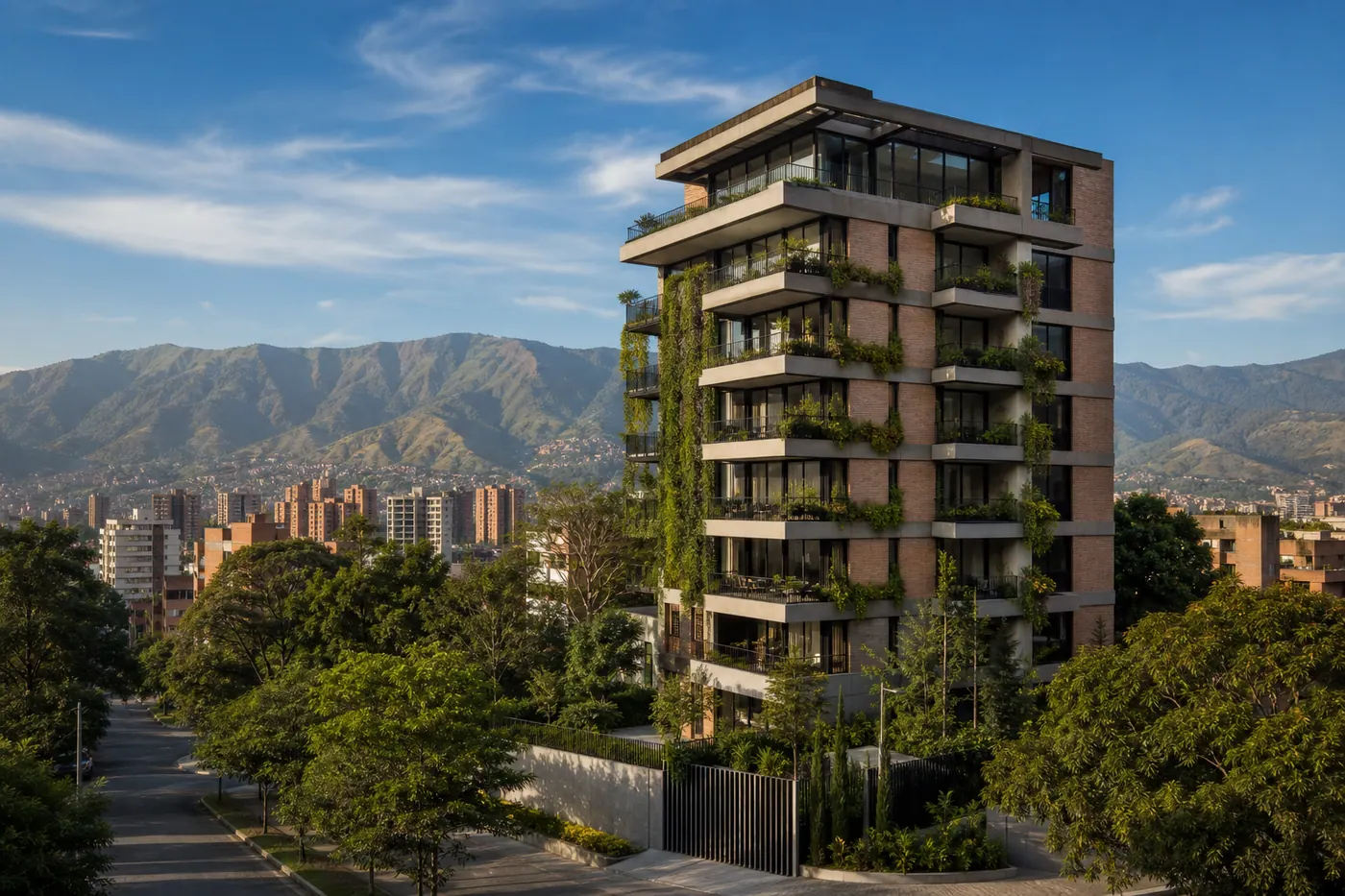
Buying property in Colombia as a foreigner is legal, accessible, and — depending on your timing and neighborhood — genuinely good value. The common assumption that you have to be a resident or jump through special hoops is just wrong. Colombia's constitution gives foreigners exactly the same property rights as citizens. You can buy with a passport and a wire transfer. If you want to see real-world options right now, you can browse apartments and houses on Colombia Move — posting is completely free.
That said, the process has real friction points that trip people up: title problems that a good lawyer would've caught, paying too much because you didn't understand the estrato pricing dynamic, or signing a promesa without understanding what happens when a developer delays delivery. This guide gives you the full picture — the legal framework, the step-by-step process, the real costs beyond the sticker price, and what due diligence actually looks like in practice.
🏠 What to Know First
- Foreigners can own property in Colombia with no restrictions — same rights as citizens
- No residency or visa required — a tourist can legally buy an apartment
- Process: find property → title study → promesa → escritura at notaría → register
- Budget 3–5% of purchase price for closing costs beyond the agreed price
- A title study by a local lawyer is non-negotiable — it protects against hidden liens
- You can wire USD from abroad; it converts to COP at closing
Can Foreigners Really Buy Property in Colombia?
Yes — fully and legally. Article 100 of Colombia's Political Constitution explicitly grants foreign nationals and legal persons the same civil rights as Colombian citizens. That includes property ownership, with no caps, no quotas, and no additional purchase taxes for being foreign.
You don't need a visa, a cédula de extranjería, or even a Colombian bank account. In practice, having a local account helps with the mechanics of transferring large sums — but plenty of buyers wire USD directly from abroad and have it converted at the notaría. Foreign investment in Colombian real estate is specifically encouraged by the government; Banco de la República has streamlined the process for declaring foreign capital inflows, which you'll need to do for amounts over $500 USD.
The one thing that does apply equally to you as to Colombians: if you sell later at a profit, you'll owe Colombian capital gains tax. The rate is 15% on the gain above the declared cost basis. If you're an American, you'll also need to report the asset to the IRS (FBAR and FATCA rules apply for properties used as investment — consult a cross-border tax advisor). Neither of these should stop you from buying, but they're worth knowing upfront.
What You Can Buy
Most expat buyers focus on urban apartments — apartamentos — in the stratum 4, 5, or 6 buildings of Medellín's El Poblado, Laureles, or Envigado, or Bogotá's Chapinero, Usaquén, or La Candelaria for more budget-conscious options. These buildings typically have security, a portería (doorman), and amenities. They're easiest to rent out if you're not in-country full-time.
- Apartamentos (apartments): most common for expat buyers — easiest to rent, manage remotely, and resell
- Casas (houses): more space and privacy, often in residential neighborhoods or suburbs; security is your responsibility
- Fincas (rural properties): a completely different process — more complex due diligence, possible land-use restrictions, and fewer buyers when you want to exit
- Sobre planos (off-plan from a developer): you buy before construction completes, paying in installments; typically 15-25% cheaper than finished units, but you wait 1-4 years
- Locales comerciales (commercial): shops, offices, small warehouses — higher yields but more volatility in demand
Honestly, if you're buying your first Colombian property, stick to a finished apartment in an established building. Off-plan investing has made people money, but it also comes with developer risk — companies here do occasionally go under mid-project, and the legal recourse is slow. Get one transaction under your belt first.
📖 Keep Reading
Before you buy, understand how the estrato system affects pricing, utilities, and who your neighbors will be: Colombia's Estrato System Explained: What Every Expat Needs to Know
How the Buying Process Works
A straightforward apartment purchase in Colombia takes 45–90 days from accepted offer to keys. Here's the sequence:
- Find the property. Through a real estate agent (inmobiliaria), Colombia Move listings, the owner directly, or classified sites. Private owner deals save commission but require more diligence from you.
- Negotiate and agree on price. Verbal first, then put it in writing. Counteroffer culture is real here — listed prices often have 5-10% negotiation room. Don't be shy.
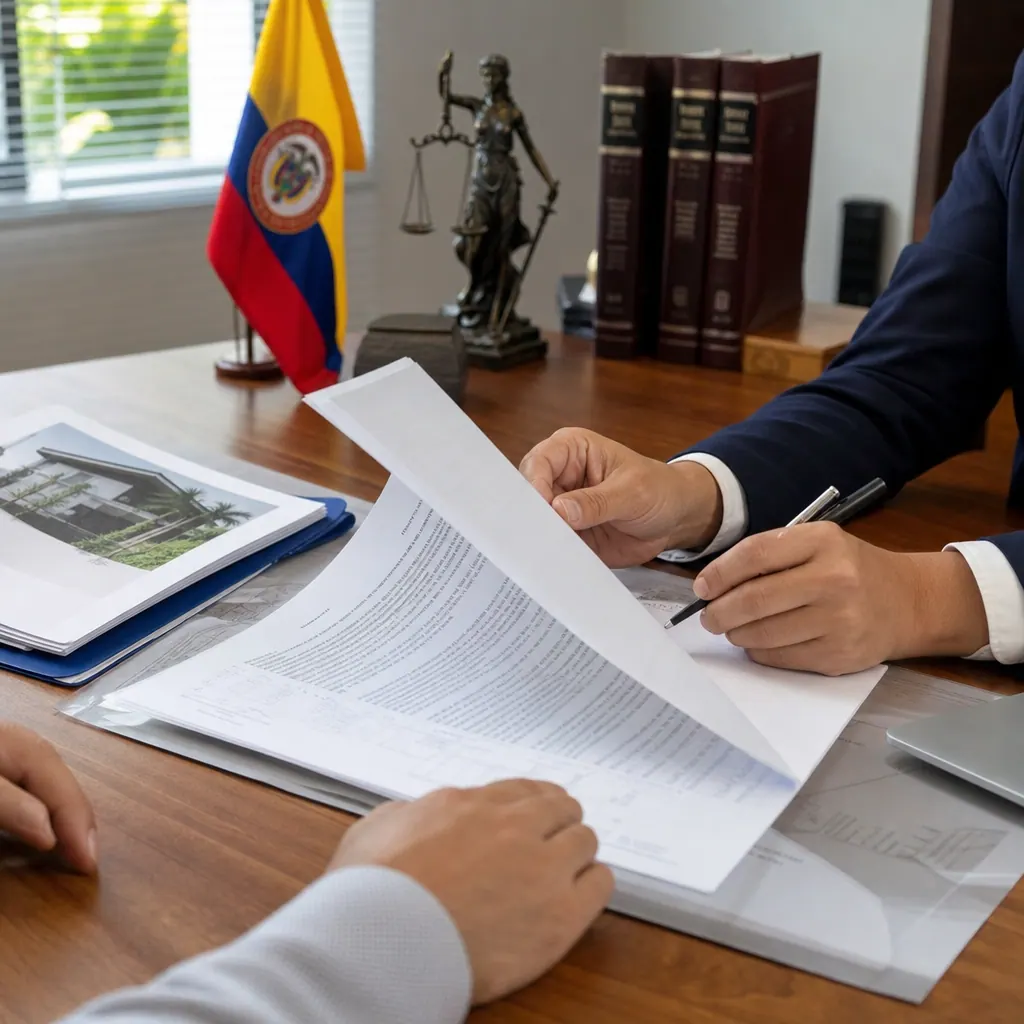
- Hire a local lawyer and commission a title study (estudio de títulos). This is the most important step. Your lawyer examines the certificado de tradición y libertad — the official ownership history from the Oficina de Instrumentos Públicos — going back 20+ years. Cost: COP 2–5 million (~$500–1,200 USD) depending on complexity.
- Sign the promesa de compraventa. A preliminary purchase agreement where you commit to buy and the seller commits to sell. You'll pay a deposit — typically 10–30% of the agreed price. If you back out, you usually lose the deposit. If the seller backs out, they return double.
- Complete financing or finalize your wire transfer. Colombian mortgages are available to foreigners with a cédula de extranjería and local income history, but most expat buyers pay cash and wire funds from abroad.
- Sign the escritura de compraventa at the notaría. Both parties sign in person (or via power of attorney if you're abroad). The notary verifies identities, witnesses the transfer, and processes the official deed.
- Pay transfer costs and register. Within 15 business days of the escritura, you register the new ownership at the Oficina de Instrumentos Públicos. Your lawyer handles this. Once registered, you are the legal owner.
Power of attorney (poder notarial) is worth mentioning: if you can't be in Colombia for the signing, you can grant a trusted person — your lawyer, a friend — the legal authority to sign on your behalf. This is completely normal and widely used. The poder needs to be notarized, apostilled, and sometimes translated if signed abroad.
Real Costs Beyond the Listed Price
The sticker price is just the starting point. Budget for these on top:
On a $100,000 USD apartment, you're typically looking at $3,000–5,000 USD in total closing costs — about 3–5% of the purchase price. For international wire transfers, using a service like ARQ Finance instead of a straight SWIFT wire can save you 0.5–1% on the currency conversion.
Due Diligence: What You Actually Need to Check
The title study is essential, but it's not the only thing to verify before signing a promesa. A complete pre-purchase checklist:
- Certificado de tradición y libertad: the official registry document showing the ownership chain and any liens, mortgages, or judicial restrictions. Request it fresh — it's updated in real time and cheap to pull.
- Paz y salvo de administración: confirms the seller has no outstanding building administration fees. You don't want to inherit someone else's unpaid three years of cuota de administración.
- Paz y salvo de predial: confirms the seller is current on property taxes.
- Derechos de sucesión / herencias: if the property passed through inheritance, verify that all heirs have signed off. Contested inheritances can cloud a title for years.
- Poder notarial verification: if someone is signing on the seller's behalf, verify the power of attorney is still valid and covers this type of transaction.
- Building permits and legal registration: for newer buildings, confirm it was built with proper licenses and registered in the catastro.
- Usufruct or lifetime-use clauses: rare, but some properties have third-party use rights registered on the title.
The only really annoying thing about Colombian real estate transactions: the system still requires physical visits to government offices for some steps, and processing times at the Oficina de Instrumentos Públicos vary by city. In Medellín, registration usually takes 10–20 business days. In smaller cities, it can take longer. Factor this into any plans around when you want to actually move in.
Bringing Money in From Abroad
Most expat buyers wire USD from a foreign account. When the money arrives in Colombia, the bank converts it to COP. You'll need to declare the incoming foreign capital to Banco de la República via a Declaración de Cambio (Form 4) — your local bank handles this automatically when they receive a foreign wire. Keep all your transfer documentation; you'll need it when you eventually sell and want to repatriate the proceeds.
For the actual currency conversion, shop around. Your wire goes through a Colombian bank at their posted TRM rate. Using an international transfer service like ARQ Finance or Remitly for large property transactions can save meaningful money on the spread compared to a straight bank-to-bank SWIFT wire — worth running the numbers for amounts over $20,000 USD.
📖 Keep Reading
Want to compare neighborhoods before committing? Check what renting actually costs before you decide to buy: Average Rent in Medellín by Neighborhood: What Apartments Actually Cost
Frequently Asked Questions
❓ Do I need to be a Colombian resident to buy property?
No. Foreigners can buy property in Colombia with just a passport. Neither a visa nor residency is required. You can legally purchase as a tourist. Residency status is irrelevant to property ownership rights.
❓ Can I get a mortgage in Colombia as a foreigner?
Technically yes — Colombian banks offer mortgages to foreigners with a cédula de extranjería and demonstrable local income. In practice, most expat buyers pay cash because the mortgage approval process for foreigners is slow and the interest rates on peso-denominated mortgages are high (currently 12–16% annually). If you need financing, explore it before you find the property so you know what you qualify for.
❓ Can I buy property in Colombia and rent it out?
Yes. You can rent to Colombians, expats, or tourists. Airbnb is permitted in most residential buildings, though some edificios have copropiedad rules restricting short-term rentals — check the reglamento de propiedad horizontal before buying if that's your plan. Rental income is taxable in Colombia; you'd register with DIAN and declare it annually.
❓ How long does the buying process take?
A straightforward resale apartment takes 45–90 days from accepted offer to completed registration. The main variables are how quickly the seller gathers their paz y salvo documents, how backed up the notaría is, and processing time at the Instrumentos Públicos office. Off-plan purchases obviously take longer — add the construction timeline, which is typically 18 months to 4 years.
❓ What happens if I buy property and then leave Colombia permanently?
You keep it — Colombian law fully protects foreign property ownership regardless of where you live. You can rent it out remotely (common), gift it, sell it at any time, or pass it to heirs. The only thing that requires presence or a local representative is the escritura process when you sell. Many non-resident owners grant power of attorney to a trusted local contact for exactly this.
🇨🇴 Browse Properties for Sale in Colombia
Colombia Move lists apartments, houses, fincas, and commercial properties — from owners directly and local agents. Free to search, bilingual listings, and you can contact sellers via WhatsApp without creating an account.
Browse Apartments for Sale →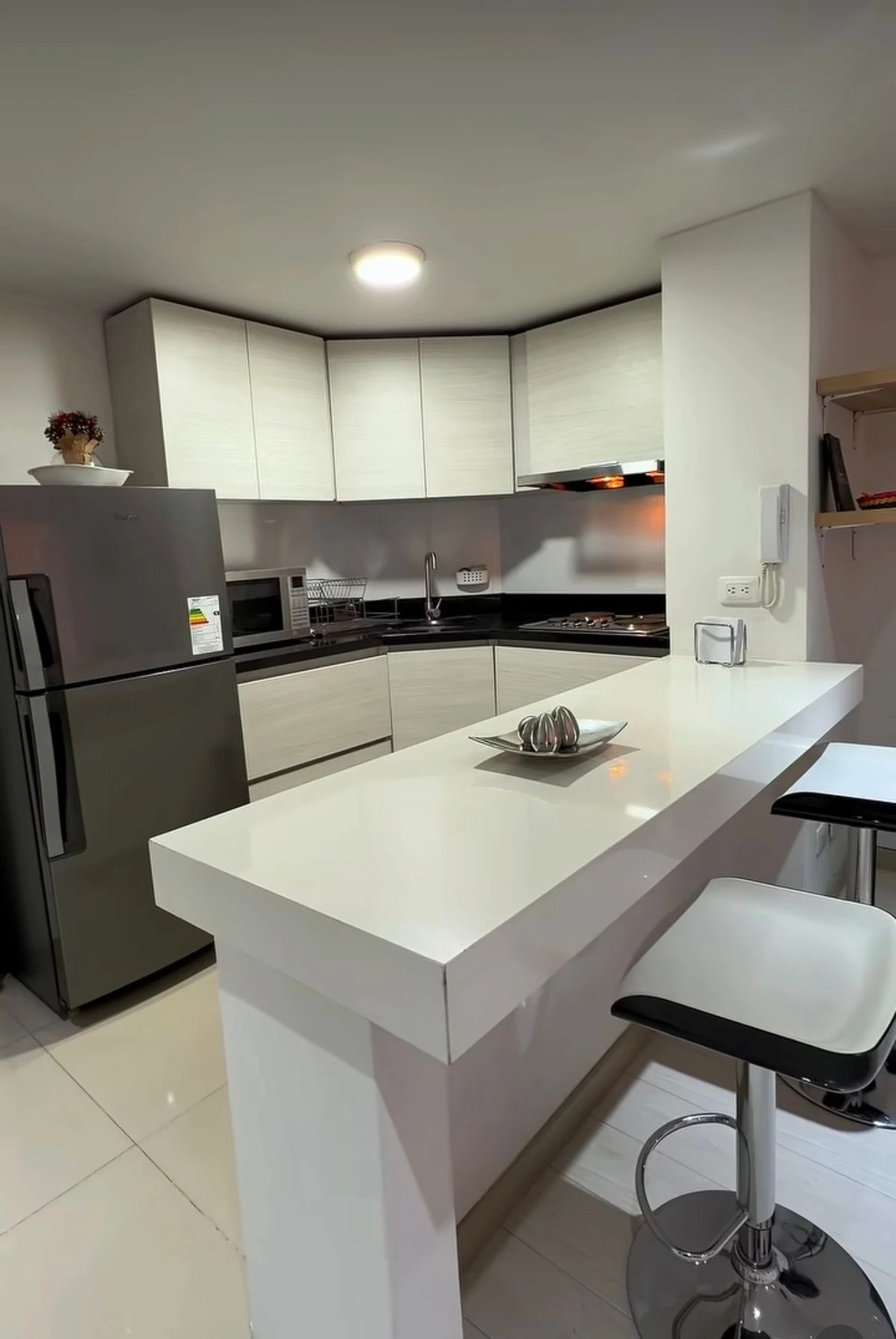

Comments
Loading comments...
Checking sign-in status...