
Cycling in Colombia: Ciclovía, City Bikes, and Routes Worth the Ride
Bogotá closes 120km of roads to cars every Sunday — and that's just the start. Here's the honest guide to cycling in Colombia, from the city's Ciclovía to Medellín's EnCicla and the coffee region routes that road cyclists fly in for.
IDIOMA DEL ARTÍCULO
Showing original language
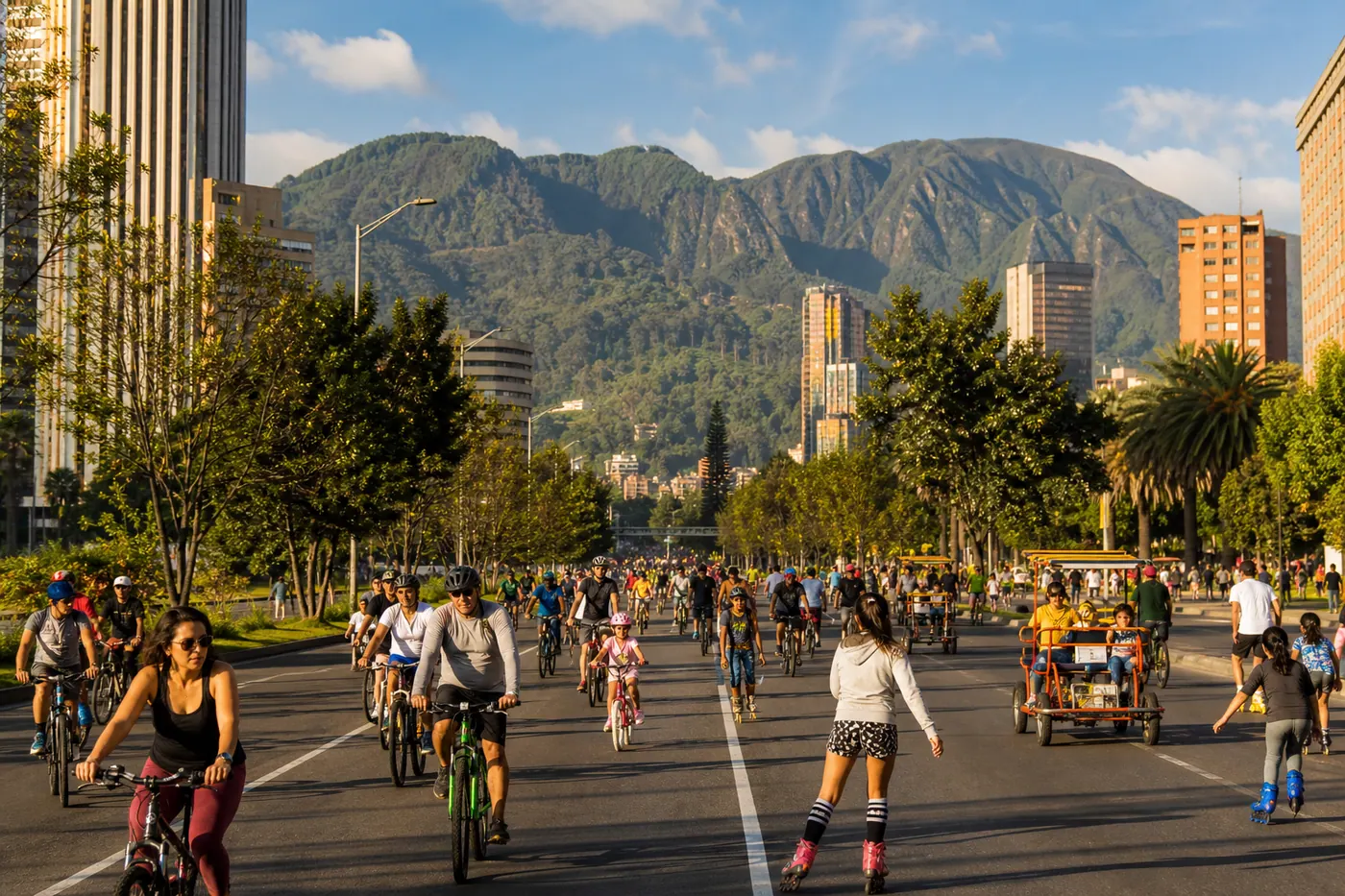
The first Sunday I was in Bogotá, I walked out of my apartment in Chapinero at 8am and couldn't figure out why there were no cars. Carrera Séptima — one of the main arteries through the city — was completely closed. Cyclists, roller skaters, joggers, people walking dogs. No horns. No diesel fumes. I thought there had been some kind of emergency.
It was just Ciclovía. Every Sunday and public holiday, Bogotá closes around 120 kilometers of its main roads from 7am to 2pm and gives them over to people on bikes. The event has been running since 1976. More than 1.5 million people use it on a given Sunday. If you've only ever seen Bogotá on a weekday, choked with traffic and exhaust, Ciclovía feels almost implausibly peaceful. If you want to see real-world options right now, you can browse apartments and houses on Colombia Move — posting is completely free.
Cycling in Colombia is better than most people expect — but it's uneven, and you have to know where to find it. Bogotá and Medellín have invested heavily in infrastructure. Other cities are patchwork. And anywhere there are nice bikes, theft is a real factor. Here's what you actually need to know before getting on a bike here.
What to know first
- Bogotá's Ciclovía runs every Sunday and public holiday — 120km of closed streets, 7am to 2pm, free
- Medellín has EnCicla, a free municipal bike share with 50+ stations — registration requires a quick in-person visit
- Helmets are legally required for cyclists in Colombia; U-locks (not cable locks) are a must in cities
- Used city bikes sell for COP 300,000–1,200,000; budget an extra COP 50,000–80,000 for a solid lock
- Colombia's coffee region roads are on bucket lists for road cyclists — the climbs are real, and so is the scenery
Bogotá's Ciclovía — 120km of Closed Streets, Every Sunday
Ciclovía is the kind of thing that sounds too good to be true until you experience it. From 7am to 2pm every Sunday, plus all public holidays (festivos), Bogotá closes Carrera Séptima from Calle 170 in the north down toward La Candelaria, along with dozens of connected streets across the full length of the city. The total circuit runs about 120 kilometers, making it one of the largest recurring car-free events in the world.
The main loop most people do runs along Carrera Séptima through Chapinero and Usaquén, branching through Parque 93, the Parque Simón Bolívar area, and extending toward Ciudad Bolívar in the south. Along the route you'll find cicloestaciones — recreational stations with free water, basic bike repairs, and fitness activities. The atmosphere is genuinely social: vendors selling arepas and fresh fruit, families with kids on tiny bikes, serious road cyclists in full kit doing intervals, couples rollerskating. It's chaotic and cheerful.
What to bring: water (Bogotá sits at 2,600 meters — the altitude hits harder than expected during exercise), sunscreen (UV radiation is intense at elevation even on overcast days), and your own bike or a rental. Rentals cluster near the main entry points on Carrera Séptima; expect COP 15,000–25,000 for a couple of hours. There's also a Ciclovía Nocturna a few times a year — same closed streets, but at night with live music. Worth looking up if you'll be in Bogotá for a while.
Getting a Bike in Bogotá — Renting, Sharing, or Buying
Bogotá has a municipal bike share program, but coverage is patchy and the app experience is inconsistent. For most expats spending more than a couple of months in the city, buying a used bike is the smarter move — you get something reliable, and you can resell it before you leave.
Used bikes in decent condition run from about COP 300,000 for a basic city bike up to COP 1,200,000+ for something worth taking on longer rides. Check Colombia Move's marketplace for classified bike listings in your city, or search local cycling Facebook groups. Whatever you buy, spend another COP 50,000–80,000 on a proper lock — the cable lock often bundled with the bike is not adequate for Bogotá streets. U-lock through the frame and rear wheel to a fixed object is the minimum.
The city has around 600km of dedicated bike lanes on regular streets, which expanded significantly after 2020 when the pandemic pushed the city to add hundreds of kilometers of emergency ciclovías. The main north-south corridors are the most practical for commuting. Avoid the busiest commercial streets at peak hours until you're comfortable with Colombian traffic patterns. And cycling at night in Bogotá is a different risk level entirely — lights and a reflective vest are non-negotiable after dark.
Medellín — EnCicla and City Riding
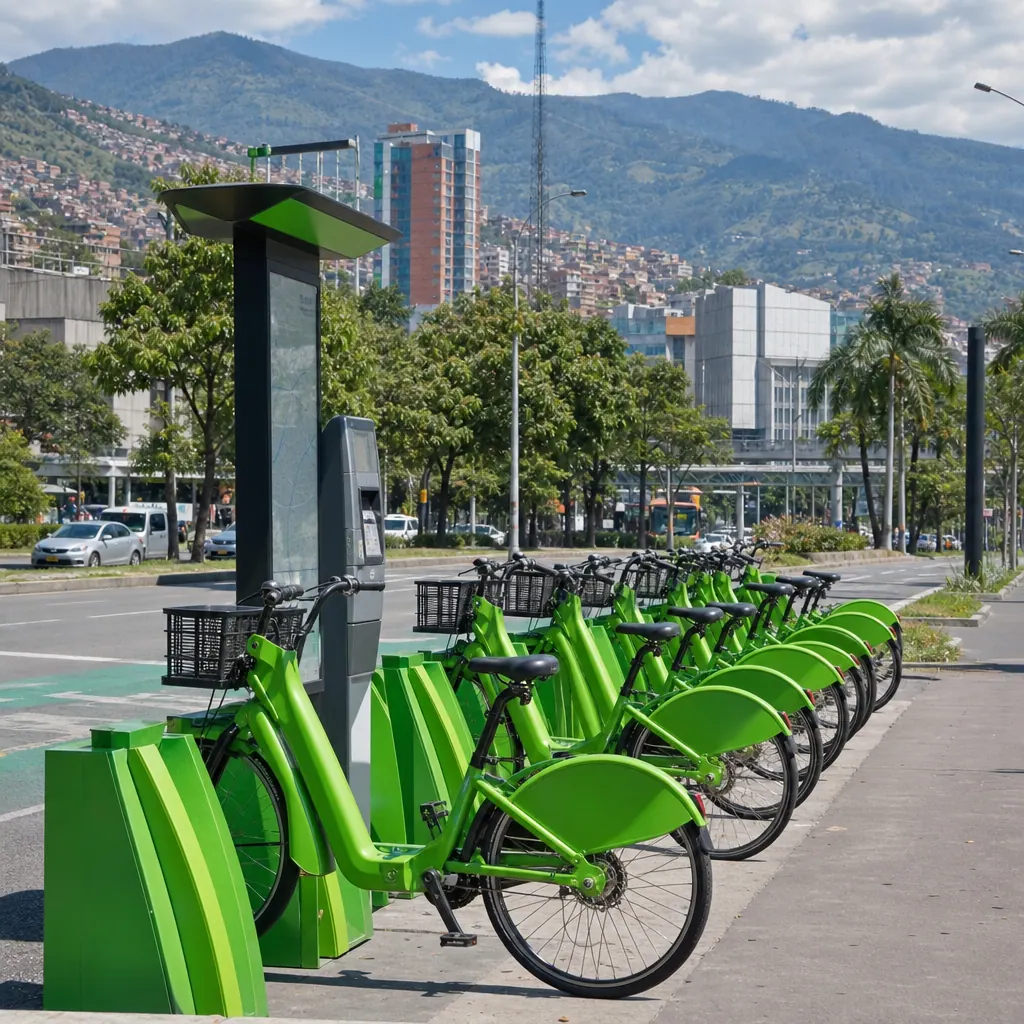
Medellín has arguably the better day-to-day cycling infrastructure of the two major cities, and its bike share system, EnCicla, is one of the things long-term residents consistently mention as a genuine quality-of-life plus. The system has around 50 stations concentrated in the Aburrá Valley flatlands — El Centro, Laureles, Envigado, the area around EAFIT and Estadio metro stop.
Registration is free but requires a trip to the EnCicla main office (bring your cédula or passport) and takes about 20 minutes. After that, trips under 30 minutes cost nothing; longer trips are cheap. For running errands across the flat central zone, it's legitimately useful. The only honest caveat: if you're based in El Poblado or anywhere on a hill, the terrain limits how useful the system is for everyday trips.
Medellín runs its own version of Ciclovía on Sunday mornings along the main corridors — smaller in scale than Bogotá's but well-attended, especially in Laureles and along the Rio Medellín greenway. If you're thinking about exploring the city's transport more broadly, the metro and Metrocable are the backbone of how most people move around.
Cali, Pereira, and the Rest
Cali has a Ciclovía that runs Sunday mornings along Carrera 1 and connected routes. The flat terrain of the valley makes it the most physically easy of the major cities for casual cycling — though the heat means starting before 9am is the right call most of the year. Cali's cycling community is active; there are weekend group rides that are easy to find if you want company on longer routes.
Pereira and Manizales both have cycling communities, but the topography of the Eje Cafetero is genuinely demanding. You're either climbing or descending — rarely anything flat. For day visitors cycling through coffee country, that's part of the appeal. For everyday commuting, it's a workout. Barranquilla has almost no dedicated infrastructure but the flat Caribbean terrain is physically easy; the main obstacle is the heat, not the hills.
Long-Distance Rides — Coffee Region, Chicamocha, and Beyond
Colombia's mountain geography makes long-distance cycling either spectacular or brutal depending on your fitness and gear. The Eje Cafetero routes are the most well-known among visiting cyclists: the roads around Salento, the descent into Manizales from the north, the loop through Buenavista and Pijao in Quindío. Surfaces are mostly paved, there are tiendas along the main routes for snacks and rehydration, and the scenery is something else.
Chicamocha Canyon near Bucaramanga — specifically the descent to the canyon floor — is one of the most famous cycling descents in the country. Fast, technical, and with views that justify the trip on their own. Not recommended if you're not confident on steep descents with minimal shoulder. A few organized cycling tours operate routes through both regions if you'd rather not navigate alone.
A practical note for any longer ride: Colombia's mountain roads can shift from clear skies to cold fog and rain within an hour at elevation. Carry a packable rain layer. Truck and bus traffic on two-lane mountain roads is heavy; ride predictably, claim your lane, and give trucks plenty of room. Having travel health insurance like SafetyWing is worth it — not because cycling is unusually dangerous, but because falls happen and smaller-town hospitals can have limited resources.
Cycling Safety and Theft Reality
Bike theft in Bogotá is common enough to plan around rather than hope to avoid. A locked bike on a public street is never fully safe; a cable-locked bike in most central neighborhoods won't last the afternoon. U-lock through frame and rear wheel to a fixed structure is the minimum. A secondary chain through the front wheel adds real deterrence. Storing the bike indoors whenever possible is the safest option — many apartment buildings have bike rooms or will let you bring one inside.
Urban cycling requires adjusting to Colombian driving culture. Drivers don't consistently check mirrors before opening doors or turning. Motorcycle couriers treat lanes as suggestions. At intersections, treat yourself as invisible until you have confirmed eye contact with the driver. This sounds more alarming than it is — millions of people cycle in Colombian cities without incident every day — but it's worth recalibrating if you come from a place with strict driver accountability toward cyclists.
The helmet law is real: Colombian traffic law requires helmets for cyclists. Enforcement varies by city and by officer, but it's easier to just wear one. If you're carrying gear or a laptop, an anti-theft backpack with cut-resistant straps is worth it for commuting in heavier traffic areas.
Keep Reading
Getting around by bike is only one piece of the puzzle. See the full guide to getting around Bogotá or how Medellín's metro and Metrocable connect the city.
🚲 Buying a Bike in Colombia?
Browse used and new bicycles from sellers across Colombia on the Colombia Move marketplace — no commission, no middlemen, WhatsApp-native contact.
Browse Bikes for Sale →Frequently Asked Questions
❓ When does Bogotá's Ciclovía run?
Every Sunday from 7am to 2pm, plus all public holidays (festivos). The route covers roughly 120km of the city's main roads. It's free to use — just show up with your bike or rent one at the starting points.
❓ Is cycling safe in Colombian cities?
It's manageable with the right precautions, not effortlessly safe. Colombian traffic is dense and drivers aren't always attentive to cyclists. The main risks are theft, potholes, and being cut off at intersections. Use dedicated lanes where they exist, wear a helmet, and avoid cycling at night in unfamiliar areas. Thousands of people commute by bike in Bogotá and Medellín daily.
❓ Is EnCicla in Medellín really free?
Trips under 30 minutes are completely free after a one-time registration. You need to register in person at an EnCicla office with your ID — it takes about 20 minutes. Longer trips are cheap. The system works best in the flat central valley; it's less useful if you're based on a hillside neighborhood.
❓ Can I bring my own bike into Colombia?
Yes. You can bring a bike as checked luggage on most international flights — typically at an extra fee of $50–$150 depending on the airline. You'll need to partially disassemble it and pack it in a bike bag or box. No import duties for personal use items brought in as part of your luggage allowance, though customs enforcement is uneven. Buying locally is often less hassle for stays under six months.
Comments
Loading comments...
Checking sign-in status...