
Salento, Colombia: Complete Visitor Guide
Salento is the most visited town in Colombia's coffee region, and for good reason. Here's exactly how to make the most of it — including the Cocora Valley wax palm hike, the best coffee farm tours, and the one timing mistake most visitors make.
IDIOMA DEL ARTÍCULO
Showing original language
The first time someone told me Salento was overrated, they were wrong in the specific way that only happens when someone visits on a Saturday in August during a puente. Show up on a Tuesday in June, and the town is everything the skeptics said it wasn't — quiet cobblestones, horses tied outside the market, the smell of roasting coffee drifting from a door you can't quite locate.
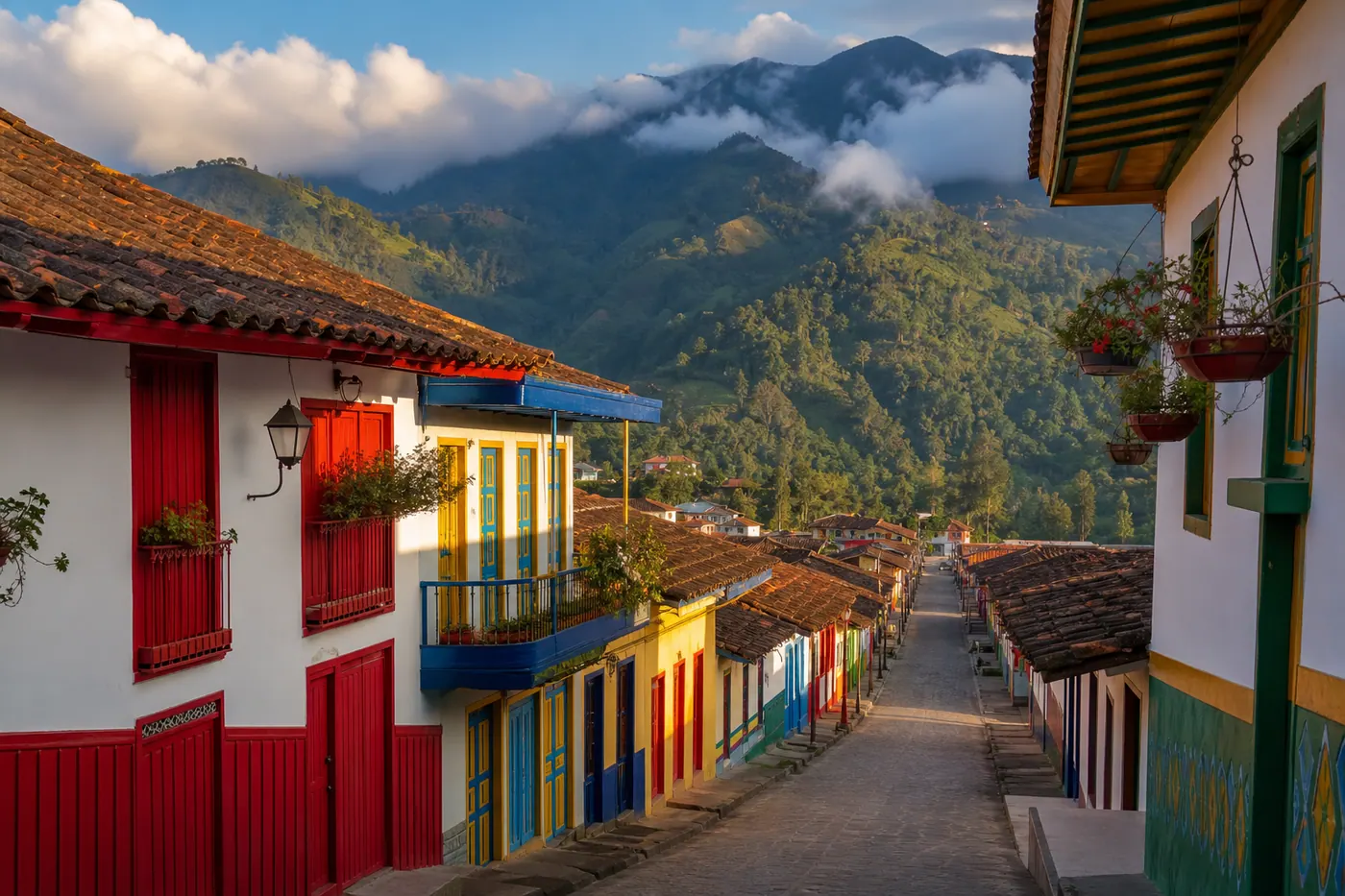
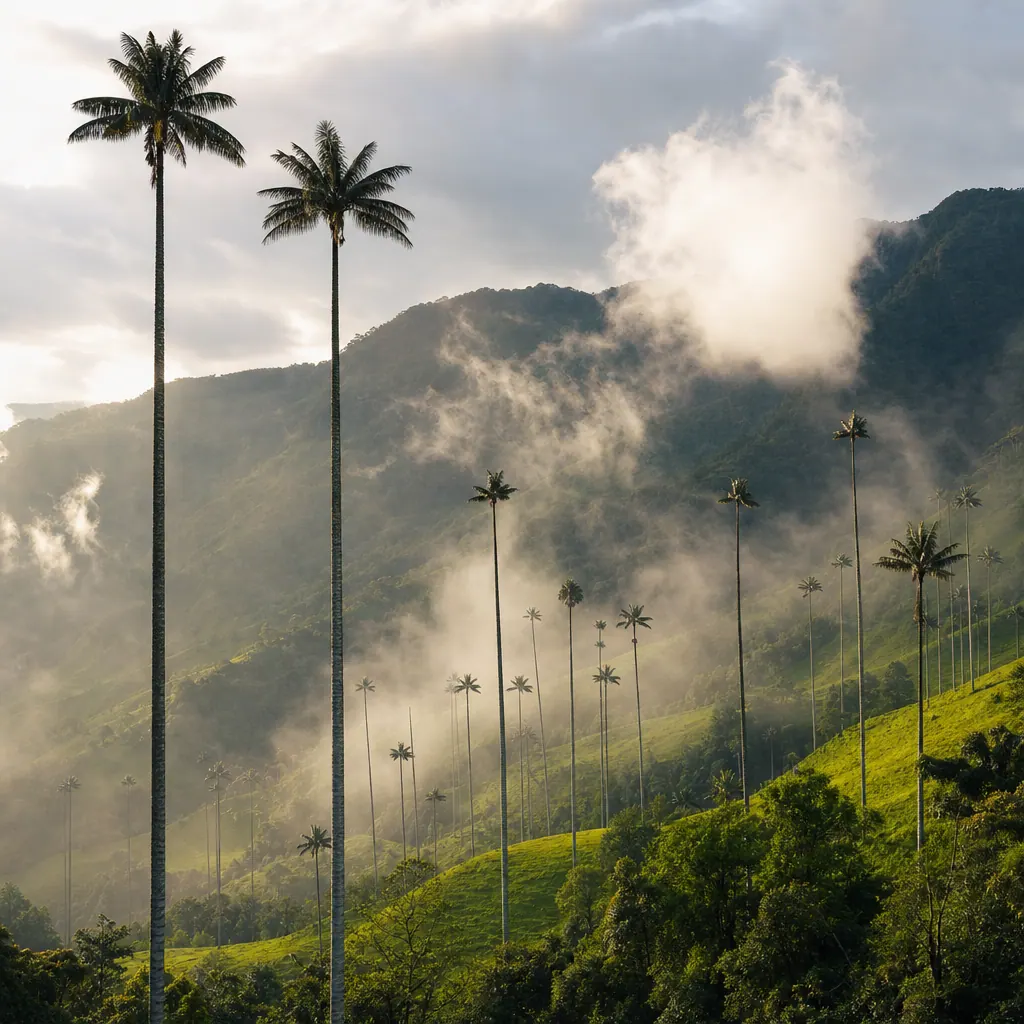
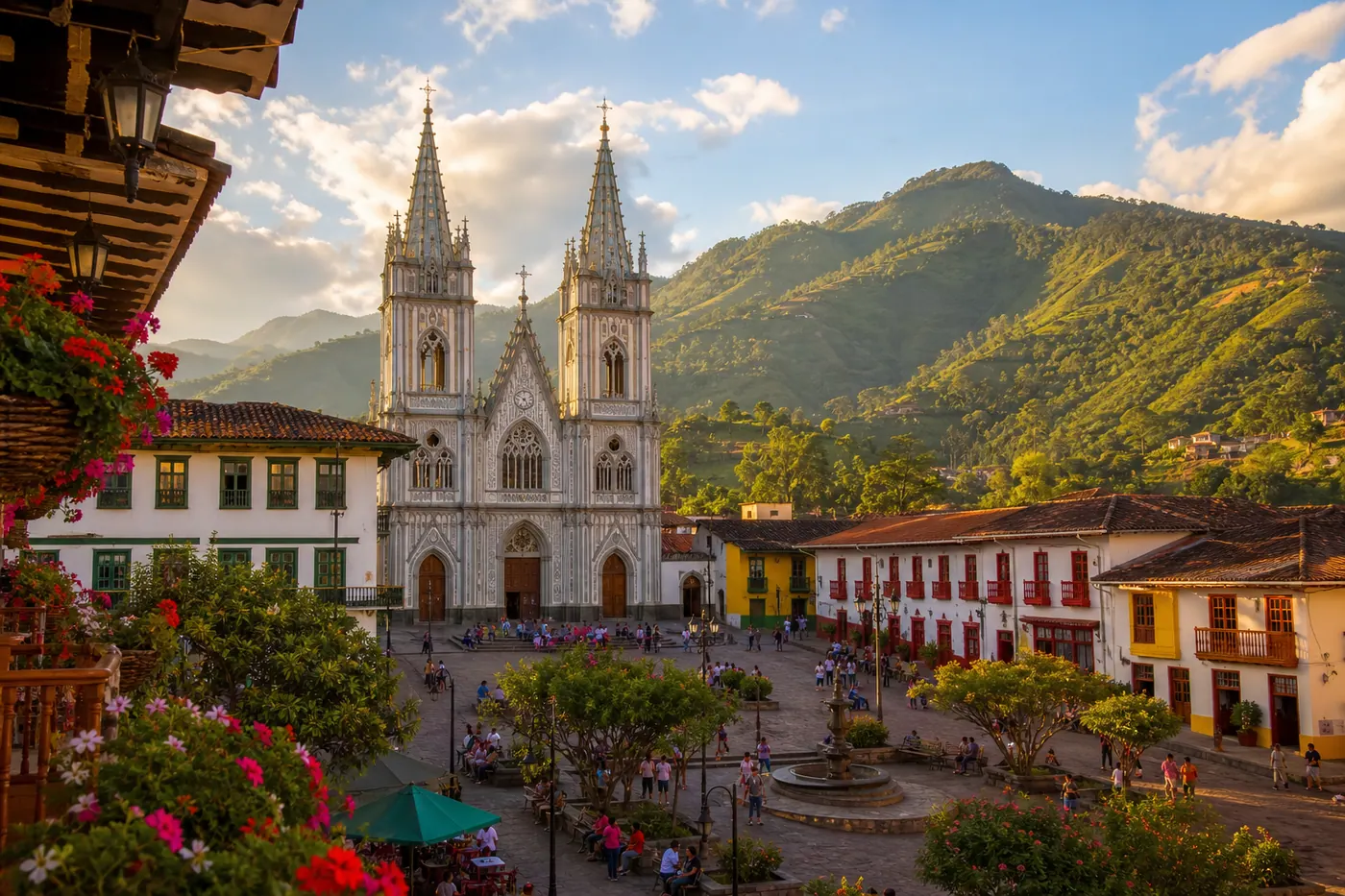
Salento sits at 1,895 meters in the Quindío department, in the heart of Colombia's Eje Cafetero. It's the most visited town in the coffee region, and honestly, the reputation is earned. The main drag (Calle Real) is one long row of candy-colored colonial buildings. Thirty minutes away by jeep, the Cocora Valley has wax palms that grow up to 60 meters tall — Colombia's national tree, towering over a valley so green it looks doctored. That combination is hard to beat.
This guide covers getting there, what to actually do, where to eat well, where to sleep, and — most importantly — when to go and when to avoid the place entirely.
What to Know First
- Getting there: Bus to Armenia (~5 hrs from Bogotá, ~4 hrs from Medellín) then hourly buses to Salento (~45 min, 5,000 COP)
- Don't miss: The Cocora Valley wax palm hike (3.5–5 hrs) — go on a weekday, before 9am
- Best time: June–August or December–March; weekdays only if you want the quiet version
- Daily budget: ~150,000–250,000 COP ($37–62 USD) for comfortable budget travel
- Book ahead: Weekends, long weekends (puentes), and December–January fill up fast
How to Get to Salento
From Medellín, the most practical route is a bus to Pereira (3.5–4.5 hours, depending on traffic) and then a connecting bus or shared jeep to Salento (~50 minutes). Bolivariano and Expreso Brasilia both run frequent departures from Medellín's Terminal del Norte. From Pereira's terminal, minibuses and collectivos to Salento depart regularly for about 10,000–15,000 COP.
From Bogotá, Armenia is your entry point — about 5–6 hours by bus or a short 50-minute flight (from ~$40 USD on Wingo or JetSMART). From Armenia's terminal, buses to Salento leave roughly every hour and cost around 5,000 COP ($1.25). The ride takes about 45 minutes on a winding mountain road.
Once you arrive, Salento itself is completely walkable — the whole center fits within a 10-minute walk. Jeeps to Cocora Valley depart from the main plaza; they leave when full, usually every 20–30 minutes, for 3,500 COP each way.
📖 Keep Reading
Thinking of renting a car to explore the region at your own pace? Here's our guide to renting a car in Colombia as a foreigner.
What to Do in Salento (Besides Cocora)
Most visitors are so focused on the Cocora Valley hike that they miss what makes Salento itself worth a day of attention.
Calle Real
The pedestrian main street runs from the plaza down to the beginning of the residential grid. On weekdays it's relaxed — artisan shops, leather goods, wooden trout carvings (fly fishing is a serious tradition here), and a handful of specialty coffee bars. On weekends it gets busy, but that's also when the street food carts come out: chontaduro cocktails (palm fruit mixed with aguardiente — it tastes like nothing else), buñuelos, obleas with arequipe.
El Mirador
A 15-minute walk from the plaza leads up 249 steps to a lookout point with panoramic views of the town, the valley, and the mountains. Worth doing first thing in the morning before the clouds roll in. Free, no guide needed.
The Weekend Market
Saturday and Sunday mornings, local farmers set up on Plaza Bolívar with cheese, fresh produce, and coffee. You can buy beans roasted that week directly from growers for less than you'd pay at any tourist café. The best cup of coffee I drank in Salento cost 2,000 COP from a woman with a thermos.
The Cocora Valley Hike
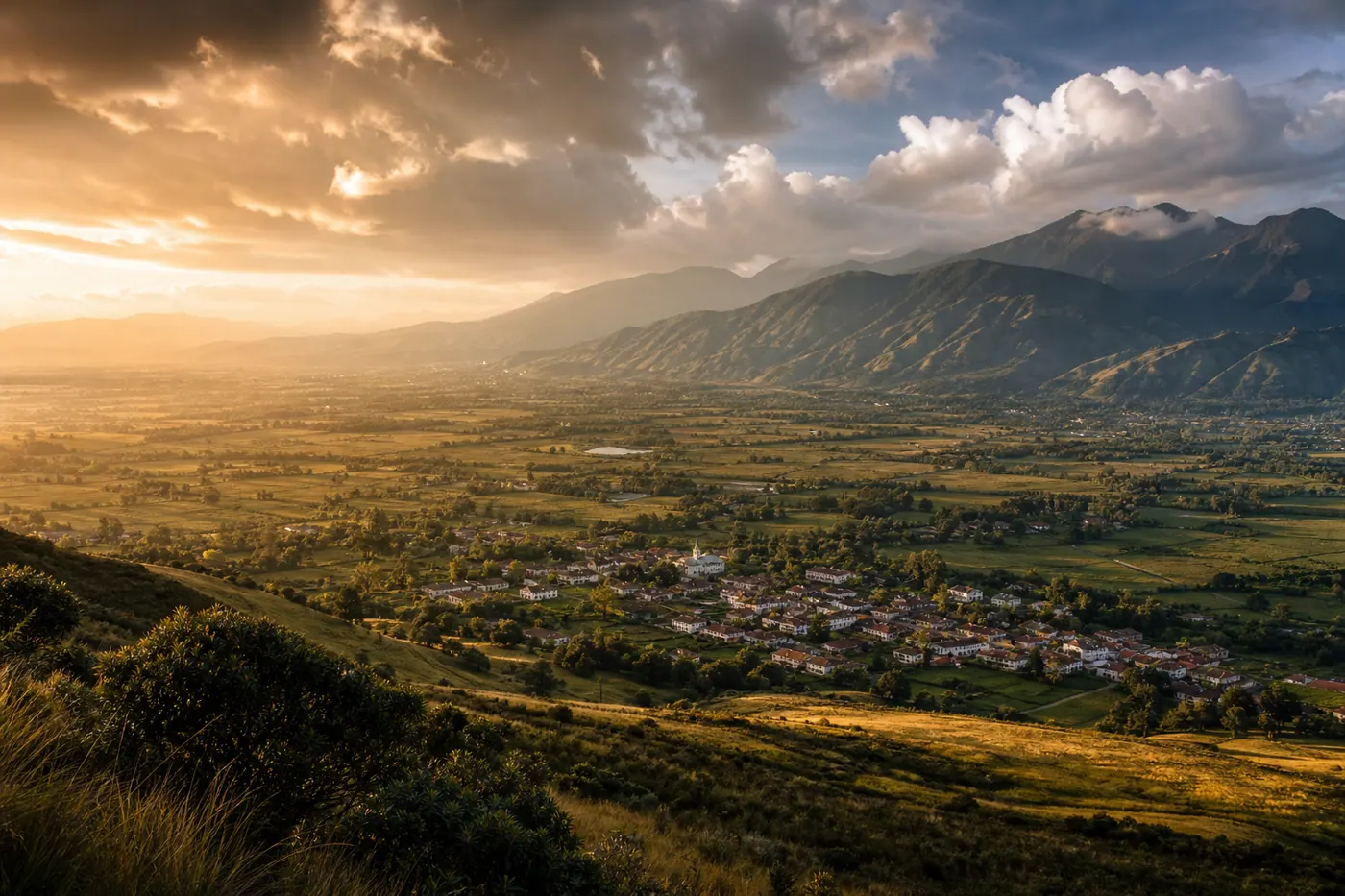
This is the main event, and it's legitimately one of the best hikes in Colombia. The wax palms (Ceroxylon quindiuense) are Colombia's national tree and grow to heights that look physically improbable — some reaching 60 meters. Against a misty green valley at altitude, they're unlike anything else you'll see.
The standard circuit takes 3.5–5 hours and includes a stretch through cloud forest, a hummingbird sanctuary (Acaime), and then the wide open palm valley on the return. A few logistics worth knowing before you go:
- Start early — before 9am if possible. Clouds arrive mid-morning and can obscure the valley entirely by noon.
- Bring waterproof boots or shoes you don't mind getting caked in mud. The forest section gets swampy even in dry season.
- Acaime hummingbird sanctuary: 3,000 COP entrance, includes a cup of hot chocolate. Multiple species of hummingbirds feed there. It's not a tourist trap.
- Jeeps from the main plaza leave when full (~every 20–30 min), 3,500 COP one-way. The 7,000 COP round trip is one of the cheapest entry fees to anything this spectacular.
- Rainy morning doesn't mean a ruined hike — mist through the palms is its own kind of atmosphere. Just don't expect clear-sky views.
One honest note: on a busy weekend, Cocora can feel like a queue at a theme park. Dozens of people, tour groups, traffic on the narrow jeep road. Midweek, it's empty enough that you can stand in the middle of the palm valley and hear nothing but wind.
📖 Keep Reading
Going deeper into the region? Our Eje Cafetero complete guide covers Manizales, Pereira, Armenia, and the hot springs — plus how to plan a full week in the Coffee Region.
Coffee Farm Tours Near Salento
The area around Salento has dozens of working fincas that welcome visitors. The most organized is Finca El Ocaso, about 15 minutes by jeep from town — they run structured tours through the full process: nursery, harvest, depulping, drying, roasting. Tours run 30,000–60,000 COP and take 2–3 hours. Finca La Sirena is smaller and more intimate if you want fewer people around.
The key thing to look for in any tour: is the guide an actual farmer, or someone reading from a script? The good farms will let you pick cherries, explain varietals, and serve you coffee that was roasted within the last two weeks. If the tour is 45 minutes and the coffee comes from a bag, walk away.
📖 Keep Reading
Not sure which farm tour to pick? Our guide to coffee farm tours in Colombia covers how to tell a good tour from a tourist trap, and which farms near Salento are worth your time.
Where to Eat
Trucha — river trout — is the regional dish, and it's genuinely excellent here. The fish is farmed locally in cold mountain streams, and most restaurants serve it grilled or pan-fried with patacones (fried plantain), white rice, and a simple salad. Budget 25,000–45,000 COP for a proper trucha dinner. Restaurante Balcones de Ayer on the main strip does a solid version with a view.
For cheaper eating, any local comedor (the hole-in-the-wall lunch spots away from Calle Real) will do a three-course comida corriente for 15,000–18,000 COP — soup, main, juice. That's the real local price, not the tourist-facing menu.
Specialty coffee: Café Jesús Martín near the plaza takes the coffee seriously and has staff who can actually explain what you're drinking. Order the pour-over. The local heladería (ice cream shops) are worth stopping at for unusual flavors — lulo, maracuyá, guanábana.
One thing to avoid: the restaurants on the busiest stretch of Calle Real that have someone standing outside aggressively waving menus at pedestrians. Not a good sign anywhere, and doubly not here.
Where to Stay
Budget travelers are well served in Salento. Most hostels charge 60,000–100,000 COP per dorm bed and 120,000–200,000 COP for a private room. The quality varies a lot — read recent reviews before booking because places turn over quickly.
Mid-range options in the town center run 200,000–350,000 COP for a private room with a private bathroom. These are fine if you want comfort without leaving the action.
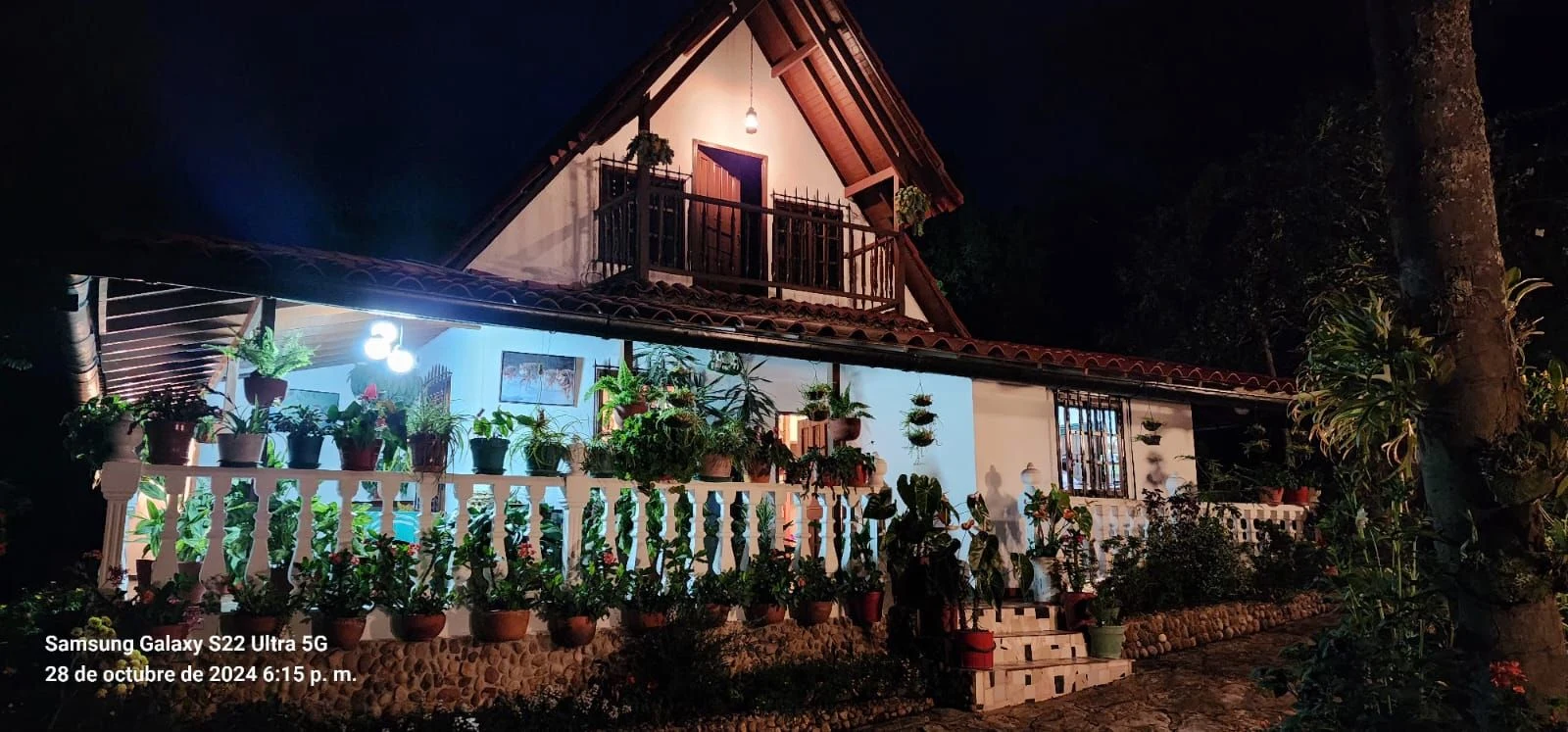
The best experience in the Salento area, though, is staying at a finca outside of town. You're waking up surrounded by coffee plants in the Andean hills, often with breakfast included (and sometimes dinner). Prices range from 300,000–600,000 COP per night. Some of these are accessible by jeep or 20-minute walk from town. They're worth the premium if you have even one night to spare.
Book ahead. This can't be stressed enough. Salento has limited accommodation relative to demand on weekends, long weekends, Christmas week, and January. Show up without a booking on a Saturday and you might be sleeping in Armenia.
When to Go (and When Not To)
The dry seasons run December–March and June–August. For the Cocora Valley hike specifically, you want clear skies, which means dry season on a morning with no cloud cover — that combination is most reliably available June–August. December and January are also dry but much more crowded.
The rainy seasons (April–May and September–November) are workable — the green gets even more intense and the palms look dramatic in mist — but you're gambling on visibility for the hike. Pack rain gear regardless.
Timing matters more than season for Salento. The difference between a Tuesday in June and a Saturday during a puente (Colombian long weekend) is the difference between a peaceful mountain town and a weekend festival crowd. Both are valid experiences, but know what you're getting into. If you want the quiet version: weekdays, shoulder season, non-December.
Salento Budget Breakdown
| Item | COP | USD (approx.) |
|---|---|---|
| Dorm bed (hostel) | 60,000–100,000 | $15–25 |
| Private room (budget) | 120,000–200,000 | $30–50 |
| Comida corriente (lunch) | 15,000–20,000 | $4–5 |
| Trout dinner (restaurant) | 25,000–45,000 | $6–11 |
| Jeep to Cocora (round trip) | 7,000 | ~$1.75 |
| Acaime hummingbird sanctuary | 3,000 | ~$0.75 |
| Coffee farm tour | 30,000–60,000 | $7–15 |
| Craft beer (local) | 8,000–12,000 | $2–3 |
Exchange rate approx. 4,100 COP per USD. Prices as of mid-2026.
Frequently Asked Questions
❓ Is Salento worth visiting in Colombia?
Yes — it's one of the most visually striking small towns in Colombia, and the Cocora Valley hike is genuinely world-class. The main caveat is timing: weekdays in off-peak season are completely different from a busy long weekend. If you can control when you go, the answer is absolutely yes.
❓ How many days should I spend in Salento?
Two full days covers the essentials: one day in the town itself and one day for the Cocora Valley hike. Three days lets you add a coffee farm tour and possibly a day trip to nearby Filandia. More than three days and you'll run out of things to do unless you're using it as a slow-travel base.
❓ Is Salento safe for tourists?
Yes, Salento is considered one of the safer tourist towns in Colombia. The main risks are the usual petty stuff — pickpocketing in crowds, phone theft on busy weekends. Keep valuables close on Calle Real on Saturday afternoons. The Cocora Valley trail itself is safe; you're unlikely to encounter any serious issues.
❓ Can I do Salento as a day trip from Medellín?
Technically yes, but it makes for a brutal day — 8+ hours of bus travel for a few hours on the ground. You'd miss the Cocora Valley, which is the main reason to go. Far better to plan one night minimum. From Bogotá, a day trip to Salento is essentially impossible given the distances involved.
❓ Do I need a guide for the Cocora Valley hike?
No guide needed — the trail is well-marked and heavily used. The route is a loop and hard to get seriously lost on. That said, if you want to add a more rugged extension into the cloud forest beyond Acaime, a local guide is worth it. The hummingbird sanctuary staff can often point you toward guides for the extended trails.
🇨🇴 Planning a longer stay in Colombia?
Whether you're looking for short-term rentals in the coffee region or want to explore what's available near Salento and the Eje Cafetero, the Colombia Move marketplace has free listings from local owners — no agents, no fees.
Browse Rentals →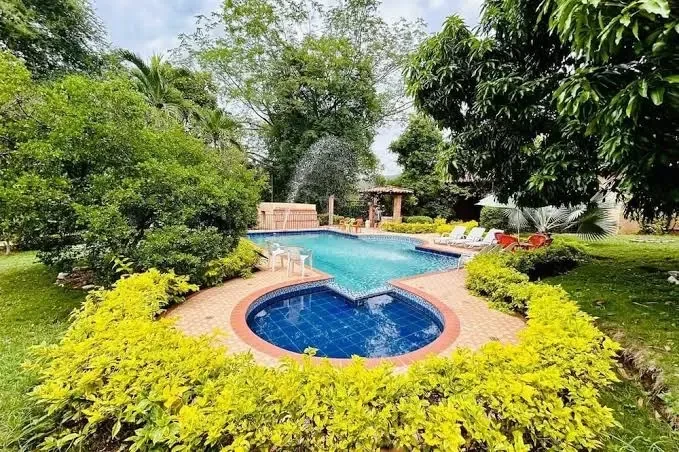
Comments
Loading comments...
Checking sign-in status...