
Renting a Car in Colombia: What Foreigners Actually Need to Know
Everything you need to rent and drive in Colombia as a foreigner — licenses, costs, insurance, and when it's worth it.
IDIOMA DEL ARTÍCULO
Showing original language
The first car I rented in Colombia was from a Budget counter at Bogotá's El Dorado airport. I had a week in the Coffee Region planned — Salento, Armenia, the Valle del Cocora — and the bus connections between those towns are workable but slow. A rental unlocked the whole trip. Three days later I was winding a Chevrolet Sail up a dirt road to a finca in Quindío, paying 1,800 COP per liter for fuel, wondering why I hadn't done this years earlier.
Driving in Colombia gets flagged as risky by people who knew the country in a different era. It's genuinely not the same country. The main intercity roads are paved and maintained, the toll system is functional, and Waze handles Colombian roads better than it does in a lot of U.S. cities. The real challenges are urban traffic — don't rent a car just to drive around Bogotá, Uber exists for a reason — and occasional unpaved secondary roads heading into mountain communities. If you want to see real-world options right now, you can browse farms and rural land for sale on Colombia Move — posting is completely free.
This guide covers the practical side: what documents you actually need, which companies operate here, what it costs, and how to avoid the mistakes that turn a fun road trip into a paperwork headache.
What to Know First
- Your foreign driver's license is valid for renting in Colombia (for stays under 3 months)
- Most rentals cost 100,000–220,000 COP/day ($25–55 USD) including basic insurance
- A credit card is required — most companies won't accept debit
- International Driving Permit (IDP) is rarely checked but helps avoid counter friction
- Pico y placa traffic restrictions in Bogotá and Medellín apply to rental cars too
Can You Rent and Drive in Colombia With a Foreign License?
Yes. If you entered Colombia as a tourist or on a temporary visa, your valid home-country driver's license is legally recognized for driving here. Colombia does not require an international driving permit (IDP) for tourists — your actual license is the document.
That said, some smaller rental operators will ask for one, and it occasionally prevents friction at the counter. The major international chains (Hertz, Budget, Avis, Europcar, Enterprise) consistently accept a valid foreign license with your passport. If you're planning multiple rentals or want zero hassle, pick up an IDP from AAA or your country's equivalent before you travel — it costs around $20 USD and takes 10 minutes. I've rented in Colombia without one without issue, but the peace of mind has a price.
One important caveat: if you've been in Colombia longer than three months, Colombian law requires you to obtain a local driver's license to operate a vehicle. The three-month clock resets on a new entry stamp. If you're a longer-term resident, the full process is covered in the driver's license guide for foreigners.
What You Need at the Rental Counter
Show up with these:
- Valid foreign driver's license — the physical card, not a photo on your phone
- Passport — and sometimes the entry stamp showing your arrival date
- Credit card in your name — most companies require Visa or Mastercard; AmEx works at some counters; debit is a hard no at most chains
- Age: minimum 21–25 depending on company; under-25 drivers typically pay a 20,000–40,000 COP/day surcharge
The credit card deposit hold is the thing that catches people off guard. Most companies block 1,000,000–3,000,000 COP ($250–750 USD) on your card for the damage deposit — even if you have CDW coverage, even if your card includes rental insurance. Know this before you arrive so you're not short on available credit for the rest of your trip.
Which Rental Companies Actually Operate in Colombia
Colombia has a good mix of international chains and solid local operators.
International Chains
Hertz, Budget, Avis, Europcar, Enterprise, and Sixt all operate in Colombia's main airports: El Dorado (Bogotá), José María Córdova (Medellín/Rionegro), Alfonso Bonilla Aragón (Cali), and El Dorado de Barranquilla. All maintain city offices too. For Americans especially, matching your existing loyalty program to Enterprise or Hertz is easy. Online booking through these chains almost always beats walk-up pricing by 30–50%.
Local Operators
Localiza (originally Brazilian, well-established in Colombia) is frequently the cheapest option and has good coverage at airports and in cities. Dollar Colombia — not affiliated with the international Dollar brand — is a local operator with decent city-center rates. Both are worth checking if the international chains are running high. Localiza occasionally accepts debit cards with a higher cash deposit, which matters if you're traveling without a credit card.
For airport pickups, I'd book in advance. The difference between an online reservation and walking up to the counter is often 40,000–60,000 COP per day on the same category. One-way rentals (pickup in Bogotá, return in Cali) are possible but come with a significant drop fee — usually 150,000–250,000 COP extra. If you're planning a multi-city drive, build that cost into your budget.
What It Actually Costs
Here's a realistic breakdown for a standard economy car rental (think Chevrolet Sail, Renault Logan, or Suzuki Alto — these are the workhorses of Colombian rental fleets):
| Cost Item | Typical Range |
|---|---|
| Daily rental rate (economy car) | 100,000–180,000 COP ($25–45 USD) |
| SOAT (mandatory insurance) | Usually included in rate |
| CDW / damage waiver | 30,000–70,000 COP/day extra |
| GPS rental (optional — use Waze) | 25,000–40,000 COP/day |
| Fuel (economy car, ~400 km/week) | 130,000–160,000 COP |
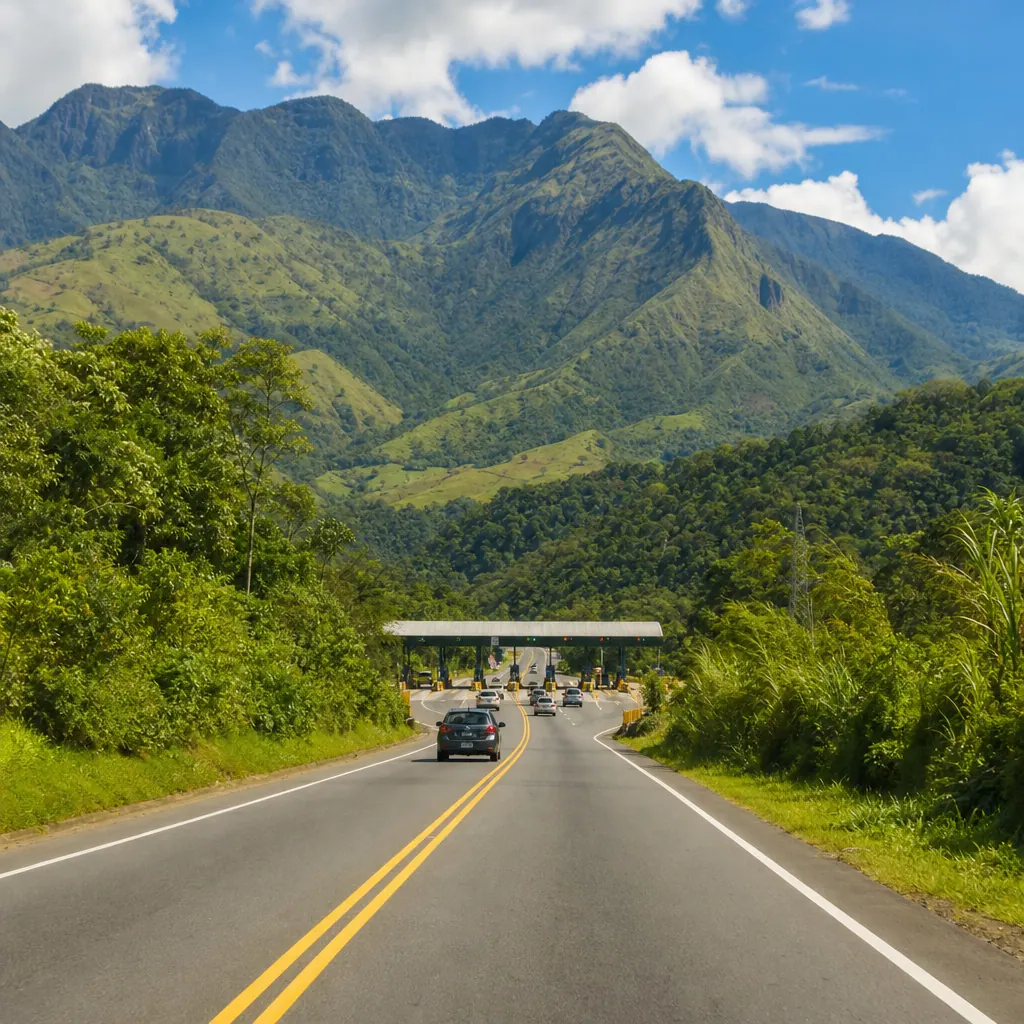
| Tolls (e.g., Bogotá to Coffee Region) | 40,000–70,000 COP each way |
The SOAT (Seguro Obligatorio de Accidentes de Tránsito) is Colombia's mandatory accident insurance. It's almost always included in the listed rental price and covers bodily injury to third parties. What it does NOT cover: damage to the rental car itself or the other vehicle. That's what CDW (collision damage waiver) handles.
My honest take: take the CDW. At 30,000–50,000 COP per day, it's cheap insurance against a rental-return dispute that can tie up your deposit for weeks. If you do dent something — a parking lot scratch, a pothole-induced wheel issue — handling it without coverage means dealing with insurance adjusters and a claim process entirely in Spanish. Not worth the hassle. The one exception: if your home credit card includes comprehensive rental car insurance for Colombia, and you've confirmed it with your card issuer, you can reasonably skip the company's CDW. Just verify the coverage first — not all cards cover Colombia, and some require you to decline the company's CDW to activate the card benefit.
On travel insurance: If you're renting a car, check whether your travel insurance policy covers rental vehicle accidents. SafetyWing is a popular option for long-term travelers in Colombia — their Nomad Insurance covers emergency medical but not vehicle damage, so confirm what your own card or policy provides before you skip the rental company's CDW.
Tips for Not Getting Burned
Inspect every centimeter of the car before you leave the lot. Photograph every scratch, dent, and ding with timestamped photos before driving away. The contract has a damage diagram where existing damage should be marked — review it carefully and add anything that isn't already noted. This two-minute step has saved me from bogus return-damage charges more than once.
Pico y placa restrictions apply to rental cars. In Bogotá and Medellín, certain license plate numbers are barred from city driving during weekday rush hours. You won't know your plate number until you pick up the car, so check it immediately and cross-reference the schedule. The full pico y placa guide for both cities breaks down exactly how the restrictions work and what the current rotation is.
Full-to-full fuel policy is standard — you receive the car full and return it full. Skip any 'prepay fuel' option; you'll almost certainly lose money unless you return on empty, which never happens. Returning late triggers a full extra day's charge after 30–60 minutes past your return time. If you're dropping off at an airport for an early flight, confirm the off-hours return procedure when you pick up.
Skip the GPS rental and just use Waze. At 25,000–40,000 COP per day, it's an unnecessary cost when Waze handles Colombian roads better anyway — it shows real-time alerts for speed bumps (policías acostados), road conditions, and toll booth locations. Download it before you leave so you're not doing it on spotty airport WiFi.
When Renting Actually Makes Sense
Renting is genuinely worth it for:
- The Coffee Region (Eje Cafetero) — Salento, Armenia, Filandia, and the surrounding fincas. Towns are close but buses between them are infrequent and rural access roads aren't serviced by ride-hail apps.
- Villa de Leyva and Boyacá — the town itself is walkable but the waterfalls, prehistoric sites, and surrounding pueblos require wheels.
- Santa Marta to Tayrona, Palomino, and the Sierra Nevada region — Uber works in Santa Marta proper but stops at the city edge.
- Any rural finca stay where your luggage won't fit in a mototaxi and the access road isn't on Google Maps.
Don't bother for:
- Pure Bogotá trips — Uber and Cabify are cheap and everywhere; parking in Bogotá is expensive and annoying; traffic is genuinely brutal.
- Medellín city-only stays — the metro and cable car system is excellent, and Uber covers the gaps.
- Cartagena — the old city is small, taxis are abundant, and parking in the centro histórico is a problem you don't need.
The honest question before renting: will any of my destinations require going somewhere a ride-hail app can't reach? If yes, rent. If all your stops are in urban centers or obvious tourist areas, you probably don't need it — and the intercity bus guide and Uber/InDriver guide cover the alternatives.
📖 Keep Reading
Deciding between driving, flying, or busing? These guides cover your other options:
Frequently Asked Questions
❓ Do I need an international driving permit (IDP) to rent a car in Colombia?
Not legally — Colombian law allows tourists to drive with a valid foreign license for up to three months. In practice, the major international chains (Hertz, Budget, Avis, Europcar) will accept your home country license. Smaller local operators sometimes ask for an IDP. Getting one before you travel costs around $20 USD and takes about 10 minutes at an AAA office; it eliminates any counter friction and is worth the hassle if you're planning to rent frequently.
❓ Can I take a Colombian rental car across the border to Ecuador or Panama?
No. Almost every rental contract explicitly prohibits taking the vehicle out of Colombia. Attempting it will void your insurance and put you in breach of contract. If you're doing a cross-border trip, you'll need to arrange a one-way rental to the border crossing and then pick up a separate vehicle on the other side.
❓ What happens if I get in an accident in a rental car?
Contact the rental company's 24-hour assistance line immediately — the number is on your rental contract. In Colombia, you're required to call the traffic police (Tránsito) for any accident with injuries or significant damage, and do not move the vehicles until they arrive. The SOAT covers bodily injury to third parties. The CDW covers vehicle damage. If you declined CDW, the repair cost comes out of your deposit — and sometimes more. Document everything with photos before anyone moves.
❓ Does pico y placa apply to rental cars?
Yes. Pico y placa restrictions apply to all vehicles by license plate number — rental cars included. You won't always know your plate in advance when booking online, so check the last digit when you pick up the car and cross-reference with the restriction schedule for that week. I've written a full guide covering both Bogotá and Medellín restrictions.
❓ Are there hidden fees I should watch out for?
A few to know: airport pickup fees are common (5,000–20,000 COP surcharge), returning the car late triggers a full extra day's charge after 30–60 minutes, and additional drivers usually cost 20,000–35,000 COP/day to add. Some companies charge for road assistance even when it's technically 'included' if the problem was driver error. Read the fine print on the CDW exclusions — off-road driving, tire damage, and windshield damage are frequently excluded from standard coverage.
Renting from a private owner instead? Our Spanish guide Cómo alquilar tu carro o moto en Colombia covers what the contract should say, who pays photo-radar fines and how to find owner rentals on Colombia Move.



Comments
Loading comments...
Checking sign-in status...