
Vet Care in Colombia: Finding a Vet, Costs & What Pet Owners Need to Know
Vet care in Colombia costs a fraction of what you pay back home — but knowing where to go, what to expect, and what tropical preventive care your pet needs makes all the difference.
IDIOMA DEL ARTÍCULO
Showing original language
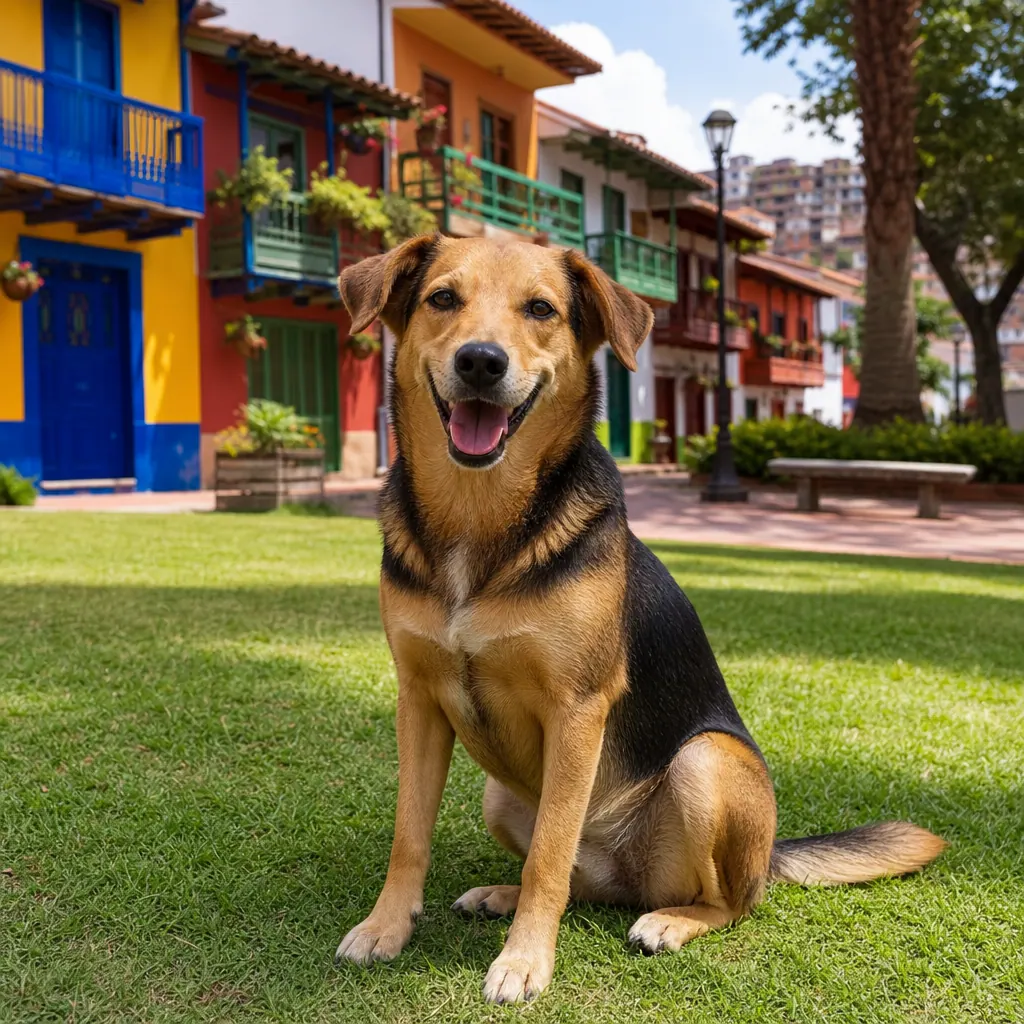
A friend of mine had a scare with her rescue mutt six weeks after moving to Envigado. He'd eaten something at the park and was lethargic, vomiting by evening. She was frantically googling 'emergency vet Medellín' while trying to call numbers she didn't fully understand. The good news: there was a 24-hour clínica veterinaria twenty minutes away. They handled it quickly. The whole bill came to around $80 USD. The stressful part was entirely avoidable — she'd never thought to scout out a vet before she needed one.
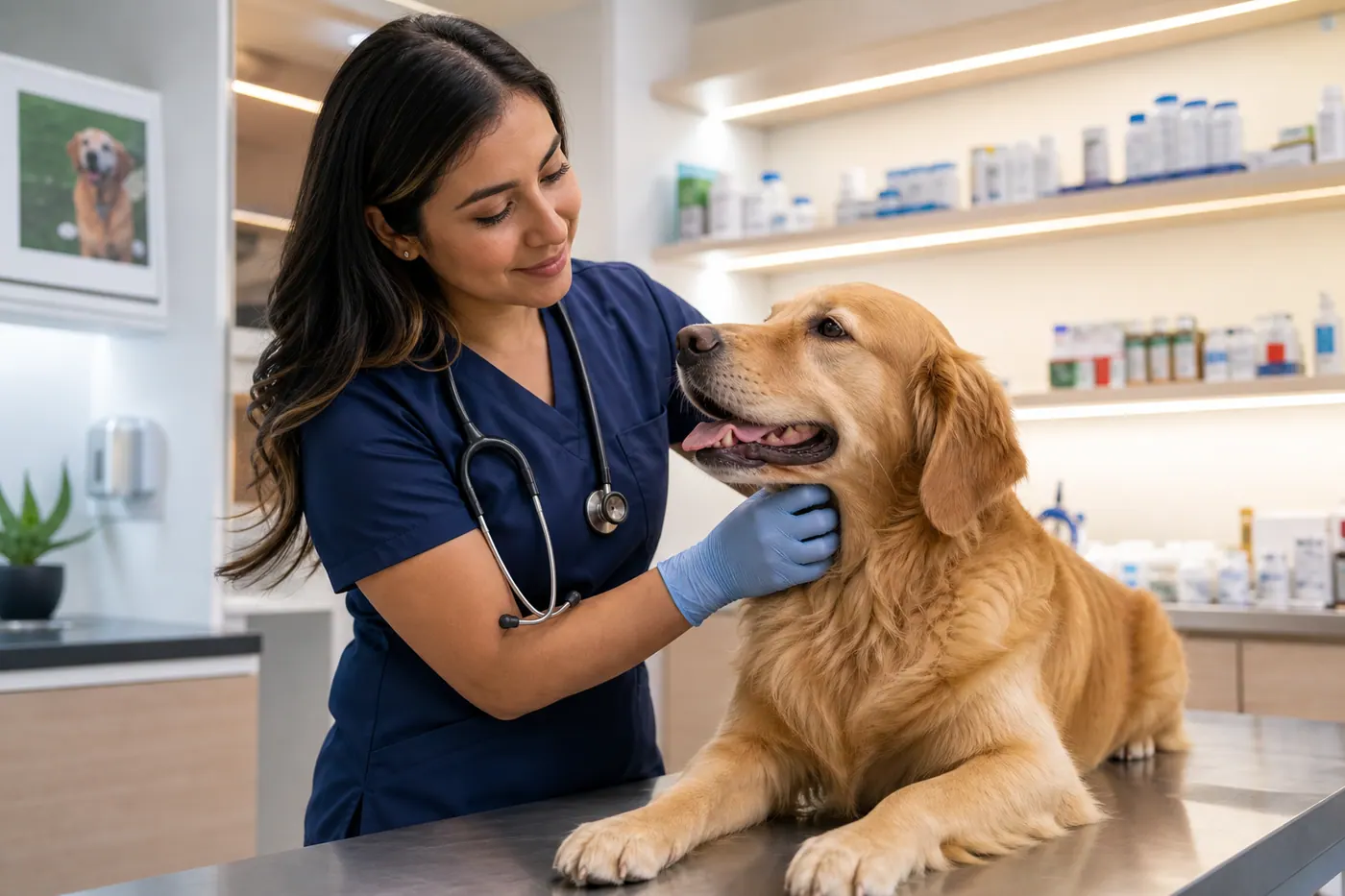
Vet care in Colombia has improved significantly over the past decade, especially in larger cities. There are trained veterinarians, well-equipped clinics, and in most urban areas, emergency services available around the clock. It won't feel exactly like your regular vet back home, but the quality in established neighborhoods is solid — and the costs are a fraction of what you're used to. If you want to see real-world options right now, you can post your services for free on Colombia Move — posting is completely free.
If you moved here with a pet, just adopted one locally, or are planning to, here's what you actually need to know about getting ongoing care in Colombia.
🐶 What to know first
- Vet consultations cost 35,000–80,000 COP (~$8–20 USD) — a fraction of what you pay back home
- Annual rabies vaccines are offered free at municipal campaigns several times a year
- 24-hour emergency vets (clínicas 24 horas) exist in Medellín, Bogotá, and Cali
- Heartworm prevention is year-round in Colombia — don't skip it because you think it's seasonal
- Most vets don't speak English, but a few key Spanish terms are enough to communicate
What Vet Care Looks Like Here
Colombia has two broad tiers of veterinary care. On one end, you have the small neighborhood 'veterinaria' — often a one-room shop run by a solo vet who also sells pet food, flea treatments, and collars. These are everywhere, usually affordable, and fine for routine needs like deworming, vaccines, or a quick check on a minor issue. On the other end, you have full-service clínicas veterinarias with surgery rooms, lab equipment, X-ray, ultrasound, and sometimes specialties like dermatology or internal medicine.
The quality of the latter has genuinely surprised many expat pet owners. Medellín in particular has several clinics that rival what you'd find in a mid-sized US city. A few Colombian vets have trained internationally or completed residencies in veterinary specialties. They're also not trying to upsell every test under the sun, which I appreciate.
Outside major cities, the picture changes. In rural areas and smaller towns, you might find one generalist vet covering a large area, or just the neighborhood shop-style setup. If you're moving to the countryside with pets, do your homework before arrival — find the nearest well-equipped clinic, because routine care is doable locally but a genuine emergency may require a drive.
What You'll Actually Pay
This is usually the part that makes expats do a double-take — in a good way. Here's a realistic breakdown based on what clinics in Medellín, Bogotá, and Cali are currently charging:
| Service | COP | USD (approx.) |
|---|---|---|
| Basic consultation | 35,000–80,000 | $8–20 |
| Rabies vaccine | 25,000–50,000 | $6–12 |
| Core vaccine combo (dog) | 45,000–90,000 | $11–22 |
| Spay/neuter (small dog or cat) | 120,000–300,000 | $30–75 |
| Spay/neuter (large dog) | 250,000–500,000 | $62–125 |
| Dental cleaning (scaling) | 200,000–500,000 | $50–125 |
| Full blood panel | 80,000–200,000 | $20–50 |
| X-ray | 80,000–200,000 | $20–50 |
| Emergency after-hours consult | 100,000–250,000 | $25–62 |
| Monthly flea/tick prevention | 30,000–70,000 | $7–17 |
A few things to know: prices in El Poblado, Usaquén, or other higher-end neighborhoods skew toward the top of those ranges. Local neighborhood vets are usually at the lower end. Emergency clinics charge a premium for after-hours consultations — typically 100,000–150,000 COP extra on top of treatment costs. Payment is usually cash or card; Nequi is accepted at many clinics.
Finding a Good Vet in Your City
The simplest method is Google Maps — search 'clínica veterinaria' plus your neighborhood name and look for places with 4+ stars and recent reviews. Read the Spanish reviews for specifics on wait times and how the staff treated the animal.
Medellín: Envigado, Laureles, El Poblado, and Sabaneta all have well-regarded clinics. The concentration in Laureles and Envigado is particularly high — you'll rarely need to travel more than 15 minutes.
Bogotá: Usaquén, Chapinero Alto, and the Zona Rosa area have reliable options. Bogotá also has several veterinary hospitals with specialists if you have a dog or cat with a chronic condition that needs ongoing expert care.
Cali: Granada and San Fernando have solid clinics. Cali is slightly more limited on specialist options than Medellín or Bogotá, but routine and emergency care is well covered.
The best way to find one you trust? Ask other pet owners in your building, neighborhood WhatsApp group, or an expat community. One personal recommendation beats a hundred Google reviews.
Emergency Vet Care: Know This Before You Need It
24-hour clínicas veterinarias exist in Medellín, Bogotá, and Cali. Search 'veterinaria 24 horas [your city]' on Google Maps now and save the address and phone number in your contacts. Don't wait until midnight with a sick animal to figure this out — the stress of an emergency is bad enough without the logistics scramble.
What to expect: after-hours clinics will charge a surcharge for the emergency consultation. Bring cash as a backup even if you plan to pay by card — systems go down. Speak slowly, use simple Spanish (see vocabulary section below), and if you're genuinely lost, show them the animal and let them assess — a good vet needs to see the patient, not debate with you in a foreign language.
One thing that surprises people: Colombia doesn't have the same liability culture around diagnostic testing that drives up bills in the US. A vet here will often assess clinically first and only run labs if there's a clear reason. That keeps emergency bills manageable. My friend's dog emergency — rehydration, anti-nausea injection, monitoring — came to about 320,000 COP total.
Preventive Care in a Tropical Country
This is where Colombia is genuinely different from temperate climates, and where a lot of expats make preventable mistakes. A few specifics:
- Heartworm is endemic in Colombia — it's transmitted by mosquitoes and common at elevations below about 2,000 meters. This means Cartagena, Santa Marta, the coffee region, and much of Bogotá's lower altitude areas are risk zones. Keep your dog on monthly heartworm prevention year-round. This is not optional.
- Fleas and ticks are year-round in Colombia, not seasonal. Your pet needs monthly flea/tick prevention continuously. Frontline, Advantage, Bravecto, and Seresto collars are all available at vet clinics.
- Leptospirosis vaccine is worth asking about for dogs in Colombia, especially if your dog swims or plays in stagnant water — a bigger risk here than in northern climates.
- Free rabies vaccines: Colombian municipalities run jornadas de vacunación several times a year, offering free rabies vaccines for dogs and cats. These are announced through local government channels and happen in parks and public spaces. Ask your building administration or neighborhood WhatsApp group when the next one is.
- Intestinal parasites are common, especially for dogs that spend time outside. Many vets recommend deworming every 3–6 months here rather than the once-a-year approach common in the US.
Pet Supplies and Food in Colombia
Premium pet food brands are easier to find than many expats expect. Royal Canin, Hill's Science Diet, Purina Pro Plan, and Eukanuba are all stocked at vet clinics and dedicated pet stores (Nutrimascotas and similar chains are in most cities). For budget food, Éxito, Jumbo, and even D1 carry basic dry food options.
Flea treatments, dewormers, ear cleaners, and most standard medications are available at vet clinics and pet pharmacies. Some medications are actually cheaper here than in the US without a prescription — ask your vet directly, because the price difference can be significant. The one thing that's harder to find is specialty prescription diets for specific conditions; if your pet is on a renal or hydrolyzed protein diet, stock up before you move or find a vet who can order directly.
Pet insurance doesn't really exist in Colombia in a meaningful way — it's all out-of-pocket. Given the price levels above, most expats find that building a small emergency fund for pet care is plenty of coverage.
🗣️ Key Vet Spanish (the words you'll actually need)
- Veterinario/a — vet
- Clínica veterinaria — vet clinic
- Consulta — consultation/appointment
- Vacuna — vaccine
- Esterilización / castración — spay / neuter
- Pulgas — fleas | Garrapatas — ticks
- Parásitos intestinales — intestinal parasites (worms)
- Emergencia — emergency
- Está vomitando / tiene diarrea — is vomiting / has diarrhea
- No quiere comer — won't eat
- ¿Habla inglés? — Do you speak English?
Frequently Asked Questions
❓ How much does a vet visit cost in Colombia?
A basic consultation runs 35,000–80,000 COP ($8–20 USD) at most clinics. Emergency after-hours visits add roughly 100,000–150,000 COP to the total. Surgeries and specialist procedures are priced at the higher end of the table above, but still a fraction of comparable US costs.
❓ Do Colombian vets speak English?
Most don't, especially outside of high-end clinics in El Poblado or Usaquén. A few vets in those neighborhoods do speak conversational English. For everything else, the vocabulary block in this guide covers the essential words. You can also use your phone to translate on the spot — vets are generally patient with this.
❓ Is there a 24-hour emergency vet in Medellín or Bogotá?
Yes. Multiple 24-hour clínicas veterinarias operate in both cities. Search 'veterinaria 24 horas' on Google Maps in your specific area. Save the address and phone number in your contacts before you need it — these searches are much less fun at 2am with a sick animal.
❓ Does Colombia offer free rabies vaccines for pets?
Yes. Colombian municipalities hold jornadas de vacunación antirrábica several times a year — free rabies vaccinations in parks and public spaces for dogs and cats. Dates are announced by local governments. Your building administration or neighborhood WhatsApp group usually broadcasts these. The rest of the vaccine schedule (DHPP for dogs, FVRCP for cats) is not free and must be done at a vet clinic.
❓ Are flea and tick treatments available in Colombia?
Yes, widely. Frontline, Advantage, Bravecto, and Nexgard are all sold at vet clinics. Seresto collars are available but harder to find — some vets order them on request. Prices are comparable to or slightly cheaper than US pharmacy prices. Buy at the clinic rather than at a grocery store — the vet-grade formulations are more reliable.
🐾 Pet questions? Ask the community.
Whether you need a vet recommendation in your neighborhood or advice on traveling with a cat, the Colombia Move community has people who've been through it.
Ask a Question →

Comments
Loading comments...
Checking sign-in status...