
Living in Bogotá: The Honest Expat Guide to Colombia's Capital
What it's actually like to live in Bogotá — costs, neighborhoods, altitude reality, transport, and the honest downsides nobody warns you about.
IDIOMA DEL ARTÍCULO
Showing original language
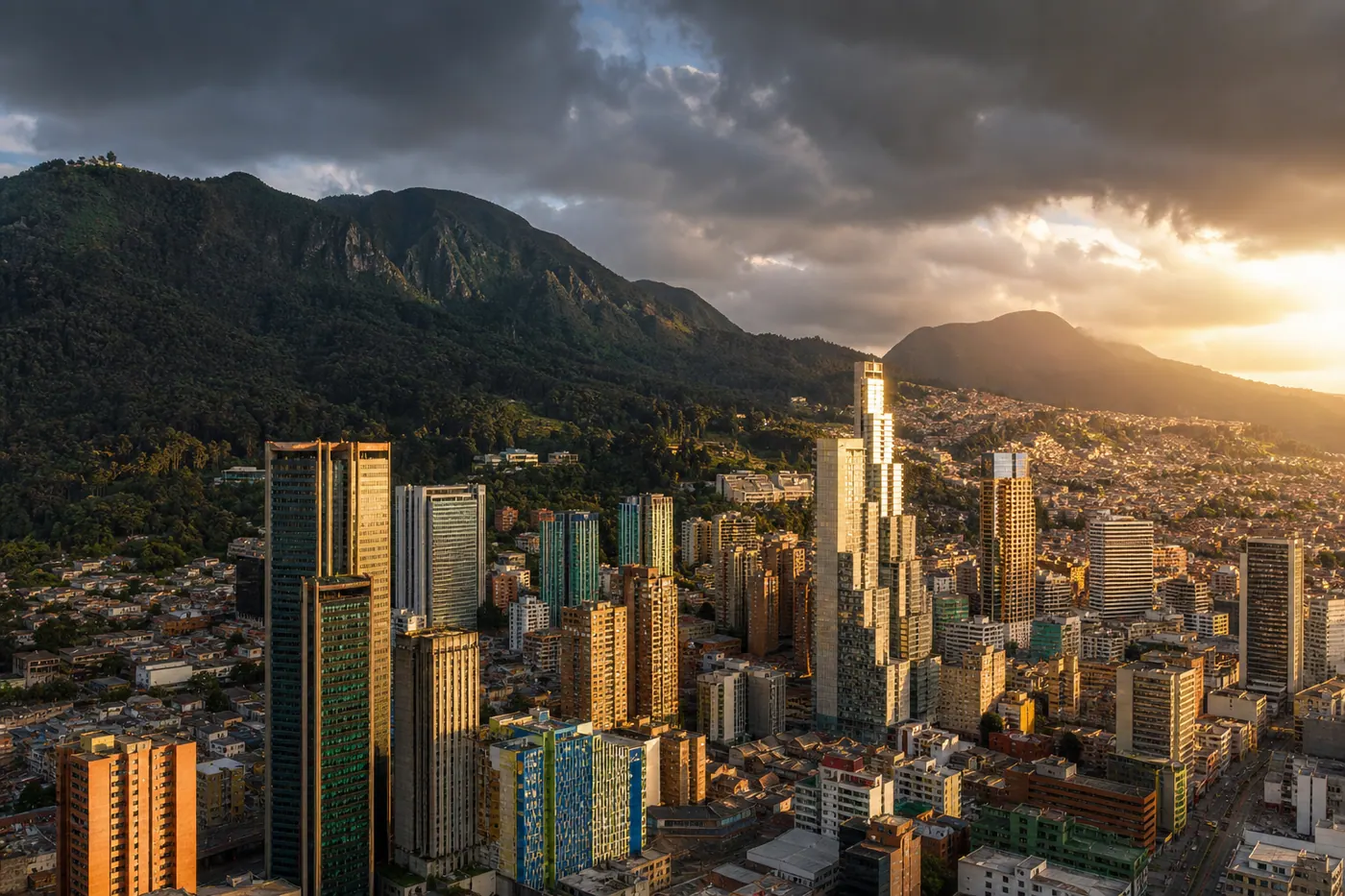
When I tell people I moved to Bogotá, the reaction is usually the same: a slight grimace, followed by 'isn't it dangerous?' or 'why not Medellín?' Three years bouncing between Colombian cities taught me that Bogotá suffers from the worst combination possible — it gets compared to Medellín by people who haven't properly lived in either.
Bogotá is not a city you fall in love with on a first visit. The altitude hits before you leave the airport. Traffic is real. The weather is grey and cool in a way that feels distinctly un-tropical. But somewhere around week three, something shifts. You find the corner café that does perfect tinto. You realize you can walk to a world-class restaurant for under $15. You discover that this is where Colombia does business, food, culture, and intellectual life at a depth no other Colombian city quite matches.
This guide is what I needed before I signed my first Bogotá lease — no 'Bogotá is magical' framing, just what it costs, where to live, how to get around, and what nobody warns you about until you're already committed.
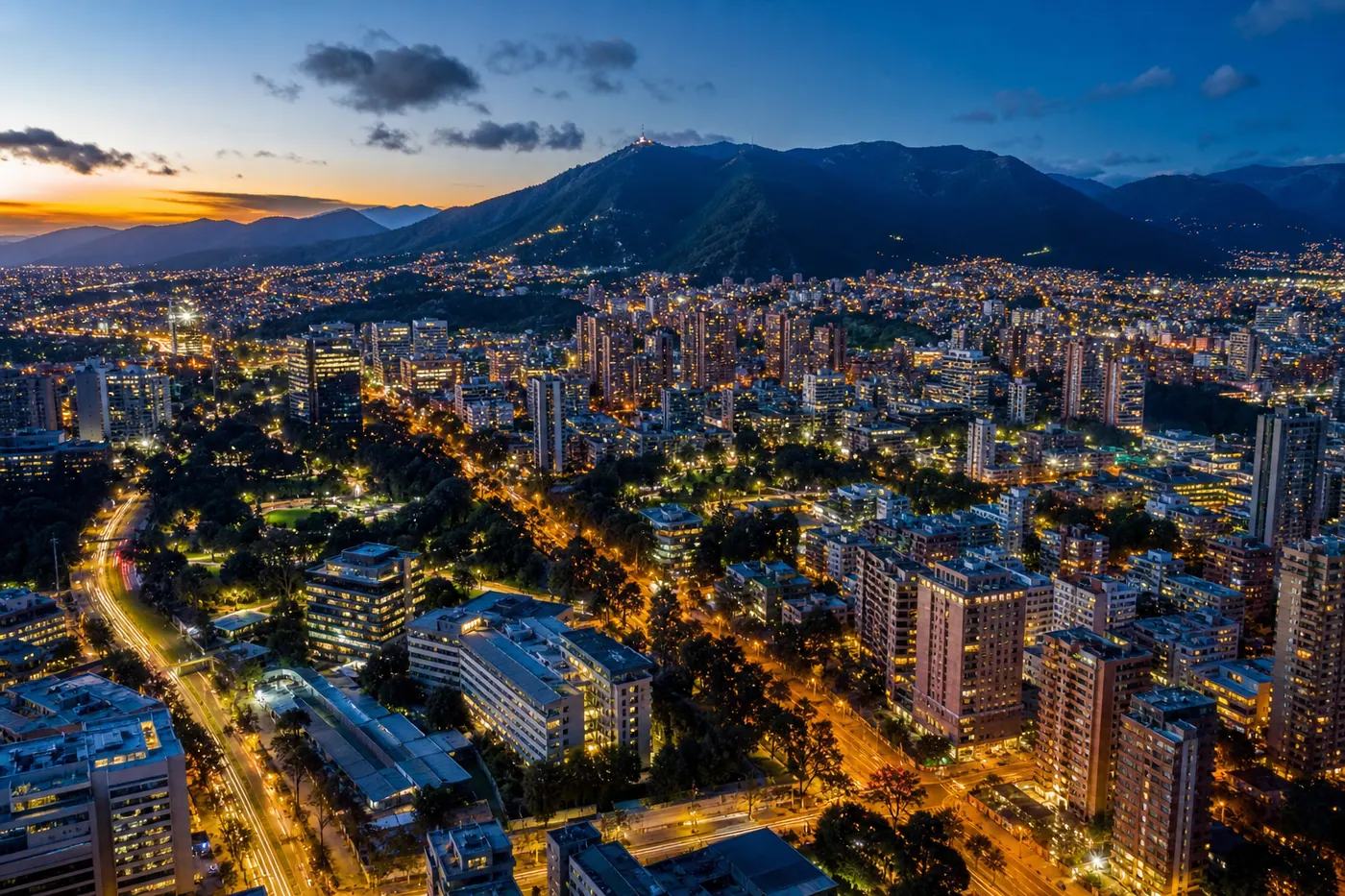
Bogotá at a glance
- Colombia's capital and largest city — 8+ million people
- Altitude: 2,600 m (8,530 ft) — budget 1–2 weeks to acclimatize
- Weather: 7–18°C year-round, cool and frequently overcast — pack layers
- Comfortable expat budget: ~$1,800–2,500/month all-in
- Best areas for expats: Chapinero, Chicó, Usaquén, Teusaquillo
- Transport: TransMilenio BRT + SITP feeder buses + Uber/InDriver
What Living in Bogotá Actually Costs
Forget the $700/month Colombia headlines. Bogotá runs more expensive than Medellín, especially in the expat-friendly northern neighborhoods. Here's what real monthly budgets look like:
Budget tier (~$1,200/month): A studio or shared apartment in lower Chapinero, cooking most meals at home, using TransMilenio for all transport. Entirely workable but you'll feel the edges.
Comfortable tier (~$2,000/month): A one-bedroom in Chapinero or Chicó, eating out a few times a week, occasional Uber rides, gym membership, cultural events. This is the realistic floor for living well without constant mental math.
Premium tier ($3,500+/month): A two-bedroom in Chicó or Usaquén, regular restaurant dinners, app-based transport everywhere, zero budget stress. Standard for corporate expats and business owners.
Key daily benchmarks: a menú del día lunch runs COP 20,000–28,000 ($5–7), a specialty coffee COP 8,000–12,000 ($2–3), a domestic beer COP 8,000–10,000 ($2–2.50), a solid restaurant dinner COP 45,000–80,000 ($12–20) per person. Groceries from Carulla or Éxito are noticeably pricier than Medellín — closer to mid-range US grocery costs than budget-Colombia prices.
For transferring money in, Remitly consistently beats bank wire rates by 2–3% and deposits to a Colombian peso account within hours — worth setting up before you land.
📖 Keep Reading
Average Rent in Bogotá by Neighborhood — what apartments actually cost, neighborhood by neighborhood, with real listings data.
Neighborhoods — Where Expats Actually End Up
Bogotá's core geographic rule: wealthier and safer neighborhoods run north; conditions get rougher heading south. The practical expat zone runs from roughly Calle 40 (lower Chapinero) up to Calle 170 (Usaquén). South of Calle 26 requires more deliberate route choices.
Chapinero is where most expats land first. Walkable, packed with cafés and restaurants, solid transit connections, rent ranging from $450 to $900/month for a one-bedroom depending on exact block. Zona Rosa (around Calle 82 and Carrera 15) is Chapinero's upscale pocket — more expensive, more polished, more touristy.
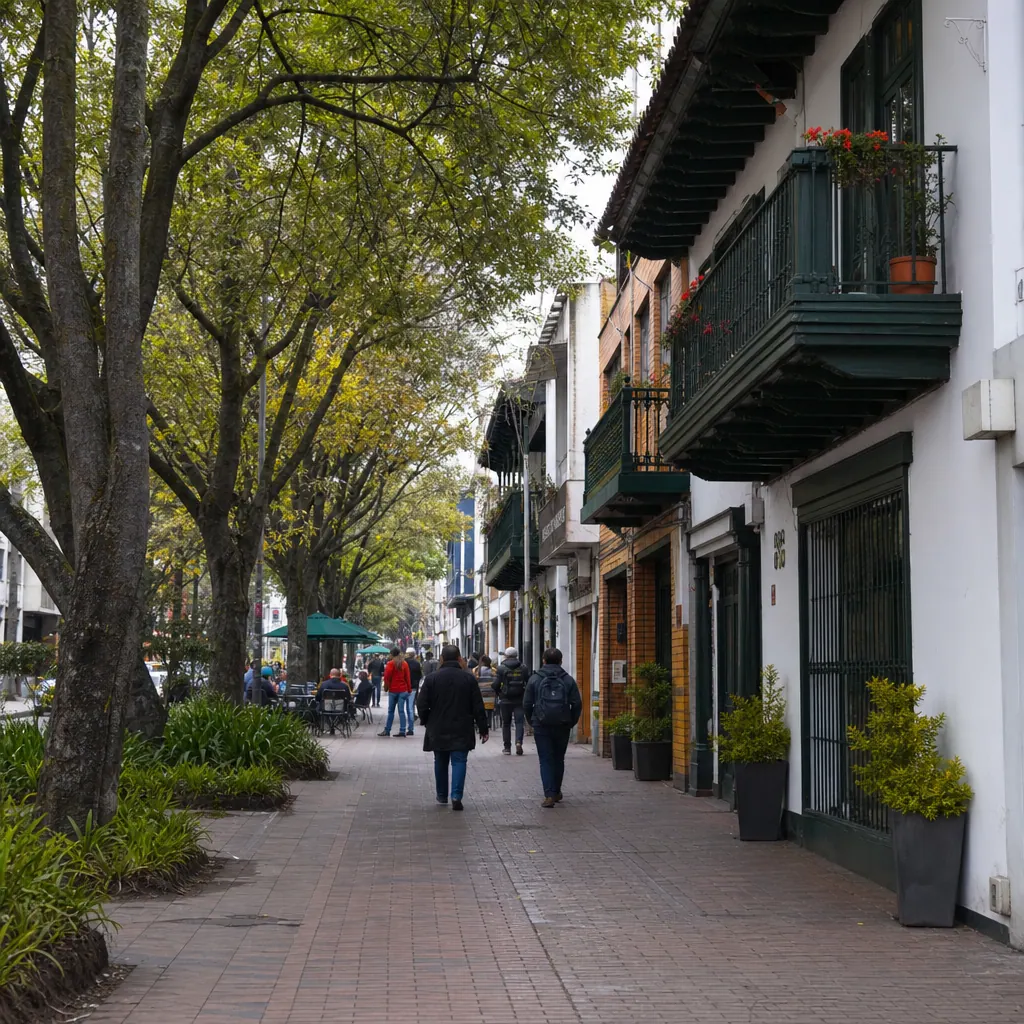
Chicó is quieter and more polished than Chapinero — wider streets, tree-lined sidewalks, slightly older expat demographic, one-bedrooms at $700–1,100/month. Good if you want calm and proximity to the financial corridor without the nightlife noise on weekends.
Usaquén in the far north feels like a colonial town that got absorbed by the city — weekend flea market, low-rise architecture, small-town rhythm. Family-friendly, quieter, and slightly removed from the main expat concentration.
Teusaquillo is the underrated pick. West of Chapinero near the national university, rents are meaningfully lower while neighborhood infrastructure (parks, restaurants, transit) stays solid. Worth a serious look if budget is a real constraint.
📖 Keep Reading
Bogotá Neighborhood Guide: Where to Live as an Expat — full rent prices, safety notes, and who each barrio suits best.
The Altitude Factor — Plan for It, Not Around It
Bogotá sits at 2,600 meters (8,530 feet) above sea level — higher than most Colorado ski resorts. If you're arriving from sea level, the adjustment is real, not just a footnote.
First 48–72 hours: fatigue, a dull headache, possibly mild nausea. Most people function, but slowly. Skip alcohol those first days — it hits harder at altitude and actively slows your body's adjustment.
Week one: cardio capacity drops roughly 15–20%. Walking uphill winds you. Normal, temporary. Don't try to push through with aggressive exercise — let the adjustment happen.
By week two, most people are largely adapted for daily life. Athletic performance takes longer — your body needs 3–6 weeks to build enough additional red blood cells to get back to normal training output. Runners and cyclists should plan accordingly.
One thing that doesn't normalize for everyone: altitude does mildly disturb sleep long-term — lighter sleep, more vivid dreams. A small percentage of visitors find they never fully adapt, with persistent low-grade fatigue that makes Bogotá simply not viable for them. If you have respiratory or cardiovascular conditions, get a proper medical opinion before a long-term commitment.
For symptoms, remedies, and what to actually do when altitude sickness hits, the altitude guide covers everything from acetazolamide to mate de coca.
Getting Around — TransMilenio, SITP & Uber
Bogotá has Colombia's most developed urban transit system. It's worth understanding before you arrive, because it genuinely changes how you plan your life here.
TransMilenio is the BRT (bus rapid transit) backbone — large articulated red buses running in dedicated lanes on main corridors including Avenida Caracas, Calle 80, and NQS. Fast when it runs, cheap at around COP 3,100 ($0.75) per ride with a Tullave card, and genuinely useful for north-south trips along the main corridors. The catch: brutal crowding during morning and evening rush hours, and station navigation takes some practice to get right.
SITP is the complementary network — smaller blue-and-yellow buses that feed into TransMilenio routes and cover areas the BRT doesn't reach. Same Tullave card. Google Maps transit mode makes routes navigable. More useful than it looks once you stop being afraid of it.
Uber and InDriver handle day-to-day transport for most expats. Uber operates in a legal gray zone but is widely used and reliable. InDriver lets you name your fare and negotiate directly with the driver. Both are safer than hailing street taxis — if you do use a street cab, verify the meter is running and uses the minimum tariff (mínimo).
Cycling: Bogotá's Sunday CicloVía closes major roads to cars citywide — one of the best urban experiences in Latin America. The permanent cicloruta network has expanded significantly and is genuinely useful for daily commuting in northern neighborhoods, particularly in Chapinero and Usaquén.
Safety — What the Headlines Actually Mean
Bogotá's safety reputation gets inflated in both directions. It's not the lawless narco capital of the 1990s. It's also not walkable-at-midnight safe in the way that Laureles or Envigado in Medellín can feel. The real picture is zone-specific.
Northern Bogotá from Chapinero upward is broadly safe during normal hours with standard urban precautions. La Candelaria (the historic colonial center) is a fine daytime tourist destination — it's not where you want to live or linger after dark. South of Calle 26, conditions change meaningfully and you should be more deliberate about routes and timing.
Practical rules that actually matter: keep your phone in your pocket on the street, not visible in your hand. Use Uber or InDriver rather than hailing cabs. Use ATMs inside malls or stores, not on sidewalks at night. Avoid displaying expensive jewelry or watches outside your home neighborhood. These aren't scary-Colombia rules — they're sensible-city rules that apply in most major Latin American capitals.
For emergency protocols and what to do if something goes wrong, save the emergency contacts and crisis guide.
Weather — Pack for a Cool European City, Not the Tropics
This surprises more expats than almost anything else. Bogotá is not tropical. Average temperatures sit between 7°C at night and 18°C during the day — year-round, with minimal seasonal variation. There is no hot season, no beach weather, no late-afternoon humidity that breaks at sunset.
Instead of seasons, Bogotá has wetter periods (April–May and October–November) and drier ones (December–February, June–August). The sun is intense when it comes out — near-equatorial position at high altitude means serious UV — so you'll layer sunscreen in the morning and pull on a jacket by afternoon, sometimes on the same walk.
The grey factor is real. Bogotá is overcast for extended stretches, especially during rainy months. Some expats handle this fine; others find it quietly affects their mood after 6–12 months. If you're moving from Barranquilla, Santa Marta, or Cartagena, the adjustment is significant. Worth being honest with yourself about how you respond to cool, grey, damp weather before signing a year lease.
Why Expats Who Move Here Tend to Stay
For all its friction, Bogotá is where Colombia operates at its highest level — and that turns out to be a lot.
Food: The restaurant scene is genuinely world-class by any standard. The range from a $5 menú del día at a corner place to internationally recognized tasting menus is broader and deeper than any other Colombian city. The coffee culture is excellent. The diversity of cuisines is real — Japanese, Lebanese, Vietnamese, modern Colombian — not the imported-menu version of diversity you get in smaller cities.
Culture: The Botero Museum, the Museo del Oro (one of the best pre-Columbian collections in the world), independent cinemas, a thriving gallery scene, serious music venues, and a book culture that produces genuinely interesting literary output. If you care about cultural infrastructure beyond restaurants and nightlife, Bogotá has it at a level Medellín doesn't match.
Business: Colombia's major corporations, law firms, financial institutions, and government offices are headquartered here. If you're building a company, working with Colombian entities, or need to be in the room when decisions happen, being in Bogotá is often simply more practical.
Diversity of community: The expat population is more varied — business professionals, academics, diplomats, journalists, long-term residents — alongside a large repatriated Colombian population. Less resort-town transience, more real-city density.
Trying to decide between Bogotá and Medellín? The side-by-side comparison covers costs, climate, culture, and expat experience for both cities.
The Honest Downsides
Traffic is bad — genuinely bad. North-south movement during rush hours can turn a 5-kilometer trip into 45 minutes. Bogotá has no metro (it has been perpetually planned and never built). Plan your life geography around this from day one, or it will grind you down.
Air quality has improved significantly since 2000 but still has rough days, especially in dry season when vehicle exhaust accumulates without rain to clear it. If you have asthma or other respiratory sensitivities, track the AQI for a few weeks before committing.
Altitude eliminates some people. It's not common, but a real minority of long-term visitors never fully adapt — persistent fatigue, disrupted sleep, reduced physical tolerance. Worth doing a genuine test stay of 3–4 weeks before a major relocation commitment.
The grey weather is a lifestyle variable more than a dealbreaker — but it's real and cumulative. Talk to people who've lived here 2+ years, not just people on their first excited month.
🇨🇴 Find a Rental in Bogotá
Browse apartments listed directly by owners on Colombia Move — no agency fees, direct WhatsApp contact, bilingual listings across Chapinero, Chicó, Usaquén, and more.
Browse Bogotá Listings →Frequently Asked Questions
❓ Is Bogotá safe for expats?
In northern neighborhoods — Chapinero, Chicó, Usaquén — yes, with standard urban precautions. Use ride apps instead of street taxis, keep phones in your pocket rather than in your hand, and avoid La Candelaria at night. Bogotá has specific high-risk areas (mainly southern districts) but the expat zone is broadly safe for normal daily life.
❓ How long does altitude adjustment take in Bogotá?
Most people feel functional by day 5–7 and largely adapted for daily life by week two. Athletic performance takes 3–6 weeks to recover to sea-level baselines. A small percentage of people never fully adjust — if you have respiratory or cardiovascular conditions, consult a doctor before planning a long-term stay.
❓ Is Bogotá more expensive than Medellín?
Yes, noticeably so in comparable areas. A one-bedroom in Chapinero runs $500–900/month; a comparable spot in Laureles or Envigado runs $350–600/month. Groceries and restaurants in northern Bogotá also trend higher. Budget roughly 20–30% more than equivalent Medellín living.
❓ What is the best neighborhood in Bogotá for a first-time expat?
Chapinero for most people — walkable, excellent restaurant and café access, wide rent range, solid transit connections, and a mix of local and expat community. Chicó if you need quiet. Usaquén if you want a small-town feel and are comfortable being slightly further north. Teusaquillo if budget is the priority.
❓ How do I find a rental apartment directly from an owner in Bogotá?
Colombia Move's Bogotá city page connects you with owners listing directly — no agency commission, WhatsApp-native contact, and bilingual listings across Chapinero, Chicó, Usaquén, and other neighborhoods.

Comments
Loading comments...
Checking sign-in status...