
Living in Bucaramanga: The Honest Expat Guide to Colombia's City of Eternal Spring
Bucaramanga never makes the expat shortlist — which is exactly why rent here still makes sense, the parks aren't overrun with tour groups, and the 'eternal spring' climate actually delivers. Here's the honest guide.
IDIOMA DEL ARTÍCULO
Showing original language
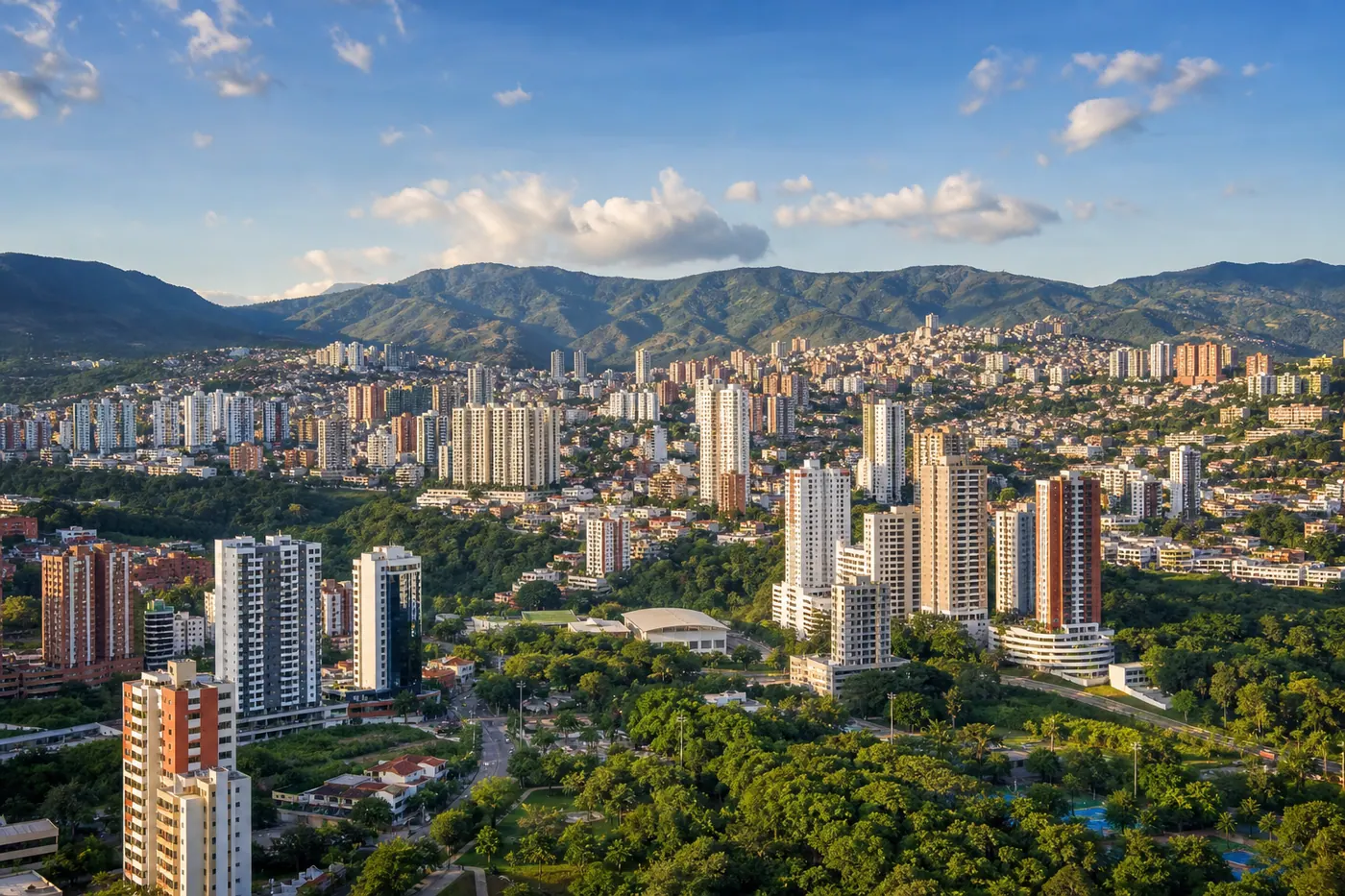
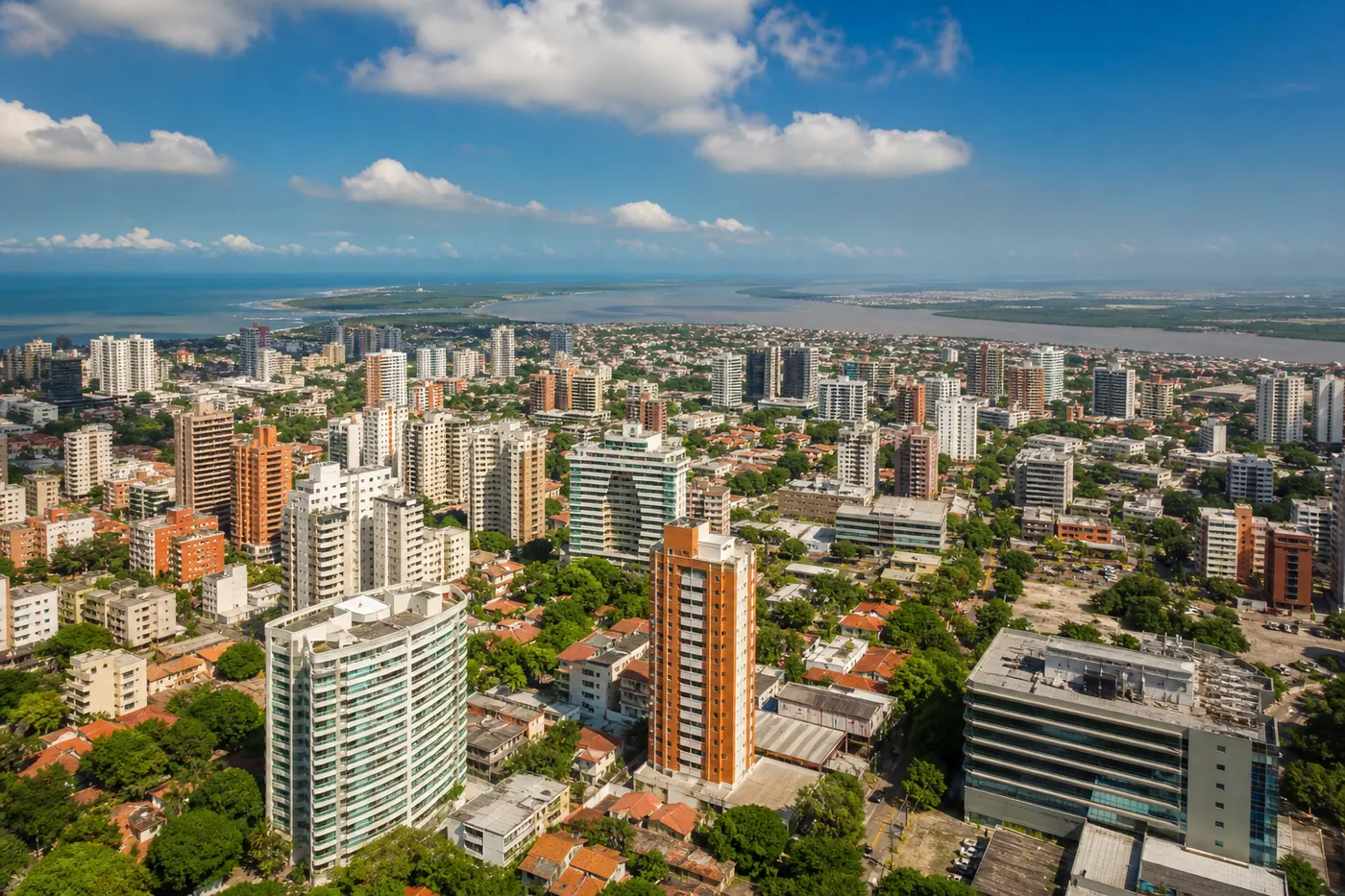
The first thing you notice landing at Palonegro Airport is that Bucaramanga looks different from the air. Not the dense vertical sprawl of Medellín or Bogotá's endless grey plateau — Bucaramanga is green, low-slung, and surprisingly expansive, draped across the eastern Andes foothills in a way that makes the city's nickname, la ciudad bonita, feel earned rather than promotional.
I get why most expats skip it. The online conversation about living in Colombia runs on rotation: Medellín for digital nomads, Bogotá for serious professionals, Cartagena for beach-lifestyle seekers. Bucaramanga doesn't fit cleanly into any of those archetypes, so it consistently gets left off the shortlists. Which is exactly why rent here still makes sense, the parks aren't overrun with guided tours, and you can build an actual routine without feeling like you're sharing your neighborhood with a dozen Airbnb turnovers every week. If you want to see real-world options right now, you can browse apartments and houses on Colombia Move — posting is completely free.
The trade-off for being overlooked: the expat community is small enough that you'll probably meet everyone within your first month, and some international routes go Bucaramanga–Bogotá–everywhere-else rather than direct. If you can work with that, you're looking at one of the most livable mid-sized cities in Colombia — with a climate that genuinely earns the 'eternal spring' label.
What to know first
- Location: Santander department, ~440km northeast of Bogotá, 1,018m elevation
- Climate: 17–27°C year-round with no prolonged cold or brutal heat — the "eternal spring" label is mostly accurate
- Cost of living: ~$700–1,050/month comfortable; rent runs 20–30% cheaper than comparable Medellín neighborhoods
- Best neighborhoods for expats: Cabecera del Llano, La Cumbre, El Prado
- Expat scene: Small and deliberate — fewer short-termers, more people who chose Bucaramanga on purpose
- Airport: Palonegro (BGA) — daily flights to Bogotá, Medellín, Cartagena, Cali
The City That Actually Functions
Bucaramanga is the capital of Santander department and the economic hub of northeastern Colombia. It's not a secondary city that exists by accident — it has real industry, a strong university system, and an economy built on commerce, education, and manufacturing rather than tourism. That shows in the culture: Bumangueses (the local term for residents) are friendly without being performative, and the city runs without the tourist infrastructure overlay that can make Medellín or Cartagena feel slightly unreal.
The metro area of roughly 1.1 million residents spans four municipalities: Bucaramanga proper, Floridablanca to the south, the beautifully preserved colonial town of Girón to the west, and Piedecuesta to the southeast. They flow into each other without visible boundary — relevant when you're apartment hunting because Floridablanca listings often look cheaper than Cabecera but you're functionally in the same urban fabric, just a short taxi ride from the same restaurants.
The Universidad Industrial de Santander (UIS) is one of Colombia's top engineering universities, which skews the city noticeably younger and more technically educated than you might expect. This matters for finding services, tech support, and coworking spaces — there's a baseline level of competence in the professional ecosystem that smaller Colombian cities sometimes lack.
The Climate — What Actually Makes This City Livable
At 1,018 meters above sea level, Bucaramanga sits in a rare sweet spot. Bogotá at 2,600m is genuinely cold by tropical standards — sweaters indoors, electric blankets, the whole thing. The coast is beautiful but the heat runs at 30°C+ year-round with humidity. Bucaramanga at around 1,000m averages 17–27°C, which means you can sleep with a window open, walk around comfortably without planning your outfit around weather, and skip the AC-running-all-night electricity bills.
The rainy seasons hit in April–May and October–November, but in typical Colombian fashion it usually means afternoon showers rather than grey all-day drizzle. The rest of the year is warm, clear, and excellent for being outside. One honest caveat: Bucaramanga borders the llanos (eastern plains), and when dry easterly winds blow in — usually in February and March — temperatures can spike to 30°C+ for a few weeks. Not unmanageable, but worth knowing before you sign a lease and discover the apartment doesn't have AC.
Keep Reading
Santander & the Chicamocha Canyon — the paragliding, rappelling, and hiking world right outside Bucaramanga's door
Best Neighborhoods for Expats
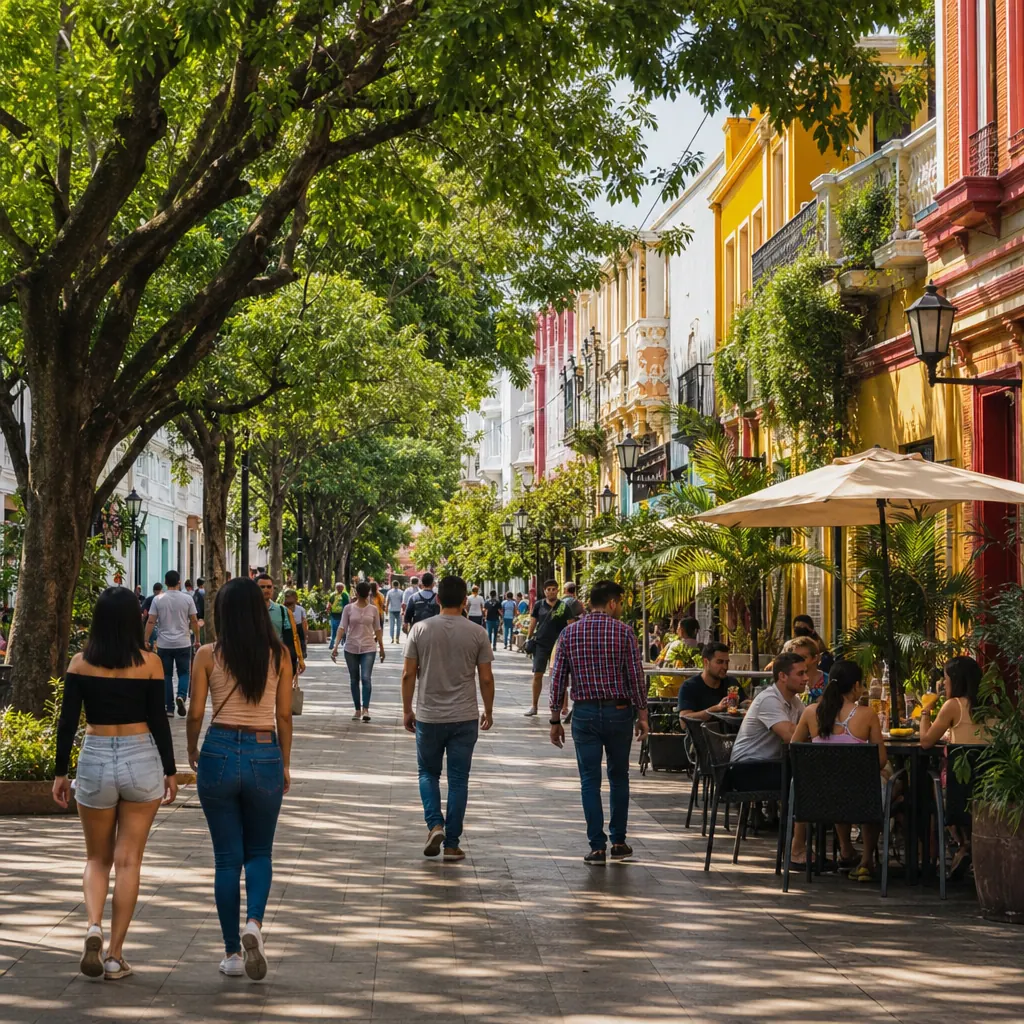
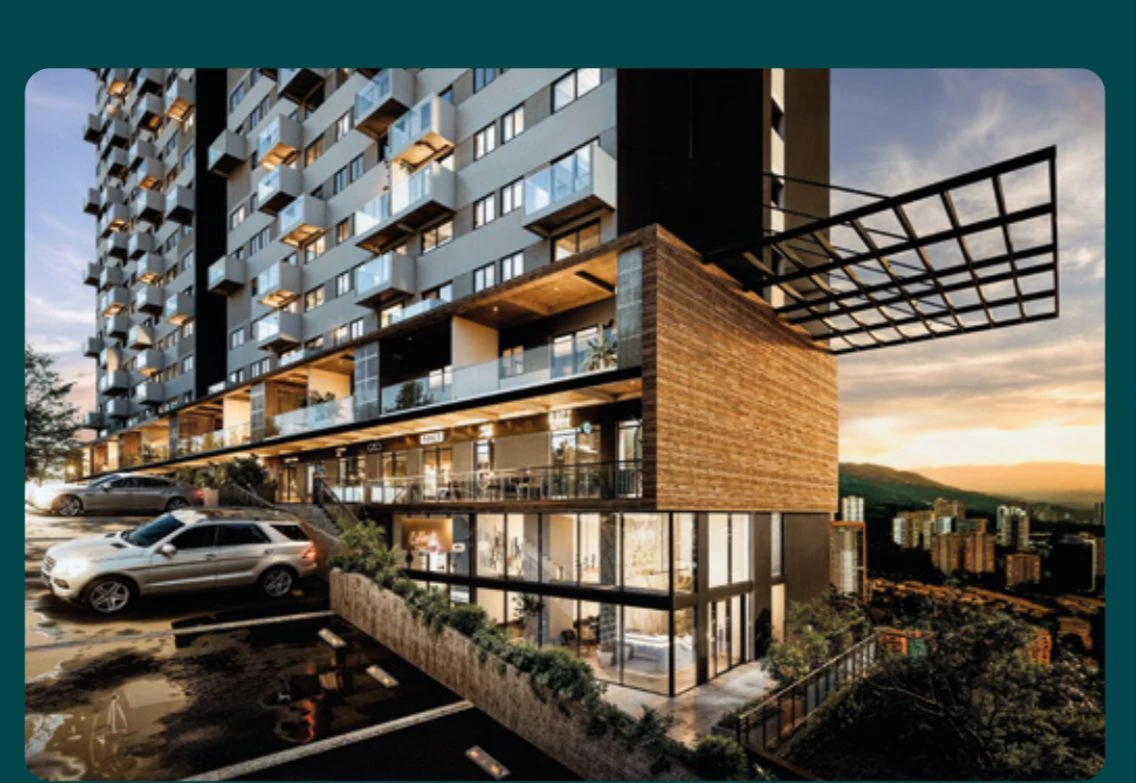
Most newcomers land in Cabecera del Llano, and for good reason. It's the city's cleanest, most walkable commercial district — reliable fiber internet, coffee shops, restaurants, multiple malls (Cabecera Mall, Cacique, La Florida) within easy distance. Think of it as Bucaramanga's version of El Poblado, minus the party hostels, the $12 cocktails, and the tourist menus. A well-furnished 2BR apartment with fiber and backup parking runs 1.8–2.5M COP ($450–625 USD) per month.
La Cumbre and La Aurora sit adjacent to Cabecera and offer similar quality at 10–20% lower rents. They're quieter and more residential — good choice if you have a car or motorcycle. The restaurant density drops, but a 10-minute Uber covers the difference. Families tend to prefer these neighborhoods over Cabecera's commercial buzz.
El Prado is the older established residential area, with larger apartment blocks and a slightly slower pace. Perfectly comfortable, with slightly higher average ages and lower noise levels. If you're coming from somewhere like Medellín's Laureles and want a similar feel, El Prado is probably your calibration point.
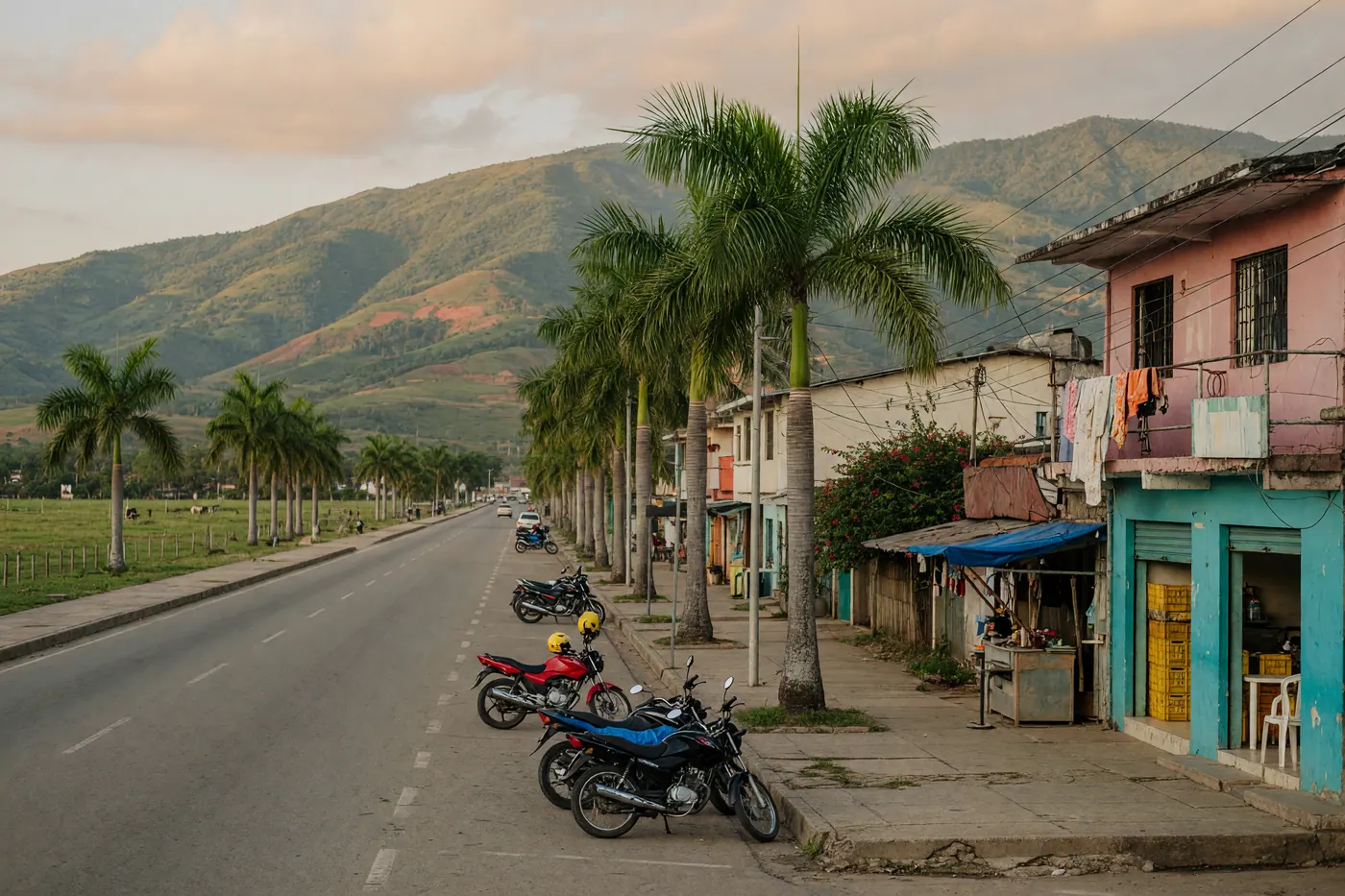
El Centro works fine for daytime errands — the Parque García Rovira area has good street food and the market energy of a working Colombian city. For long-term living, though: it's noisy, parking is a frustration, and the security profile is less consistent than the northern residential zones. Worth exploring, harder to recommend for actually living there.
What You'll Actually Spend
The numbers below are for a single person living comfortably in Cabecera del Llano — cooking most nights, eating out 2–3 times a week, taking occasional Ubers rather than owning a car. Exchange rate used: ~4,000 COP per USD.
| Expense | COP/month | USD/month |
|---|---|---|
| 1BR apartment, Cabecera | 1,200,000–1,800,000 | $300–450 |
| 2BR apartment, Cabecera (nice) | 1,800,000–2,500,000 | $450–625 |
| Utilities (electricity, water, internet) | 350,000–550,000 | $85–140 |
| Groceries (D1, Éxito, Justo & Bueno) | 400,000–650,000 | $100–162 |
| Eating out (mid-range, 3x week) | 300,000–450,000 | $75–112 |
| Transport (Uber/taxi, no car) | 100,000–200,000 | $25–50 |
| Total comfortable monthly budget | 2,800,000–4,200,000 | $700–1,050 |
For comparison: a similar lifestyle in Medellín's Laureles or El Poblado runs closer to $1,100–1,600/month. The gap isn't enormous, but it's real — and it compounds over a year. Our full cost of living breakdown compares budgets across Colombian cities if you want to run the numbers side by side.
The one thing Bucaramanga gets surprisingly right: taxi and Uber prices. A 15-minute cross-city ride costs 8,000–15,000 COP. If you're not buying a vehicle, you barely need one for daily life in the residential north.
For withdrawing cash, a fee-free debit card matters more than most people realize until they've paid their third ATM surcharge in Colombia. Charles Schwab reimburses ATM fees worldwide and has no foreign transaction fee — it's the practical choice for most expats until they have a Colombian account fully set up.
Healthcare, Internet, and Banking
Santander has stronger medical infrastructure than most Colombian departments its size — a legacy of the regional universities producing medical graduates, and of Bucaramanga functioning as a healthcare hub for nearby departments. The main private clinics (Clínica Ardila Lülle, Clínica Chicamocha, FOSCAL) handle the serious stuff. For routine care, Sura and Sanitas both have prominent presences.
The EPS process works identically to any Colombian city — you apply as a contributing regime member if you have employment, or self-enroll as independent if you're freelancing. Full guide to getting EPS as a foreigner covers the paperwork and timelines in detail.
Before your EPS kicks in
Getting EPS sorted takes time — especially if you're new to Colombia. In the meantime, SafetyWing covers you while you navigate the enrollment process. Nomad Insurance starts at around $45/month.
Internet: EPM, Claro, and Tigo all operate in Bucaramanga. Fiber is available in Cabecera and most major residential zones — 100Mbps+ connections run 60,000–100,000 COP/month. I haven't had issues working remotely from Cabecera apartments; the baseline is comparable to Medellín's nicer neighborhoods.
Banking is standard Colombia: all the major banks have branches, Nequi and Daviplata work identically here. One gap worth naming honestly: Bucaramanga doesn't have an established English-speaking immigration or legal services community. If you need immigration lawyers or notarized translation services, you'll either work remotely with a Bogotá/Medellín firm or improve your Spanish fast. I'd factor this in if your visa situation is complex.
Keep Reading
Colombia Digital Nomad Visa Guide — how to apply, what it costs, and whether it's the right visa for remote workers
Who Bucaramanga Actually Works For
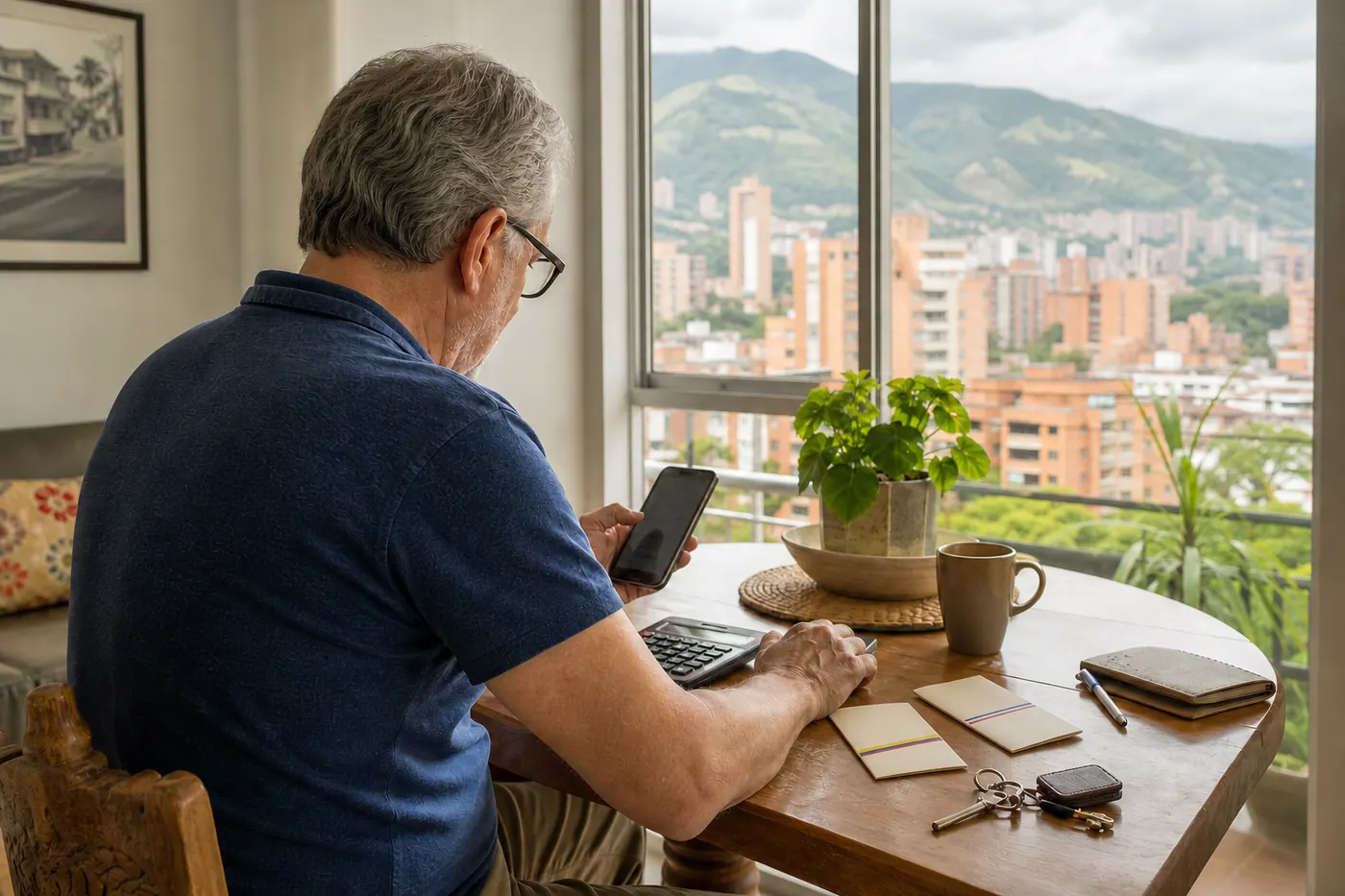
Remote workers who prioritize quality of life over expat social saturation tend to love it here. The coffee is excellent, the internet is reliable, and nobody will interrupt your work week with social pressure from a neighborhood that's been optimized for newcomer entertainment. Couples living on one medium foreign income find the math works more comfortably than in Medellín. People who want to actually learn Spanish — not just inhabit an English-speaking expat bubble — will find Bucaramanga genuinely helpful.
It works less well for people who need a large English-speaking social circle fast. The expat community is real but small; give yourself three to six months before expecting a full social life in any language. It also doesn't suit people who travel internationally several times a month — the Bogotá layover adds friction that accumulates.
The argument I find most compelling: the Chicamocha Canyon access. One of the largest canyons in the world, about an hour from Cabecera. World-class paragliding, rappelling, and hiking — almost entirely unknown outside Colombia. If you're outdoors-oriented, that access factor alone changes the quality-of-life calculation significantly compared to any other Colombian city at this price point.
Still deciding between cities? How to choose between Medellín, Bogotá, Cali, and Pereira — Bucaramanga is worth adding to that comparison once you know your priorities.
Browse Rentals in Bucaramanga
Colombia Move has free listings from direct owners and local agents in Bucaramanga — no commission, direct contact. See current listings →
Frequently Asked Questions
❓ Is Bucaramanga safe for expats?
Bucaramanga is safe for everyday life when you stick to the northern residential zones — Cabecera, La Cumbre, El Prado, Floridablanca. Street crime exists, as it does everywhere in Colombia, but the expats who live here don't report the elevated anxieties you sometimes hear from Medellín or Bogotá. Common-sense precautions apply: don't flash expensive gear, use Uber after dark rather than hailing cabs on the street, and learn your neighborhood over the first few weeks before exploring solo.
❓ How do I get a visa to live in Bucaramanga?
Your visa type depends on your situation — digital nomad visa, pensionado visa, or investor visa are the most common routes for foreigners. The good news: visa applications are processed nationally through Cancillería, so there's no Bucaramanga-specific process. You submit documents online and receive your visa regardless of which city you're in. Budget 1–3 months for processing and arrange short-term accommodation first if you're arriving before your visa is confirmed.
❓ Can I find English-speaking services in Bucaramanga?
Yes, but less reliably than in Medellín or Bogotá. A handful of doctors, dentists, and lawyers speak conversational English. For immigration paperwork, notarized translation, and complex legal matters, most expats connect remotely with a Bogotá or Medellín firm. Honestly, this is the one area where Bucaramanga's lower expat saturation becomes a concrete inconvenience rather than a feature.
❓ How far is Bucaramanga from Medellín and Bogotá?
Bogotá is about 1 hour 20 minutes by air, or 7–9 hours by bus. Medellín is roughly 1 hour 40 minutes by plane, or 9–11 hours by bus through the mountains. Cartagena runs about 1 hour 30 minutes by air. For most expat lifestyles — traveling to other Colombian cities quarterly rather than weekly — the distances are workable. If you're doing frequent international travel via Bogotá, the layover adds about half a day each way.
❓ Is Bucaramanga worth it if I can afford Medellín?
Depends what you're optimizing for. If you want a built-in social scene, abundant English-language services, world-class food, and don't mind the Medellín price tag, Medellín is the easier choice. If you want better rent-to-quality ratios, a city that functions without being organized around tourism, reliable spring weather, and outdoor access that Medellín can't match — Bucaramanga is genuinely worth considering. A lot of people who try it for six months end up staying.
Have a question about living in Bucaramanga? Ask the community at colombiamove.com/comunidad — there are a few Bucaramanga residents who check in regularly and can give you ground-level answers.
Comments
Loading comments...
Checking sign-in status...