
What Expats Get Wrong About Colombian Prices
Colombia feels cheap until suddenly it doesn't. Here's what most expats get wrong about prices — from gringo pricing to hidden rent costs to the items that are genuinely cheap regardless of your currency.

IDIOMA DEL ARTÍCULO
Showing original language
A few weeks after I landed in Medellín, I bragged to a friend back home that I'd gotten a taxi from El Poblado to Laureles for about seven dollars. He was impressed. My Colombian neighbor was not. "That's what they charge foreigners," she said, not unkindly. "The app shows twelve thousand pesos."
That's the Colombia price paradox in one sentence. Seven dollars feels cheap when you're wired to think in USD. It's not cheap when the local rate is under three dollars.
Most expats arrive having read that Colombia is "super affordable" — and it is, for certain things. But the same assumption that makes a $1.50 local lunch feel like a discovery will lead you to sign a $1,300/month lease in a neighborhood where Colombians pay $550, and you'll feel like you're saving money the whole time.
Quick Take: Colombian Prices for Expats
- Genuinely cheap: local almuerzo, SITP buses, fresh market produce, domestic flights booked in advance
- Not as cheap as you think: imported electronics, Airbnb, international restaurants, anything in El Poblado's tourist corridor
- Gringo pricing is real — but only in specific contexts (tourist markets, street taxis, some rental listings). It's not everywhere.
- Hidden rent costs: admin fees and utilities add COP 400,000–900,000 on top of the listed price in many apartments
- Right mindset: compare to what your Colombian neighbor pays, not to prices back home
The USD Math Is Seductive and Misleading
Stop Dividing Everything by 4,200
With around 4,200 pesos to the dollar, almost everything in Colombia looks cheap on first glance. A decent restaurant dinner for two runs COP 100,000–140,000 — barely $30. A gym membership in a solid neighborhood is maybe $25 a month. A haircut at a proper barbería costs $4–6. Easy to feel like you've cracked the code.
The problem is you're comparing to your home economy, not the local one. A Colombian professional earning COP 3,500,000 per month (roughly $830 — a decent mid-level salary) is paying the same COP 140,000 for that dinner. That's 4% of their monthly income. The same meal represents about 0.3% of a $50,000/year American salary. You're not finding a deal. You're operating in a different economic reality — and that matters when it bleeds into how you rent, hire, tip, and negotiate.
What's Actually Not Cheap Here
Some items in Colombia carry import costs or luxury positioning that cancels out the exchange rate advantage:
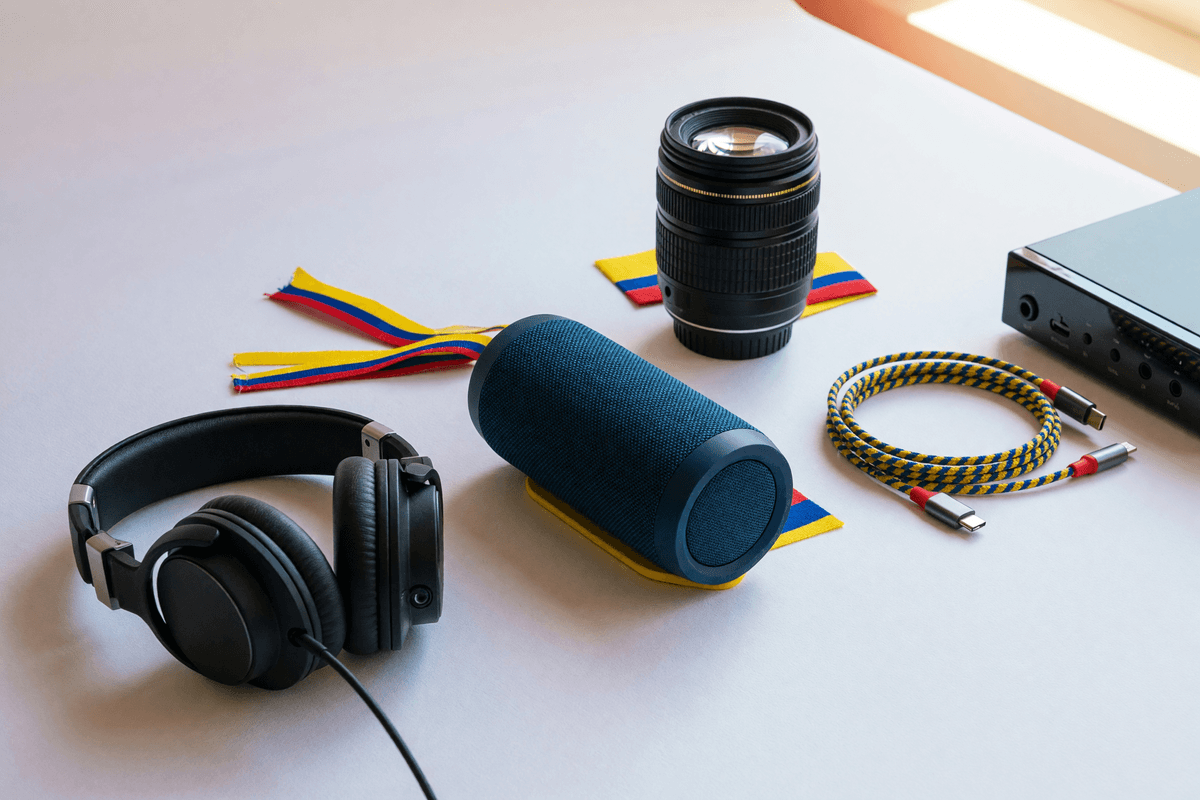
- Imported electronics: a current iPhone often costs more in Colombia than in the US due to tariffs. A mid-range laptop that runs $700 stateside can hit COP 4–5 million here.
- International restaurants: a proper Italian or Japanese spot in Bogotá or Medellín charges near-international prices, because ingredients and trained staff cost what they cost.
- Airbnb and short-term rentals: typically 3–5x what you'd pay for an equivalent long-term unfurnished apartment. The budget travel blogs won't tell you this.
- Imported wine and spirits: Colombia taxes these heavily. A midrange French wine that's $15 at home can be $30+ here.
- Anything sold at a tourist market corridor — Cartagena's walls, Medellín's weekend craft fairs, Salento's main drag.
Where Expats Consistently Overpay
Taxis and Rideshares
Street taxis — the yellow cabs you flag down — are metered in Colombian cities. But plenty of drivers will quote a flat fare to foreigners that's 2–3x what the meter would run, especially near airports, bus terminals, and tourist plazas. The fix is straightforward: open InDriver or Uber, see the going rate, and either use the app or negotiate from that number.
Within apps, InDriver is almost always the cheapest because you bid on the ride. Uber prices higher and is more reliable at off-hours. Cabify is middle-ground. For daily commutes once you know a city, InDriver will save you real money over time.
Long-Term Apartments in Expat-Heavy Areas
This is the biggest price leak for most new arrivals. Landlords in El Poblado, Laureles, Bocagrande, and Chapinero Alto understand their market. A furnished one-bedroom that a Colombian professional might rent for COP 2,200,000 ($520) gets listed in English on Facebook Expat Groups or Airbnb for $900–$1,200.
Some of that premium is real — furnished apartments cost more to equip and landlords with international tenants face more turnover risk. But most of it is market segmentation. Landlords have learned that foreigners arrive with stronger currency and limited local context, and they price accordingly.
Getting fair prices usually means renting unfurnished, spending a couple of weeks on the ground before signing anything, and comparing across multiple platforms before you negotiate. A dedicated breakdown of what admin fees and utilities actually add to your bill is worth reading before you commit to anything.
Keep Reading
Before signing a lease, see exactly how admin fees and utilities inflate the real monthly cost: The Real Cost of Renting in Medellín
Tourist Market Corridors
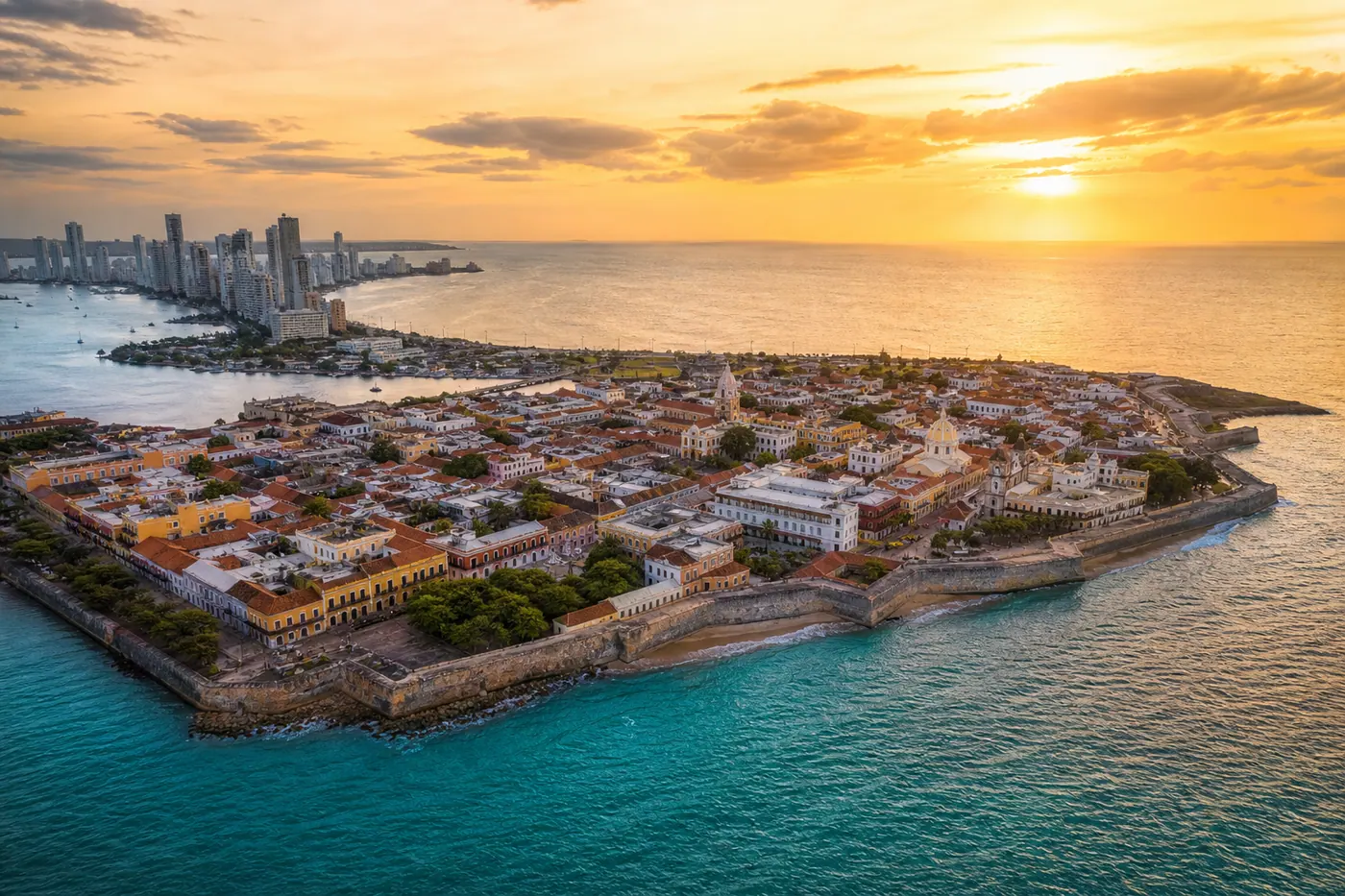
In Cartagena's walled city, every vendor's opening price is a guess at your budget, not a reflection of the item's value. A handwoven mochila that sells for COP 35,000 in a regular artisan shop inside the city can be quoted at COP 200,000 at the tourist strip near the clock tower. Same bag. Different audience.
This isn't unique to Colombia — it's how tourist economies work everywhere. The problem is that new expats sometimes carry the tourist-market experience into regular neighborhoods and approach every transaction with suspicion. That's exhausting, and it misreads how most of the country actually operates.

What's Actually Cheap — and Not Just for Foreigners
The honest list of things where Colombia undercuts most countries regardless of who's buying:
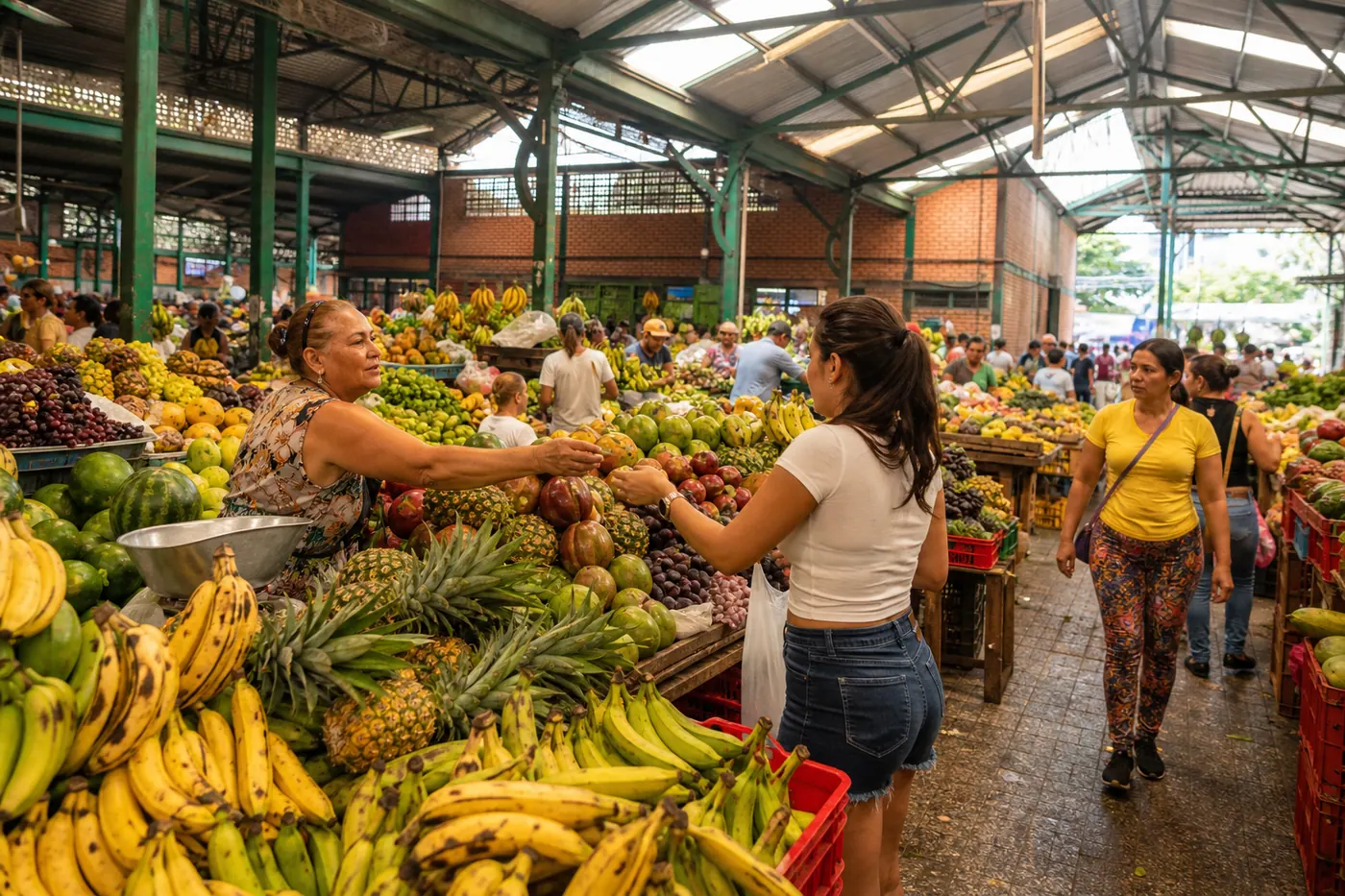
- Plaza de mercado produce: aguacate for COP 1,500–2,500, a kilo of tomatoes for COP 2,500, fresh pineapple for COP 3,000. These prices don't change based on your accent.
- SITP bus + Metro: COP 3,200 per trip in Medellín, around COP 2,950 in Bogotá. You can cross a major city for 50 cents.
- Almuerzo del día: the set lunch — soup, protein, rice, beans or salad, fresh juice — runs COP 10,000–18,000 at neighborhood spots. This is what Colombian office workers eat every day. It's not a special deal for budget travelers.
- Domestic flights booked ahead: Medellín to Cartagena for $30–50, Bogotá to San Andrés under $80. The domestic aviation market is competitive enough that good fares exist if you plan two or three weeks out.
- Tiendas and corner stores: everyday staples — coffee, crackers, cooking oil, phone credit — without supermarket markup.
- Haircuts, salons, local services: a professional haircut at a proper barbería in Laureles or Chapinero is COP 15,000–25,000. Manicures and pedicures at local spots run COP 12,000–22,000.
These aren't "cheap for a foreigner" prices. They're just the prices. Knowing which category something falls into is most of the battle.
Gringo Pricing — What It Is and Isn't
Gringo pricing is real in specific contexts. It is not a universal feature of Colombian commerce, and treating every transaction like a potential scam makes you insufferable to deal with — and honestly, you'll still get ripped off while being annoying about it.
Where it genuinely happens: informal vendors in tourist areas, some airport and terminal taxi drivers quoting flat fares, certain landlords listing furnished apartments to international audiences, and occasionally mechanics or handypeople in expat-heavy neighborhoods.
Where it doesn't happen: supermarkets like Éxito, Jumbo, and Carulla (prices are posted and fixed), rideshare apps (the algorithm doesn't know your nationality), any established restaurant with a printed menu, the corner tienda down the street from your apartment, and the almuerzo place that's been serving the same office workers for ten years.
The simplest defense isn't haggling every interaction — it's doing price research before you commit. Check the app before hailing a taxi. Compare multiple listings before signing a lease. Know the neighborhood baselines.
Keep Reading
Know the real baseline before you talk to any landlord: Average Rent in Medellín by Neighborhood
The Mental Shift That Actually Helps
The most expensive habit most expats bring to Colombia isn't their taste in neighborhoods — it's their reference point. "Is this cheap?" is the wrong question. "Is this fair?" is better. "Is this what my neighbor pays?" is closest to right.
Once you start pricing things against local wages rather than your home city, everything recalibrates. A COP 750,000 monthly gym membership in El Poblado looks cheap in dollars and is absolutely not cheap for Colombia. A COP 2,500 bus ride looks trivially cheap in dollars and also genuinely is cheap by any measure.
For keeping money in USD while spending in pesos, Remitly is one of the more reliable transfer options for regular sends — rates are competitive and the first transfer is usually free. Charles Schwab's debit card is worth having too — no foreign transaction fees and they refund ATM charges globally, including Colombian ATMs that often tack on COP 10,000–15,000 per withdrawal.
The advantage of Colombia's cost of living is real. So is the economy it operates inside. The expats who figure this out in their first month are the ones who stop feeling clever for dividing by 4,200 and start actually living here.
Got a Specific Price Question?
If you've been quoted something that seems off — a rental price, a service fee, a taxi fare — ask in the Colombia Move community. Someone's probably dealt with the exact same number. colombiamove.com/comunidad
Frequently Asked Questions
❓ Are prices in Colombia negotiable?
In some contexts, yes. Informal vendors at markets, street sellers, and small artisans often expect it. Fixed-price contexts — supermarkets, established restaurants, app-based services — do not. A good rule: if the price is written on a sign or screen, don't haggle. If the vendor is quoting you verbally, there's usually room.
❓ Why do foreigners pay more for some things in Colombia?
It's a mix of information asymmetry and market segmentation. Landlords and tourist vendors know that foreigners often earn in stronger currencies and don't know local price baselines. The defense is information: check apps, browse listings, and ask a local before you commit to anything significant.
❓ Is Colombia actually expensive for Colombians?
For many Colombians, yes — significantly. Colombia has one of the highest Gini coefficients in Latin America. A family earning COP 2–3 million per month in a city like Bogotá or Medellín will feel rent, private school, and medical costs acutely. The expat experience of "cheap Colombia" coexists with genuine financial pressure for a large portion of the population.
❓ How much should a taxi from Medellín airport cost?
By app (InDriver or Uber), expect COP 20,000–35,000 to central neighborhoods like El Poblado or Laureles. Street taxis or informal offers at the arrivals exit often run COP 50,000–80,000 for the same trip. Check the app first and you'll know immediately if a quoted fare is fair.
❓ What are admin fees and why do they matter?
Administración (admin fee) is a monthly charge in apartment buildings that covers security, cleaning, maintenance, and shared amenities. It's separate from rent and listed on the lease. In Medellín, expect COP 150,000–400,000 in mid-range buildings, more in newer towers. Utilities (gas, water, electricity, internet) add another COP 150,000–350,000. Budget for both from day one — the listed rent is never the full number.




Comments
Loading comments...
Checking sign-in status...