
Living in Barranquilla: The Honest Expat Guide to Colombia's Caribbean City
Barranquilla never makes it onto the expat shortlist, which is partly why rent here hasn't hit El Poblado prices yet. Here's what living in Colombia's Caribbean port city actually looks like.
IDIOMA DEL ARTÍCULO
Showing original language
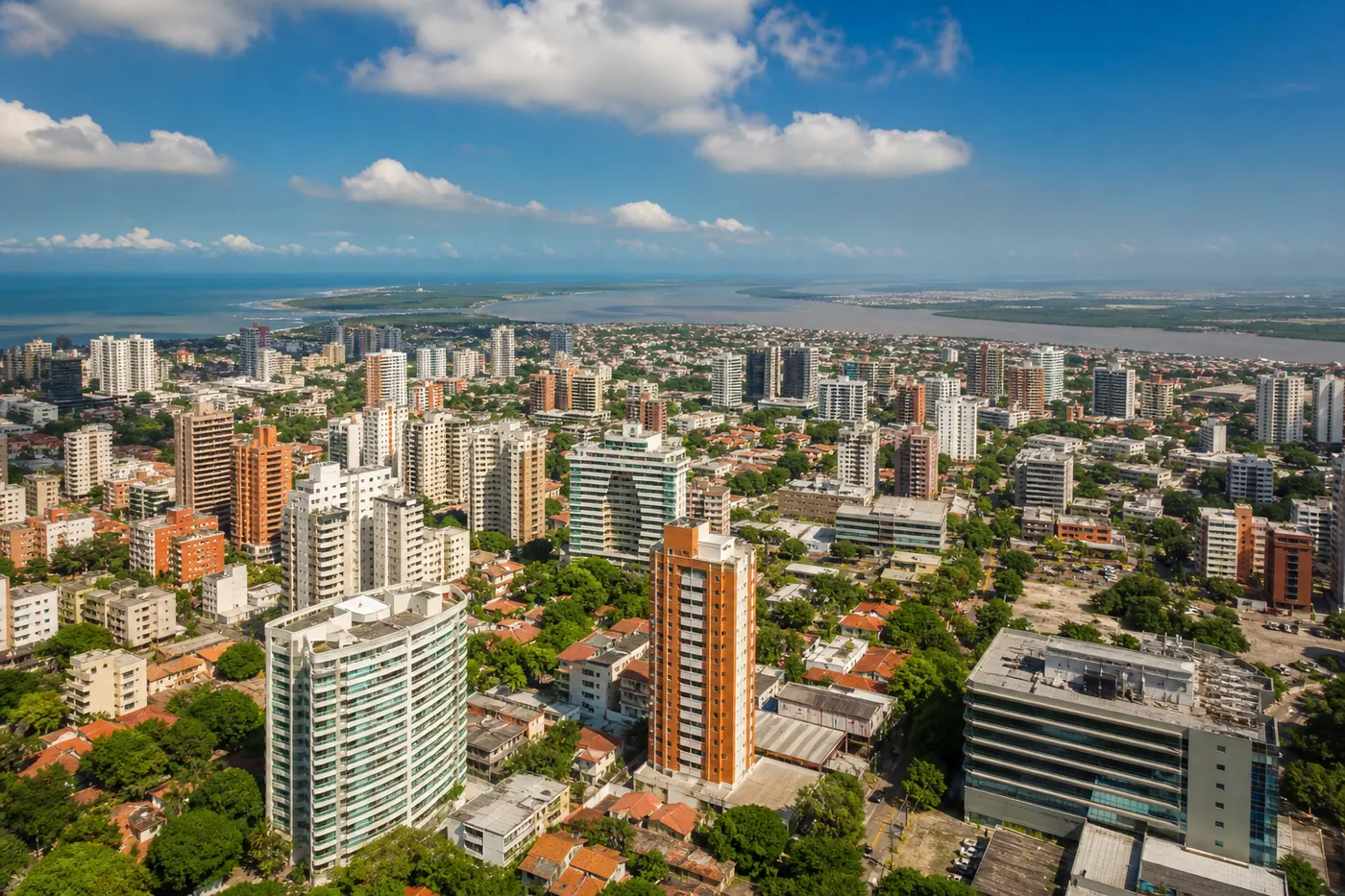
Most expat guides skip Barranquilla entirely. Which is partly why rent in El Prado hasn't hit El Poblado prices, and why the city still feels like the Colombia that existed before remote-work migration started reshaping every neighborhood with a decent coffee shop. Barranquilla is Colombia's fourth-largest city and the country's main river port — big, operational, Caribbean, and almost completely off the expat radar.
The city sits at the mouth of the Magdalena River, 11 kilometers from the Caribbean Sea. What this means for daily life: it's hot. Not 'warmer than Medellín' hot — I mean 30–35°C every single day of the year with no altitude to bring relief. Your air conditioner isn't optional here; it's infrastructure, and the electricity bill will remind you of that every month. If you want to see real-world options right now, you can browse apartments and houses on Colombia Move — posting is completely free.
But costeño culture — the food, the music, the social ease of Caribbean Colombians — is genuinely different from the interior, and worth the adjustment period. Barranquilla has Carnaval in its DNA (UNESCO Intangible Cultural Heritage, the real thing) and a sense of itself that doesn't come from being on anyone's top-ten list. If you've done Medellín and want something less tourist-worn, this is the honest answer.
What to know first
- Location: Caribbean coast, at the mouth of the Magdalena River — 11 km from the sea
- Climate: 30–35°C year-round, no cool season, no altitude escape
- Cost of living: ~$1,000–1,400/month comfortable; cheaper than Bogotá, comparable to Medellín's mid-range neighborhoods
- Best areas for expats: El Prado, Villa Country, La Castellana, and Puerto Colombia (beach suburb)
- Electricity bill: Budget 200,000–400,000 COP/month extra — AC runs constantly
- Expat scene: Small and growing; less saturated than Medellín, more authentic as a result
The City Nobody Plans to Move To (But Many Stay)
Barranquilla's reputation among Colombian cities is a bit like Cleveland's in the US — people make the jokes, but the ones who actually live there are more satisfied than you'd expect. The metro area of 2.5 million functions as Colombia's most important river port and logistics hub. There's real money here, and it comes from trade, manufacturing, and industry rather than from coworking spaces and Instagram tours.
The airport (Ernesto Cortissoz / IATA: BAQ) connects directly to Bogotá, Medellín, and several international destinations including Miami and New York. Getting in and out is straightforward — no need to route through Bogotá the way you sometimes do from smaller coastal cities.
What Barranquilla isn't: polished for tourism. The historic centro is a mix of colonial architecture and wholesale commerce, not the curated walking neighborhood you'd find in Cartagena's walled city. The infrastructure improvements that made Medellín famous are happening here too, just less visibly. The city is functional in the way that mid-sized industrial cities tend to be — reliable, unglamorous, and genuinely livable once you know where to land.
Best Neighborhoods for Expats
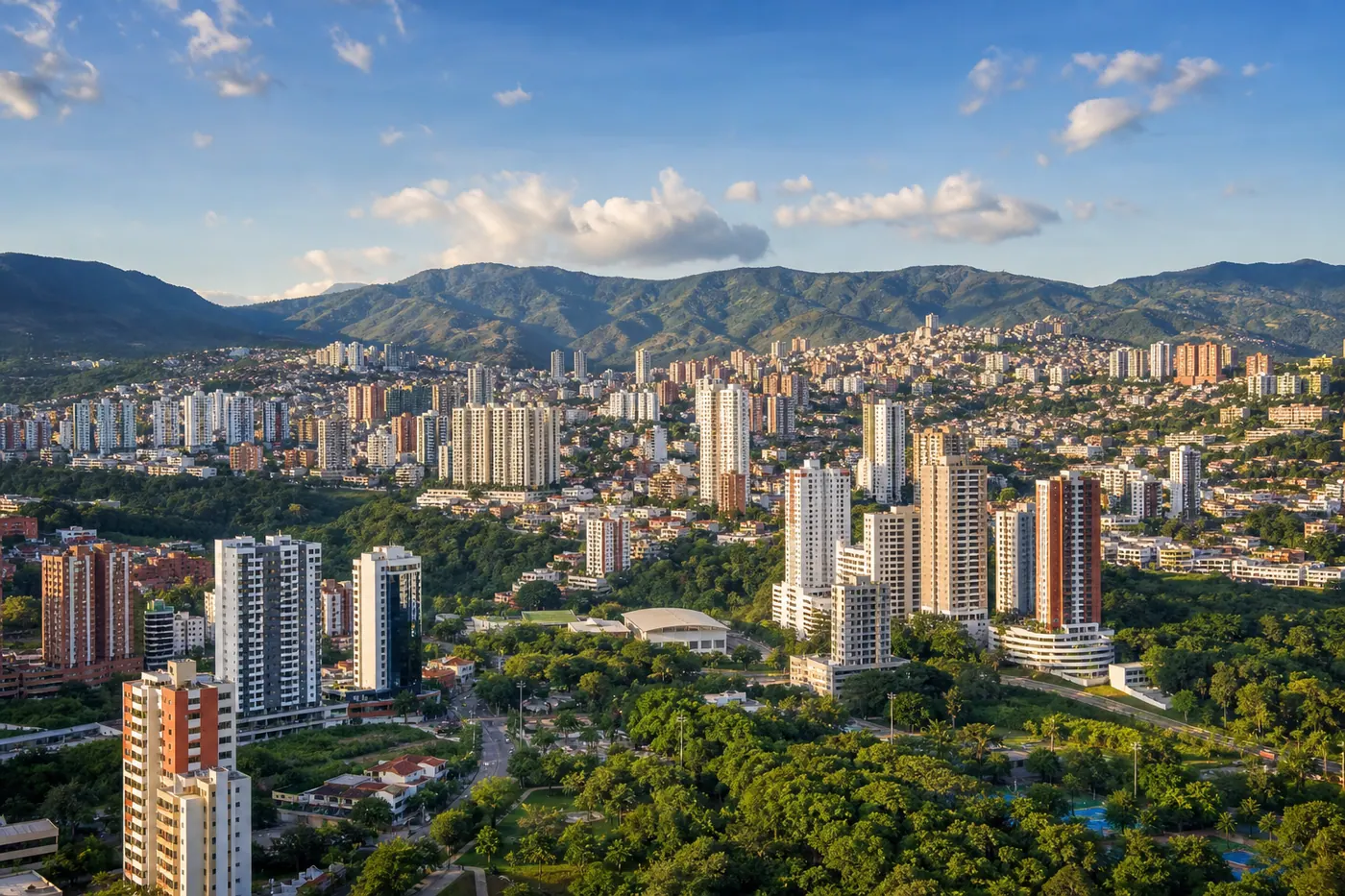
The city divides roughly north-south, with the northern residential zones being the obvious landing spot for most foreigners. Here's how they compare:
El Prado
The old-money neighborhood — wide streets, large colonial-era houses, mature trees that actually provide shade. It's where Barranquilla's established families lived for generations, now a mix of converted houses and smaller apartment buildings. Rent for a 1BR: 1.5–2.5M COP ($370–620 USD). Walkable, quiet relative to its central location, and close to the best restaurants in the city.
Villa Country and La Castellana
Villa Country is more modern, more gated-residential-complex oriented — families and professionals with good service access. Internet reliability here tends to be better than in the older zones. A comfortable 2BR runs 2–3M COP ($500–750 USD). La Castellana sits just below it in price: practical, good connectivity, popular with local professionals who want mid-range without paying Villa Country rates.
Alto Prado
The hillside extension north of El Prado, with slightly more elevation — which means slightly less brutal heat and better breezes. Some of the city's better restaurants and cafés cluster around here. A bit harder to navigate without a car, but worth considering if the heat is a dealbreaker in the lower neighborhoods.
Puerto Colombia
If beach proximity is your priority, Puerto Colombia is 20 minutes from Barranquilla's center — a coastal town that functions as a residential suburb with beach access. Several long-term expats base themselves there and commute into the city when needed. Cheaper rents (800K–1.5M COP for a 1BR), slower pace, more weekend-town energy. Great if your work is fully remote and you'd rather pay for beach than city convenience.
What Living in Barranquilla Actually Costs
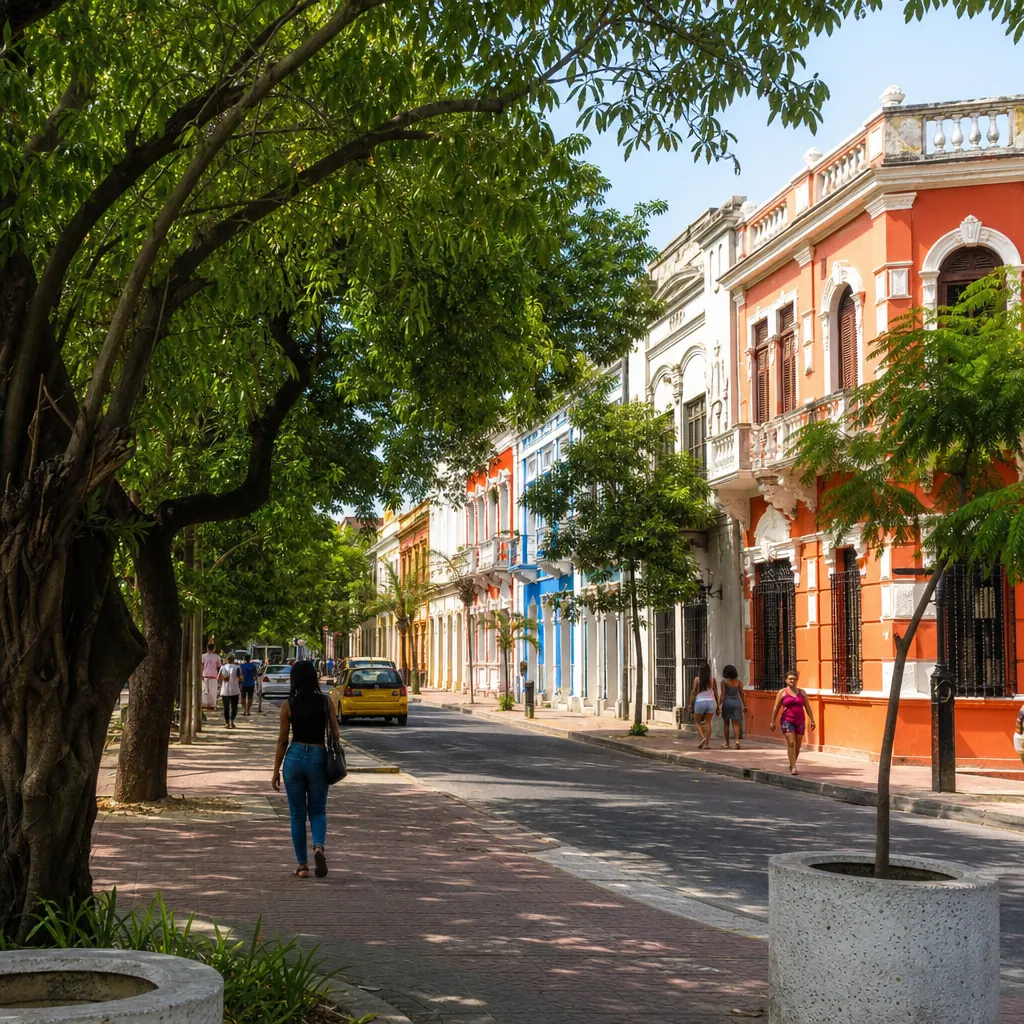
Barranquilla sits in an interesting cost position: cheaper than Bogotá, roughly comparable to Medellín's mid-range neighborhoods (not Poblado), and more expensive than Manizales or Pereira. Here's a realistic monthly breakdown for a single expat living comfortably:
Monthly costs — comfortable single expat in Barranquilla
| Rent (1BR, El Prado / Villa Country) | 1.5–2.5M COP ($370–620) |
| Electricity (with AC) | 200,000–400,000 COP ($50–100) |
| Internet (fiber, 100–300 Mbps) | 60,000–90,000 COP |
| Groceries | 350,000–550,000 COP ($87–137) |
| Menú del día lunch | 12,000–20,000 COP ($3–5) |
| Realistic monthly total | $1,000–1,400 USD |
The electricity number is the one that catches people off guard. Budget for it from day one. For transferring money into Colombia, Remitly tends to offer good rates and same-day delivery to Colombian accounts. US expats should look at Charles Schwab's debit card — no foreign ATM fees anywhere in the world, which adds up quickly.
The Heat Problem (and How People Deal With It)
I'll be direct: if you're heat-sensitive, Barranquilla might not work for you. It's not a temporary adjustment — it's year-round, and there's no cool season coming to rescue you. The morning window (6–9am) is the most tolerable for outdoor exercise. By 11am the city has heat that most Andean Colombians find uncomfortable.
How people manage: AC in apartments, ceiling fans as a supplement, shorter outdoor windows, pools or beach trips on weekends. Most barranquilleros carry cold water everywhere. The newer apartments in Villa Country and La Castellana are built for this — good AC units, cross-ventilation, tile floors. Older construction in Centro can be genuinely miserable without a good AC setup.
One upside: the costeño social schedule runs later. Things start after 7pm when it cools down slightly, dinner is at 8–9pm, and the city genuinely comes alive at night. It's a different rhythm from highland Colombia, and most people who stay end up liking it.
Getting Around
Barranquilla's public transit centers on Transmetro — a BRT bus system with dedicated lanes on the main north-south corridors. It's functional, cheap (3,000 COP), and covers the main arteries. For anywhere off those routes, Uber and InDrive are reliable and affordable. Taxis exist but Uber is generally safer and easier for price predictability.
Traffic is a real issue. The road infrastructure hasn't kept pace with growth, and rush hour (7–9am, 5–7pm) adds significant time to cross-city trips. If your apartment is close to your usual destinations — office, coworking, grocery, gym — daily life is easier. Long commutes in Barranquilla will wear you down faster than in Medellín where the metro smooths things out.
Barranquilla vs. Medellín vs. Cartagena
| Barranquilla | Medellín | Cartagena | |
|---|---|---|---|
| Climate | Hot, 30–35°C all year | Spring-like, 22–26°C | Hot & humid, 28–34°C |
| Expat scene | Small, growing | Large, established | Tourist-heavy, seasonal |
| 1BR rent range | $370–620 | $400–900 | $500–1,200 |
| Beach proximity | 20 min (Puerto Colombia) | 3+ hours by road | On the coast |
| Culture | Costeño, authentic | Paisa, welcoming | Costeño, touristy |
The Carnaval Question
Every article about Barranquilla mentions Carnaval, and I'll be quick: yes, Carnaval de Barranquilla is a UNESCO Intangible Cultural Heritage event. Yes, it runs for four days in February (dates shift by year) and involves the entire city in a way that few festivals anywhere else on earth can match. Yes, it's worth experiencing.
But if you're planning to move here because of Carnaval, recalibrate. Four days of extraordinary followed by 361 days of regular Barranquilla. Expats who chose the city for the festival alone tend to end up disappointed when the confetti settles. The ones who moved for other reasons and happened to experience Carnaval tend to stay longer. Treat it as a massive upside, not the reason.
Healthcare, Internet & Getting Set Up
Healthcare in Barranquilla is solid. The city has several major private hospitals — Clínica General del Norte and Clínica Portoazul are the ones most expats use for private care. The EPS system works here like anywhere in Colombia, but getting enrolled as a foreign resident takes time. If you're arriving on a tourist visa or in the first few months,
Healthcare in Barranquilla is solid. The city has several major private hospitals — Clínica General del Norte and Clínica Portoazul are the ones most expats use for private care. The EPS system works here like anywhere in Colombia, but getting enrolled as a foreign resident takes time. For the gap period while you sort out EPS, SafetyWing's Nomad Insurance covers hospitalization and emergencies worldwide at around $56/month — useful to have in place before you need it.
Internet: Claro and Tigo both have fiber in the northern neighborhoods. Check availability at a specific building address before signing a lease — block-by-block variation is real, and a neighborhood-level assumption has burned more than one expat. In Puerto Colombia, internet is functional but slower; confirm before committing if your work is bandwidth-heavy.
Who Is Barranquilla Actually For?
Barranquilla works best if you have a specific reason to be there: a job, a relationship, a business connection to the port economy, or a genuine interest in costeño culture rather than the digital-nomad circuit. It's not the city I'd recommend to a first-timer setting up their first Colombian base — the infrastructure learning curve is steeper and the expat support network thinner.
But for someone who's already spent real time in Medellín or Bogotá and wants something less generic, less priced-up, and more authentically Colombian? Barranquilla is the honest answer. The heat will either be a dealbreaker or a non-issue — figure that out first. Everything else is manageable.
Keep Reading
Living in Cartagena, Colombia — how Barranquilla compares to its more polished Caribbean neighbor
Keep Reading
How to Choose Between Medellín, Bogotá, Cali, and Pereira — if you're still deciding between Colombian cities
Frequently Asked Questions
❓ Is Barranquilla safe for expats?
Yes, with the usual urban precautions. The northern residential neighborhoods — El Prado, Villa Country, La Castellana — are genuinely safe for day-to-day life. The Centro and port areas are fine during business hours but not somewhere to wander at night. Barranquilla has the same security profile as any mid-sized Colombian city: normal caution required, not exceptional danger.
❓ Is Barranquilla good for remote work?
It works, but it's not Medellín. Fiber internet is available in the northern neighborhoods, coworking spaces exist (WeWork has a location, plus local options), and the city has cafés with reliable connectivity. The main friction is finding a well-connected apartment — verify internet before signing. The heat also limits outdoor working options in a way Medellín's climate doesn't.
❓ How does cost of living in Barranquilla compare to Medellín?
Roughly similar for rent, but with higher electricity bills in Barranquilla due to constant AC use. A comfortable 1BR in El Prado or Villa Country costs $370–620 USD — cheaper than El Poblado, comparable to Laureles. Add $50–100/month for electricity and you're close to Medellín's mid-range total. Groceries and dining are slightly cheaper.
❓ When is the best time to visit or move to Barranquilla?
Barranquilla has no real seasons — it's hot and humid year-round. If you want to time a visit around Carnaval, that's February (four days before Ash Wednesday). If you want lower tourist prices and no crowds, any other month works equally well. There's no 'avoid this month' advisory the way there is for rainy-season travel elsewhere in Colombia.
❓ Is Spanish fluency required to live in Barranquilla?
More than Medellín, yes. Barranquilla has a much smaller expat community, which means fewer English-language services, English-speaking landlords, or English menus outside the nicest restaurants. Intermediate Spanish — enough to handle leases, healthcare, and daily logistics — makes life significantly easier. Costeño Spanish is also fast and accent-heavy; standard Colombian Spanish classes will help more than you'd expect.
Comments
Loading comments...
Checking sign-in status...