
Living in Manizales, Colombia: The Honest Expat Guide
Manizales is the forgotten city of the Colombian coffee region — underrated, genuinely affordable, and surrounded by some of the best coffee farms in the world. Here's who it works for, and who should keep looking.
IDIOMA DEL ARTÍCULO
Showing original language
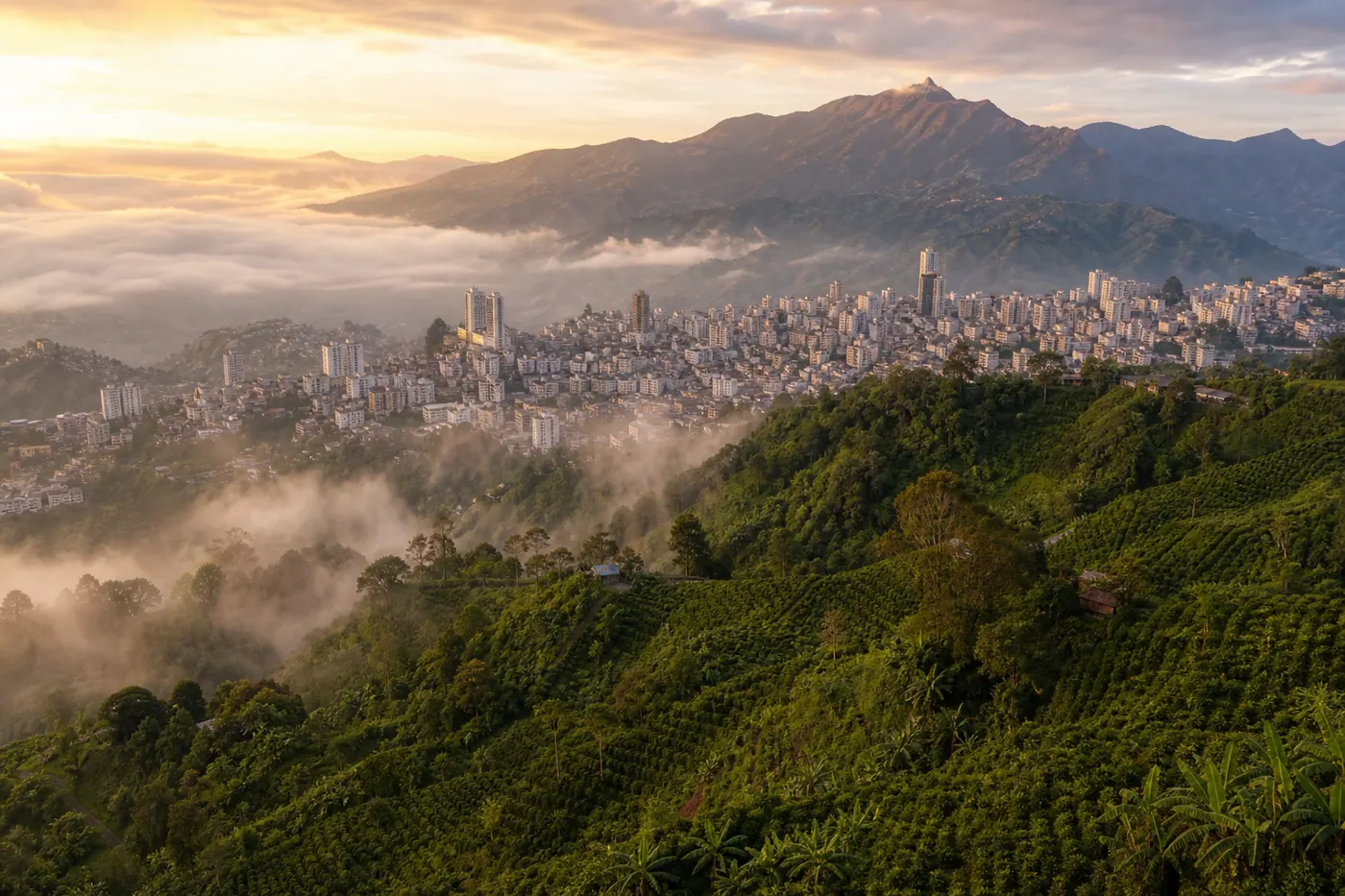
Most expats drop Manizales off the shortlist pretty quickly — usually because they've never heard of it, or because Medellín got there first. That's fair. But if you've spent more than a week in the Coffee Region and caught a clear-sky morning with the Nevado del Ruiz rising above the clouds, you start to understand why the Manizaleños who grew up here never left.
Manizales sits at 2,100 meters in the Andes, in the heart of the Eje Cafetero — the Coffee Axis of Colombia. It's the capital of Caldas department, home to around 440,000 people, and surrounded by the farms that produce some of Colombia's most exported arabica. Walk fifteen minutes from the trendy El Cable neighborhood and you're on a road lined with coffee plants. This isn't a tourism hook; it's just where the city sits.
I'll be direct: Manizales has obvious drawbacks, and if you research it seriously, you'll find them fast. The weather is legitimately grey for stretches. Getting there requires more planning than landing in Medellín or Bogotá. The expat community is small. But if those aren't dealbreakers, the case for living here is specific and real — good coffee, low costs, a working university city with real energy, and an authentic Colombian life that the tour operators haven't found yet.
What to Know First
- Altitude: 2,100m — mild but noticeably cooler and cloudier than Medellín
- Monthly cost (1 person, comfortable): $700–$1,050 USD / ~COP 3.0–4.5M
- Best neighborhood for expats: El Cable — cafes, restaurants, fast fiber internet
- Getting there: Fly into Pereira, then 1.5hr drive (La Nubia airport is unreliable)
- Expat community: Small and growing — expect Spanish immersion by default
- Best fit for: Remote workers who want low costs, coffee country access, and an authentic Colombian experience
A University City in the Clouds
Manizales gets called "La Ciudad de las Nubes" — the City of the Clouds — and the name earns itself. At 2,100 meters, the city sits in a highly variable microclimate: some mornings open to a panoramic view of the Andes and the snow-capped cone of the Nevado del Ruiz. Other mornings — and sometimes entire weeks — the clouds come in at street level and stay.
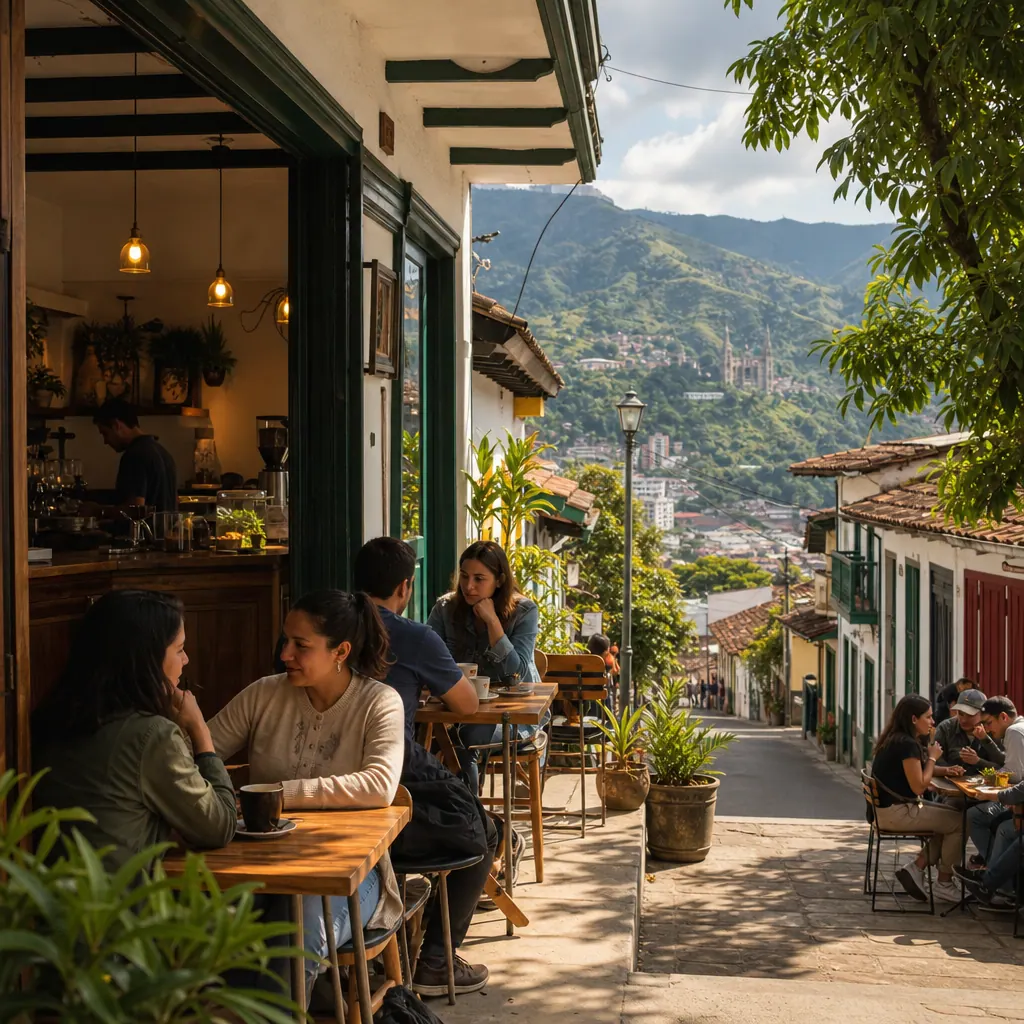
The university presence shapes the city profoundly. The Universidad de Caldas and the Universidad Nacional (Manizales campus) together draw around 25,000 students, which creates a noticeably younger, more educated baseline for a city this size. It shows up in small ways: actual bookshops, coffee shops with working WiFi, lower tolerance for overcharging tourists, and a general energy that doesn't feel provincial.
The Eje Cafetero economy runs on coffee, agribusiness, and regional services. Manizales has real infrastructure — hospitals, shopping malls (Cable Plaza and Fundadores), and the kind of civic organization you expect from a departmental capital. It earned its status. And the coffee access is genuinely different here than in Medellín or Bogotá: the Eje Cafetero farms — Salento, Buenavista, the rural fincas — are an easy day trip rather than a weekend excursion.
The Weather — Let's Be Honest
Temperatures in Manizales typically range from 15°C to 23°C. That sounds pleasant on paper, and often it is — mild, never hot, never freezing. But the number doesn't capture the cloud cover and rain. The city operates on a bimodal rain cycle: two wet seasons (March–May and September–November) and two drier periods (January–February and June–August). In practice, afternoon showers can happen year-round, and in the wet season, grey days string together for weeks.
The honest version: if you came from somewhere with 300 sunny days a year, Manizales can feel heavy during the cloudy stretches. A few expats I've spoken to mention a real adjustment period around months two and three. The flip side is that when it clears — and it does — the views from Chipre lookout across the Andean valleys are among the best urban views in Colombia. It rewards patience.
Altitude at 2,100m is noticeable but manageable. Not Bogotá-level adjustment, but you'll feel mild shortness of breath on stairs and possibly a headache or two in the first few days. Most people adapt within a week.
Best Neighborhoods for Expats
El Cable is where most expats end up, and the reasons are straightforward. It's the city's most developed commercial zone — proper specialty coffee shops, good restaurants, Cable Plaza mall, reliable fiber internet in most apartments, and walkable sidewalks that actually exist. The neighborhood gets its name from the historic aerial cable that transported coffee to the Magdalena River valley; today 'Cable' refers to the upscale commercial strip along Avenida 55. Expect to pay COP 1,400,000–2,500,000 per month for a furnished 1BR.
Chipre is the alternative — older, more residential, perched on the western edge of the city with the most famous views in town. The Chipre lookout (Mirador de Chipre) faces the Central Cordillera, and at sunset on a clear day, it's the kind of view that makes you understand why people choose this city. Quieter than Cable, better with a motorcycle or car. Rents run about 10–20% lower: COP 1,100,000–2,200,000 for a 1BR.
La Castellana and El Bosque sit between Cable and more purely residential zones — established apartment buildings, decent services, some restaurant options. A practical middle choice if Cable feels busy and Chipre feels too far from everything.
El Centro is worth visiting for Parque Caldas and the Cathedral, but full-time living there means noise, older infrastructure, and the usual friction of any Colombian city center. Daytime destination; not a base.
What You'll Actually Spend
The numbers below reflect a single person living comfortably in El Cable — cooking most nights, eating out two or three times a week, using Uber or motorcycle taxis rather than owning a vehicle. Exchange rate used: COP 4,300 = $1 USD.
| Expense | Monthly (COP) | Monthly (USD) |
|---|---|---|
| 1BR furnished apartment (El Cable) | 1,400,000–2,500,000 | $325–$580 |
| Utilities (electricity, water, gas) | 180,000–320,000 | $42–$74 |
| Fiber internet (100Mbps+) | 100,000–160,000 | $23–$37 |
| Groceries (cooking most nights) | 350,000–550,000 | $81–$128 |
| Eating out 2–3x/week | 200,000–400,000 | $46–$93 |
| Transport (Uber/InDriver/motos) | 80,000–150,000 | $19–$35 |
| Cell phone plan | 35,000–70,000 | $8–$16 |
| Total estimate | ~3,000,000–4,500,000 | ~$700–$1,050 |
For comparison, a similar lifestyle in Medellín's El Poblado or Laureles runs closer to $1,100–$1,600/month. The Manizales gap isn't dramatic, but it's real — around $300–$500/month over a year adds up. If you're cost-optimizing across Colombian cities, Manizales consistently lands near the bottom of the price range.
One thing that surprises people: electricity bills here run higher than in Cali or Cartagena because residents actually use space heaters and electric blankets at 2,100m. Budget an extra COP 50,000–100,000/month vs. what you'd spend on the coast.
Getting There and Getting Around
La Nubia Airport sits inside the city and is one of the most technically demanding approaches in South America — flanked by mountain ridges, with a short runway and persistent fog. Flights cancel or divert regularly. The route options are limited mostly to Bogotá, operated by small turboprops. If you're flying on a schedule you care about, La Nubia is not reliable.
The solution most expats use: fly into Aeropuerto Internacional Matecaña in Pereira, which has full jet service to Bogotá, Medellín, Cali, and some international connections. Shared shuttle vans run between Pereira and Manizales regularly — around COP 35,000–50,000 per seat — and the 1.5-hour drive through the mountains is scenic. Several ground transport companies offer direct hotel/apartment pickup.
Within the city, InDriver and taxis are the main options. The city is hilly enough that walking long distances takes commitment; a motorcycle or a consistent InDriver habit makes daily logistics easier. Motorcycle taxis (motos) are common and cheap for short hops around COP 3,000–6,000.
Healthcare, Internet, and Daily Logistics
Healthcare in Manizales is solid for a regional capital. Hospital de Caldas is the main public referral hospital; private clinics including Clínica San Marcel and Clínica la Presentación handle most expat needs. The EPS system works identically here to any other Colombian city — once you have a cédula, you register and pay the monthly contribution. The process and timeline are the same nationwide.
Before your EPS kicks in, SafetyWing Nomad Insurance covers emergency care from the day you arrive — worth having for the gap months. Private consultations at clinics run COP 80,000–180,000 without insurance.
Internet: Claro, Tigo, and ETB all offer fiber in El Cable and Chipre. A 100Mbps+ connection runs COP 100,000–160,000/month. Speeds are generally reliable in the main residential zones — remote work is completely viable, and the coworking culture around Cable Plaza is developing.
For cash withdrawals, Bancolombia, Davivienda, and other major banks have branches across the city. ATM surcharges of COP 15,000–20,000 per transaction are standard — a Charles Schwab debit card reimburses those fees globally and saves a meaningful amount over a full year of living here.
Who Manizales Actually Works For
The remote workers who thrive here are the ones specifically excited about the Coffee Region — not just 'somewhere affordable in Colombia.' If you want to spend weekends in Salento, hike toward the Nevado del Ruiz (when authorities permit), visit coffee farms on a Tuesday afternoon, and eat bandeja paisa in a place where nobody at the next table is a tourist, Manizales delivers. These Coffee Region day trips become your backyard rather than a special-occasion trip.
It works less well for people who need a large English-speaking social circle immediately, or who find extended grey weather genuinely demoralizing. The expat community is real but small — probably a few hundred people who identify as regulars. You may know most of them within your first two months. That can be either an appeal or a dealbreaker, depending on what you're looking for.
The cost-savings argument alone isn't compelling enough to move here. There are cheaper Colombian cities that are also easier to reach. The specific argument that holds up: living inside the Eje Cafetero, with the coffee country as daily life rather than a weekend trip. If that framing resonates, the tradeoffs make sense. If it doesn't, Medellín is probably a better fit.
One piece of information worth having before you decide: Manizales sits in a seismically active zone, and the Nevado del Ruiz is an active stratovolcano. The volcano has been continuously monitored since the 1985 Armero tragedy, and alert levels are publicly reported. Tens of thousands of people live in the region with full awareness of this — the monitoring is taken seriously and evacuation routes exist. This isn't meant to scare you off; it's information that belongs in an honest guide.
🇨🇴 Find Rentals in Manizales
Browse apartments and rooms for rent in Manizales directly from owners — no agency commission, WhatsApp-native contact, free to post.
Browse Manizales Listings →Frequently Asked Questions
❓ Is Manizales safe for expats?
Manizales is safe for daily life in El Cable, Chipre, and La Castellana. Standard Colombia precautions apply: don't display valuables in public, use Uber or registered InDriver at night, and avoid El Centro after dark. The city is generally quieter than Medellín and Bogotá in terms of visible street crime in the expat zones.
❓ How do I get to Manizales from Bogotá?
Fastest reliable route: fly to Pereira (1 hour), then take a shared shuttle or private taxi to Manizales (1.5 hours). Direct flights from La Nubia airport to El Dorado do exist but cancel and divert frequently due to fog and mountain conditions. Most experienced travelers use the Pereira–Manizales ground route consistently.
❓ What visa do I need to live in Manizales?
The same options available for any Colombian city — the digital nomad visa (Nómada Digital), the rentista de inversiones visa, pensionado visa, or partner/spouse visa. Your visa isn't city-specific. See the full breakdown in the Colombia resident visa guide for timelines and income requirements.
❓ Is Manizales good for learning Spanish?
Very good — maybe the best unintentional immersion environment in Colombia's interior. The small expat community means you'll default to Spanish for most daily interactions within a few weeks. The local accent is a clear paisa Spanish (similar to Medellín), which most learners find easier to parse than Caribbean coastal varieties.
❓ Is Manizales worth visiting before committing to a move?
Yes — and spend a full week rather than a weekend. The weather can be misleadingly gorgeous or relentlessly grey over three days, and neither sample is representative. Fly into Pereira, drive up, and give yourself enough time to catch both. The city reveals itself slowly.
Have a question about living in Manizales? Ask the community at colombiamove.com/comunidad — there are a few Manizales residents who check in regularly.


Comments
Loading comments...
Checking sign-in status...