
Living in Armenia, Colombia: The Honest Expat Guide
Armenia doesn't make most expat shortlists — but as a base for the coffee region, it's cheaper than Pereira, milder than Cali, and 40 minutes from Salento. Here's an honest look at whether it fits your situation.
IDIOMA DEL ARTÍCULO
Showing original language
Pereira gets the airport traffic. Salento gets the Instagram shots. Manizales has its fog and its university mystique. Armenia, meanwhile, is where everyone arrives and nobody stops.
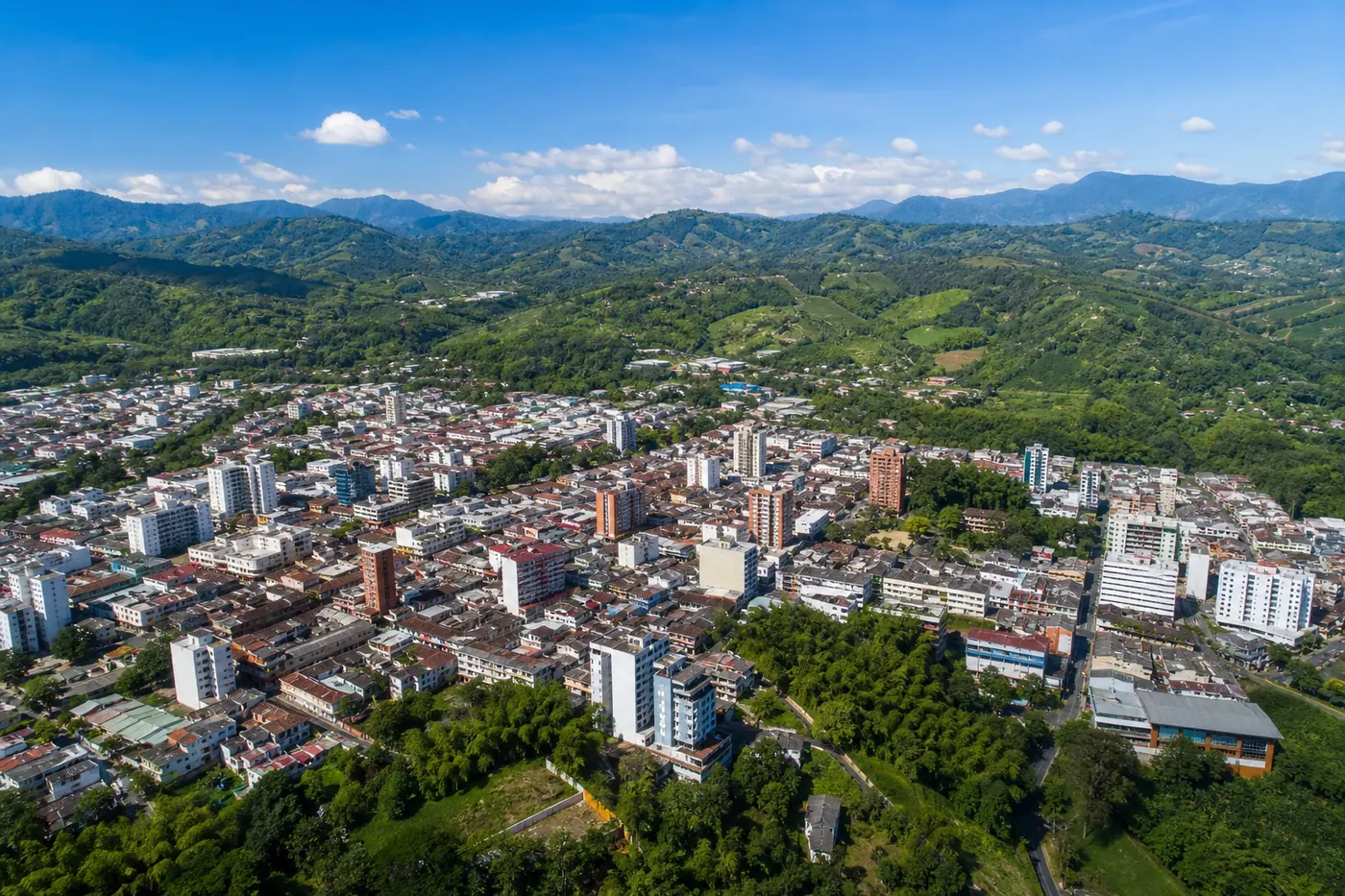
That's changing, quietly. The capital of Quindío — Colombia's smallest department — sits at 1,483 meters in the heart of the Eje Cafetero, surrounded by farms that produce around 25% of Colombia's coffee exports. Most travelers use it as a launching pad: rent the car, grab the corrientazo, then head to Salento or Valle del Cocora. The ones who linger notice they don't actually need to leave. If you want to see real-world options right now, you can browse apartments and houses on Colombia Move — posting is completely free.
Armenia is not Medellín. It doesn't have a nightlife district worth staying up late for, and the expat community is small enough that you might go weeks without meeting another foreigner. But if you want a Colombian base that's genuinely affordable, mild-weathered, and within 40 minutes of some of the most beautiful countryside in the country, Armenia deserves more than a gas stop on the way somewhere else.
What to Know First
- Altitude: 1,483m — same range as Medellín, no serious acclimatization needed
- Climate: 18–24°C year-round; wetter April–May and October–November
- Monthly budget: COP 2.0–3.5M (~$500–875) for a comfortable expat lifestyle
- Airport: El Edén (AXM) with direct flights to Bogotá, Medellín, and Cali
- To Salento: 40 min by shared van (~20,000 COP), last return around 6pm
A City That Rebuilt Itself
Armenia was founded in 1889 and grew steadily until January 25, 1999, when a 6.2 magnitude earthquake collapsed an estimated 60% of the city's structures. More than 1,000 people died. The rebuilding took most of the following decade, and that history explains why Armenia looks different from the colonial grid you'd expect in a city this old: most of what you see was built after 1999. The centro isn't charming in the Barichara sense — it's functional, modern, and oriented around business rather than tourism.
What the earthquake left is a city with newer infrastructure than its age would suggest. Public spaces were designed thoughtfully during reconstruction — the Parque de la Vida is a genuinely pleasant urban park, and the pedestrian shopping precinct around Calle 21 works well for errands. Malls like Armenia Plaza and Unicentro are the kind of functional anchors that make daily life easy without being the most interesting things about the city.
The Universidad del Quindío keeps around 18,000 students in and around the city, which ensures the coffee shop density and city-center energy that makes remote work livable. The economy runs on coffee, agribusiness, regional logistics, and some manufacturing — not a startup city, but a city that works.
Weather: Why 'Eternal Spring' Actually Holds Here
At 1,483 meters, Armenia shares Colombia's coveted eternal-spring climate. Daytime temperatures run 20–24°C; nights drop to 17–19°C. Unlike Cali down in the valley, you will not sweat through a lunch here. Unlike Bogotá, you will never need a real coat.
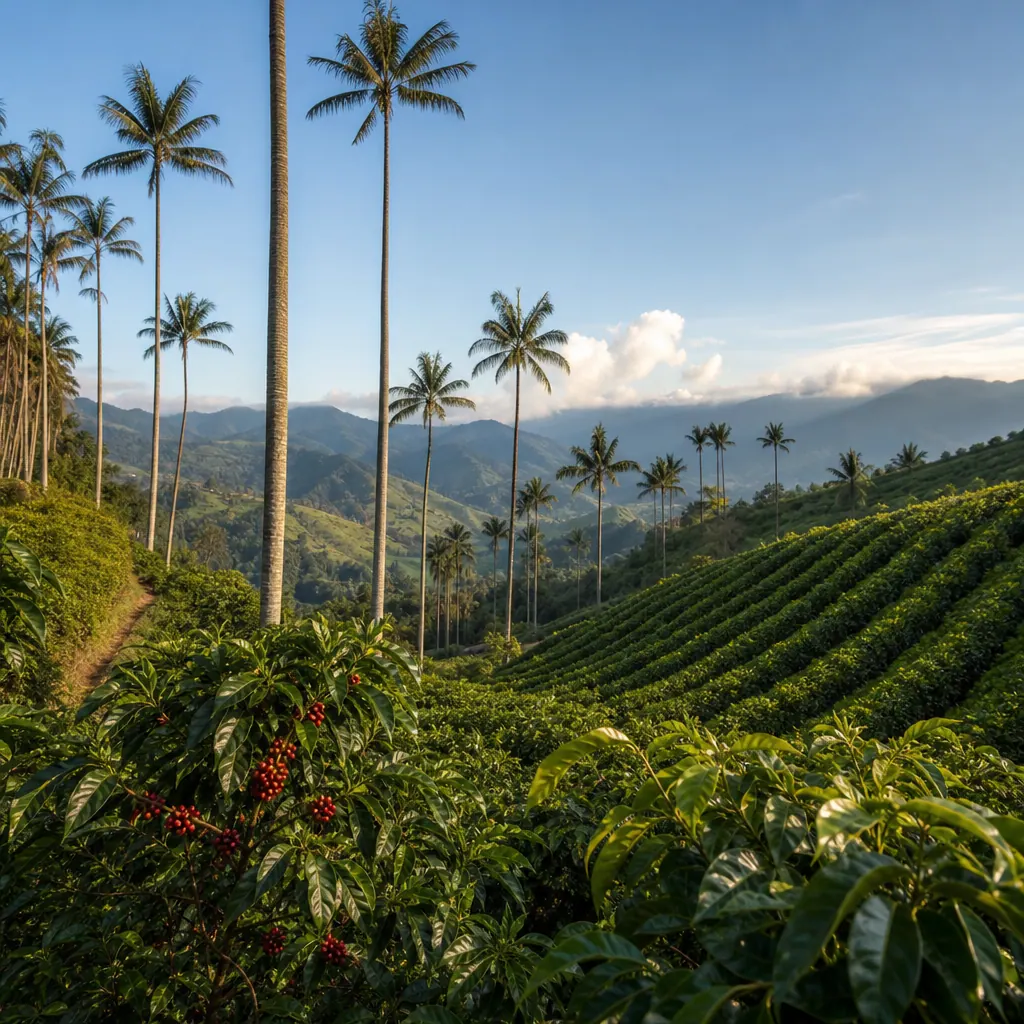
The honest caveat: Quindío is one of Colombia's rainiest departments. Two main wet seasons — March–May and October–November — bring daily afternoon showers that typically last 30–60 minutes. Carry a packable rain jacket as a permanent item in your bag. The drier months, December–January and June–August, are genuinely pleasant and the best window for hiking into Cocora valley or the higher farms.
Unlike Manizales, which can sit in cloud cover for days at a stretch, Armenia generally has visible mountains most mornings. And compared to Pereira, the higher elevation keeps temperatures from pushing into the upper 20s more than occasionally. If you're optimizing for livable outdoor weather over 12 months, Armenia has a real argument.
Best Neighborhoods for Expats
El Bosque is the practical first choice for someone arriving without a local network. It's Armenia's most developed commercial-residential corridor — good restaurants, specialty coffee shops, reliable broadband in most apartments, and enough foot traffic to feel urban without being chaotic. Expect to pay COP 1,400,000–2,200,000 monthly for a furnished 1BR. If you're arriving and need an easy orientation zone, start here.
Villa Pilar sits in the northern part of the city and has become popular with Colombian families and a small cohort of long-term foreigners. Quieter than El Bosque, with newer apartment construction and solid grocery access (D1, Éxito within walking distance). Furnished 1BR rents run COP 1,000,000–1,500,000 — the lower end of the city's expat zones.
La Castellana and the eastern residential strip toward the city's wealthier zone offer the cleanest streets and most maintained buildings, popular with local professionals. Furnished 1BR: COP 1,200,000–1,800,000. Good option if you want quiet suburban energy and don't mind being slightly further from the central commercial corridors.
Centro works for errands and market runs — Galería Central is excellent for cheap produce and local food — but I wouldn't recommend it as a base. Security is fine in daylight and inconsistent at night, and the noise and commercial chaos of the main streets make focused remote work difficult in most apartments in the area. As a neighborhood to pass through daily, fine. As a place to sleep and work, pass.
What You'll Actually Spend
The table below covers a single person living comfortably in a decent El Bosque or Villa Pilar apartment: cooking most nights, eating out three or four times a week, using local transport. Not scraping by, not burning money.
| Expense | Monthly range (COP) | Notes |
|---|---|---|
| Furnished 1BR apartment | 1,000,000–2,000,000 | El Bosque at top end; Villa Pilar at low |
| Groceries | 350,000–550,000 | D1, Éxito, and local market all present |
| Eating out | 200,000–500,000 | Local almuerzo corriente: 10,000–14,000 COP |
| City transport | 80,000–150,000 | Taxis cheap; InDrive works here |
| Internet (fiber) | 70,000–100,000 | Claro or ETB available in expat zones |
| Health insurance | 150,000–400,000 | EPS after residency; travel cover before |
| Total (comfortable) | 2,000,000–3,500,000 | ~$500–875/month |
For banking: Armenia's ATM density is lower than in Medellín or Bogotá. Bancolombia and Davivienda machines are the most reliable, with transaction fees of 10,000–15,000 pesos per withdrawal. A fee-reimbursing debit card like Charles Schwab eliminates those costs entirely — worth setting up before you arrive.
Keep Reading
Living in Pereira: The Honest Expat Guide →
The eje cafetero's busiest city — bigger than Armenia, better airport connections, noisier. A direct comparison if you're deciding between the two.
Getting Around and Day Trips
Within the city, taxis run COP 6,000–10,000 for most trips, and InDrive operates here without the Uber complications you'd hit in Medellín. There's no metro; city buses exist but the routing isn't intuitive for new arrivals. If you're staying longer than a month, a second-hand motorcycle (COP 2,000,000–4,000,000 for a reliable 125cc) opens the countryside considerably.
The day trip list from Armenia is the best argument for living here:
- Salento — 40 min by shared van (~20,000 COP from the terminal). Last van back around 6pm; don't miss it.
- Parque Nacional del Café (Montenegro) — 30 min. Coffee-themed park, better than it sounds, excellent for a half-day.
- Filandia — 45 min. Quieter Salento alternative with a viewpoint tower and less tourist pressure.
- Buenavista — 1.5 hours. Steep, quiet coffee village with some of the most scenic rural landscapes in Quindío.
- Valle del Cocora — access via Salento, another hour from there. Wax palms, cloud forest, worth a full day.
El Edén airport (AXM) is 15 minutes southwest of the city with Avianca and Wingo connections to Bogotá (~55 min), Medellín (~40 min), and Cali (~35 min). Domestic fares are affordable: COP 80,000–180,000 one way to Bogotá if you book more than a week out.
Keep Reading
Salento, Colombia: Complete Visitor Guide →
Armenia is the base; Salento is the destination. Here's what to do, where to stay, and how to time the crowds.
Healthcare, Internet, and Banking
Armenia's main private hospitals are Clínica La Milagrosa and Clínica Versalles. Private consultation fees typically run COP 60,000–120,000 depending on specialty. The public Hospital San Juan de Dios handles emergencies. Standards are adequate by Colombian mid-size city benchmarks — not Bogotá's Clínica del Country, but competent for most situations.
If you're arriving without Colombian EPS coverage — which is typical for the first months before you establish residency — having international health insurance covers the gap. SafetyWing runs around $45–100/month for most ages and covers serious illness, emergency evacuation, and hospitalization without requiring you to navigate the EPS enrollment process while you're still figuring out which neighborhood to live in.
Internet: Claro's fiber reaches most of El Bosque, Villa Pilar, and the eastern residential zones. ETB and Movistar have secondary coverage. Budget COP 70,000–100,000/month for a 100–200 Mbps fiber plan. Coffee shop WiFi in El Bosque is generally reliable for a few hours of focused work.
Who Armenia Is Actually For
Armenia works well for three types of people: those who want Eje Cafetero access without paying Medellín rents; people who genuinely prioritize mild weather and outdoor access over urban amenities; and families or couples relocating to the coffee region who need the practical infrastructure of a departmental capital without the pace of a major city.
It's probably not the right first landing spot for someone arriving in Colombia for the first time who needs a built-in expat community. It's not the right choice if nightlife matters to you, or if you need frequent international flight connections (Pereira has better frequency). And it won't satisfy anyone specifically moving to Colombia for Medellín's food scene, culture, or creative energy.
For the person who's already lived somewhere in Colombia, wants to cut costs by 30–40% without leaving the country, and has learned to value access to good countryside over access to good rooftop bars — Armenia is worth serious consideration. The expats who end up here tend to stay longer than they planned.
Have questions about Armenia or the eje cafetero?
Ask the expat community at colombiamove.com/comunidad — people living there now can give you on-the-ground answers.
Frequently Asked Questions
❓ Is Armenia, Colombia safe for expats?
Yes, by Colombian city standards. Violent crime concentrates in specific peripheral zones that expats don't typically pass through — Brasilia and some southern sectors. The main expat residential areas (El Bosque, Villa Pilar, eastern zones) are calm. Standard urban precautions apply: don't display expensive electronics on the street, use InDrive or taxis at night, and learn which parts of Centro to avoid after dark. It's safer than Cali and broadly comparable to the quieter zones of Medellín.
❓ How do I get from Bogotá to Armenia?
Fastest: fly into El Edén airport (AXM), under 60 minutes. Buses from Bogotá's Terminal de Transporte take around 8 hours through Ibagué — doable but long. From Medellín, the bus runs 4–5 hours through the Cauca valley; a domestic flight takes 40 minutes. From Cali, the drive is about 3.5 hours through Cartago.
❓ Is it worth visiting Armenia vs going straight to Salento?
For a one-week trip, no — go straight to Salento. For any extended stay or if you're making a base decision, Armenia deserves a proper look. It's where you set up the apartment, get the SIM card, find the market. Salento is beautiful but genuinely lacks practical infrastructure for extended stays: accommodation is expensive, the road becomes a traffic nightmare on holiday weekends, and working remotely from there full-time is harder than it sounds.
❓ Does Armenia have coworking spaces?
A small scene, mostly coffee-shop-based. El Bosque has several cafés with solid WiFi that function as informal work spaces — Café del Bosque and a few specialty roasters come up regularly. There's no established dedicated coworking hub of the WeWork or Selina variety. For a full-time remote worker, a furnished apartment with good fiber internet is the more practical setup.
❓ What's the best time of year to visit?
December–January and June–August are the drier months: clearest skies, best access to Valle del Cocora without turning the trails to mud, and the most comfortable conditions for hiking coffee farms. Salento fills up significantly during Colombian holiday weekends (Semana Santa, Christmas, New Year), so a mid-week visit in June or early July gives you the countryside without the crowds.




Comments
Loading comments...
Checking sign-in status...