
Jobs in Tunja: Key Sectors, Remote Work and How to Avoid Scams
Tunja offers a unique job market with the lowest informality in the country, driven by the public sector, health and education. Discover where the real opportunities are and how to apply safely.
IDIOMA DEL ARTÍCULO
Showing original language
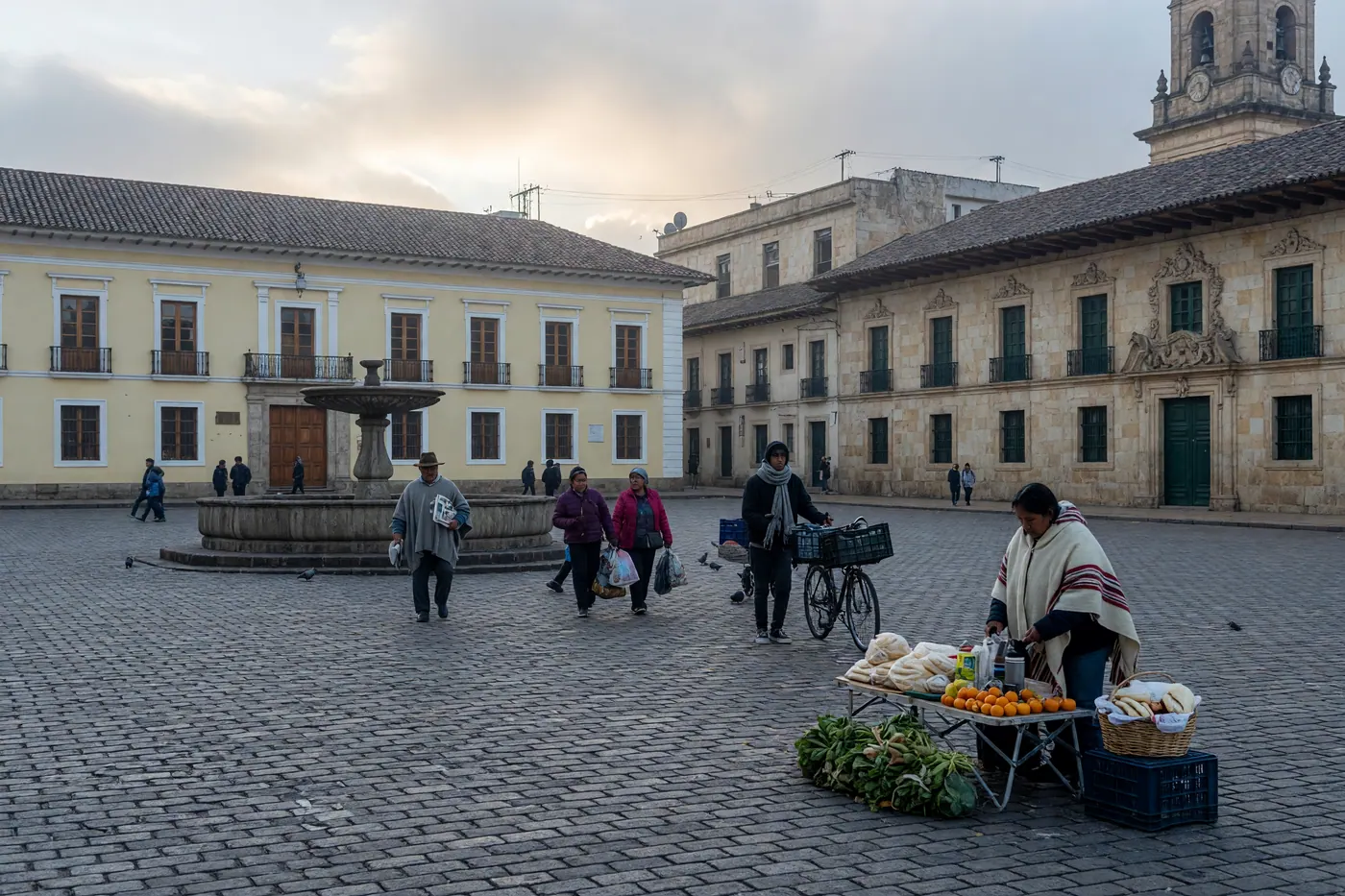
Job hunting in the capital of Boyacá requires understanding a very different dynamic from other Colombian cities. Tunja is not a center of mass manufacturing or a traditional corporate hub; it is a university, administrative, and service city. In fact, according to recent figures, the city has the highest proportional dependence on public sector jobs in Colombia, with 14.16% of its employed population linked to the State.
Although the unemployment rate in Tunja stood at 11.6% in the rolling quarter of March-May 2026 (the fifth highest in the country), the city has one of the lowest rates of labor informality in Colombia (around 35.6%). This means that the jobs generated tend to be formal, stable, and strictly governed by law. If you are planning to live in Tunja or already reside there and are looking for new opportunities, here we explain how to navigate this market.
Quick answer: the labor market in Tunja is dominated by the public sector, high-level hospitals, and universities. State hiring is done through merit competitions or through the public SECOP II platform. Additionally, its cold climate and quality of life make it ideal for remote work with national companies. Never pay for medical exams in a selection process: it is illegal.
The State Giant: Public Employment in Tunja
The State is, by far, the largest employer in Tunja. Working in the public sector here offers stability, but requires patience and knowledge of bureaucratic processes. Permanent career administrative vacancies are not published on common job portals, but are competed for through the National Civil Service Commission (CNSC).
These competitions usually require the payment of participation fees and a rigorous background check, so it is advisable to review each call carefully before registering. On the other hand, a large part of professionals in Tunja work under Service Provision Orders (OPS), contracts that are managed publicly through the SECOP II platform, where it is vital to have your RUT updated and social security contributions up to date on the current 2026 minimum wage (COP 1,750,905).
This dependence is the highest in the country: according to an ESAP analysis cited by Caracol Radio in March 2026, about 10,999 people (14.16% of the city's employed population) work directly or indirectly for the State, compared to a national average of just 3.79%. In practice, this translates to more OPS and merit competitions, and fewer traditional vacancies published on private portals.
Health and Education: The Engines of Formality
If your profile is in the health or education field, Tunja is one of the best places in Colombia to seek stability.
In the health sector, the main employers are the E.S.E. Hospital Universitario San Rafael de Tunja (Level 3), the E.S.E. Santiago de Tunja (Level 2), and entities such as the Centro de Rehabilitación Integral de Boyacá (CRIB). It is important to clarify that hiring for permanent positions in these public hospitals is also governed by merit competitions, while private clinics handle more traditional selection processes. In all cases, it is mandatory to be registered in the RETHUS (National Single Registry of Human Talent in Health).
In the educational field, the Universidad Pedagógica y Tecnológica de Colombia (UPTC), headquartered on Avenida Central del Norte, and the Universidad Santo Tomás Seccional Tunja, are giants that generate hundreds of administrative and teaching jobs. For public schools, provisional vacancies are managed through the Ministry of Education's Master System.
Remote Work and BPO from Tunja
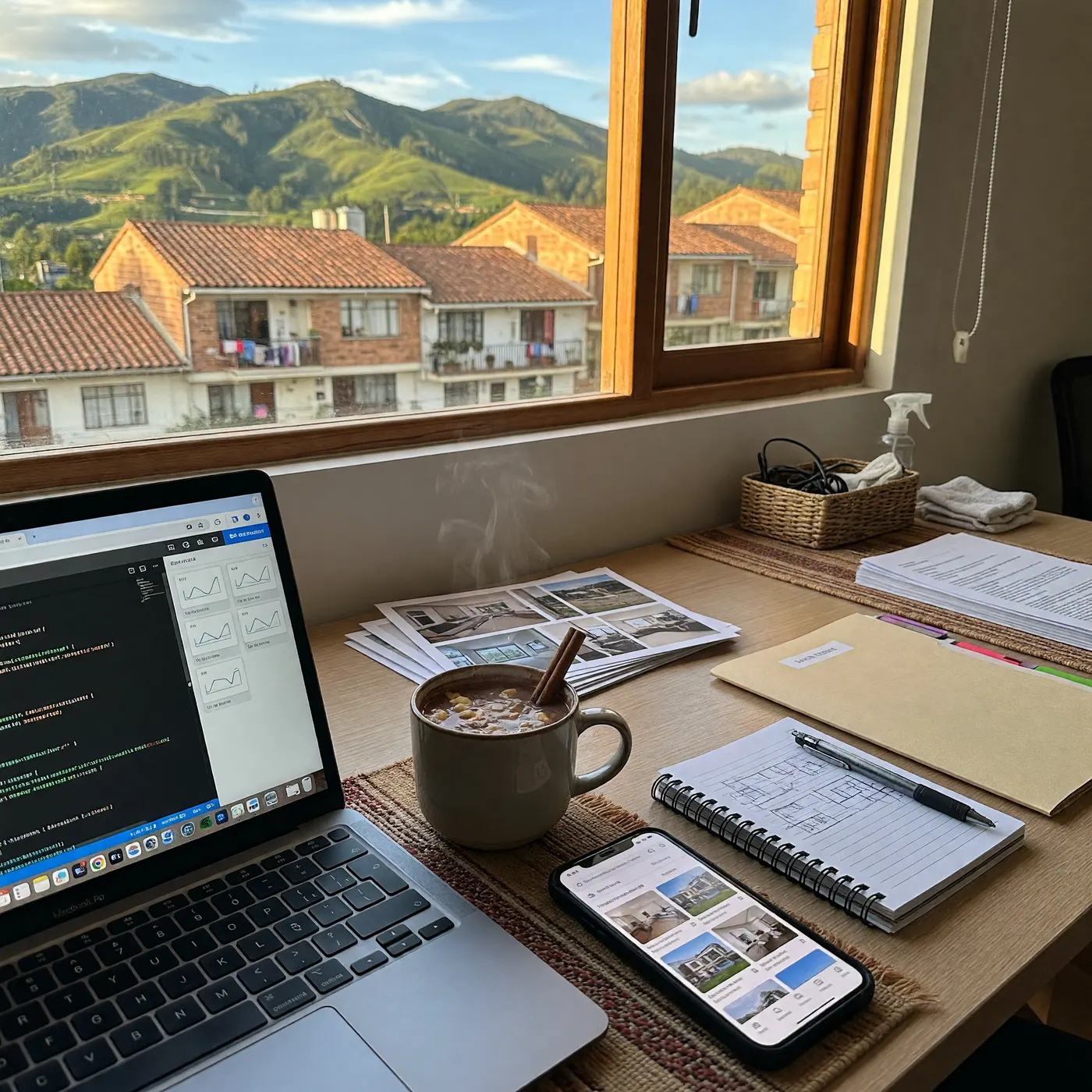
Tunja has a huge competitive advantage for local digital nomads: excellent connectivity, reasonable cost of living, and a cold climate that invites you to stay home. However, honestly, do not expect to find large multinational BPO companies with giant physical offices in the city.
The real opportunity lies in remote work. Many Boyacá professionals work from Tunja for technology, marketing, or customer service companies located in other regions. If you are looking for jobs in Bogotá in administration or customer service,, many of those offers today are 100% remote and hire talent in Tunja, so it is worth applying regardless of where you are based.
Safe Channels to Find Employment and Avoid Scams
The desperation to find work sometimes leads to falling for fraud. Recruitment scams are common, and many use fake SENA or SECOP logos to deceive candidates.
- Never pay for exams: it is illegal in Colombia for an employer or intermediary to charge you money for entrance medical exams, psychometric tests, or training. If they ask you for a wire transfer or transfer to "secure your spot", it is a scam.
- Use official channels: rely on the SENA Public Employment Agency, which is 100% free. Knowing the options of a free job board in Colombia will save you headaches.
- Prepare your profile: health and education institutions in Tunja are very formal. Make sure you know how to make a CV that gets interviews, highlighting exact dates and functions, as required by the public sector.
As exclusive data, according to active announcements in the jobs section of Colombia Move (July 2026), there are currently 0 announcements published in the 13 categories of that section (technology, health, administration, education, and more) compared to a reference goal of 52 announcements to cover typical sector demand. That is, there is almost no visible competition yet for companies that want to post a vacancy.
Post Your Vacancies on Colombia Move
If you are an employer, business owner, or manage human resources at a clinic or institution in Tunja, finding local talent should not cost you a fortune in commissions to recruitment agencies.
Frequently asked questions
❓ What is the current unemployment rate in Tunja?
The unemployment rate in Tunja stood at 11.6% during the March-May 2026 quarter, positioning it as the fifth city with the highest unemployment in the country. However, it maintains one of the lowest rates of labor informality in Colombia (around 35.6%) due to the high formality of its health, education, and government sectors.
❓ How can I apply for jobs at Hospital San Rafael de Tunja?
To work at E.S.E. Hospital Universitario San Rafael de Tunja (or other public entities like E.S.E. Santiago de Tunja), the 2026 calls are conducted officially through merit competitions by the National Civil Service Commission (CNSC), or through direct contracting processes published on the state platform SECOP II.
❓ Is it a scam if they charge me for medical exams in a selection process in Tunja?
No: charging for medical exams, psychometric tests or training during a selection process is illegal in Colombia. Current labor regulations in 2026 protect applicants, so if they ask you for money to "secure your spot", it is a labor scam.
❓ What remote work opportunities exist for professionals in Tunja?
Tunja offers good access to remote jobs in software development, technical support, digital marketing and customer service (BPO). Its excellent connectivity and educated population attract hiring from national and multinational companies based in Bogotá or Medellín.
❓ Where can I post job offers for free in Tunja?
You can post vacancies 100% free and without intermediaries in the Jobs section of Colombia Move, connecting directly with local professionals and technicians in Boyacá.
❓ Why does Tunja depend so much on public employment?
Tunja is the city with the highest dependence on public employment in Colombia, with 14.16% of its employed population (about 10,999 people) linked to the State. This is almost four times the national average of 3.79%, according to ESAP figures cited in March 2026, and explains why so many local vacancies go through merit competitions or SECOP II instead of private portals.



Comments
Loading comments...
Checking sign-in status...