
Living in Leticia, Amazonas: Cost of Living Guide, Services and Residential Reality
Discover the logistical reality and true costs of settling in the capital of the Amazon. Everything you need to know about rent, water, electricity and transportation.
IDIOMA DEL ARTÍCULO
Showing original language
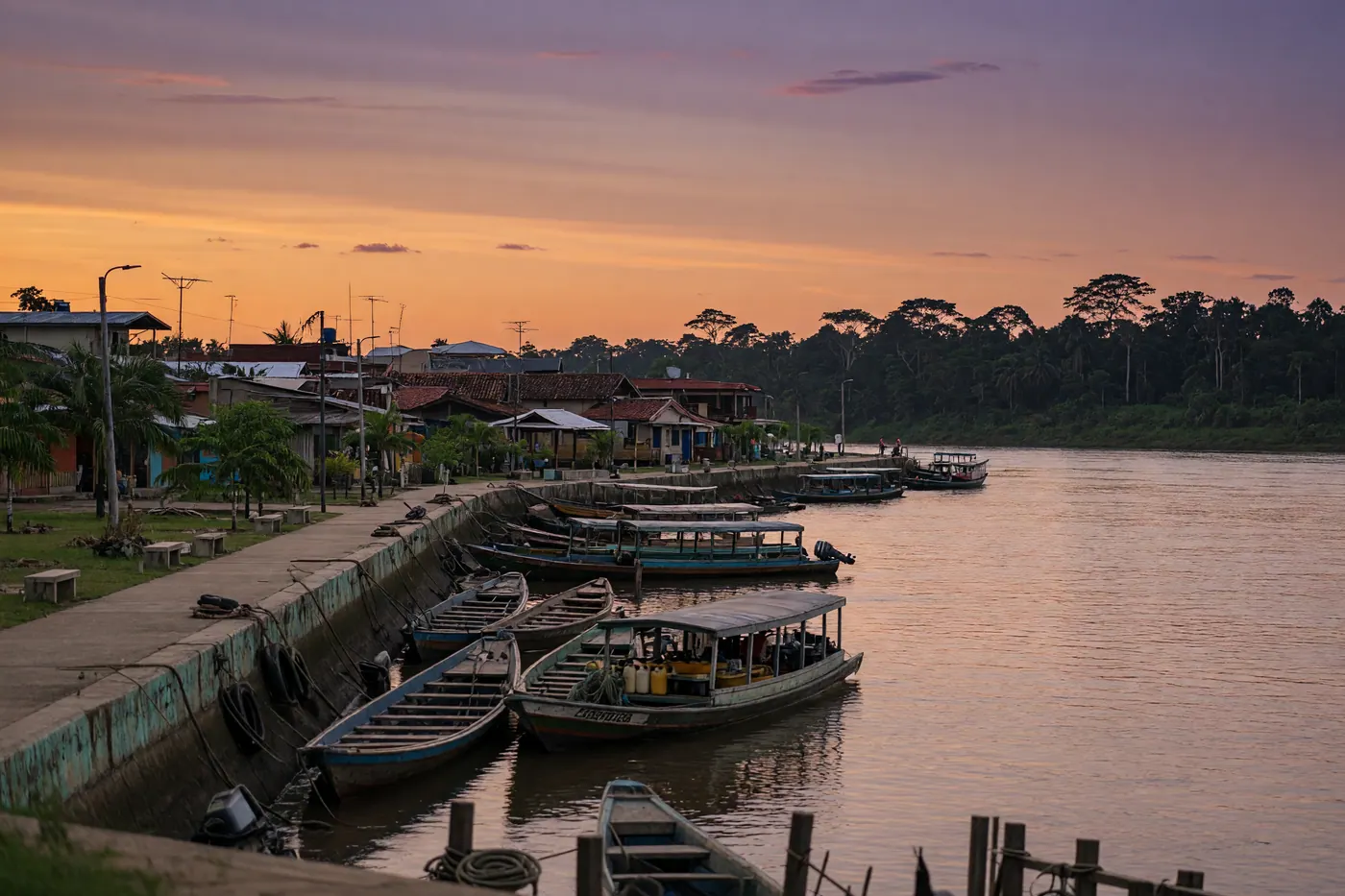
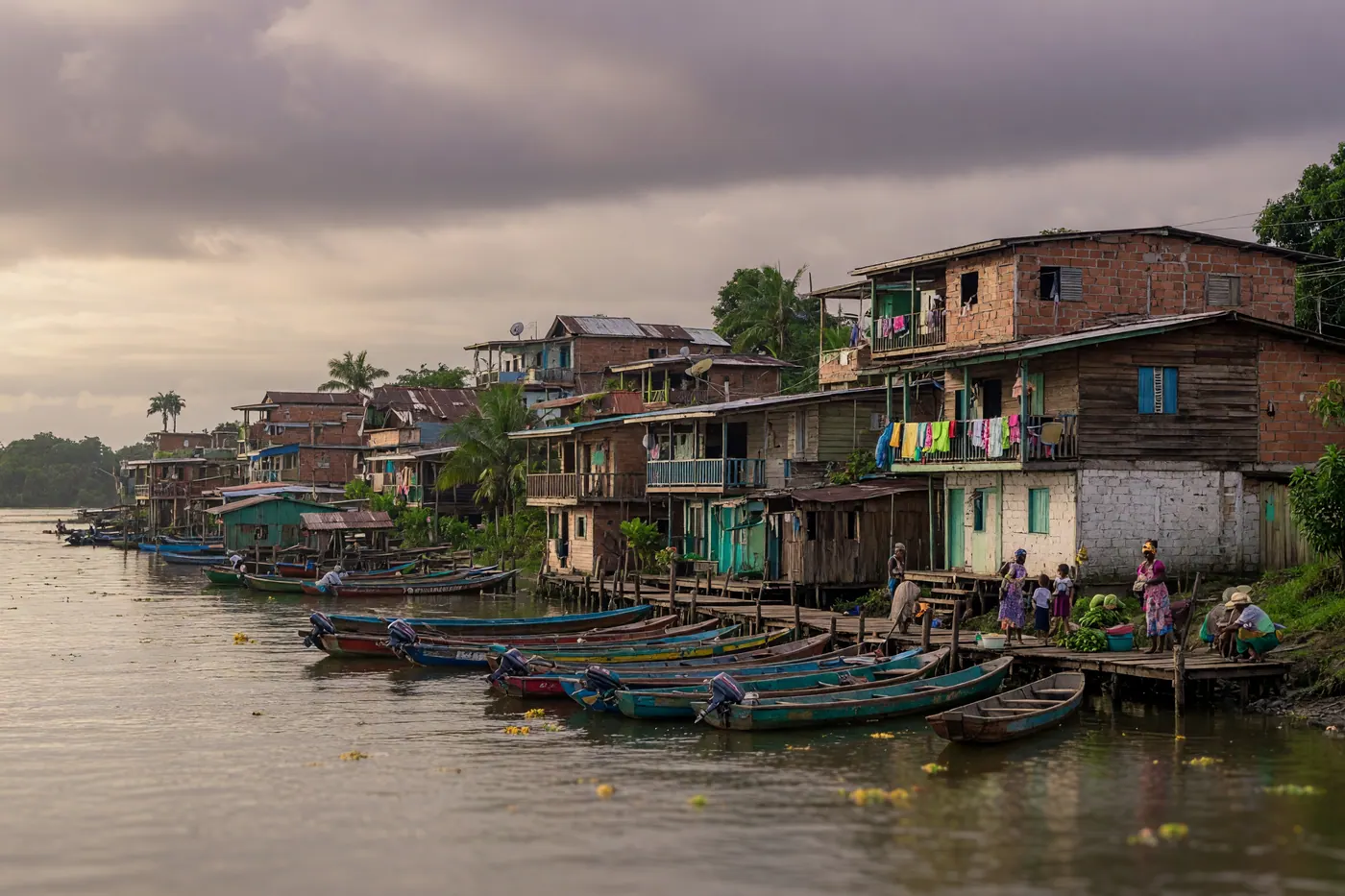
I've seen many people arrive in Leticia assuming it's just a starting point to see pink river dolphins or venture into the jungle. But if your plan is to settle here for work, an NGO project, or as a digital nomad, daily logistics is a different story. Leticia is a unique city: there are no roads connecting it to the rest of the country. All supplies arrive by plane or by navigating the Amazon River.
With the 2026 minimum wage set at COP 1,750,905 (plus transportation allowance of COP 249,095) and prices rising due to the logistics of bringing almost everything by plane or boat, the cost of living here has particularities you won't find in other best cities to live in Colombia. Here I tell you the reality of rents, public services, and how to get around on the border.
Geographic isolation and supply logistics
Terrestrial isolation defines almost everything in Leticia. With no road connection, fresh food, construction materials, and fuel arrive by air cargo from Bogotá or on very long river routes along the Amazon. This drives up the basic basket: if you're used to supermarket prices from the interior of the country, prepare yourself for a notable markup on almost any packaged or imported product. It's a logistics scenario similar to what those who decide to live in Mitú, another departmental capital with no road access, face.
The rental market in Leticia
The local real estate market is very informal. A one-bedroom apartment can cost you between COP 600,000 and COP 1,000,000 per month, depending on whether you're in the center or on the outskirts. Honestly, the supply of spaces with modern finishes is limited and almost everything moves by word of mouth between neighbors and acquaintances.
According to Colombia Move's internal data (July 2026), 37 recent searches for temporary housing in peripheral areas of the region found no available options on the platform. It's a clear signal: there are people looking for where to stay in Leticia, but very few homeowners are registering their space there yet.
If you have a room or apartment to rent in Leticia, you can add it for free on Colombia Move and appear in the housing section so people arriving in the city can contact you directly via WhatsApp.
Public services: the daily challenge of water and electricity
The water coming out of the tap in Leticia is not suitable for human consumption. Period. To drink and cook it's essential to buy "garrafones" of purified water in 5-gallon containers, a local industry that sustains the daily life of residents. Get used to budgeting for the weekly purchase of these garrafones.
The city is also not connected to the national electrical grid. Energy depends on a diesel generation plant operated by ENAM S.A. E.S.P., which makes rates higher than in the rest of the country and makes the service vulnerable to blackouts or scheduled suspensions for maintenance. With the warm and humid climate described in the climate regions of Colombia, having the fan or air conditioning on for much of the day will weigh on your monthly bill.
Connectivity: working from the jungle in 2026
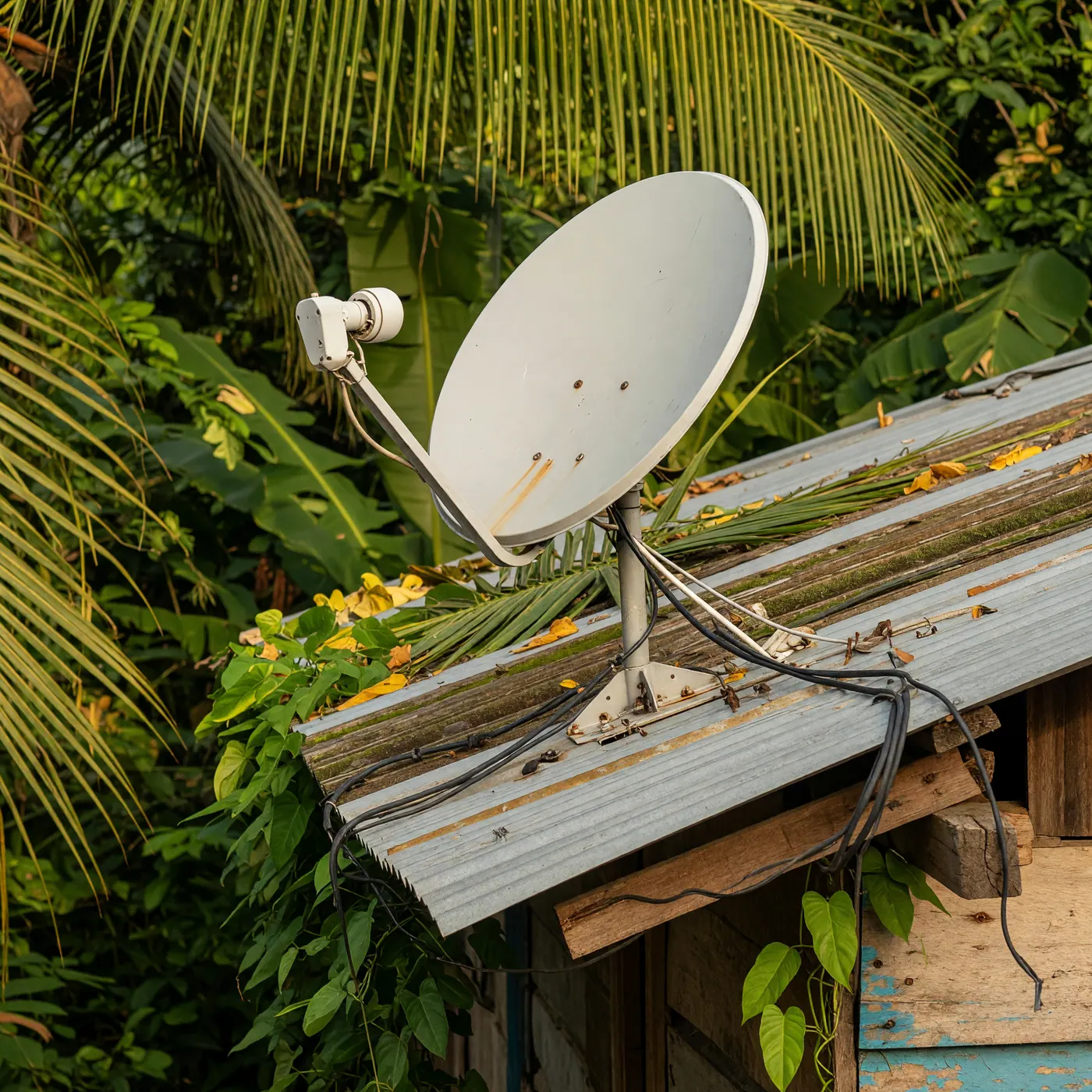
If your work depends on being connected, I would completely skip the idea of relying on local mobile networks. Although there is a submarine fiber optic cable designed to improve internet in the region, local distribution is still weak and cell signal drops frequently. Today, Starlink is the most reliable option for anyone who needs to work from here: the initial investment in equipment is around COP 1,600,000, plus a monthly fee of between COP 150,000 and COP 200,000. It's a fixed cost you need to factor into your budget if you plan to stay.
Life in the Triple Border (Colombia, Brazil, Peru)
Living here means crossing daily to Tabatinga (Brazil) and, by boat, to Santa Rosa (Peru). The land border with Brazil is open and informal for daily life: you can walk or go by motorcycle to shop and pay in reals, soles, or Colombian pesos without much problem. But watch out: if you're going to take a flight from Tabatinga airport or a boat to Iquitos, you have to stamp your exit at Colombia Immigration before moving beyond the border zone. For more details on this crossing, check out our triple border guide.
Local transportation
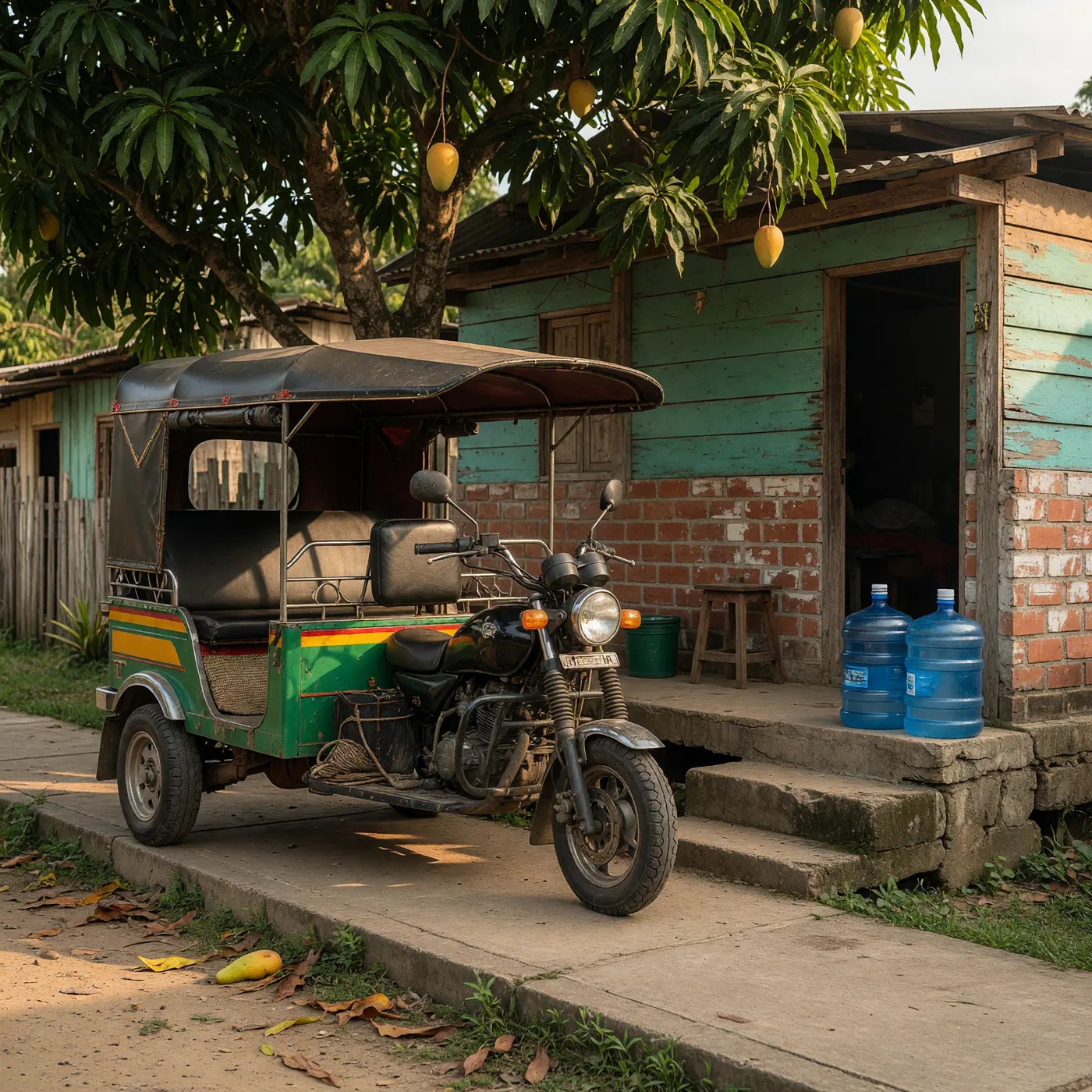
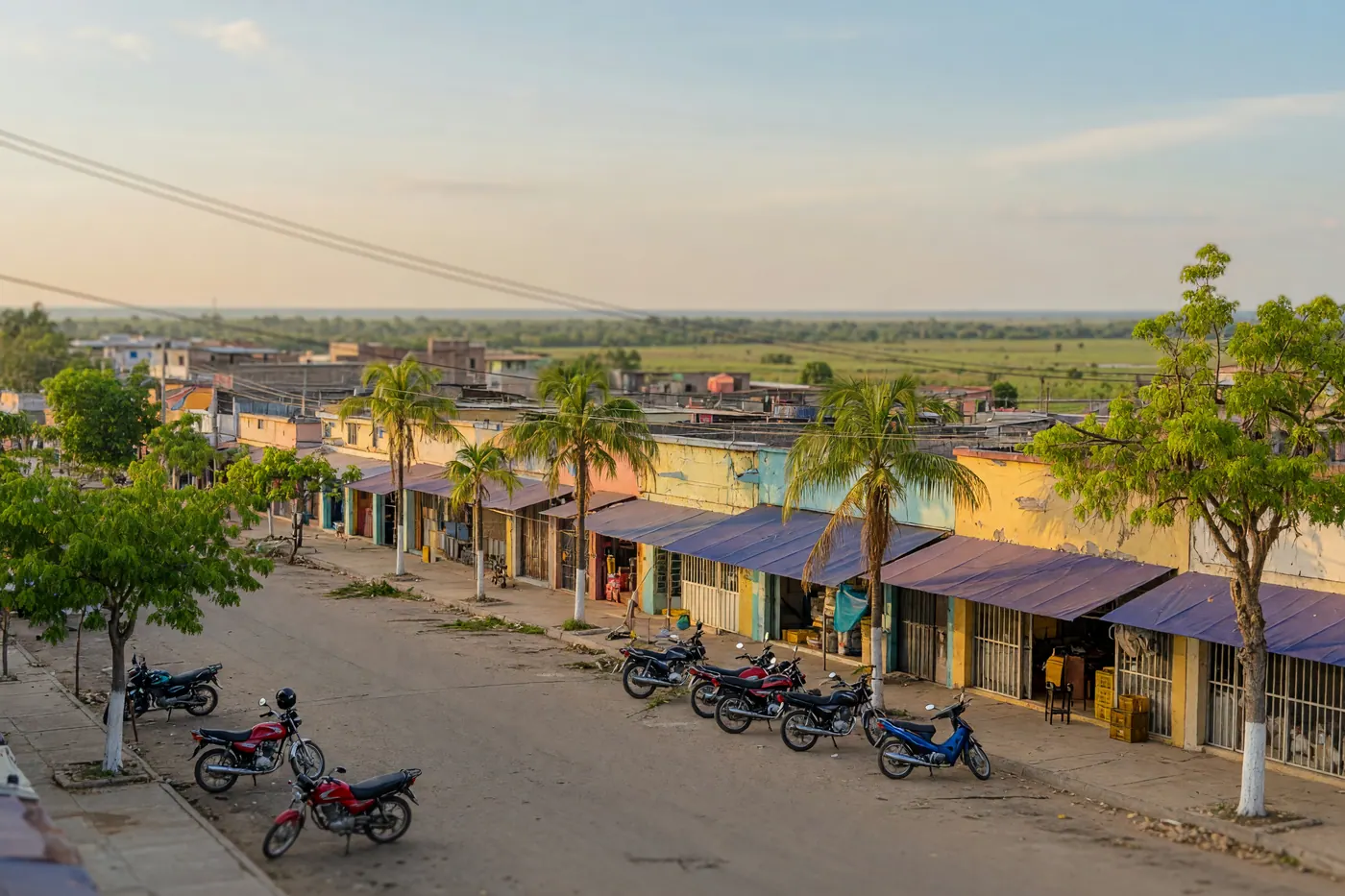
In Leticia you won't find traditional rental cars painted yellow or platforms like Uber operating formally; here forget about requesting a car by app. Urban transportation is dominated by motorcycles and three-wheeled tuk-tuks, also called motocarros. If you plan to stay for a good while, buying a small used motorcycle is almost a necessity to move independently between downtown, the airport, and the border with Brazil.
Settling in Leticia has a good side: relatively high safety for the city's size, nature around the corner, and a cultural mix you won't see in any other Colombian capital. The uncomfortable side is the cost of services, total dependence on planes and boats, and a daily life that demands more patience than in Bogotá or Medellín. If you already know that going in, you'll adapt faster than you think.
Frequently asked questions
❓ How much does an average rent cost in Leticia?
A one-bedroom apartment costs between COP 600,000 and COP 1,000,000 per month in 2026, depending on proximity to downtown. The supply with modern finishes is limited, so it's best to start searching several weeks in advance and ask directly in the area where you want to live.
❓ Is it safe to drink tap water in Leticia?
No, the water from the local aqueduct in Leticia is not suitable for human consumption, according to local reports from 2026. It's essential to buy 5-gallon containers of purified water for drinking and cooking, a purchase that is part of the daily routine of any resident.
❓ What is internet like in Leticia for remote work?
Mobile and local networks remain unstable in 2026. The most reliable option is to install Starlink, which requires an initial equipment investment of around COP 1,600,000 and a monthly fee of between COP 150,000 and COP 200,000.
❓ Do you need a passport to cross to Brazil or Peru from Leticia?
For daily crossing to Tabatinga (Brazil) or Santa Rosa (Peru) no passport or migration procedure is required. However, if you're going to travel beyond the border zone, for example to take a flight or boat to another city, you must register your exit at Colombia Immigration.
❓ How do you get to Leticia from Bogotá or other cities?
You can only reach it by air or river in 2026, since there are no roads connecting Leticia to the interior of Colombia. Main flights depart from El Dorado Airport in Bogotá to Alfredo Vásquez Cobo Airport.

Comments
Loading comments...
Checking sign-in status...