
Living in Quibdó, Chocó: Cost of Living, Extreme Weather, and Daily Reality
Everything you need to know before moving to Quibdó: housing, extreme weather, public utilities, mobility, and daily challenges in the capital of Chocó.
IDIOMA DEL ARTÍCULO
Showing original language
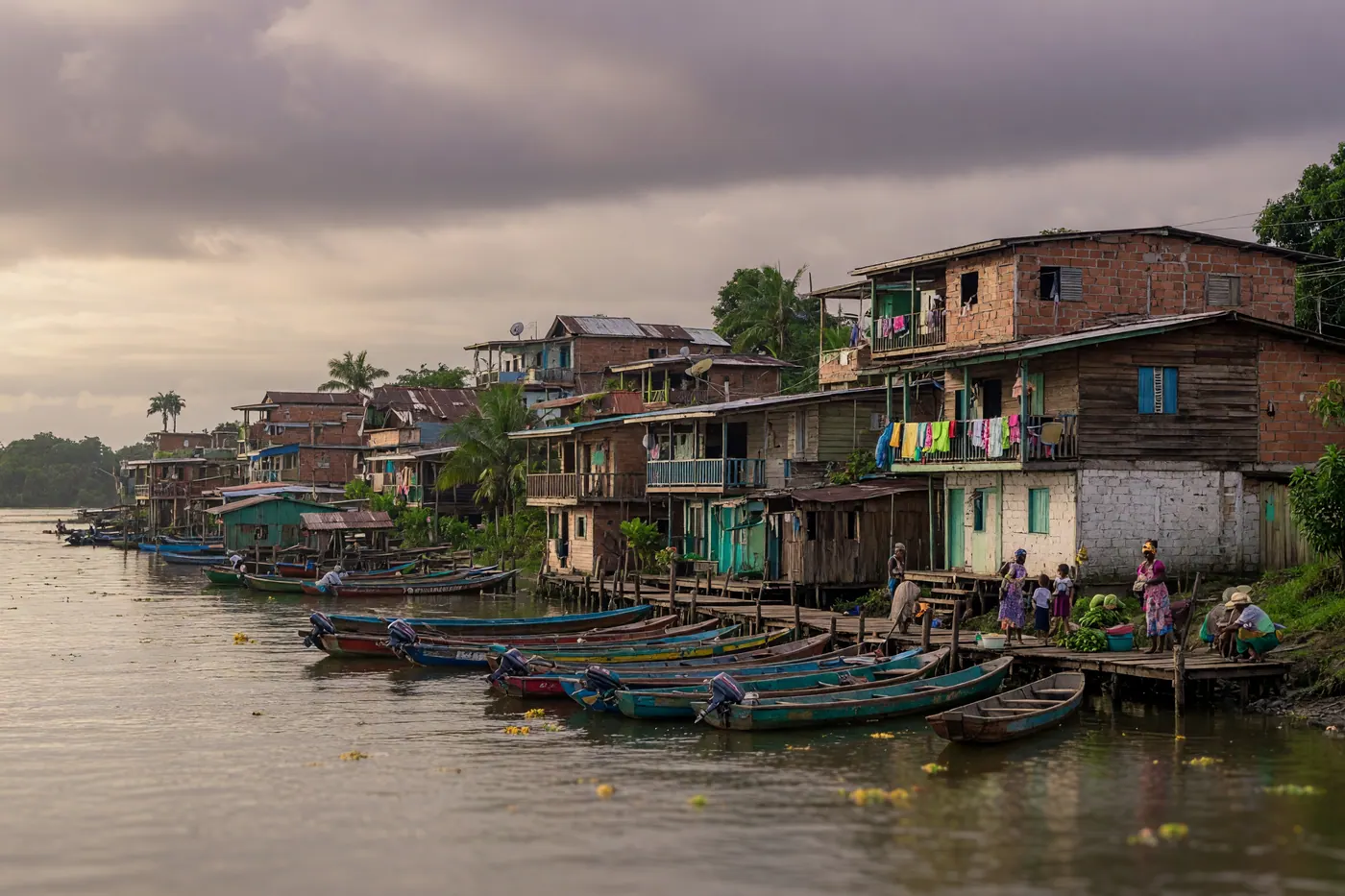
Hello everyone! If you are reading this, you have likely just been confirmed for a job transfer, an NGO project, or a teaching position in the capital of Chocó. Quibdó is a city that vibrates with immense cultural richness—the San Pacho Festivals are life-changing—and it is surrounded by unique biodiversity on the banks of the majestic Atrato River. But I am going to be completely honest with you: moving here requires adaptation. It is not a destination for everyone, and understanding the reality of its infrastructure, climate, and public services will save you many headaches.
As always, at Colombia Move we give you the full picture so you can make informed decisions. If you are interested in exploring other options in the country before deciding, you can check out our guide on the best cities to live in Colombia. If you want to see real options right now, you can post your services for free on Colombia Move — posting is completely free.
The climate of Quibdó: Adapting to constant rain
Quibdó has a humid equatorial climate and records one of the highest rainfall levels on the planet. We are talking about an annual average that exceeds 8,000 millimeters of rain. Watch out for this: it rains almost daily here, especially with intense downpours in the afternoons and evenings. It is no exaggeration to say that an umbrella will be an extension of your arm.
Relative humidity averages 84%, with constant temperatures between 26°C and 28°C. Lightweight, breathable, and quick-drying clothing is your best ally. If you want to compare this extreme climate with the rest of the country, take a look at our guide to Colombia's climatic regions.
The housing market and rental costs
The cost of living here has its peculiarities. Although one might think it is very cheap, the logistical costs of transporting goods from the interior to the Pacific make some products more expensive. However, regarding housing, residential rents in Quibdó range from $1,000,000 COP per month for simple studio apartments to $2,300,000 COP for 3-bedroom apartments in stratum 3 sectors.
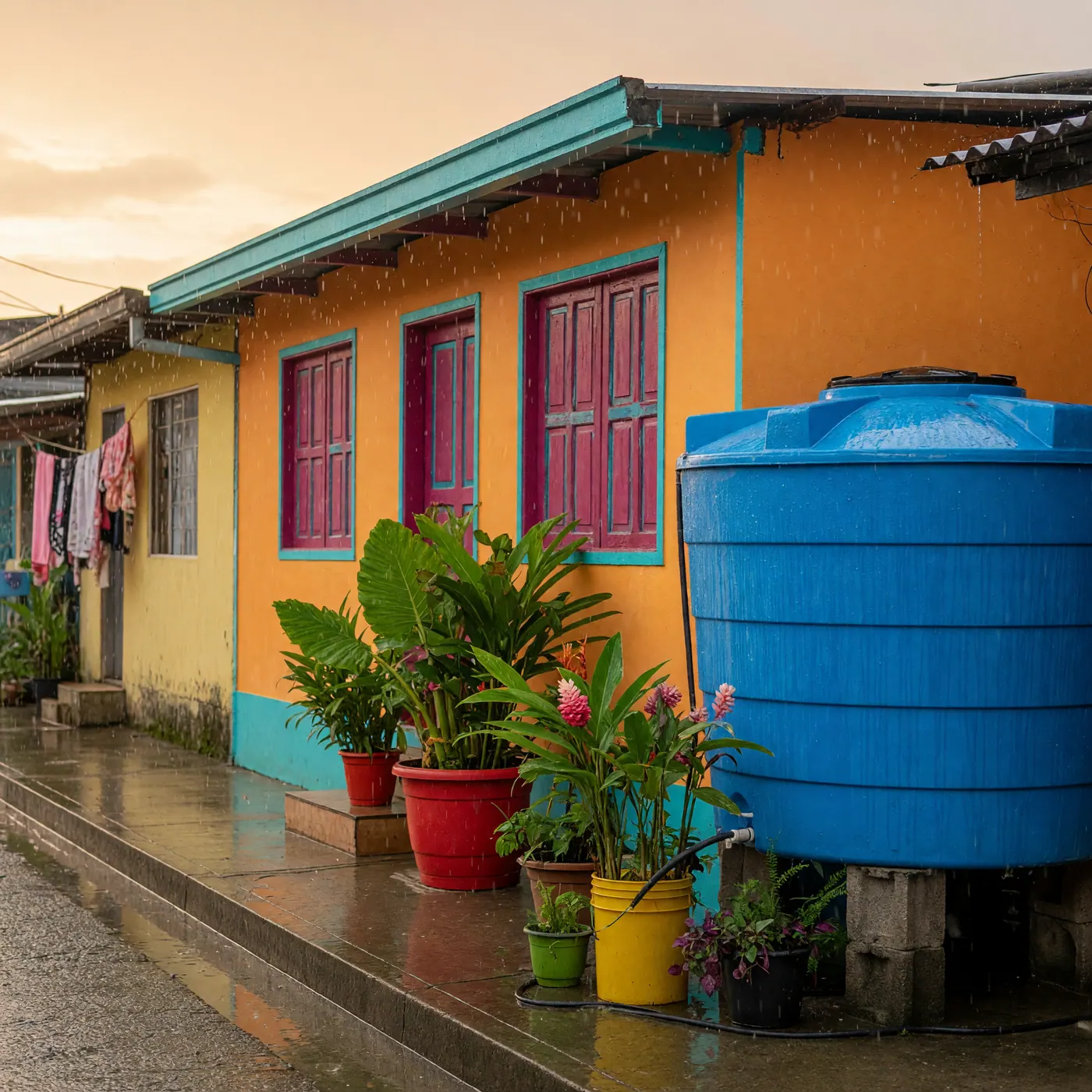
Nationally, it remains a competitive option compared to the large Andean capitals (you can see more in our analysis of the cheapest cities to live in Colombia). The most important thing when looking for a rental: never rent a place that does not have a water reserve tank or a good domestic rainwater harvesting system. It is a non-negotiable requirement for living with peace of mind.
According to data from our platform (July 2026), there is a constant need for properties in the region. In fact, 35 recent searches on the marketplace found no results in this housing category, which represents a great opportunity for local landlords to list their spaces.
Public services: The reality of water, electricity, and connectivity
This is where the city presents its greatest structural challenges, and it is better to be mentally prepared. Official aqueduct coverage in Quibdó is approximately 52.64%, sewage is just 16.05%, and urban waste collection reaches 99.8%. EPM (under the Aguas del Atrato brand) operated the system for 17 years and formally handed over operations on June 30, 2025. Since July 1, 2025, Empresas Públicas de Quibdó E.S.P. in Liquidation (EPQ E.S.P. en Liquidación) has directly managed the aqueduct, sewage, and waste collection, while a Master Plan funded by the National Government is underway.
Piped water is usually intermittent (typically up to 16 hours a day in areas with a network). Regarding energy, DISPAC S.A. E.S.P. is the main provider, and voltage fluctuations are common, so I recommend using regulators for your equipment. For internet, there are mobile networks and local providers like TESERPAC, but be patient: broadband stability often suffers during the strong thunderstorms characteristic of Chocó.
Mobility and transport: Getting around in and out of Chocó
Within the urban area, motorcycle taxis are the king of mobility. It is a fast means of transport that gets you out of trouble in the middle of local traffic, although I always recommend getting a trusted driver, known as a "mototaxista de cabecera".
To enter or leave Chocó, land connections with Medellín (216 km) and Pereira (246 km) are a true adventure. They are vulnerable to closures due to landslides caused by the humid geography and public order factors. The road to Pereira was reopened on July 7, 2026, after ELN blockades in the Tadó sector that required military intervention. In June 2026, the national government awarded an investment of $363,254 million pesos through Invías to intervene in 18 critical points on the Quibdó-Medellín and Quibdó-Pereira roads, which may improve transitability in the medium term. Even so, due to the historical instability of these routes, the fastest and safest option remains El Caraño Airport, with direct flights of approximately one hour to Bogotá and Medellín.
Security and recommended sectors
Let's be clear about security, a vital issue for your peace of mind. The perception of insecurity in the city reaches 89% according to DANE surveys, driven by complex public order dynamics and the presence of local gangs.
I would skip looking for housing in peripheral areas of the north and west, or in high-complexity neighborhoods like El Reposo and Calle Quibdó. If you are moving for work, focus on traditional central areas (Sector 1, near the Atrato River or the Hospital), consolidated residential areas like San Vicente, or sectors near El Caraño Airport. Keep a low profile, take basic urban security precautions, and always rely on your local colleagues to understand the dynamics and invisible borders of each neighborhood.
Frequently asked questions
❓ How much does it cost to rent an apartment in Quibdó in 2026?
The cost of a residential rental ranges from $1,000,000 COP for simple studio apartments up to $2,300,000 COP per month for three-bedroom apartments in stratum 3 residential sectors. Prices vary depending on the availability of a water reserve tank and proximity to the city center.
❓ How does the drinking water service work in homes in Quibdó?
The service has been operated since July 2025 by EPQ E.S.P. in Liquidation, following EPM's definitive exit on June 30, 2025. Urban water coverage is 52.64% and the supply is usually intermittent, averaging 14 to 16 hours a day in areas connected to the network. For this reason, almost all homes depend on elevated storage tanks and domestic rainwater harvesting systems to guarantee daily supply.
❓ Which neighborhoods are most recommended for living in Quibdó?
It is recommended to look for housing in traditional central areas (Sector 1, near the Atrato River or the Hospital), consolidated residential areas like San Vicente, or sectors near El Caraño Airport. It is best to avoid the northern and western peripheral areas for security reasons.
❓ How safe is it to travel by land to Quibdó from Medellín or Pereira?
The roads to Medellín (216 km) and Pereira (246 km) are passable but very demanding: they combine landslides due to the humid geography and public order risks. The road to Pereira was reopened on July 7, 2026, after ELN blockades in Tadó that required military operations. In June 2026, Invías awarded 363.254 billion pesos to intervene in critical points on both roads, but connectivity remains unpredictable. For many residents and frequent visitors, flying to El Caraño Airport remains the most reliable option.
❓ What internet and connectivity options are available in the city?
Quibdó has coverage from the main national mobile operators and local telecommunications companies like TESERPAC. However, broadband stability can be temporarily affected during the heavy thunderstorms that characterize the region.
Comments
Loading comments...
Checking sign-in status...