
Living in Puerto Carreño, Vichada: cost, climate and life on the border
Everything you need to know before moving to the capital of Vichada. A realistic look at rents, the plains climate and connectivity challenges.
IDIOMA DEL ARTÍCULO
Showing original language
Quick answer: Moving to Puerto Carreño in 2026 requires logistical preparation. Rentals in safe areas range from $1,200,000 to $1,800,000 COP, temperatures exceed 38°C in summer, and access depends almost exclusively on Satena flights or river navigation in winter. Traditional connectivity is unstable, so satellite internet has become essential for work.
Arriving at the capital of Vichada is coming face to face with the immensity of the Orinoco River. Puerto Carreño is not a city for everyone; it is a border destination that tests your capacity to adapt. If you are transferred for work, are a public official, or seeking an opportunity in the Orinoquía, there are logistical realities that tourist brochures don't tell you about.
Honestly, if you can't tolerate extreme heat or depend on traditional fiber optic, the first few months will be tough. Historic blackouts and the surcharge on fresh food are daily frustrations you need to budget for. But it is also a place with an economy in transformation and housing opportunities that are just beginning to go digital.
Climate and geography: The plains heat and the rivers
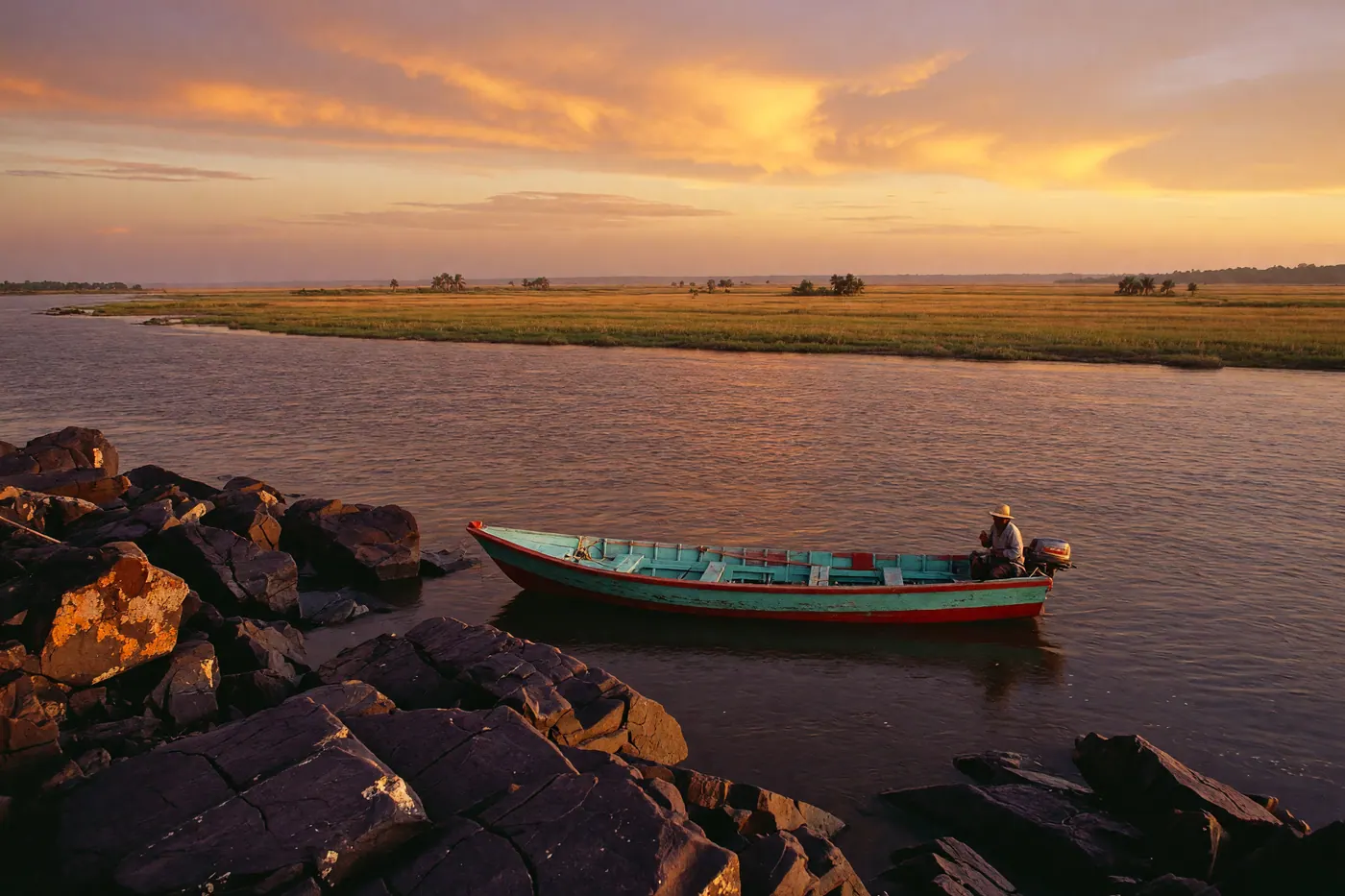
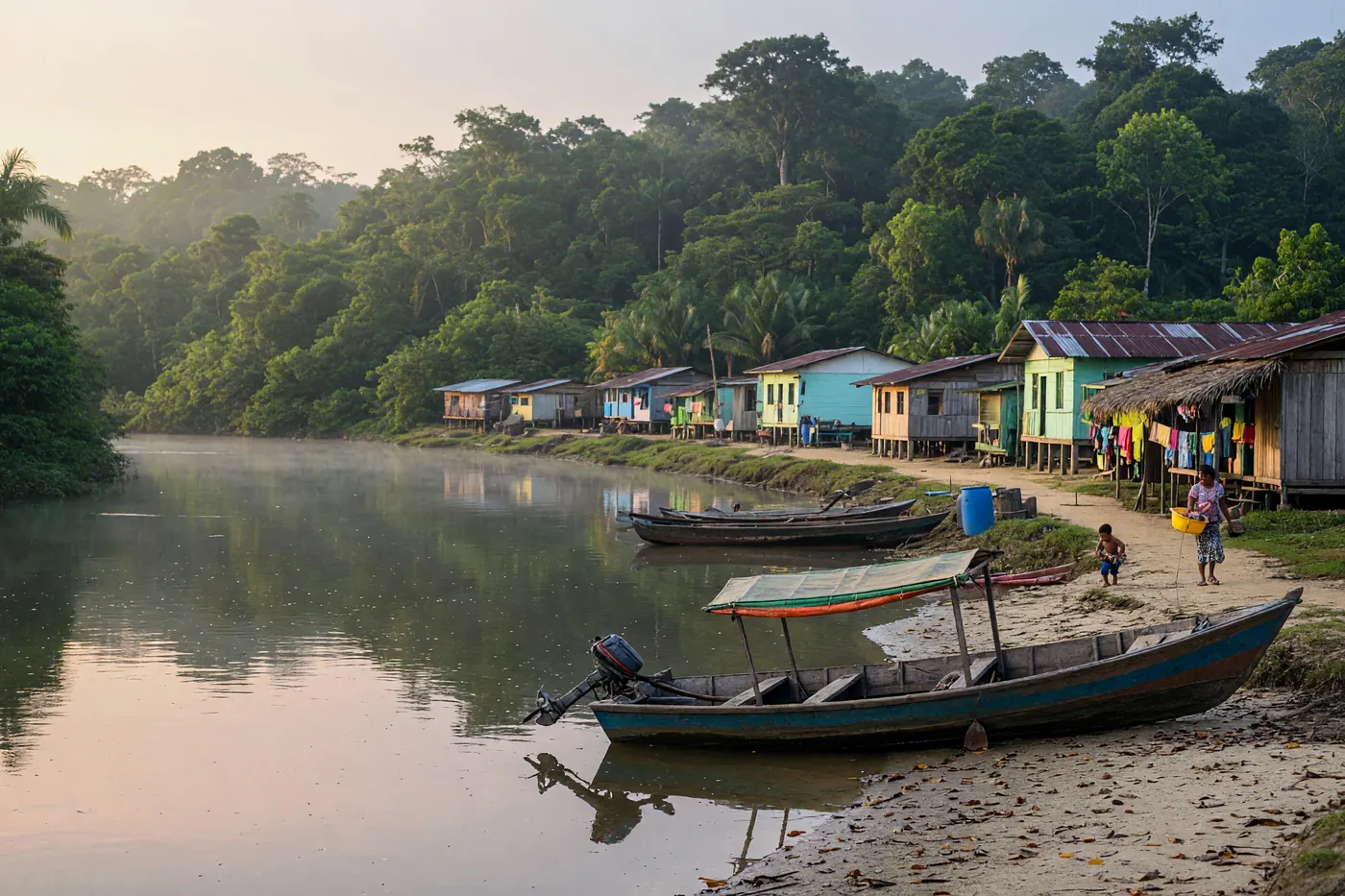
Puerto Carreño is surrounded by three water giants: the Meta River to the north, the Orinoco to the east, and the Bita to the south. This geography defines absolutely everything in the city, from how food arrives at supermarkets to where you can build your house.
The climate is tropical savanna, which means you will experience extreme temperatures that regularly reach 38°C to 40°C in the summer months (December to March). During this time, dust and drought dominate the landscape. If you come from milder climates and want to compare, the heat index and the rigor of the plains sun are even more intense than living in Yopal.
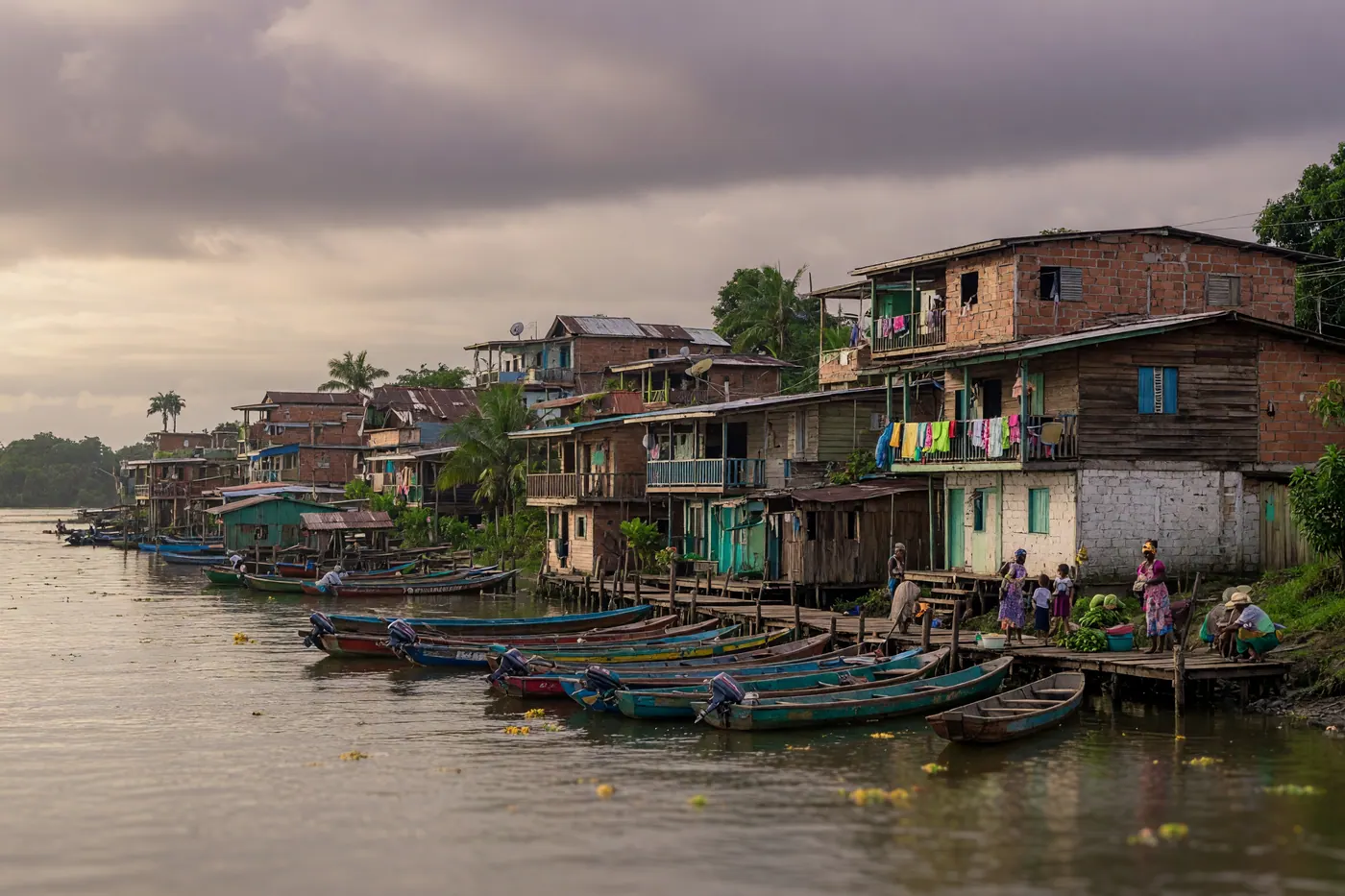
On the other hand, the rainy season (May to November) brings a real risk of periodic flooding from river swelling, heavily affecting neighborhoods built in low-lying areas.
Best neighborhoods: Where to live safely
Choosing where to rent in this capital is not just a matter of aesthetics, it is a matter of safety against the winter season. I would skip any offer in low-lying and flood-prone sectors like Santa Teresita, El Espartillal, or San José, no matter how cheap the monthly rent seems.
The high and recommended areas to look for housing are Centro, Arturo Lizarazo, Calarcá, and El Picacho. Precisely in El Picacho, urban development has improved with the opening of "Parque Picacho" in the Virgilio Barco neighborhood at the end of 2025, a community development project that has given relief to the infrastructure of this sector.
Cost of living and rentals in Puerto Carreño
Geographic isolation has a direct price on your wallet. The cost of living is high due to transportation costs from the interior of the country. A tomato, an onion, or any fresh food can cost considerably more than in Bogotá or Medellín, since everything arrives by air or after several days of travel on the Meta River.
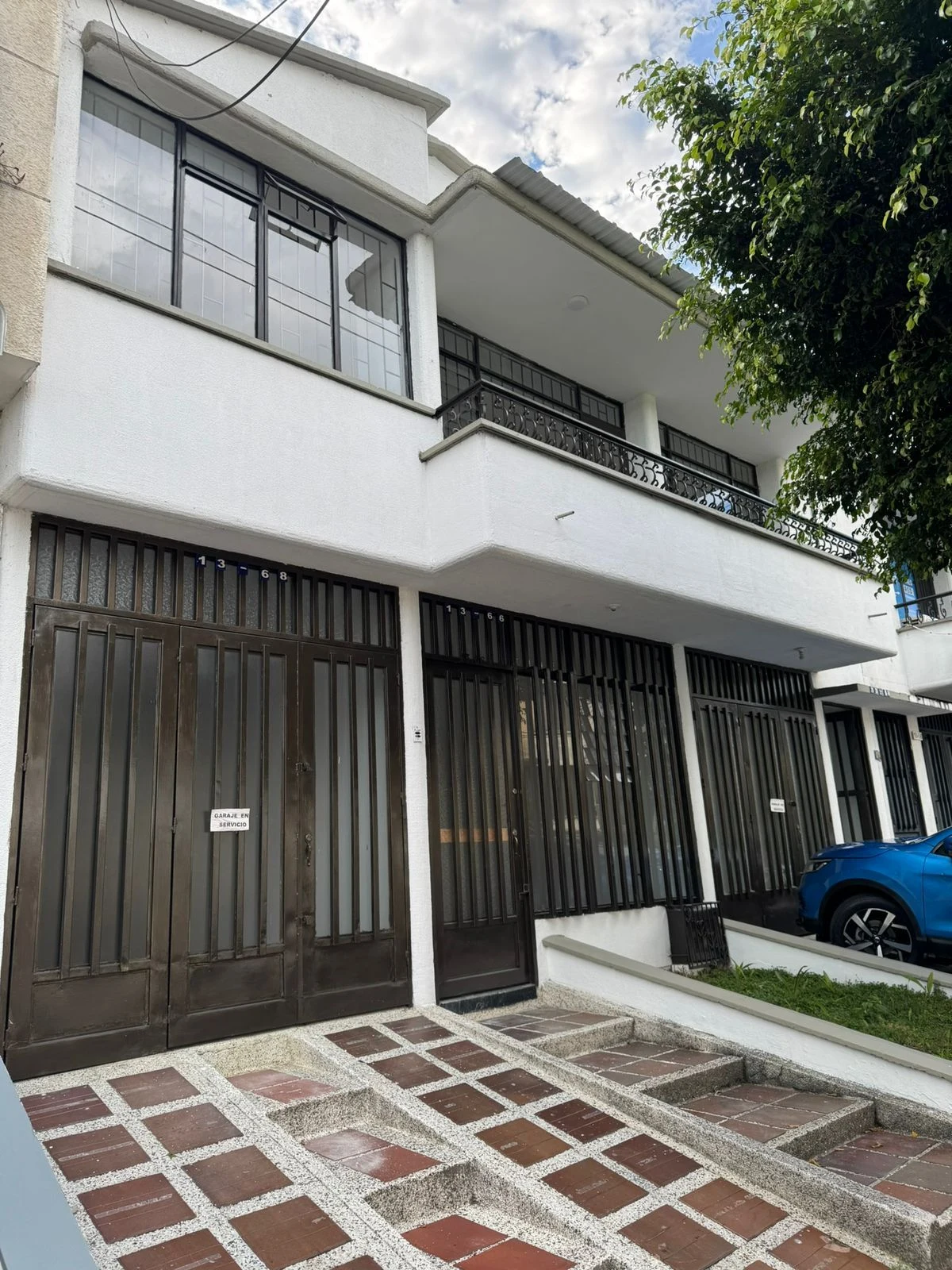
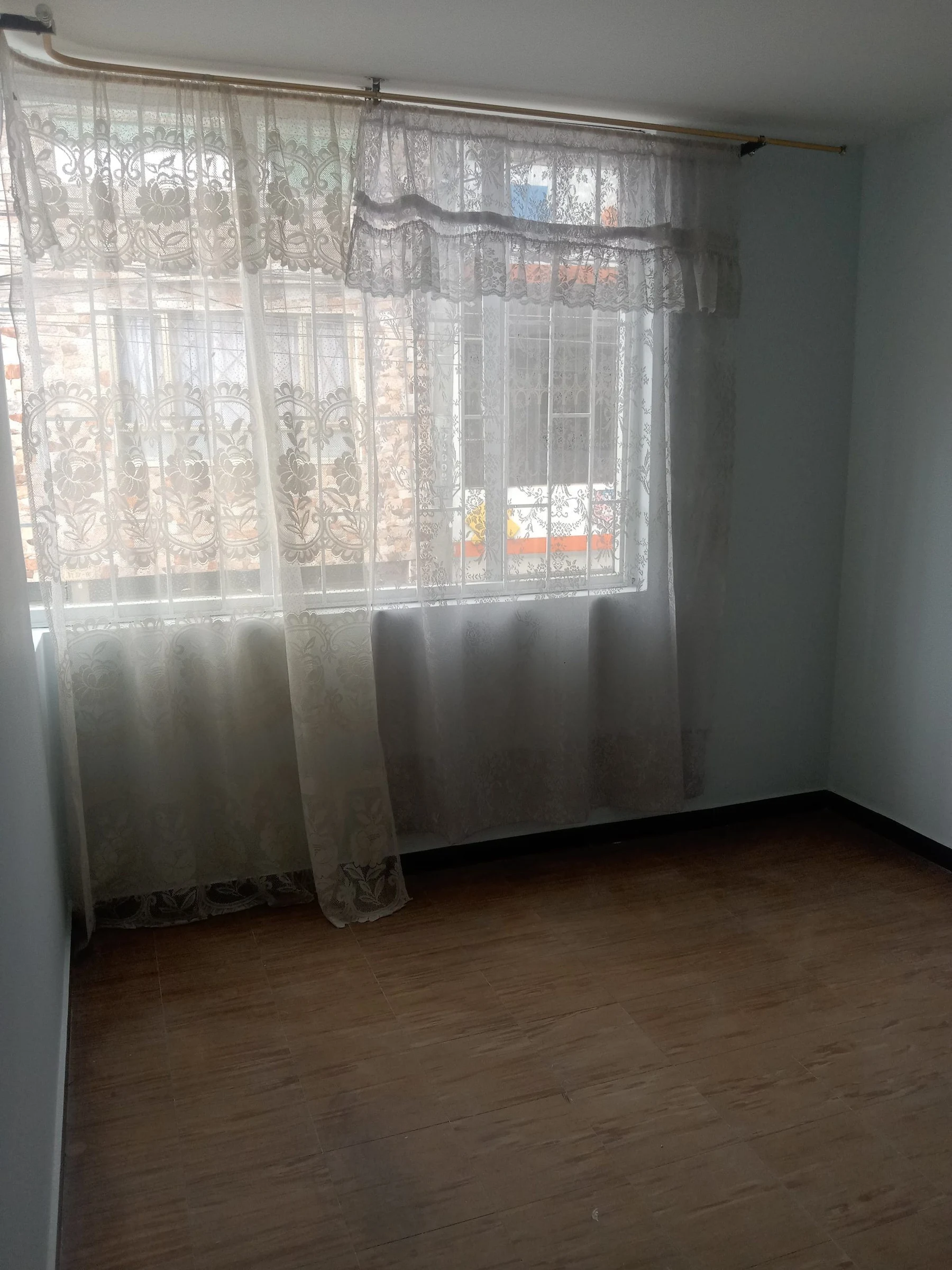
Rentals for modern apartments in safe sectors like El Picacho or Centro are quoted between $1,200,000 and $1,800,000 COP monthly (data from Mitula Casas, July 2026). Digital supply is very scarce, which creates a bottleneck for those arriving transferred. In fact, 37 recent searches on the marketplace found no results in this category, demonstrating high demand from professionals seeking accommodation against an offer that still depends on window signs.
| Expense / Concept | Average estimate (2026) |
|---|---|
| Rent (Modern apt in high area) | $1,200,000 - $1,800,000 COP |
| DIAN customs limit (Border) | $2,350,000 COP |
| Satellite internet (Monthly) | ~$210,000 COP |
Public services: The challenge of energy and connectivity
This is the breaking point for many new residents. Puerto Carreño belongs to Non-Interconnected Zones (ZNI), which means it has historically depended on local diesel plants. In early 2026, the city faced a crisis with critical blackouts of up to 20 hours daily.
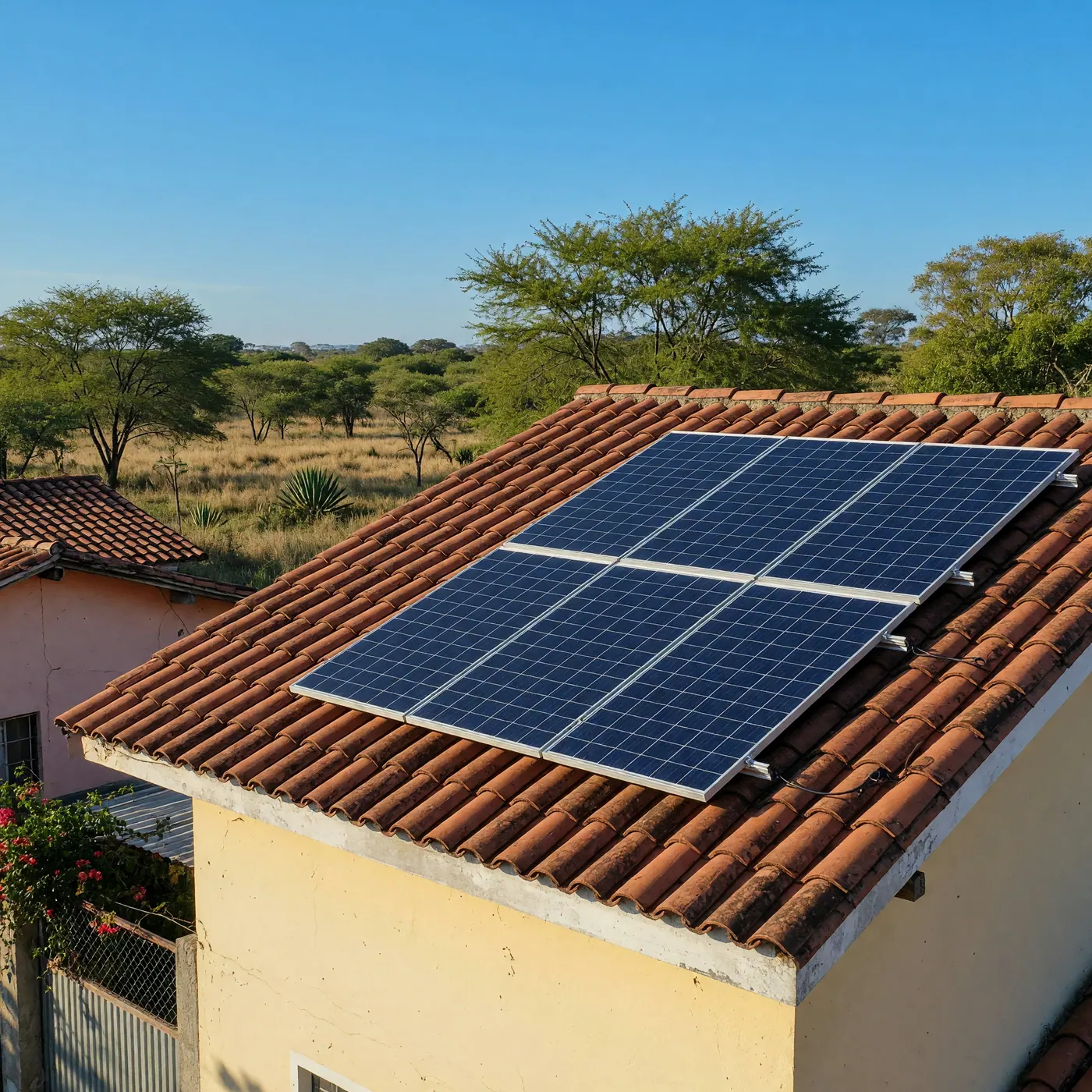
The good news is that in June 2026 the national Government announced an investment of $89,900 million pesos to build the El Merey solar plant (5 MW) and reactivate binational electrical interconnection with Venezuela. Although the outlook is in the process of stabilization, electrical instability remains comparable to the challenges experienced when living in San José del Guaviare.
For remote work or virtual education, traditional cable connections are not viable. Satellite internet (like Starlink) has become today the only truly reliable alternative in the region.
Transportation: How to get to the capital of Vichada
Land access from Bogotá takes 2 to 3 days and is only viable during summer (December to March) crossing complex trails and planks.
During the rainy season, the land route becomes an impassable mudhole. In those months, commercial cargo moves exclusively by river, navigating about 12 hours on the Meta River from Puerto Gaitán. For private passengers and officials, Satena is the only commercial airline operating direct flights from Bogotá and Villavicencio, with a duration of approximately 1 hour and 10 minutes.
Life on the border and commercial dynamics
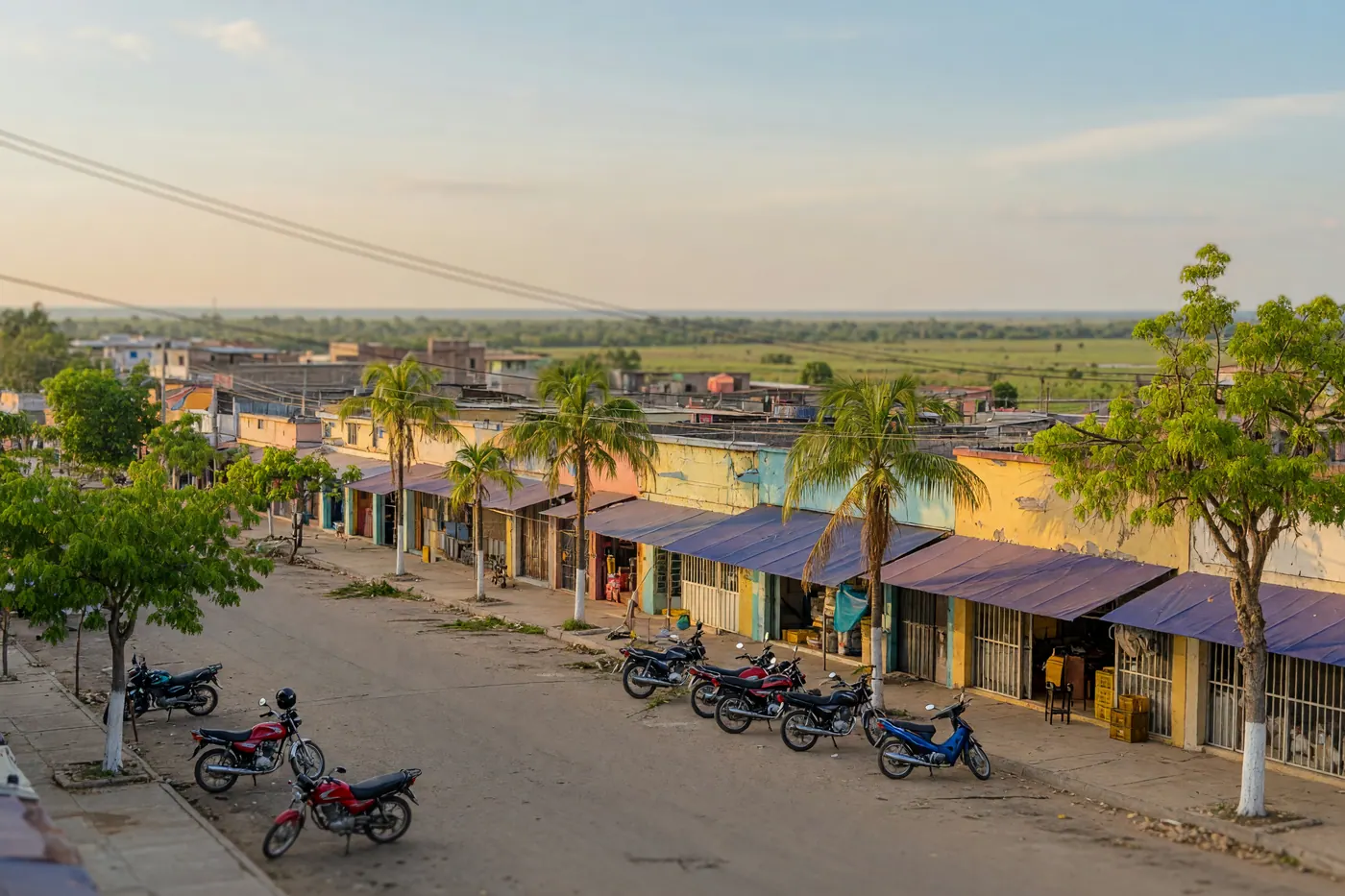
Living in Puerto Carreño is understanding the dynamics of a porous border. The local economy is nurtured by constant commercial exchange with Venezuela (the population of Puerto Páez is literally on the other side of the river). By current customs provision, DIAN regulates the passage of tariff-exempt goods for Venezuelan citizens who cross to stock up, with a limit of $2,350,000 COP.
This regulation controls the strong flow of groceries and basic products, creating a very active commercial environment in the center of the municipality, with evident similarities to what is experienced when living in Arauca.
Frequently asked questions
❓ What is the average cost of living in Puerto Carreño in 2026?
The cost of living is high: a modern apartment in high areas like El Picacho ranges between $1,200,000 and $1,800,000 COP monthly (2026 data). Fresh food can cost up to 50% more than in the interior of the country due to transportation costs.
❓ What are the best neighborhoods to live in Puerto Carreño and avoid flooding?
The best neighborhoods are El Centro, El Picacho, Arturo Lizarazo and Calarcá, located at the highest elevations of the city. Avoid low-lying areas near the Meta, Orinoco and Bita river basins, such as Santa Teresita or El Espartillal, which suffer recurring flooding during winter.
❓ What is the climate like in Puerto Carreño and what precautions should be taken?
The climate is tropical savanna, with extreme temperatures reaching 38°C to 40°C in summer (December to March). It is essential to have ventilation or air conditioning, and to prepare for winter (May to November), when heavy rains swell the surrounding rivers.
❓ How stable is the electricity and internet service in the city?
The electrical service has historically been unstable due to dependence on local diesel plants (ZNI). In June 2026 the Government announced an investment of $89.900 million for the El Merey solar plant and electrical reconnection with Venezuela, although the stabilization process is still ongoing. For remote work, satellite internet (Starlink) is today the only reliable option.
❓ How do you get to Puerto Carreño from Bogotá?
The fastest option is to fly with Satena, which operates direct flights of 1 hour and 10 minutes from Bogotá and Villavicencio. By land, the trip takes 2 to 3 days and is only viable in summer (December to March); in winter, the route collapses and cargo moves by the Meta River from Puerto Gaitán (12 hours of navigation).
❓ Where can I publish a rental property in Puerto Carreño without paying commission?
You can publish your house or apartment for rent for free in the housing section of Colombia Move (updated in 2026). You connect directly with professionals, teachers and officials relocating to the region, with no intermediaries or publication costs.
Comments
Loading comments...
Checking sign-in status...