
Living in Tunja, Boyacá: Cost of Living, Cold Climate, and Neighborhoods (2026)
Tunja is establishing itself as one of the most affordable and safest capitals in Colombia. Learn about the real costs, the best neighborhoods, and how to adapt to its high-mountain climate.
IDIOMA DEL ARTÍCULO
Showing original language
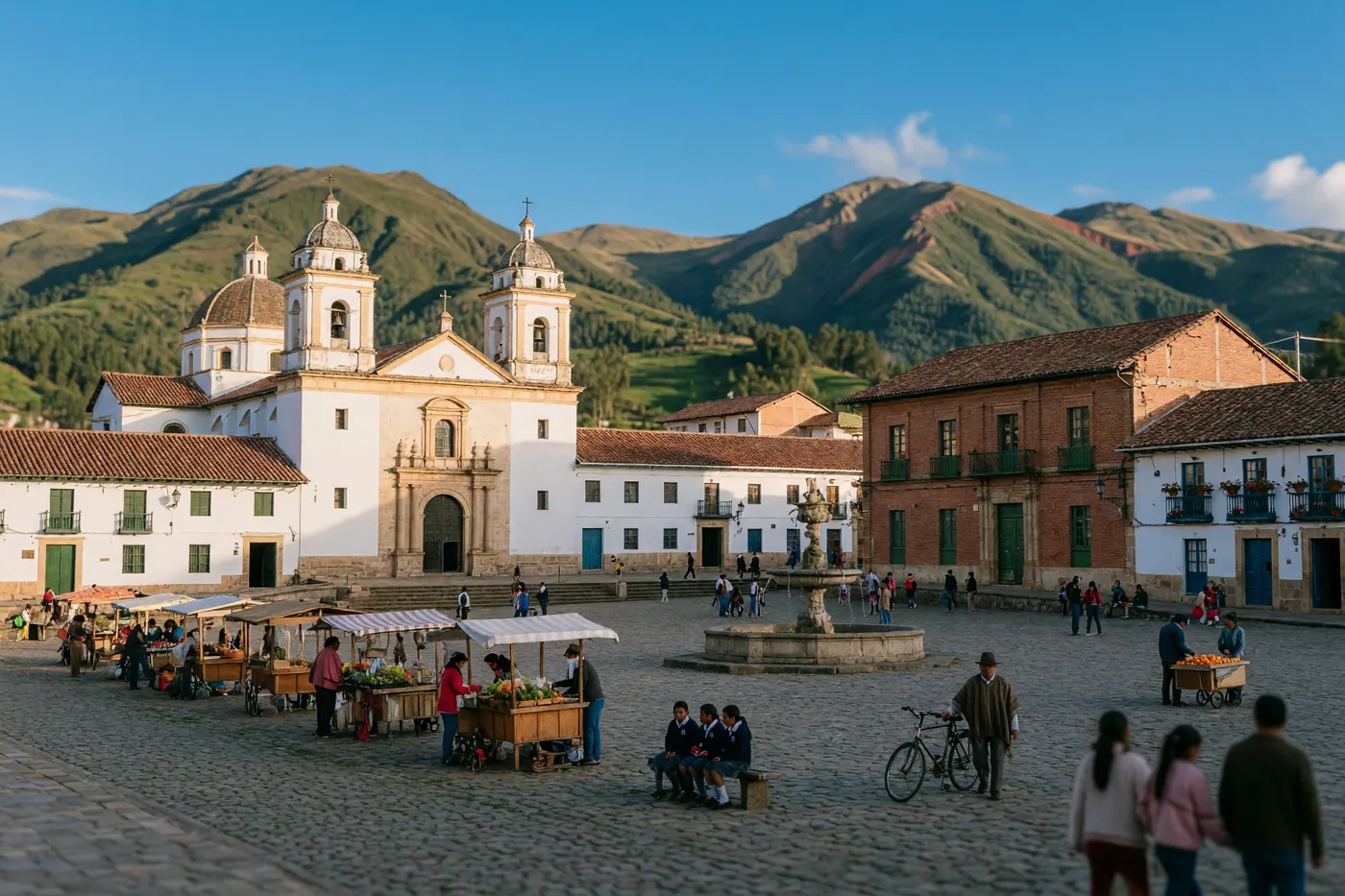
If you are thinking about escaping the chaos and inflated prices of the big cities, living in Tunja is one of the smartest moves you can make in 2026. As the highest capital in Colombia, this Boyacá city has become a refuge of peace, security, and affordability, attracting both families and remote workers looking for a high quality of life without emptying their wallets.
The Climate in Tunja: How cold is it really?
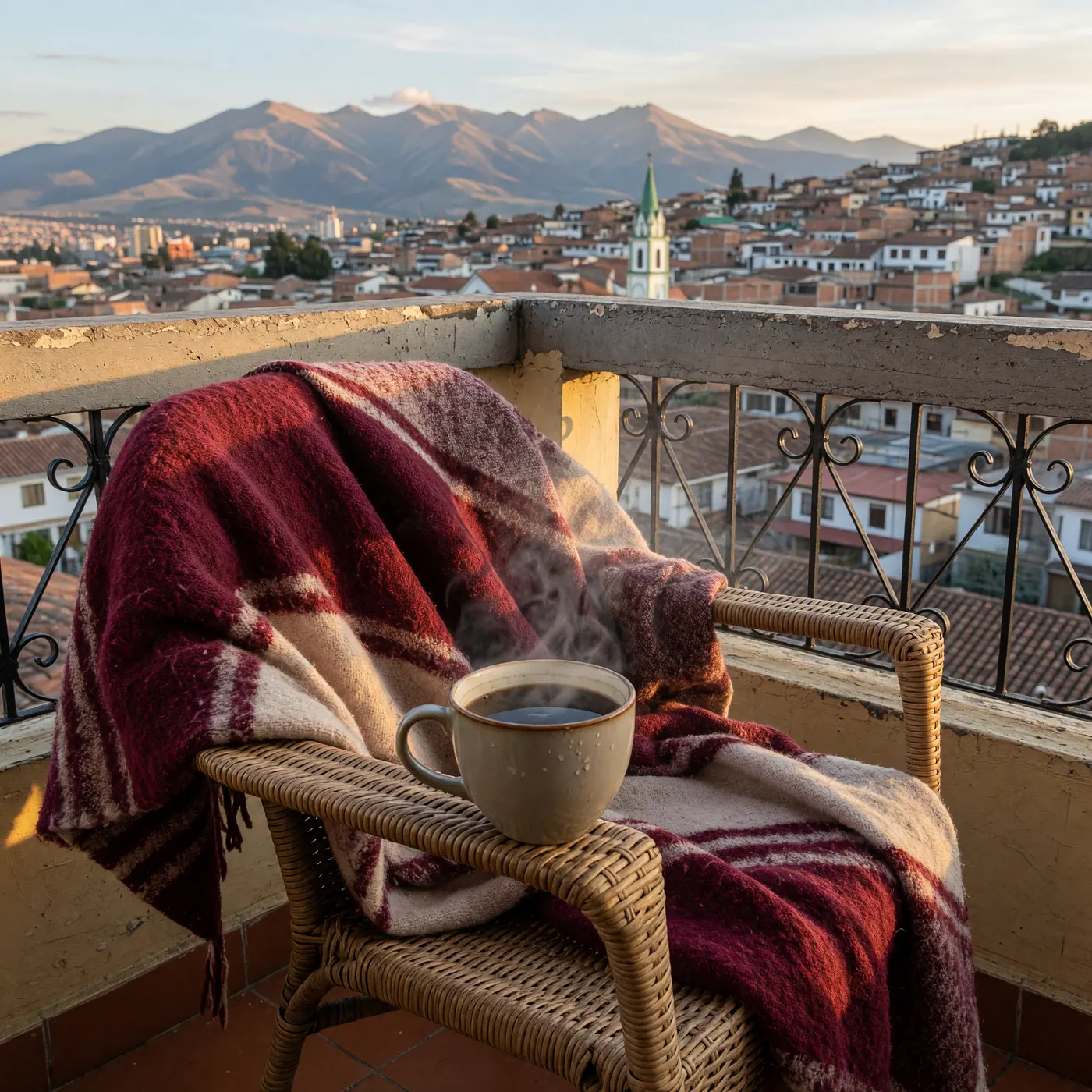
Let's be clear: the cold in Tunja is not a myth. Located at an altitude of approximately 2,775 to 2,820 meters above sea level, the city has a high-mountain climate with temperatures averaging between 12°C and 14°C during the day, but which easily drop to 5°C at night. If you want to see real options right now, you can view cars and motorcycles available on Colombia Move — posting is completely free.
Heads up on this: unlike countries with seasons, traditional construction here does not include central heating. The golden rule for living comfortably is to invest in good thermal blankets and warm clothing. If you are coming from considering other Andean cities, such as living in Pasto, you will notice that the climate is similar, but Tunja offers you the undeniable advantage of being just a couple of hours from the country's capital.
Cost of Living in Tunja vs. Bogotá (2026 Prices)
This is where Tunja shines on its own. According to DANE CPI reports, Tunja consistently maintains the lowest inflation among Colombia's capital cities. In practical terms, living here is between 29% and 30% cheaper than in Bogotá.
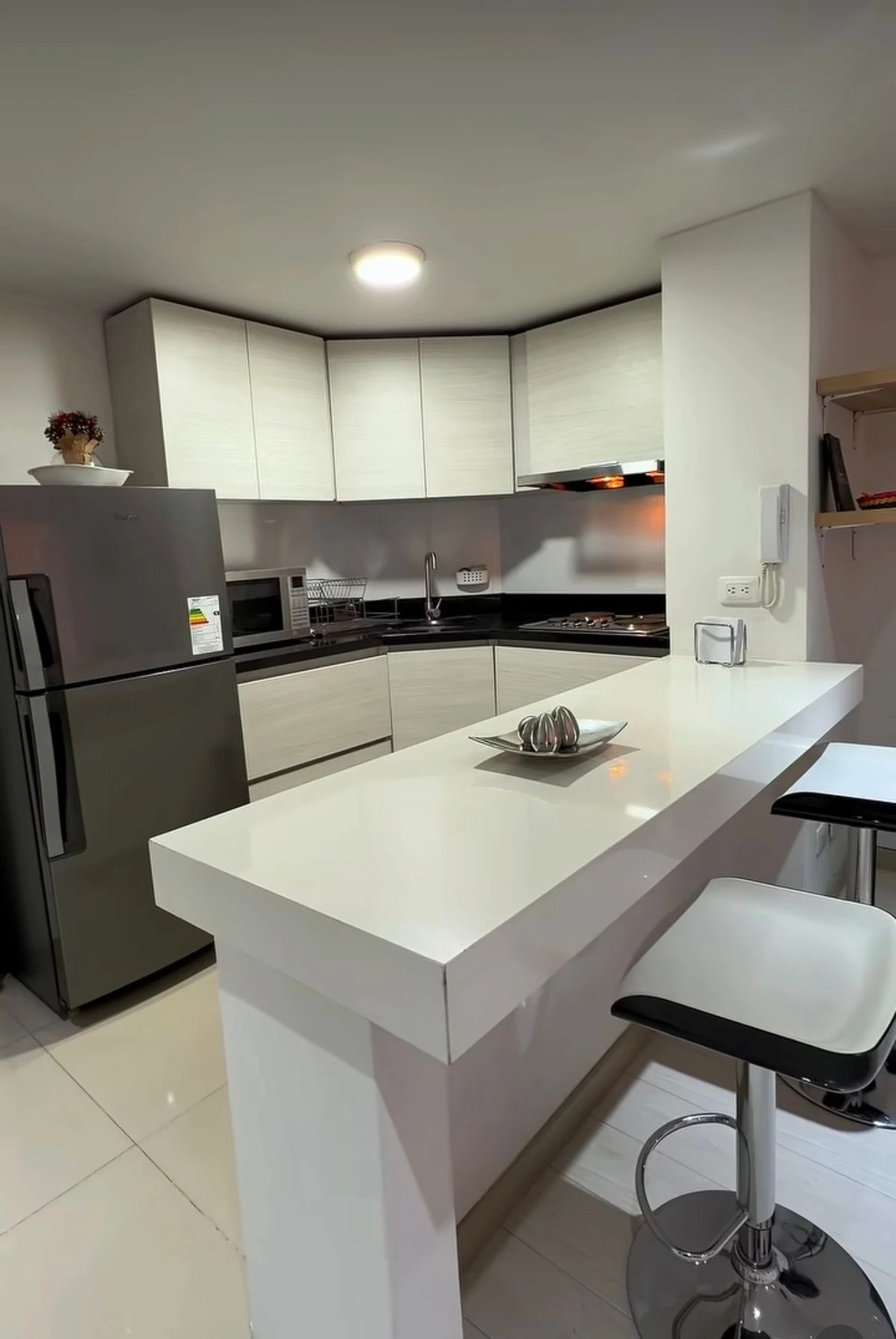
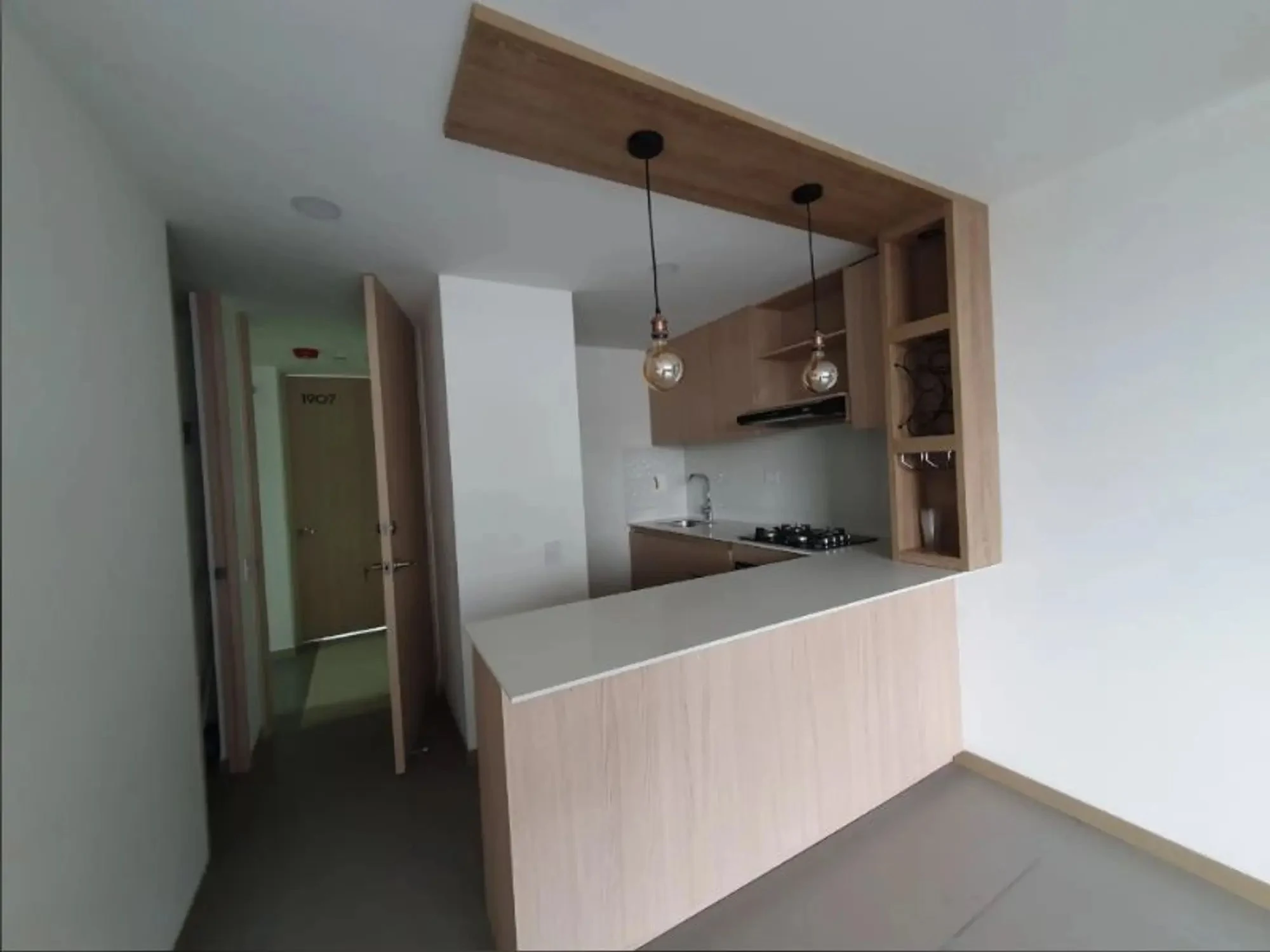
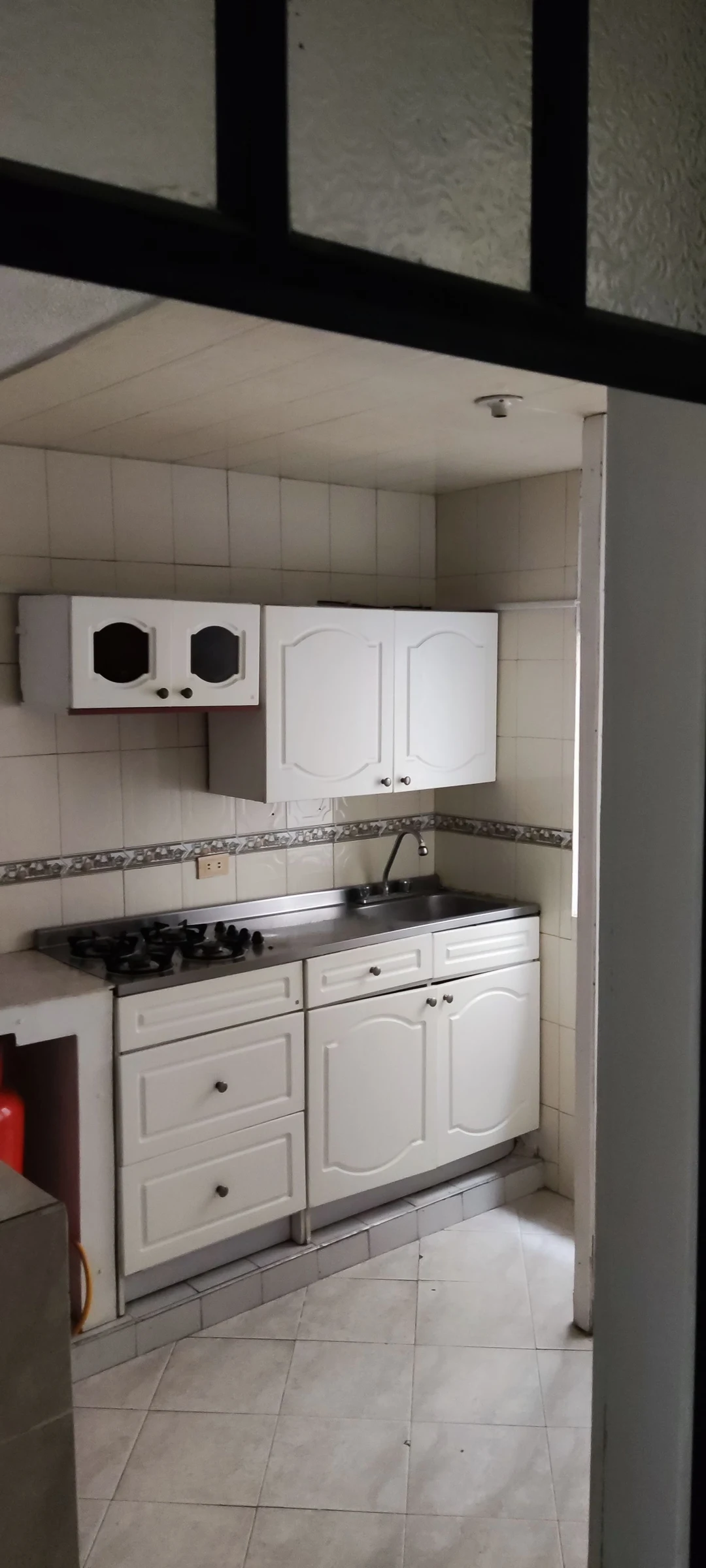
To give you an idea, a single person can live comfortably on about COP $2,810,000 per month, while a family of four needs between COP $5,000,000 and $7,250,000 (figures from Expatistan and Oikos, July 2026). Rent for a standard, modern apartment ranges between COP $800,000 and $1,500,000. If you are looking for something larger in exclusive areas, prices hover around COP $2,000,000 to $3,000,000. If you compare these values with warmer intermediate capitals, such as living in Neiva, you will see that the cost-benefit ratio in Boyacá is excellent.
Furthermore, considering that the minimum wage in Colombia for 2026 is at COP 1,750,905, those who arrive with remote income or professional salaries from other regions see their purchasing power multiply. Watch out for the stratification: in 2023 there was a major update where sectors like Las Quintas moved to stratum 5, and the first stratum 6 zones were born in La Villita and Santa Elena, which impacts the cost of public utilities (El Diario Boyacá, 2023).
The Best Neighborhoods to Live in Tunja
The city is growing rapidly, and choosing where to settle depends on your lifestyle. The North is the area with the greatest appreciation and modernity. Neighborhoods like Santa Inés, Las Quintas, Mesopotamia, and Los Muiscas are favorites for their security and proximity to shopping centers like Viva and Unicentro.
If you prefer a more traditional and walkable environment, the Historic Center and Maldonado (stratum 4) surround you with beautiful colonial architecture. On the other hand, if you are looking for exclusivity, sectors like Altos de Cooservicios and Altos del Zue are excellent residential options.
A key piece of data if you are on the landlord side: according to Colombia Move data (July 2026), there were 28 recent searches for temporary housing on the platform with no results available. The demand for transitional or short-term stays in the region exceeds the supply, which shows a real opportunity if you have an unoccupied property.
Lifestyle: University City and Remote Work
Tunja is not a metropolis of unbridled partying; it is a university city par excellence. Home to major institutions like the UPTC (Pedagogical and Technological University of Colombia) and the Santo Tomás University, the city breathes an academic, young, and calm atmosphere.
This peace, added to the excellent fiber optic internet coverage, has turned Tunja into a magnet for software engineers, digital nomads, and families. Here you can move around at night in many areas with more peace of mind than in most of the country's capitals, which for a family is a deciding factor.
Mobility and Connectivity (The Airport Challenge)
If there is one point to consider before moving, it is air connectivity. Tunja does not have an active commercial airport for passengers; the local Gustavo Rojas Pinilla airfield does not operate flights of this type.
To travel by plane, you depend on El Dorado Airport (BOG) in Bogotá. The good news is that the dual carriageway is in excellent condition, and the journey of approximately 115 kilometers takes about 2 to 2.5 hours. Intermunicipal ground transportation is constant, comfortable, and very economical.
Conclusion
Living in Tunja is betting on tranquility, savings, and security. Although the cold requires adaptation and the lack of an airport can be a downside for frequent travelers, its economic advantages and peaceful environment make it one of the best intermediate cities to settle in Colombia today.
Frequently Asked Questions
❓ How much is needed to live comfortably in Tunja?
A single person can live well in Tunja on about COP $2,800,000 per month, including rent (Expatistan and Oikos, July 2026). A family of four needs between COP $5,000,000 and $7,000,000 to cover all their expenses comfortably in a good sector.
❓ What are the best neighborhoods to live in Tunja?
The northern neighborhoods, such as Santa Inés, Las Quintas, Mesopotamia, and Los Muiscas, are the most recommended for their security, modernity, and proximity to shopping centers like Viva and Unicentro.
❓ How does stratification work in Tunja after the recent changes?
Tunja has strata from 1 to 6; in 2023 the Mayor's Office re-stratified Las Quintas to stratum 5 (El Diario Boyacá). Additionally, the first stratum 6 zones were created in La Villita and Santa Elena, which impacts the value of public utilities in those sectors.
❓ How cold is Tunja's climate and what is day-to-day life like?
Tunja has a cold high-mountain climate, with temperatures of 12°C to 14°C during the day and up to 5°C at night. Homes do not have central heating, so good thermal blankets and warm clothing are the key to daily comfort.
❓ Does Tunja have an active commercial airport?
No, Tunja does not have an airport for commercial passenger flights; residents use El Dorado Airport in Bogotá, located about 2 and a half hours away via the dual carriageway.
❓ Is it a good city for digital nomads and remote workers?
Yes, Tunja is an excellent option for remote work thanks to its tranquility, low cost of living, good fiber optic internet coverage, and its safe university environment.
Comments
Loading comments...
Checking sign-in status...