
Living in Mitú, Vaupés: Guide to Cost of Living, Transportation and Daily Reality
Everything you need to know before moving to Mitú: Satena flights, real cost of living, public services, Starlink internet and employment in the region.
IDIOMA DEL ARTÍCULO
Showing original language
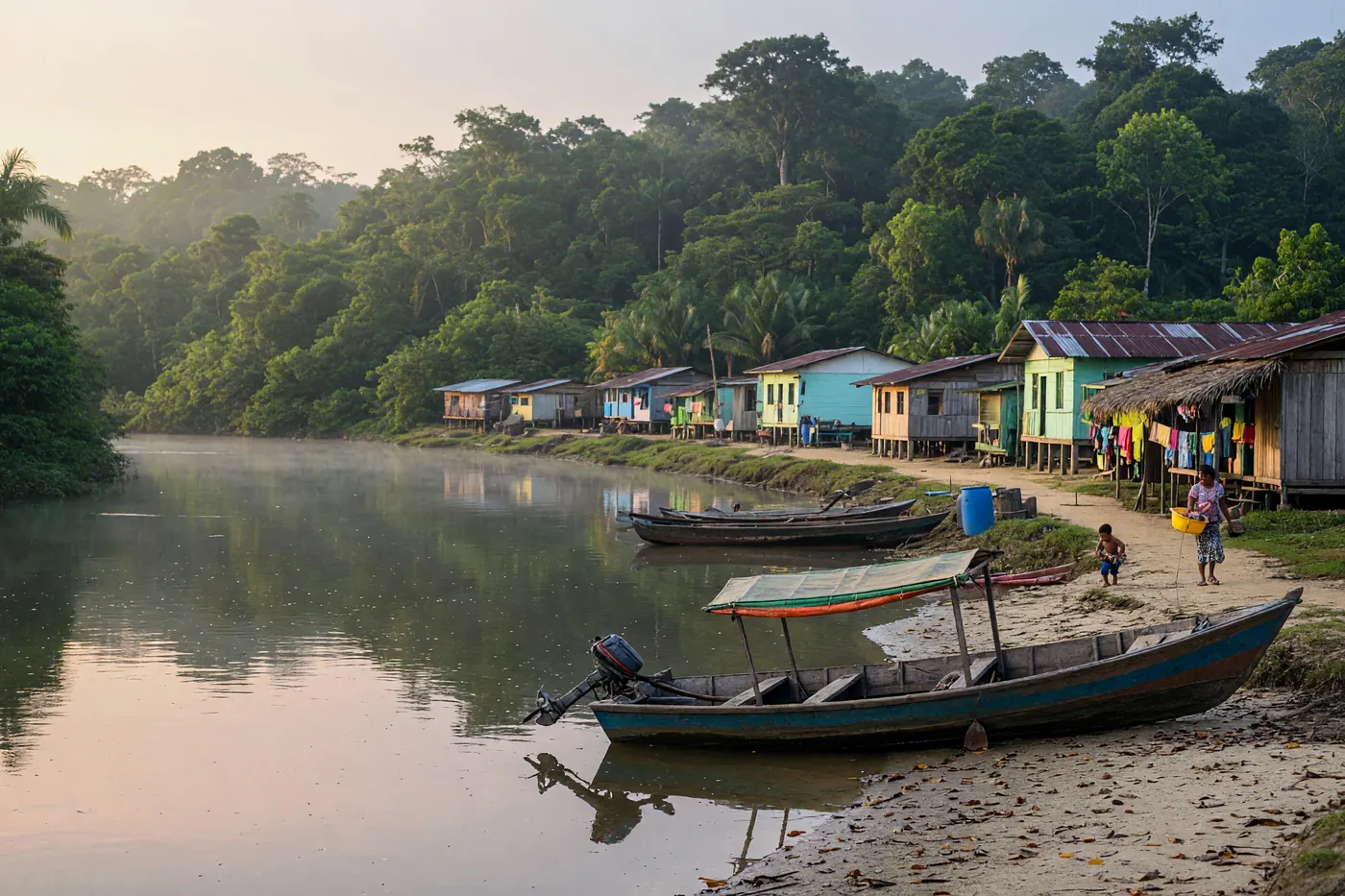
Moving to Mitú is not like changing neighborhoods in Bogotá or Medellín. Here, in the heart of Vaupés, the jungle sets the rules. If you're transferred by the public sector, health, education, or an NGO, you'll find a fascinating capital but logistically complex, where access is exclusively by air and indigenous culture (which represents the vast majority of the population) sets the pace of daily life.
Unlike other cities, planning here is not optional. Honestly, the biggest shock upon arrival is not the humid climate, but understanding how supply and basic services work.
- Main access: Fabio Alberto León Bentley Airport (MVP).
- Cost of living: high (air freight makes everything more expensive).
- Drinking water: requires boiling or filtering always.
- Internet: Starlink is the best current option.
Transportation and access: how to get to and move around Mitú
Mitú is completely isolated by land from the rest of the country. Forget about packing your things in a moving truck; here everything comes in by air or, very limitedly, by river.
The only way to arrive from the interior is through Fabio Alberto León Bentley Airport (MVP). The state airline SATENA operates direct flights from Bogotá (BOG) and Villavicencio (VVC). Fares typically range between $350,000 and $750,000 COP per trip, depending on how far in advance you buy. I recommend securing your tickets early, as spots fill up quickly due to high staff rotation.
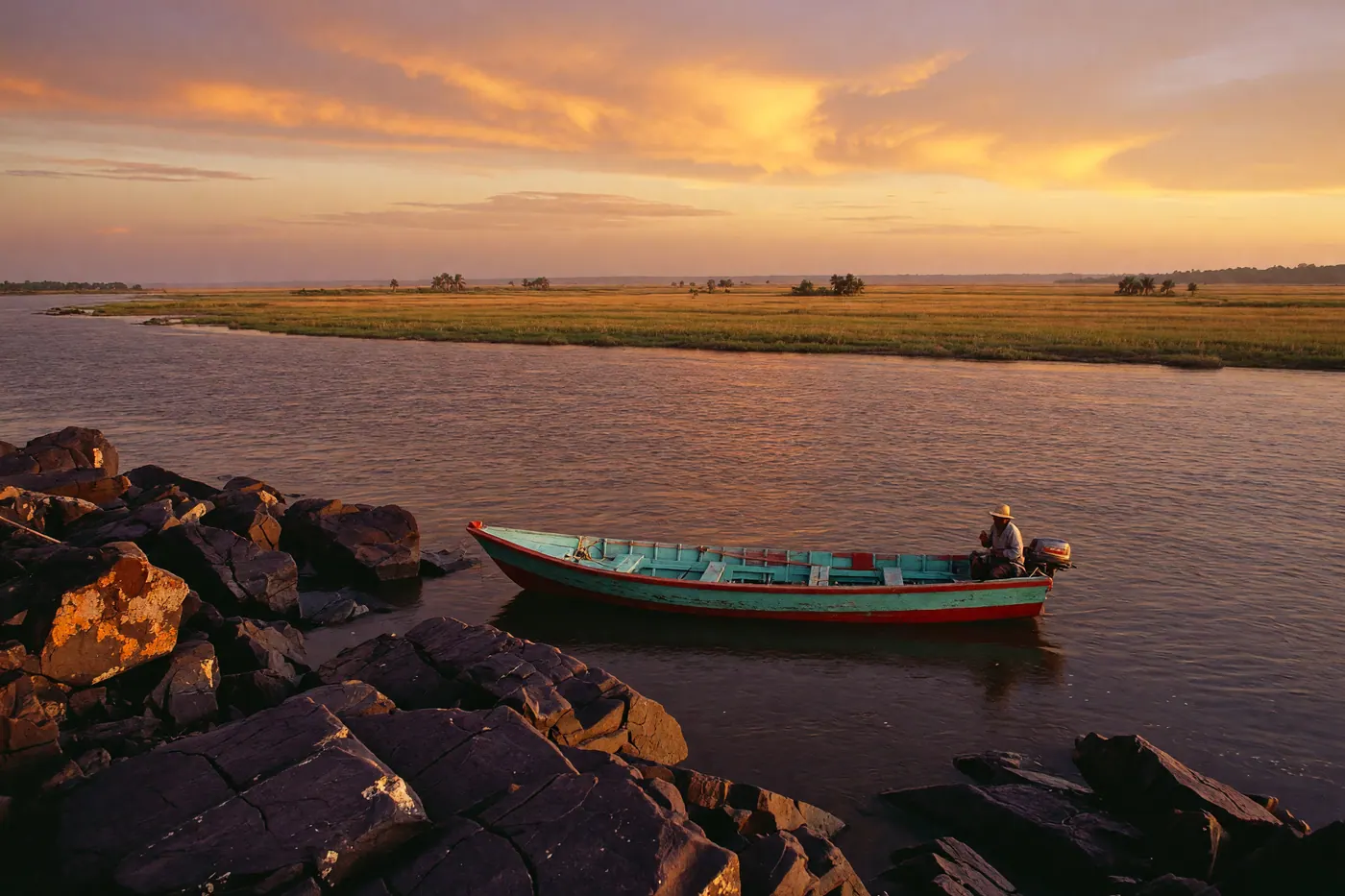
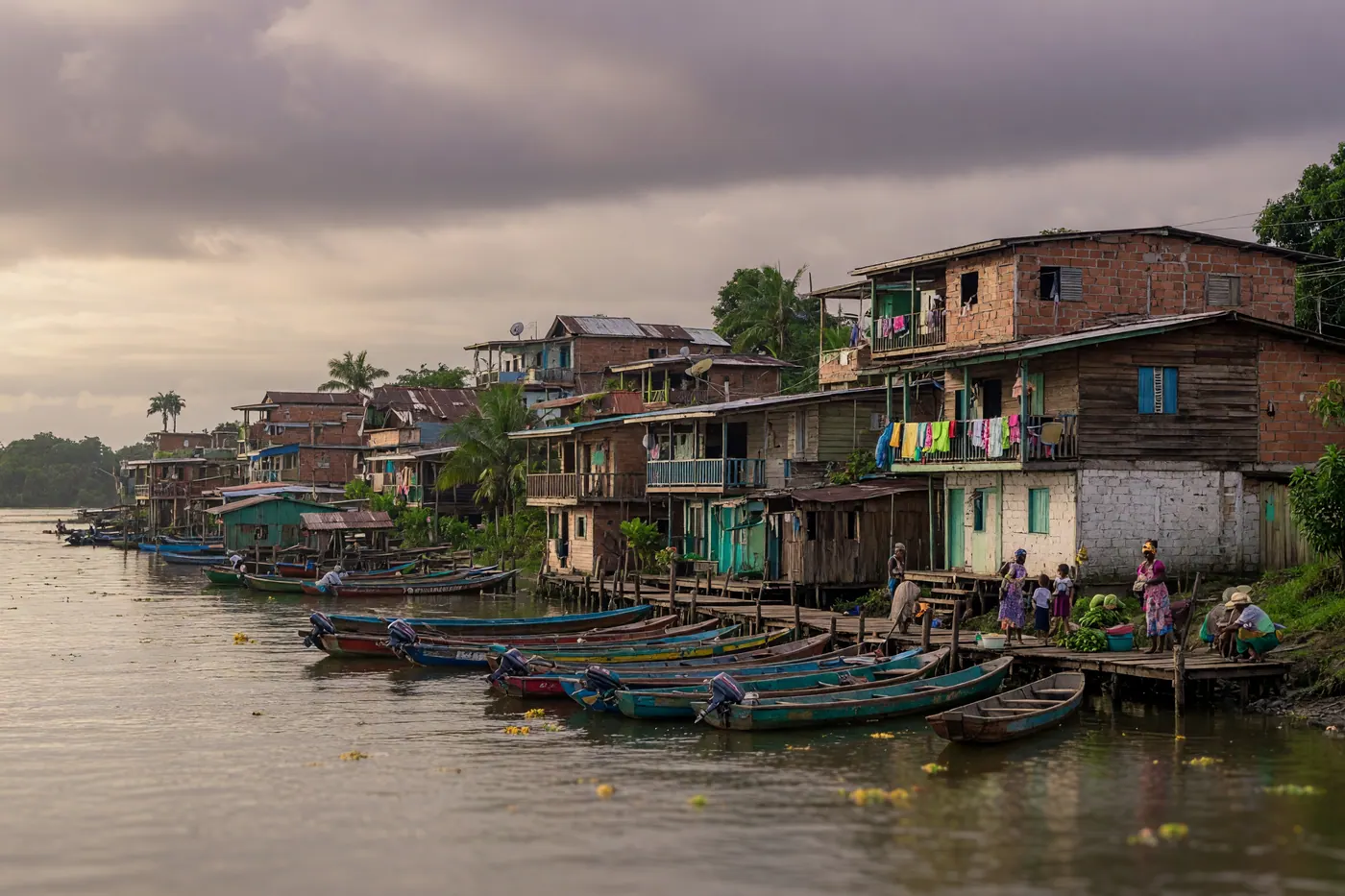
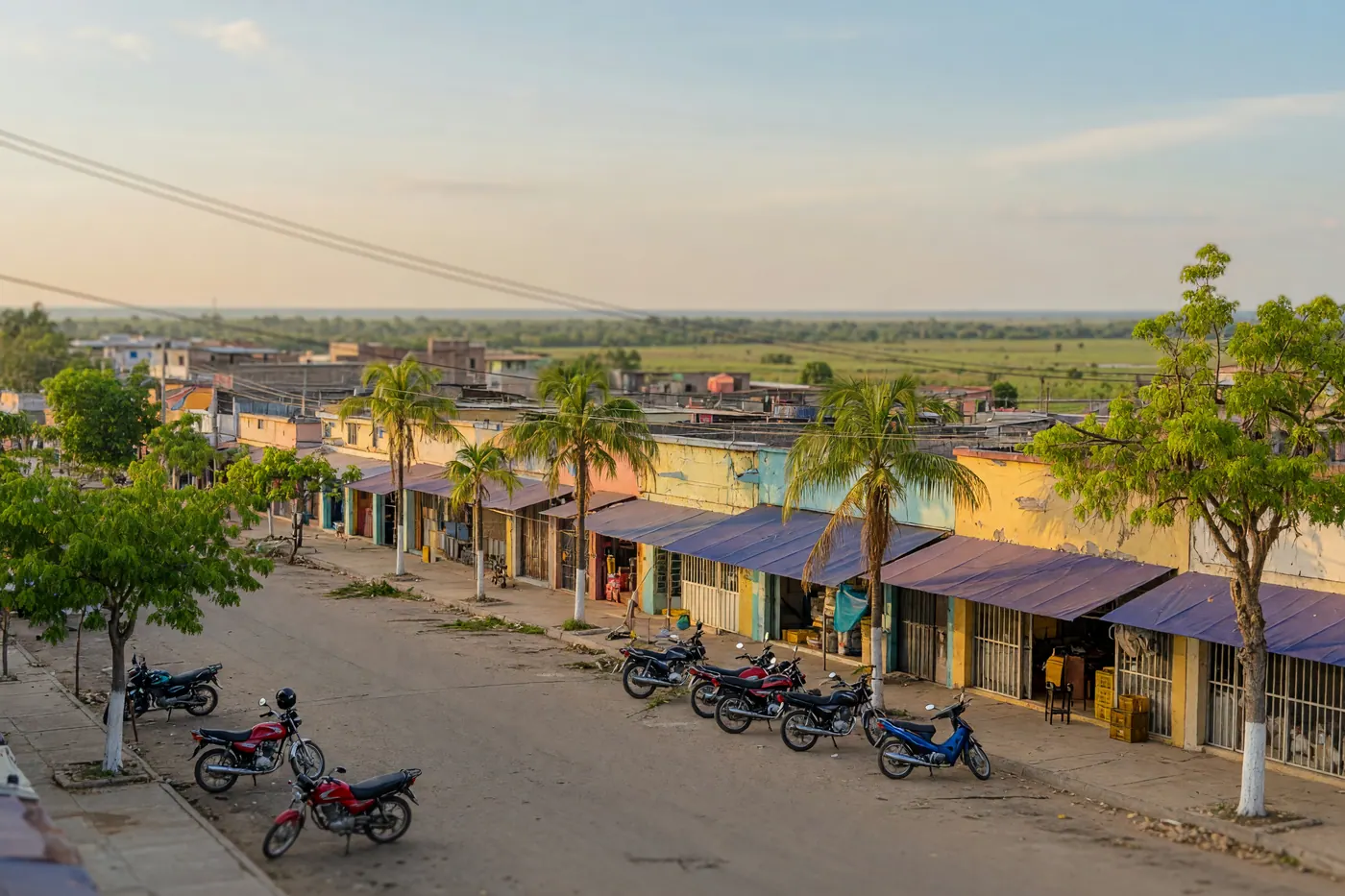
At the local level, land infrastructure is limited to a 54 km stretch of road toward Monfort. To get around the urban area, renting a motorcycle is most common. If you need to visit indigenous communities or nearby municipalities, you'll depend on river transport via the Vaupés River. However, navigation of large vessels is restricted to about 7 months a year due to the "cachiveras" (rocky rapids), so the use of small boats or "peque-peques" is standard. For more remote areas, local flight operators like Aral, Aves Vaupés, and Cóndor operate.
If you consider the river alternative as a backup plan, keep in mind it's really slow: cargo transport on the Vaupés River from San José del Guaviare can take up to a month due to the same rapids, with several transfers along the way. Villavicencio, in addition to being one of the two origins of SATENA flights along with Bogotá, is the closest land gateway if you're coming from the center of the country; if that city is also on your radar, in our guide on living in Villavicencio we explain what life is like in that plain that connects with the Amazon.
Cost of living: the logistics of isolation
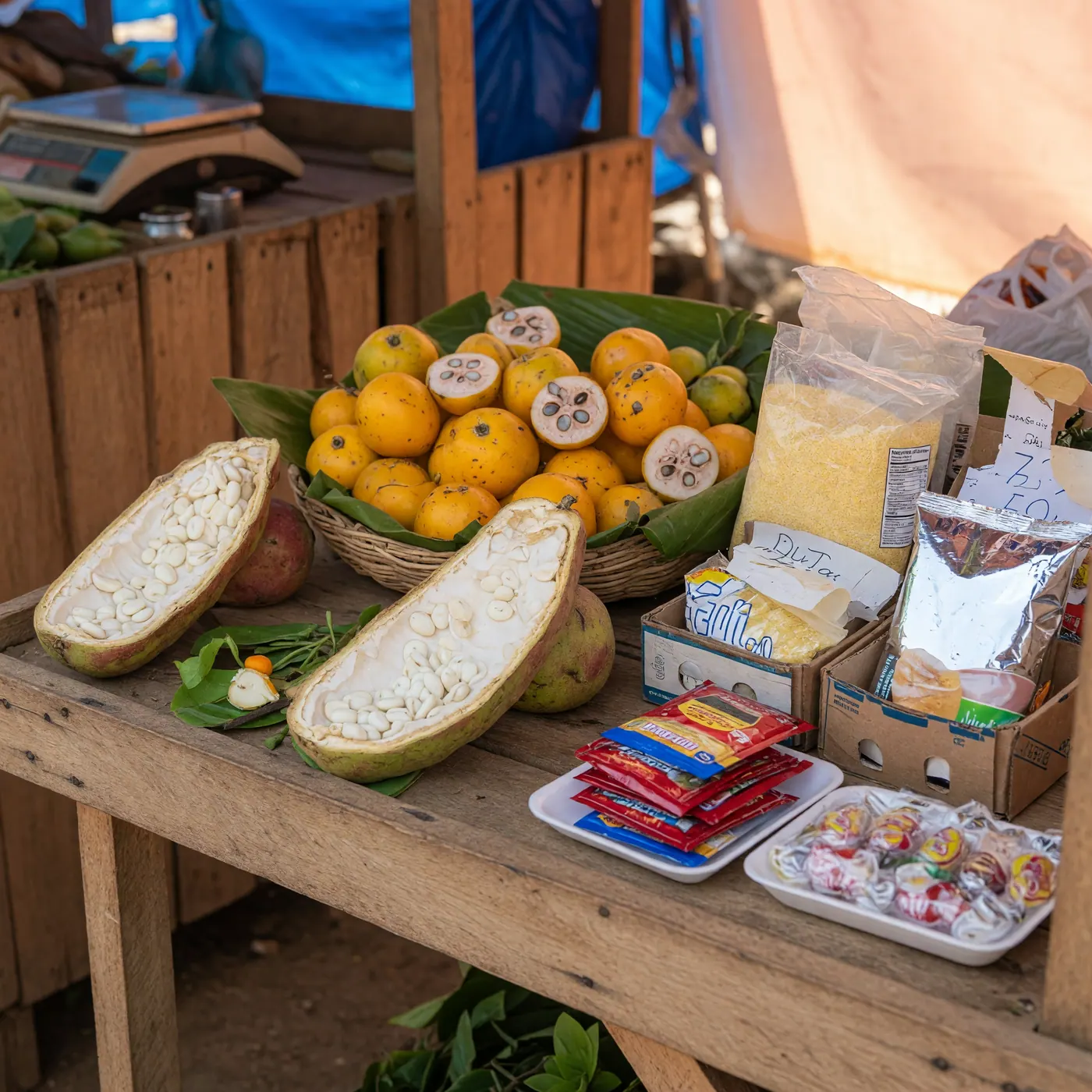
The cost of food and basic goods in Mitú can easily double that of interior cities. The reason is simple: almost all heavy cargo, from a bag of cement to a package of rice, must enter by air paying expensive freight.
As for housing, the supply is extremely scarce and there is no formal real estate index for Mitú. Prices vary quite a bit depending on the season and demand from contractors or public officials, but as an unofficial reference reported by residents, a simple room has been around $350,000 COP and a small apartment around $700,000 COP; always confirm the exact value directly with each landlord.
According to recent data from Colombia Move (July 2026), 38 searches made on the platform for temporary housing in this area found no results. This demonstrates the very high need for spaces against an offer that rarely appears published online.
Public services and connectivity
Electricity in Mitú is supplied by CEELVA S.A.S. E.S.P. and operates under the Non-Interconnected Zones (ZNI) scheme. This means the city is not connected to the national grid, but depends on a local system that combines diesel generation and solar photovoltaic energy. Outages can occur, so having backup batteries for your equipment is a good move.
With water, be careful about this: the quality of drinking water and the sewage system face historical structural challenges. Superservicios has issued alerts about potability, which means you should never drink water directly from the tap. It is essential that you boil it, use a good quality filter, or buy bottled water.
The good news comes from the connectivity side. Historically, Mitú suffered from severe digital isolation, but the arrival of high-speed satellite internet (specifically Starlink) has changed the game. Today, the Mayor's Office, schools, and several local businesses use it, allowing you to work remotely or stay in touch with family without the headaches of traditional mobile networks.
Additionally, the Ministry of ICT and the Vaupés Department announced at the end of 2024 an agreement for $30,000 million pesos to bring fiber optic home service and public wifi zones to about 2,000 homes in the region, through the Internet Boards program. It's a progressive expansion project toward 2026, so if you're going to work remotely it's worth keeping Starlink as a backup while home coverage reaches more households.
Employment and cultural adaptation
Mitú's formal economy revolves almost exclusively around public administration, education, health, and NGOs. If you come to work in these sectors, your adaptation will depend a lot on your open-mindedness. You will coexist in a territory that is home to 27 indigenous ethnic groups, each with their own language and worldview.
Outside the public sector, health, education, and NGOs, remote work has become a real alternative now that connectivity has improved. According to active listings on Colombia Move (July 2026), the Jobs section is practically empty at the national level in categories like technology, marketing, education, and operational roles—zero active listings in the last 30 days—which leaves plenty of room for professionals and employers in areas like Mitú to post their profile or vacancy without competing against hundreds of repeated listings.
In a very similar way to what happens when living in Inírida, Guainía, Mitú demands patience in the face of logistical setbacks. Climate is another factor to consider: prepare yourself for a warm and extremely humid environment. If you've ever read about what it means to live in Mocoa, Putumayo, you'll find parallels in how the jungle and constant rains shape daily routine. Respect local customs, support the town's commerce, and take time to learn about the natural wealth that surrounds you.
Frequently asked questions
❓ How do you get to Mitú, Vaupés, from the interior of Colombia?
You can only arrive by air, using direct flights from the SATENA airline from Bogotá or Villavicencio that land at Fabio Alberto León Bentley Airport (MVP). It is the only regular commercial route available for passengers in 2026.
❓ Why is the cost of living in Mitú so expensive?
The high cost is due to the fact that almost all food, fuel, and construction materials must be transported by plane from the interior of the country. This dynamic of high air freight costs remains in effect in 2026.
❓ Is it safe to drink tap water in Mitú?
It is not recommended to drink water directly from the tap due to historical challenges with the quality of the municipal water system; it is essential to boil it, filter it, or buy bottled water to avoid health problems.
❓ How does the internet service work in the city?
Connectivity improved greatly thanks to Starlink and an agreement of $30,000 million pesos that the Ministry of ICT and the Vaupés Governorate announced at the end of 2024 for fiber optic home service and public wifi, with progressive expansion toward 2026; however, traditional mobile networks may experience interruptions.
❓ Is it safe to live in Mitú?
Yes, Mitú is today one of the most peaceful capitals in the Amazon region, although being an isolated jungle area it is key to respect the norms of indigenous communities and take the same basic precautions as in any small city, in addition to following official local sources for public order updates.
❓ Where can I search for or post jobs in Mitú?
You can search for or post profiles and job openings for free in the Jobs section of Colombia Move, useful for both local professionals and remote workers who want to integrate into the region's economy, without the hundreds of repeated ads from other platforms.

Comments
Loading comments...
Checking sign-in status...