
Mold and Humidity in Colombia Apartments: A Renter's Action Plan
Colombia's microclimates make apartment humidity a common renter headache. Here is your action plan for diagnosing dampness, cleaning it safely, and navigating your legal rights under Colombian rental law.

IDIOMA DEL ARTÍCULO
Showing original language
I remember my first rainy season in Medellín. The mountain views from my balcony were stunning, but after a week of keeping the windows shut against the afternoon downpours, a faint, unmistakable musty smell started creeping out of my closet. Colombia's microclimates are incredible, but they often bring an uninvited roommate: mold.
Whether you are dealing with Bogotá's high-altitude dampness, Medellín's lush humidity, or Cartagena's relentless tropical moisture, managing apartment humidity is a daily reality. Honestly, skip renting any place that already smells like a wet towel during your walkthrough—it rarely gets better.
Quick Answer: Under Colombian law (Ley 820 de 2003), structural mold caused by roof or pipe leaks is the landlord's financial responsibility (reparaciones indispensables). However, surface mildew caused by everyday condensation and lack of ventilation is your job to clean (reparaciones locativas). If a landlord ignores a structural leak, you can legally repair it and deduct up to 30% of your monthly rent until reimbursed.
The Diagnostic: Is it a Leak or Condensation?
Before you send an angry WhatsApp message to your landlord or inmobiliaria, you need to figure out where the moisture is coming from. This is why checking for water damage is a crucial part of any Colombia apartment inspection checklist before signing. If you are already moved in, you need to properly diagnose the dampness.
| Type of Dampness | Typical Causes | Who is Responsible? |
|---|---|---|
| Structural Dampness (Humedad por filtración) | Leaking pipes, cracked exterior walls, rising damp, or roof damage. | Landlord |
| Condensation (Condensación) | Keeping windows closed, drying clothes indoors, hot showers without exhaust fans. | Tenant |
The Legal Framework: Who Actually Pays?
Under Ley 820 de 2003, landlords must deliver and maintain properties in optimal conditions of security, health, and good operation. Structural dampness, leaking pipes, and roof leaks are classified as reparaciones indispensables no locativas. These fall entirely on the landlord to fix and pay for.
On the other hand, cosmetic issues and normal wear-and-tear maintenance are considered reparaciones locativas. If the mold in your bathroom is growing because you never open the window after a hot shower, that is on you. It is your responsibility to manage surface mildew caused by poor ventilation.
Step-by-Step Action Plan for Renters
If you have identified a structural issue, you cannot just stop paying rent. Colombian law requires a specific, documented process.
- Document Everything: Take clear photos, videos, and even hygrometer readings if you have them. Note the exact dates the damage appeared and how fast it is spreading.
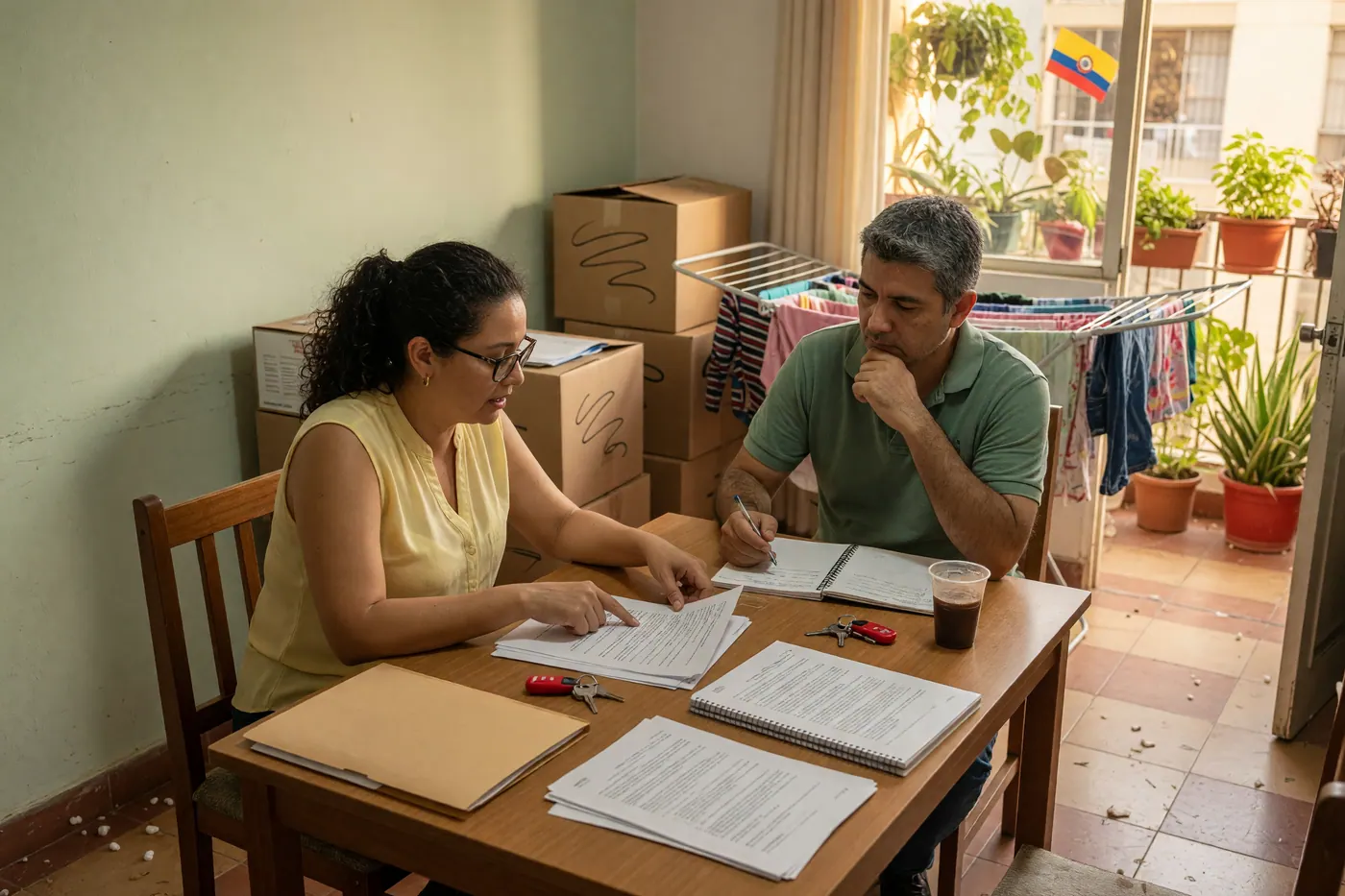
- Send Formal Notice: A casual text is not enough. You must send a formal written notice (notificación por escrito) via registered physical mail or a tracked email to your landlord or agency. Explicitly request a repair under Ley 820 de 2003.
- Exercise the 30% Rule: If the landlord fails to act on a structural humidity issue after your written notification, Article 1993 of the Civil Code allows you to perform the necessary repair yourself. You can then deduct up to 30% of your monthly rent until the cost is fully recovered. Keep every single receipt. If your lease ends before you are fully reimbursed, Colombian law still protects you: this is your derecho de retención (right of retention), and the landlord cannot force you out until the debt is settled.
- Consider Lease Termination: If the mold is severe enough to compromise the habitability of the apartment, Article 24 of Ley 820 gives you the right to terminate the lease unilaterally without penalty. If you reach this point, reading up on how to legally end your rental lease early in Colombia is your next step.
Protecting Your Belongings (and When to Call Pros)
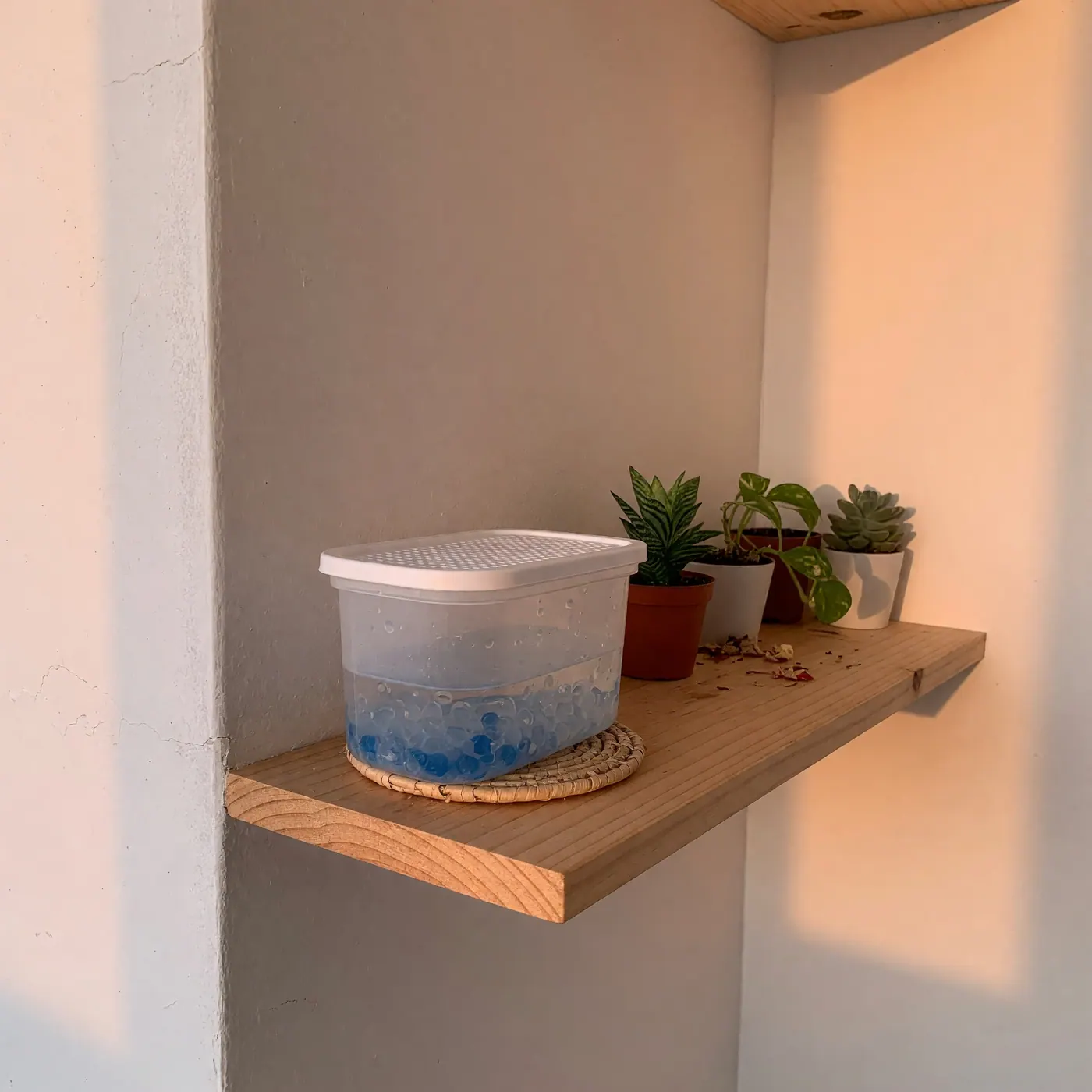
Even if your apartment is structurally sound, the ambient humidity in cities like Cali or Medellín will warp leather shoes and ruin camera lenses if you are not careful. I highly recommend buying moisture absorbers-locally called bolas secas-and placing them in every closet and bathroom. For larger spaces, a plug-in electric dehumidifier is worth the investment.
If the mold gets out of hand, you might need professional help. According to active listings on Colombia Move (July 2026), while there is a strong supply of plumbers ready to fix leaks (over 45 active listings in our plumbing category), there is currently a major shortage of specialized cleaning professionals for deep mold remediation. If you find a reliable cleaner who understands how to treat porous surfaces safely, save their number, or browse trusted cleaning services on Colombia Move.
If you would rather hire it out than DIY it, our guide to finding reliable plumbers and electricians in Colombia walks through how to vet a technician before you let them touch the source of the leak.
Just like knowing what to do during water or internet outages, knowing how to handle a massive pipe leak or mold outbreak saves you a massive headache later.
Frequently Asked Questions
❓ Who is legally responsible for mold in a Colombian rental apartment?
Under Ley 820 de 2003, the landlord is responsible if the mold is caused by structural issues like pipe leaks or roof damage. The tenant is responsible if it is caused by poor ventilation or daily condensation.
❓ Can I deduct the cost of mold remediation from my rent in Colombia?
Yes. Under Article 1993 of the Colombian Civil Code, if you notify your landlord of a structural mold issue and they fail to fix it, you can pay for the repair and deduct up to 30% of your monthly rent until reimbursed.
❓ Can I break my lease in Colombia if there is severe mold?
Yes, if the mold is severe enough to compromise the habitability of the property and the landlord refuses to repair it, you can terminate the lease unilaterally without penalty. This right comes from Article 24 of Ley 820 de 2003.
❓ How do I officially notify my landlord about a mold or humidity issue?
You must send a formal written notice via physical registered mail or a tracked email. Detail the damage with photographic evidence and explicitly request a repair under Ley 820 de 2003.
❓ What are the best ways to prevent condensation mold in Colombian apartments?
Keep windows open to ensure cross-ventilation, avoid drying wet laundry indoors in unventilated rooms, and use moisture absorbers (like bolas secas) or electric dehumidifiers in closets.

Comments
Loading comments...
Checking sign-in status...