
Home Internet Installation in Colombia: What Renters Should Confirm
Setting up high-speed internet in a Colombian apartment involves more than just picking a plan. Learn how to navigate building rules, avoid locked-in contracts, and ensure a smooth installation day.
IDIOMA DEL ARTÍCULO
Showing original language
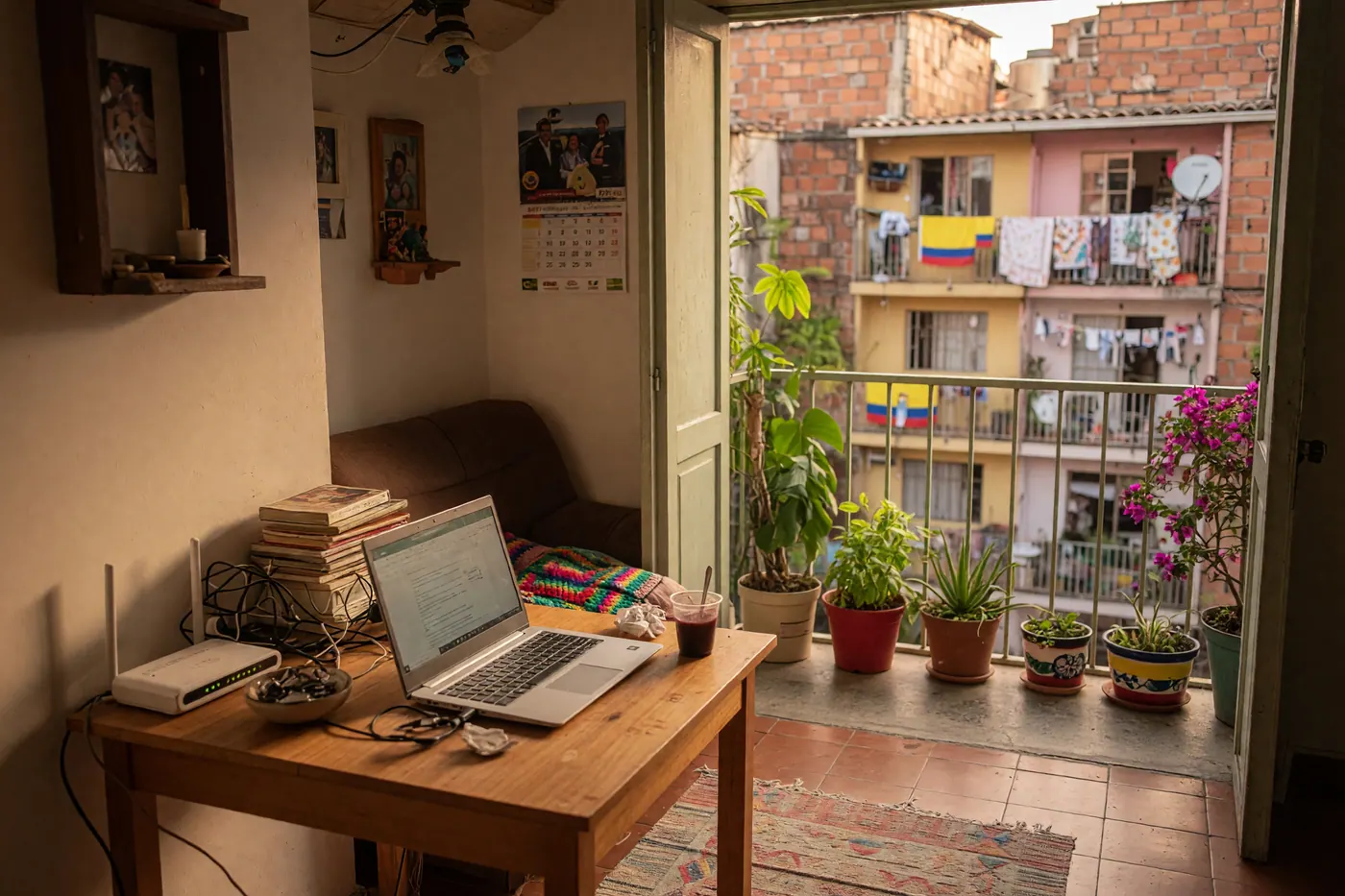
Finding the right apartment in Bogotá or Medellín is a massive relief, but getting the utilities running can quickly drain that excitement. According to active listings on Colombia Move (July 2026), our housing section sees heavy demand with over 21,800 recent views, yet I constantly see renters skip one crucial check before signing a lease: the building's physical internet infrastructure.
You cannot assume that just because an apartment is in a nice neighborhood, you can easily get a 900 Mbps fiber connection. Physical limitations, building rules, and contract minimums often catch foreign renters off guard.
Quick Answer: Standard fiber internet in Colombia costs between 79,900 and 116,900 COP per month (~$20–$30 USD). Contracts legally include a 12-month minimum term (cláusula de permanencia) unless you pay the installation fee upfront. Your biggest installation hurdle won't be the telecom company—it will be coordinating with your building's administration to unlock the telecom cabinet (shut) on the day the technician arrives.
The Building Audit: RITEL vs. Old Infrastructure
The age of your building dictates your internet options more than any coverage map. If your building was constructed after July 2015, you are in luck. These newer builds are bound by the RITEL regulation, which mandates open-access internal ducts. This prevents single-operator monopolies and legally ensures residents can freely choose any available telecom operator.
Older buildings are a completely different story. Even if monopolies are technically banned, physical reality gets in the way. Older properties often suffer from clogged ducts (ductería obstruida) or simply lack the external entry points for a new operator's fiber box. You might see a Claro truck parked outside, but if the conduit to your floor is full of old copper wires, the technician cannot run a new fiber line. Always ask the administración or your future neighbors which providers actually work in the building before you sign the lease.
Landlord Permission & Drilling Rules
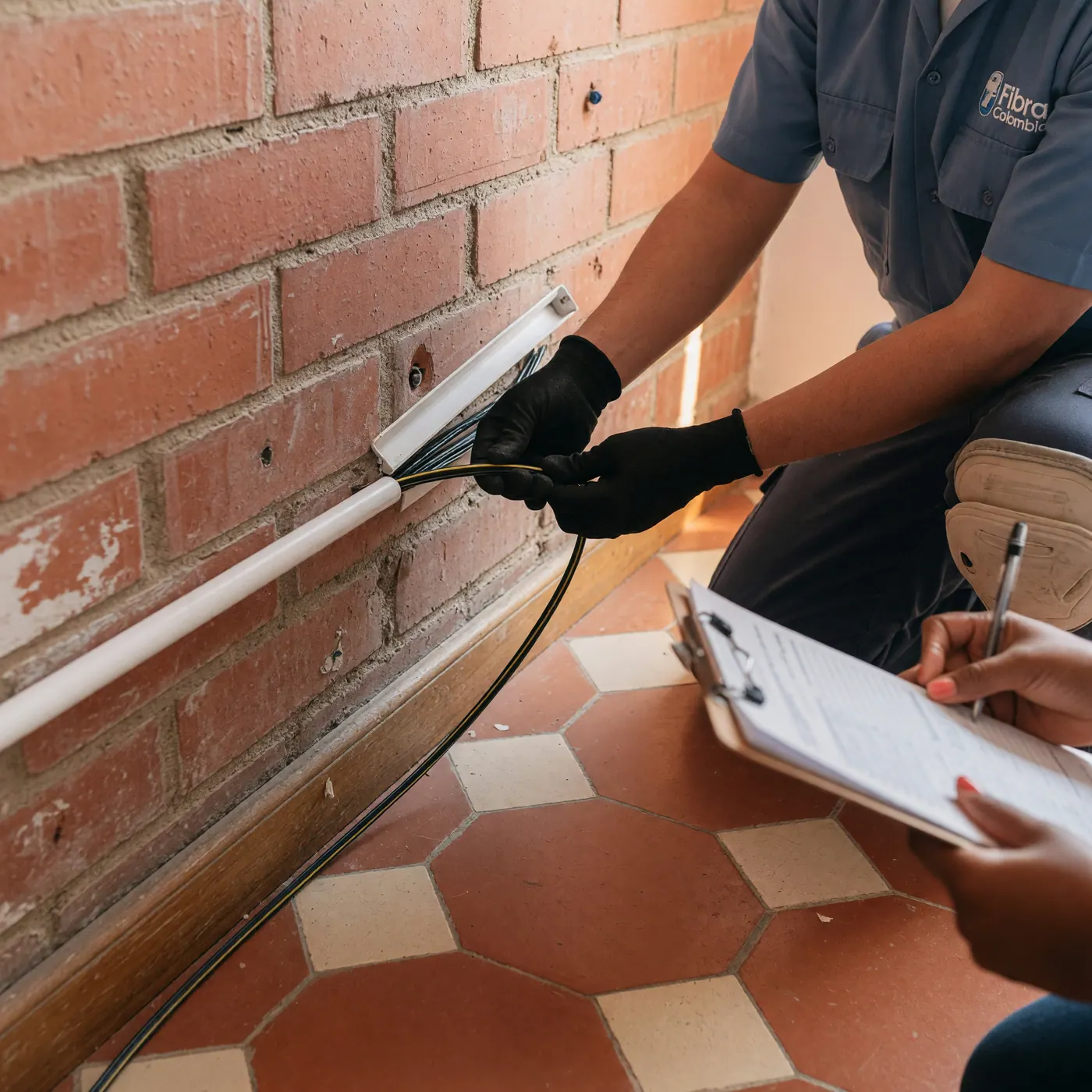
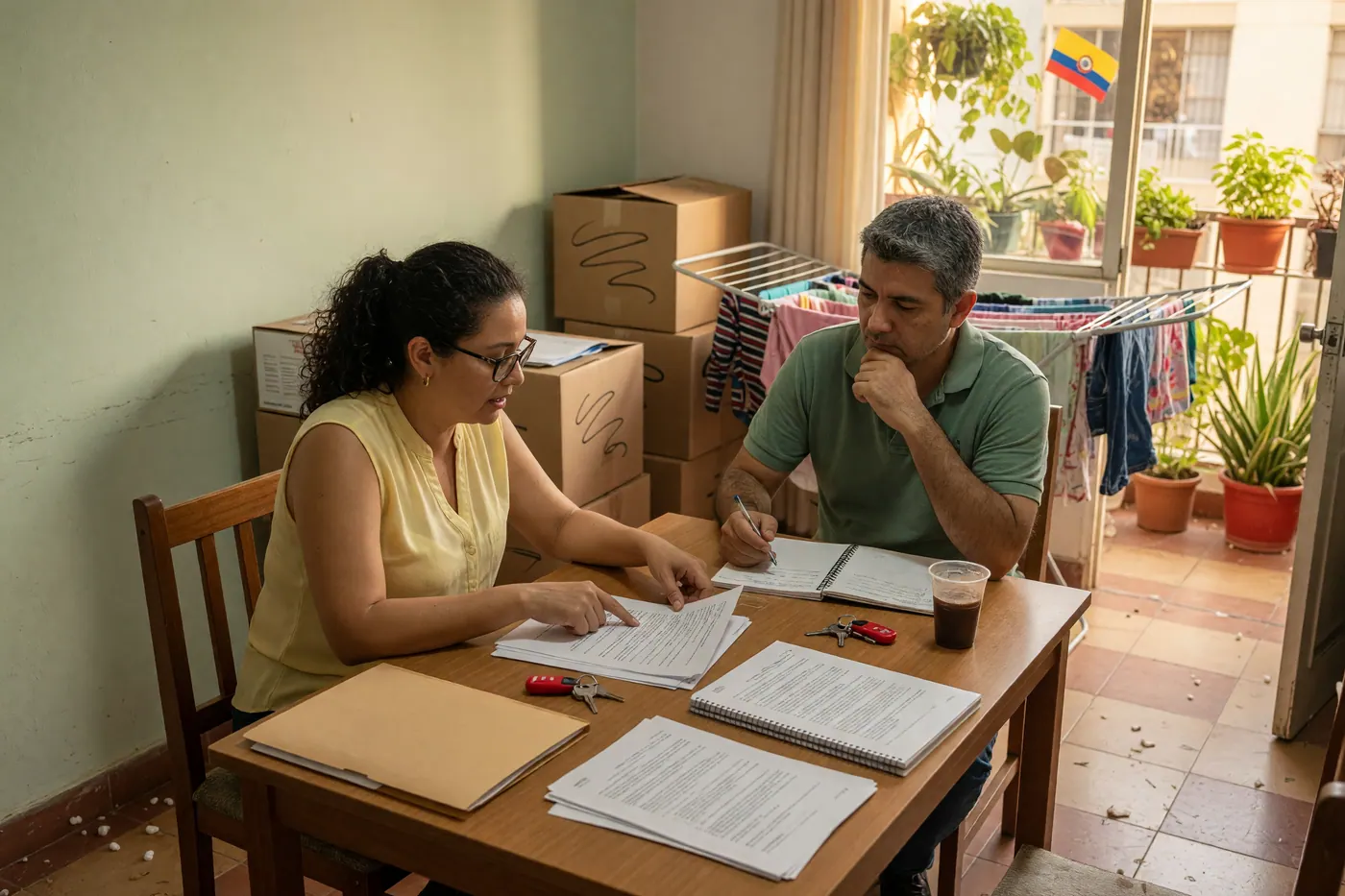
When the technician arrives, they may need to drill a hole through a wall or baseboard to route the fiber optic cable into your living room. Standard Colombian lease agreements strictly prohibit unauthorized structural alterations. If drilling is required, get written permission from your landlord via WhatsApp or email beforehand to protect your deposit.
Some landlords get nervous about tenants signing utility contracts, fearing they will be left with the bill if the tenant skips town. You can reassure them: under Colombian legal precedent, internet providers cannot hold landlords or property owners liable for unpaid bills or contract obligations if the contract was signed solely by the tenant. You sign with your ID, and the financial responsibility is entirely yours. If you need to understand more about lease legalities, review the Colombia notary basics for renters and buyers.
Deciphering the Contract: Cláusulas de Permanencia
Standard high-speed fiber plans (500 Mbps to 900 Mbps) from major players like Claro, Movistar, or Tigo cost between 79,900 COP and 116,900 COP per month. But the advertised price often comes with strings attached.
Under CRC regulations, fixed internet providers in Colombia are legally allowed to include a minimum term contract (cláusula de permanencia) of up to 12 months. However, they can only enforce this if they offer a subsidy or discount on your initial connection fee. If you know you will be in the country for less than a year, you can opt out of this commitment. Simply tell the provider you want to pay the full installation fee (cargo por conexión) upfront—usually around 100,000 to 150,000 COP. This allows you to cancel the service at any time without paying a prorated penalty.
The Installation Day Checklist
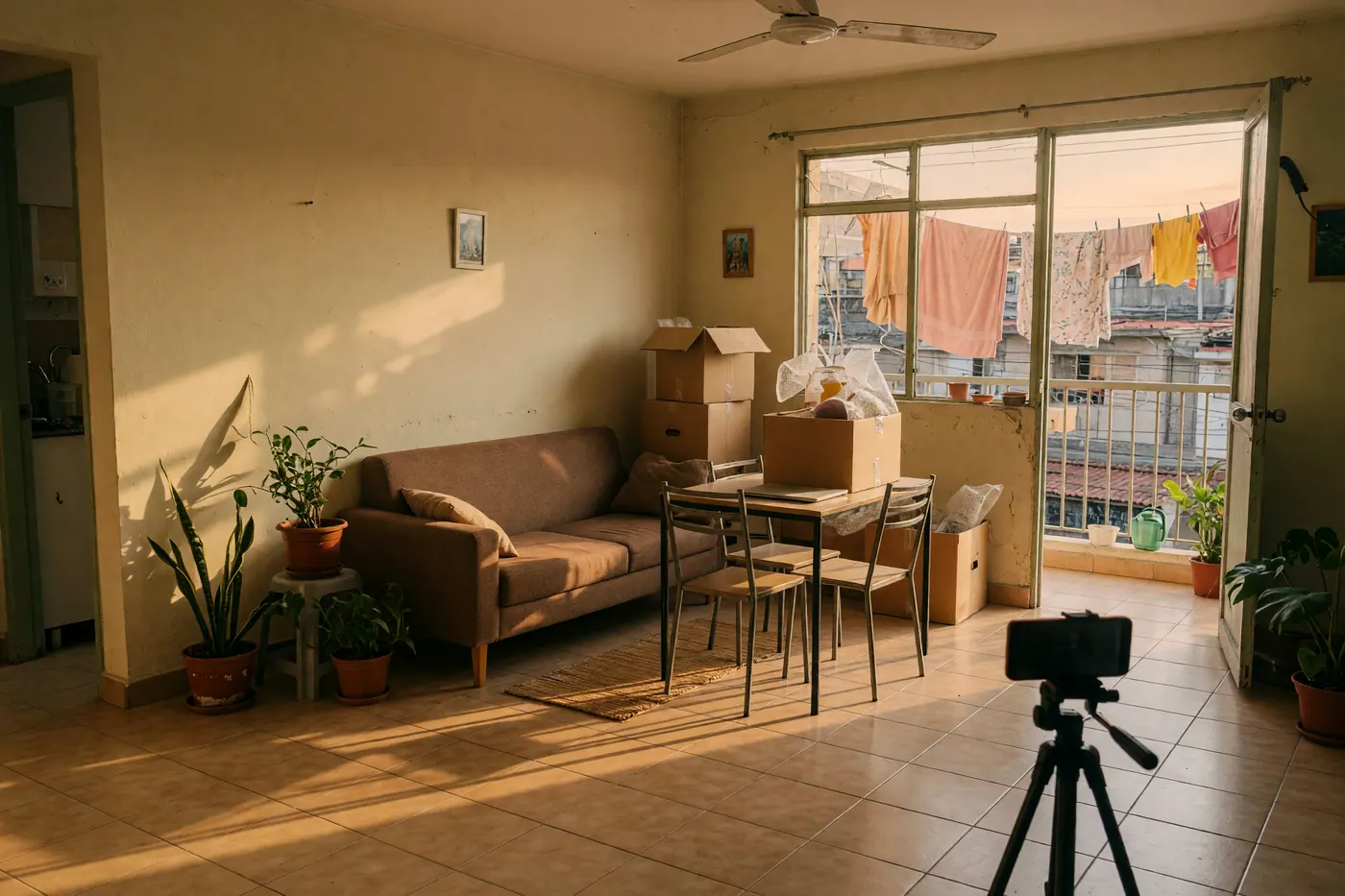
Installation day requires active management on your part. The most common reason for a failed installation is a locked door. Technicians must access the building's telecommunications cabinet—known locally as the shut de telecomunicaciones—to connect your line to the main network.
Renters must coordinate with the building administration to unlock the shut on the day of installation. If the technician arrives and the cabinet is locked, they will not wait around for the building manager to return from lunch; they will simply leave, and you will have to reschedule for a week later. Once the connection is live, do not let the technician leave until you have connected your phone to the new Wi-Fi and run a speed test right in front of them.
Plan B: Backup Mobile Data
No matter which fiber provider you choose, outages happen. Heavy rain, construction accidents, or grid maintenance can take down your neighborhood's node. If you work remotely, you need a backup plan.
I highly recommend keeping an active mobile hotspot or a secondary wireless router. Be aware that WOM Colombia's "Internet Hogar" is actually a wireless 4G LTE router (MiFi), not a fixed fiber optic connection. While it won't replace a true fiber line for heavy downloading, it makes an excellent, portable backup option. For more troubleshooting tips, check our guide on handling apartment water and internet outages.
Frequently Asked Questions
❓ Can I get home internet in Colombia if I only have a passport?
Yes, some operators allow passport registration, though the process is much easier with a Cédula de Extranjería. If an operator blocks your passport application, you can often bypass the restriction by paying the installation fee upfront or using a prepaid mobile hotspot instead.
❓ Does my landlord have to pay for my internet installation?
No, unless it is explicitly agreed upon in your lease contract. Under the Colombian legal precedent cited in the July 2026 brief, the tenant is responsible for the contract, and the landlord is protected from unpaid telecom bills when the contract was signed solely by the tenant.
❓ What is a "cláusula de permanencia" and can I avoid it?
It is a 12-month minimum term contract that operators use to subsidize your initial setup costs. Under the CRC rules reviewed in July 2026, you can avoid it by paying the full connection fee (cargo por conexión) upfront, which allows you to cancel without that early-termination penalty.
❓ Why does my building administration say I can't use Movistar or Claro?
While RITEL rules reviewed in July 2026 ban operator monopolies in qualifying buildings, older buildings often have physical limitations like clogged ducts or no available ports. Always ask the administration for the specific physical reason, instead of accepting a flat refusal.
❓ What happens to my internet contract if I move to a new apartment?
Most operators allow you to request a service transfer (traslado de domicilio) to your new address. This can keep your current contract active without triggering early termination fees, provided they have coverage at your new building; confirm the fee and timing with the operator before you move.


Comments
Loading comments...
Checking sign-in status...