
How to Compare Neighborhood Safety in Colombia Before Renting
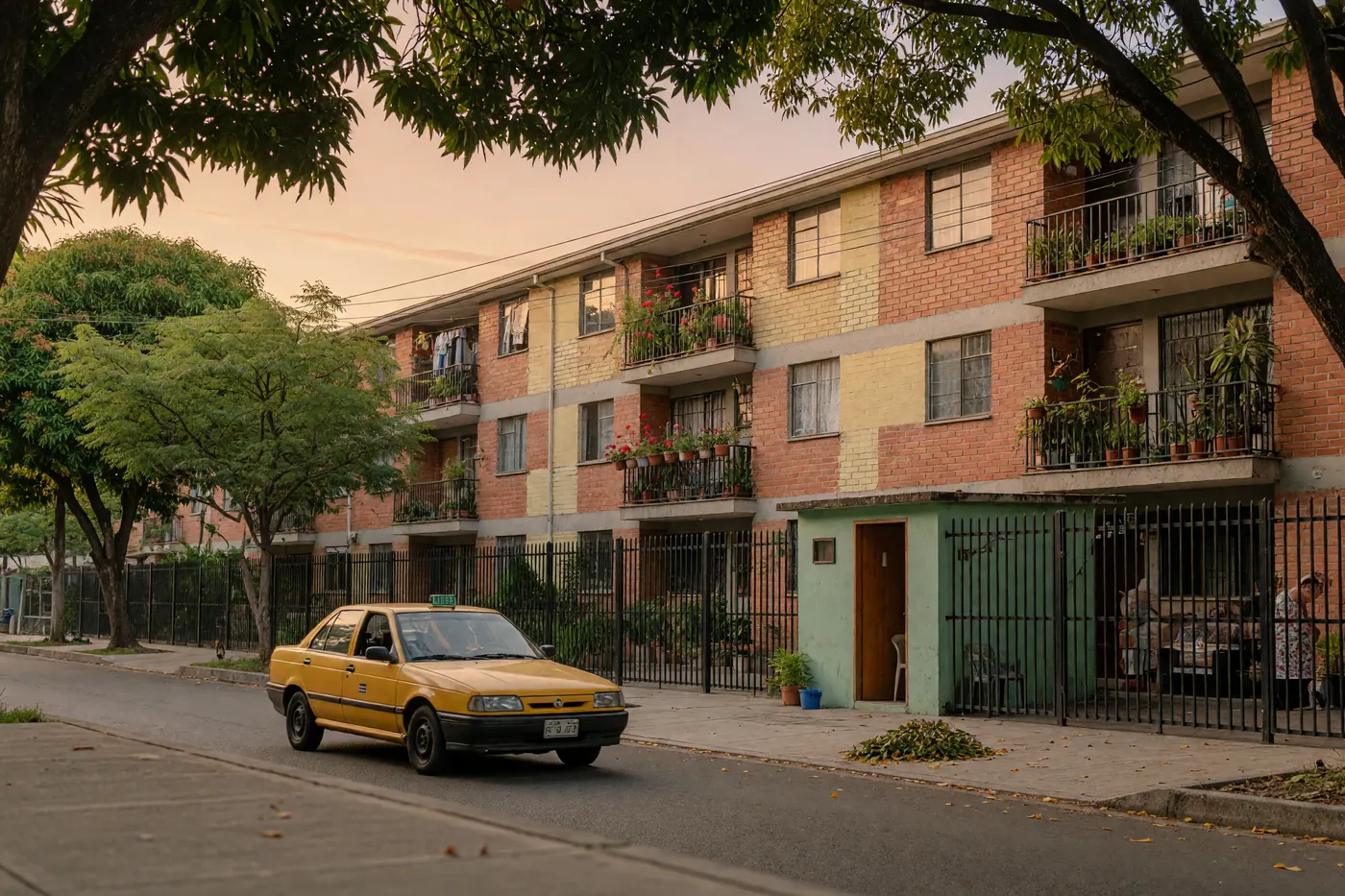
Moving to Colombia is thrilling, but finding a secure rental requires more than pretty apartment photos. Use this block-by-block checklist before you sign.
IDIOMA DEL ARTÍCULO
Showing original language
Moving to Colombia is an incredible step, but finding the right neighborhood requires more than just looking at beautiful apartment photos. When I first arrived, I made the mistake of assuming a high rent meant a perfectly safe street. I quickly learned that evaluating security here requires a systematic, block-by-block approach, while keeping yourself secure by following our comprehensive 15 safety tips for foreigners in Colombia.
Quick Answer: To compare neighborhood safety before renting in Colombia, do not rely on the estrato system. Instead, check official municipal crime maps, locate the nearest CAI (police station) to get your block's direct cuadrante phone number, interview the building's doorman, and physically walk the route from the nearest transit station at night. If you want to see real-world options right now, you can browse apartments and houses on Colombia Move — posting is completely free.
1. Demystifying the "Estrato" System (Why It's Not a Safety Rating)
According to DANE, the socioeconomic estrato system (tiers 1-6) is a physical classification of housing and urban surroundings used to calculate utility subsidies and contributions. It is not a crime index or a direct measure of personal security.
In fact, wealthy Estrato 5 and 6 areas (like El Poblado in Medellin or Chapinero Alto in Bogota) can be targeted for opportunistic crimes. Criminals know where the money is. Official travel advisories warn about incidents like ride-by robberies (robos en moto), pickpocketing (cosquilleo), and the use of scopolamine (escopolamina) in nightlife districts. Conversely, many Estrato 3 and 4 neighborhoods offer strong community cohesion, lower utility bills, and quiet streets.
2. Leverage Official Local Crime Maps (Skip the Expat Forums)
Facebook groups will tell you everywhere is either a warzone or a paradise. To separate actual localized risks from generalized panic, as outlined in our analysis of real vs. outdated expat safety data, you need to use official government data.
Major cities provide hyper-local crime mapping tools. Bogota's Secretaria de Seguridad offers the Mapas Bogota and Siedco portals, while Cali provides the Observatorio de Seguridad (IDESC) interactive map. You can look up specific high-impact crimes like hurto a personas (theft of individuals) and hurto a residencias (home burglary) down to the neighborhood or commune level.
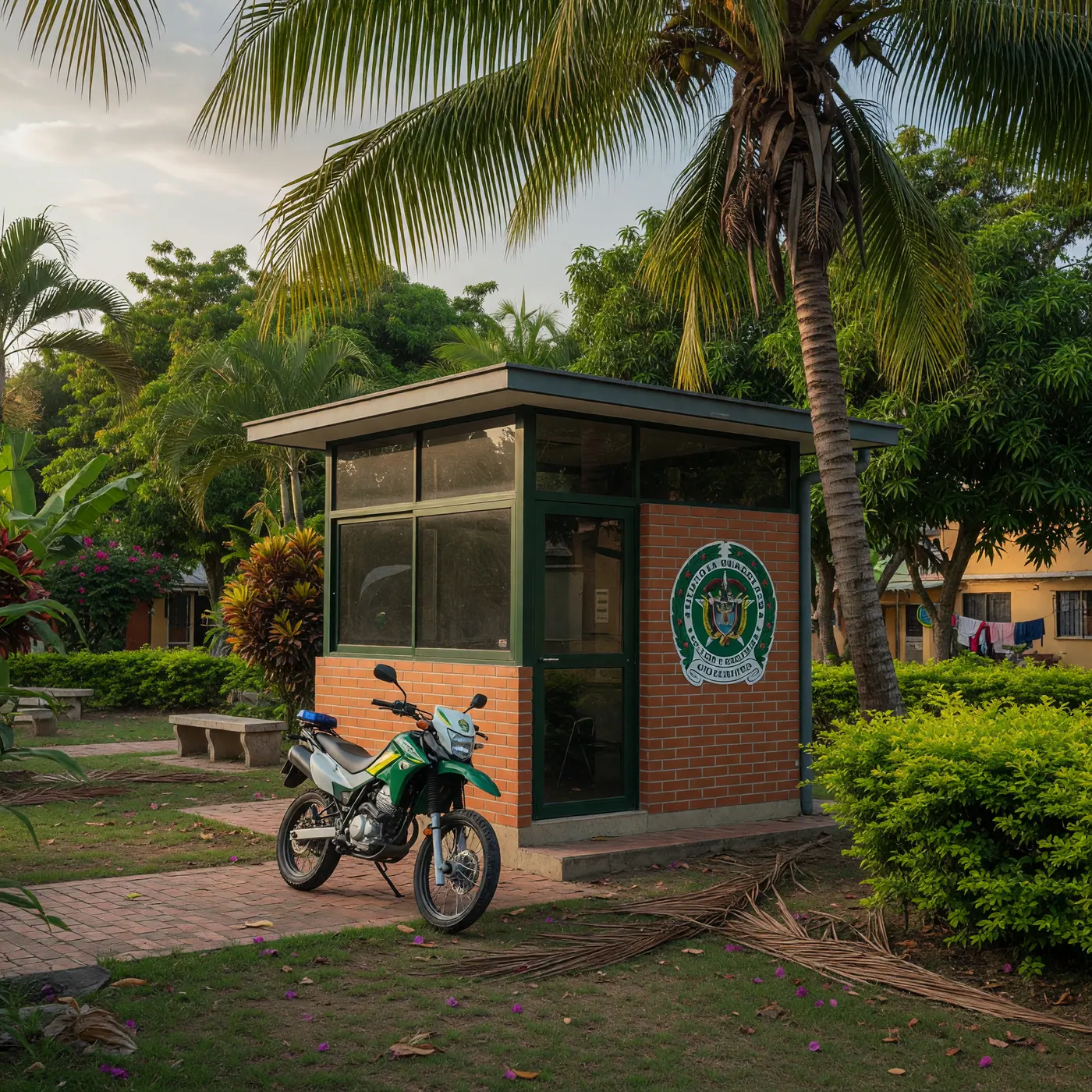
3. Locate Your Nearest CAI and Get the "Cuadrante" Number
The Colombian National Police operates through a community policing model featuring localized stations called CAIs (Comandos de Atencion Inmediata). These are usually small, highly visible cabins located in neighborhood parks or plazas.
Under this system, every block is assigned to a specific cuadrante (patrol unit). Do not just rely on the national 123 emergency line, which can experience delays. Instead, visit the nearest CAI and ask for the direct cell phone number of the cuadrante for your specific block. Having this number saved in your phone connects you to the officers already patrolling your street.
4. Conduct a Multi-Phase Physical Site Visit
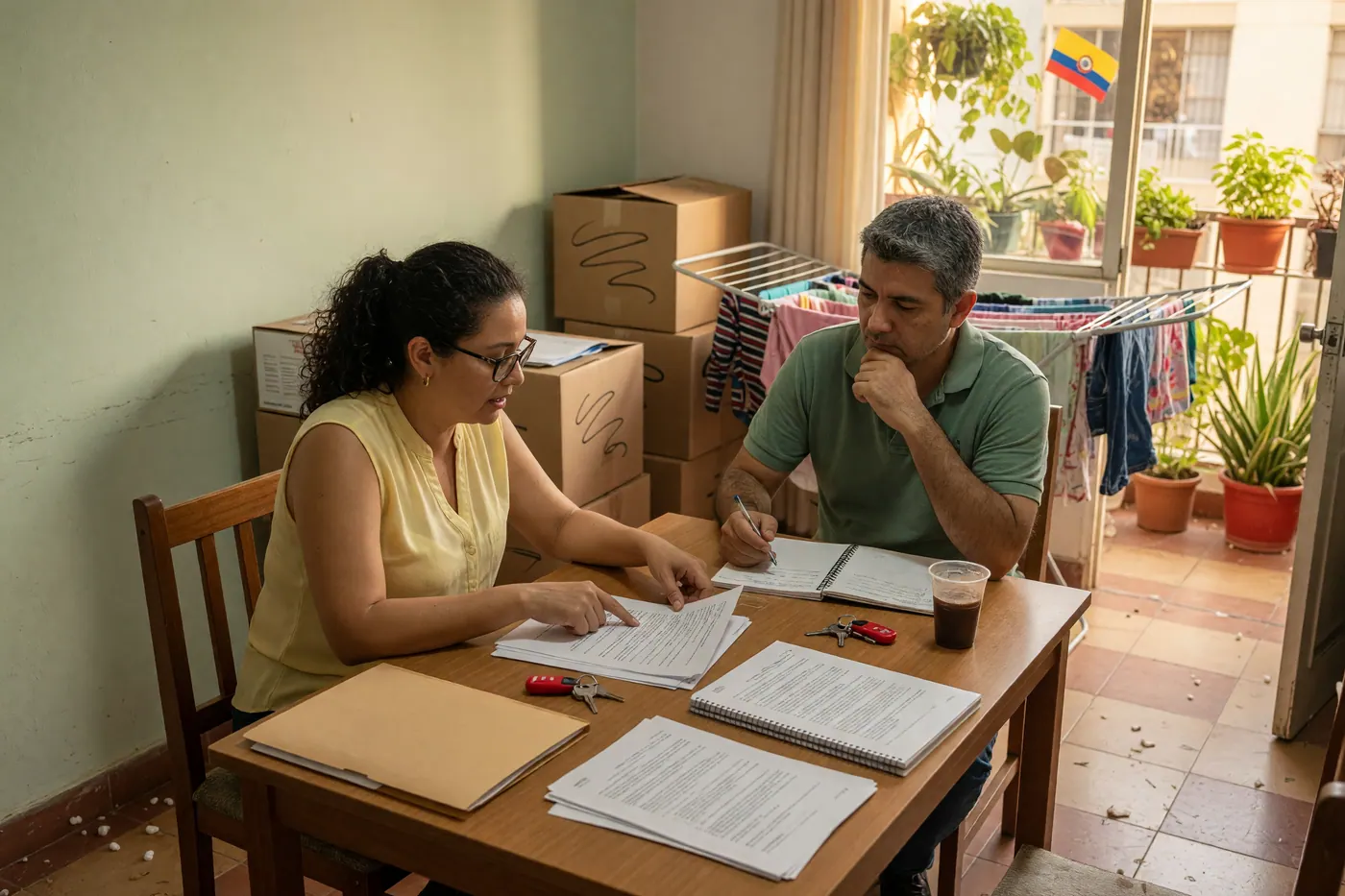
Never rent a property sight unseen. You should combine your safety walk with our step-by-step Colombia apartment inspection checklist to evaluate the building's physical security.
A street that looks charming at 2:00 PM on a Tuesday might be pitch black and deserted by 9:00 PM. Do a day visit to check commercial density, and a weekend visit to see if local bars create a chaotic environment. Most importantly, do a night visit. Walk the exact route from the nearest public transit station (Metro, TransMilenio, or MIO) to the building. Check the street lighting and look out for blind spots.
5. Interview the Building's Portero and Local Shopkeepers
The building doorman (portero) is a goldmine of safety data. Introduce yourself and ask specific questions: "How is the street at night? Are deliveries safe to receive here?" They will usually give you an unfiltered assessment of the block.
Next, speak with the owner of a local tienda de barrio (neighborhood store). Ask what time they close and if they feel safe operating after dark. If the local shops lock up tightly behind heavy iron bars at 6:00 PM, take that as a strong indicator of the nighttime environment.
6. Test Transport and Delivery App Access
Open delivery apps like Rappi or ride-hailing apps like Cabify late at night and set the address to your potential new home. If the apps restrict service, or if the area is classified as a "zona roja" (red zone) where drivers may refuse to go after dark, this is a major red flag.
According to active listings on Colombia Move (July 2026), there is currently only 1 active moving service (mudanzas) listing while demand outpaces supply with a supply gap score of 62. That thin supply means you should check moving logistics early, especially because some drivers may avoid high-risk blocks or buildings with difficult access.
7. Avoid Rental Scams and Verify Landlords
Don't let a seemingly safe neighborhood blind you to a scamming landlord. Never send deposits to reserve an apartment before visiting in person. Protect your cash by learning how to verify a Colombian seller before paying a deposit and discovering how to avoid gringo pricing on local rentals.
Frequently Asked Questions
❓ Does a higher "estrato" mean a neighborhood is automatically safer?
No, a higher estrato does not guarantee better safety. Estratos (1-6) are physical infrastructure classifications used by the government to calculate utility subsidies and surcharges, not crime statistics. While Estrato 5 and 6 neighborhoods often have more private security and better lighting, they can also be targets for opportunistic crimes like phone snatching and pickpocketing because criminals target areas with perceived wealth.
❓ What is a CAI, and why should I look for one near my potential apartment?
A CAI (Comando de Atencion Inmediata) is a small, localized neighborhood police station operated by the Colombian National Police. Living near a CAI can help because it usually means more visible police presence, local patrols, and a clearer place to ask for block-level security guidance.
❓ How do I get the direct phone number for my local police patrol (cuadrante)?
You can get your local patrol's direct cell phone number by physically visiting the nearest CAI and asking the officers on duty, or by checking the official directory on the Policia Nacional website. This direct "numero de cuadrante" connects you to the mobile patrol unit assigned to your specific blocks, instead of relying only on the busy national 123 line.
❓ How can I use delivery apps like Rappi to check neighborhood safety?
You can use delivery apps as a practical safety indicator by checking if they service the potential address freely after dark. In high-risk areas known as "zonas rojas" (red zones), delivery drivers may refuse to enter, or the app may block deliveries during late hours; if drivers ask you to meet them several blocks away, treat it as a localized warning sign.
❓ What are the best official databases to check crime rates in Colombian cities?
The best official databases are local municipal security portals, such as Bogota's Mapas Bogota and Siedco portal, and Cali's interactive Observatorio de Seguridad map. These platforms provide official statistics on high-impact crimes like "hurto a personas" and "hurto a residencias" down to the neighborhood or commune level, which is more useful than subjective forum advice.
❓ Why should I walk from the nearest transit station to the apartment at night before renting?
Walking the route at night is essential because a street that feels busy and safe during the day can become deserted, poorly lit, and vulnerable after dark. This walk lets you audit street lighting, identify blind spots, and decide whether you would feel comfortable walking home alone from the Metro, TransMilenio, MIO, or bus stop at night.

Comments
Loading comments...
Checking sign-in status...