
Colombia Apartment Building Rules: Visitors, Noise, Pets, and Moving Days
Don't let building administration rules catch you by surprise. Here is what you need to know about visitors, pets, and moving days in Colombian apartments.
IDIOMA DEL ARTÍCULO
Showing original language
The first time I tried to move a new sofa into my apartment in Laureles, the porter stopped me cold. Not because I didn't live there, but because it was a Sunday, and the building's reglamento strictly banned weekend move-ins. My landlord hadn't mentioned a word about it. The most frustrating part of renting in Colombia isn't finding the apartment—it's realizing your landlord's promises mean nothing if the building administrator says otherwise.
Quick Answer: In Colombia, apartment buildings are governed by a registered reglamento de propiedad horizontal. This document, along with the building administration's daily rules, controls visitor access, pet policies, noise limits, and moving days. Always request these written rules before signing a lease or paying a deposit.
What “Propiedad Horizontal” Means in Real Apartment Life
When you rent an apartment in Colombia, you are dealing with two separate authorities: the owner of the unit (or their real estate agency) and the building administration. Under Colombia's property horizontal framework (Ley 675 of 2001), the building is governed by a registered reglamento and managed by an administrator who answers to an assembly of owners.
The administration controls the common areas, the front desk (portería), and the enforcement of coexistence rules. If your landlord says "sure, you can have three big dogs," but the building’s official rules restrict pet sizes in elevators, the building rules win.
The Documents to Ask For Before You Move In
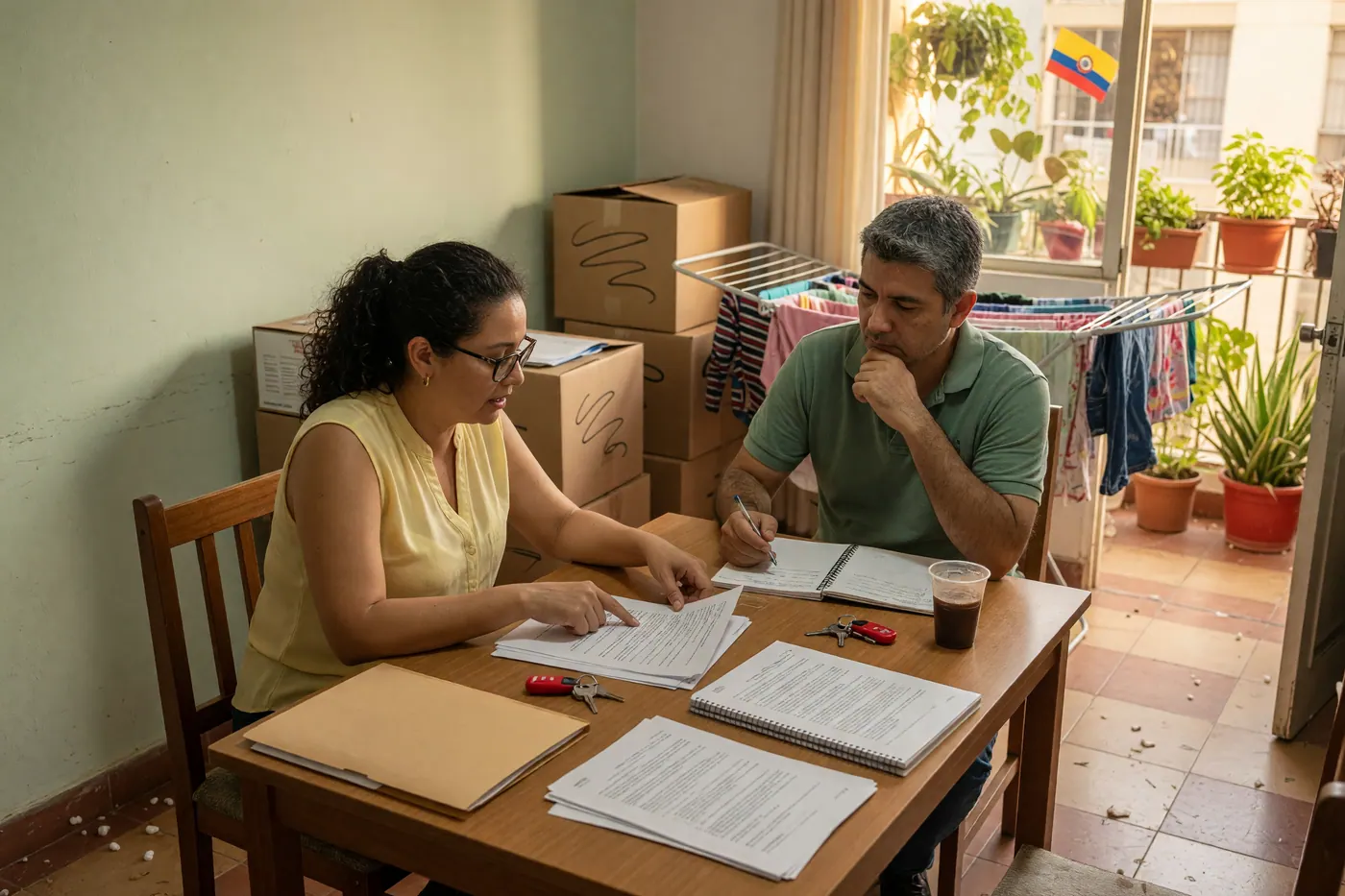
Do not wait until moving day to find out how your building operates. Before you sign the contract, ask the owner or agent for:
- El Reglamento de Propiedad Horizontal: The master rulebook for the building.
- Manual de Convivencia: A shorter, practical handbook covering day-to-day rules.
- Move-in policies: Specific days, hours, and elevator reservation requirements.
- Visitor policies: How guests are registered and whether overnight stays require prior written notice.
To protect your deposit, review our guide on Colombia rental contract red flags before putting pen to paper.
Visitors and Deliveries: ID Checks and the Portería
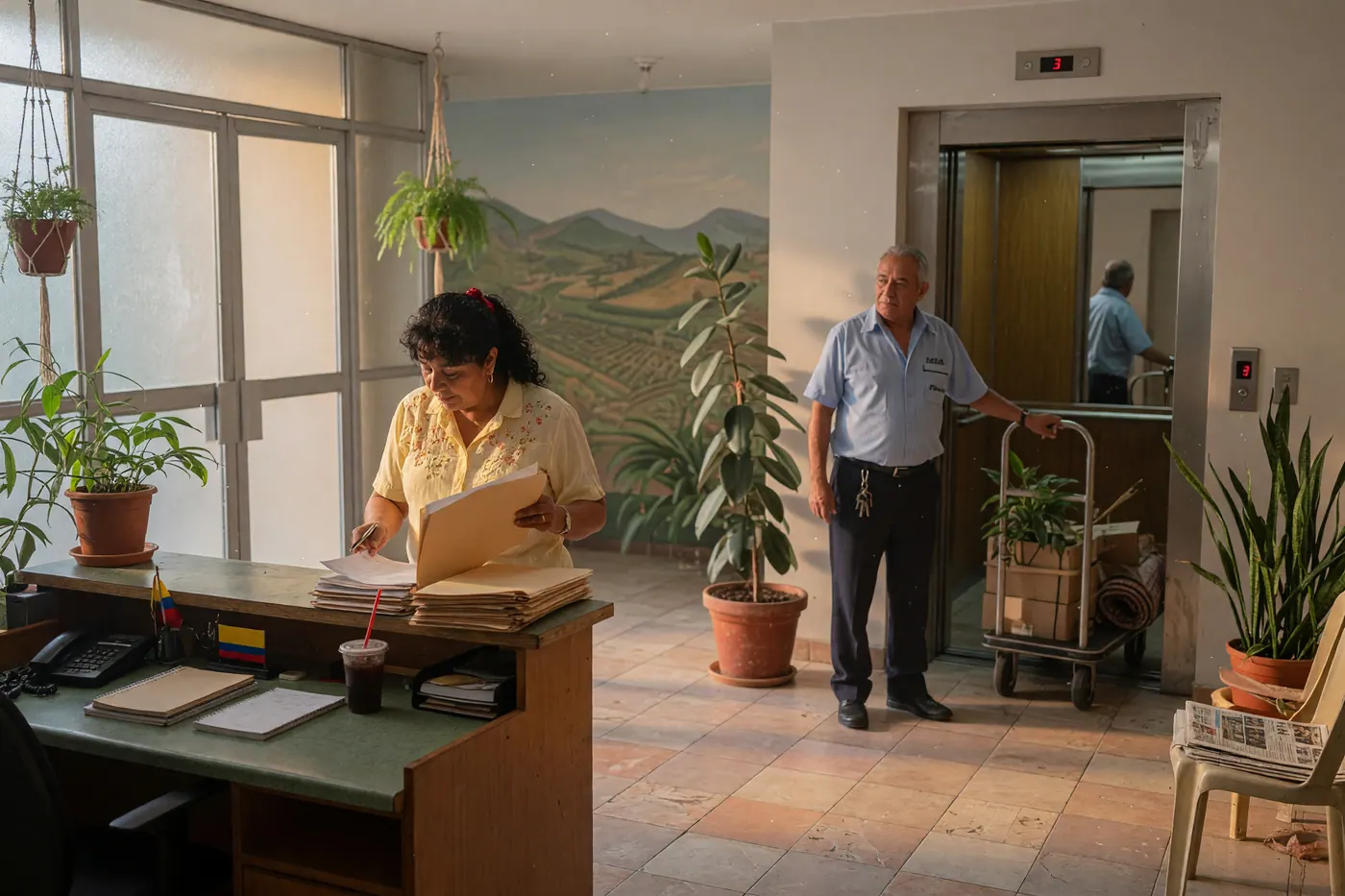
The front desk porter (vigilante or portero) is there to follow the administration’s procedures, not to make your life difficult. When you have guests, the porter will almost certainly ask them for an ID (like a cédula or passport) and log their entry.
Under Colombia’s personal data protection rules (Ley 1581 of 2012), buildings must handle visitor data responsibly. Many modern buildings now use WhatsApp or an intercom app to let you authorize guests in advance. If a porter stops a delivery driver or a friend from coming up, it is usually because you haven’t followed the building’s specific authorization procedure. Resolve unclear rules directly with the building administrator rather than arguing at the desk. If you're still comparing properties, our guide on avoiding rental scams in Colombia covers the red flags to watch before you sign.
Noise: Quiet Hours, Parties, and Escalation
Colombian cities can be loud, but residential buildings still enforce quiet hours, typically starting at 9:00 PM or 10:00 PM on weeknights. National coexistence rules under the Police Code (Ley 1801 of 2016) outline how disturbances should be addressed.
If neighbors are consistently loud, document the dates and times. Your first step should always be to contact the porter to issue a polite reminder, followed by a formal complaint to the building administrator. Escalate to the local police (line 123) only if the noise is extreme or does not stop after going through administration.
Pets: Confirming Rules Before Signing
Pet rules in Colombian buildings are rarely a simple yes or no. While Colombian constitutional rulings (such as T-035 of 1997) generally protect the right to keep animals in private residences, buildings can and do regulate how animals behave in common areas.
Check the reglamento for rules on elevator usage, leash requirements, and waste disposal in common areas. A building cannot easily prohibit a cat in your living room, but they can take action if your dog barks constantly or creates hygiene issues in shared hallways.
For a deeper look at securing a lease with animals, see our guide to pet-friendly rentals in Colombia.
Moving Day: Elevators, Truck Access, and Porter Notice
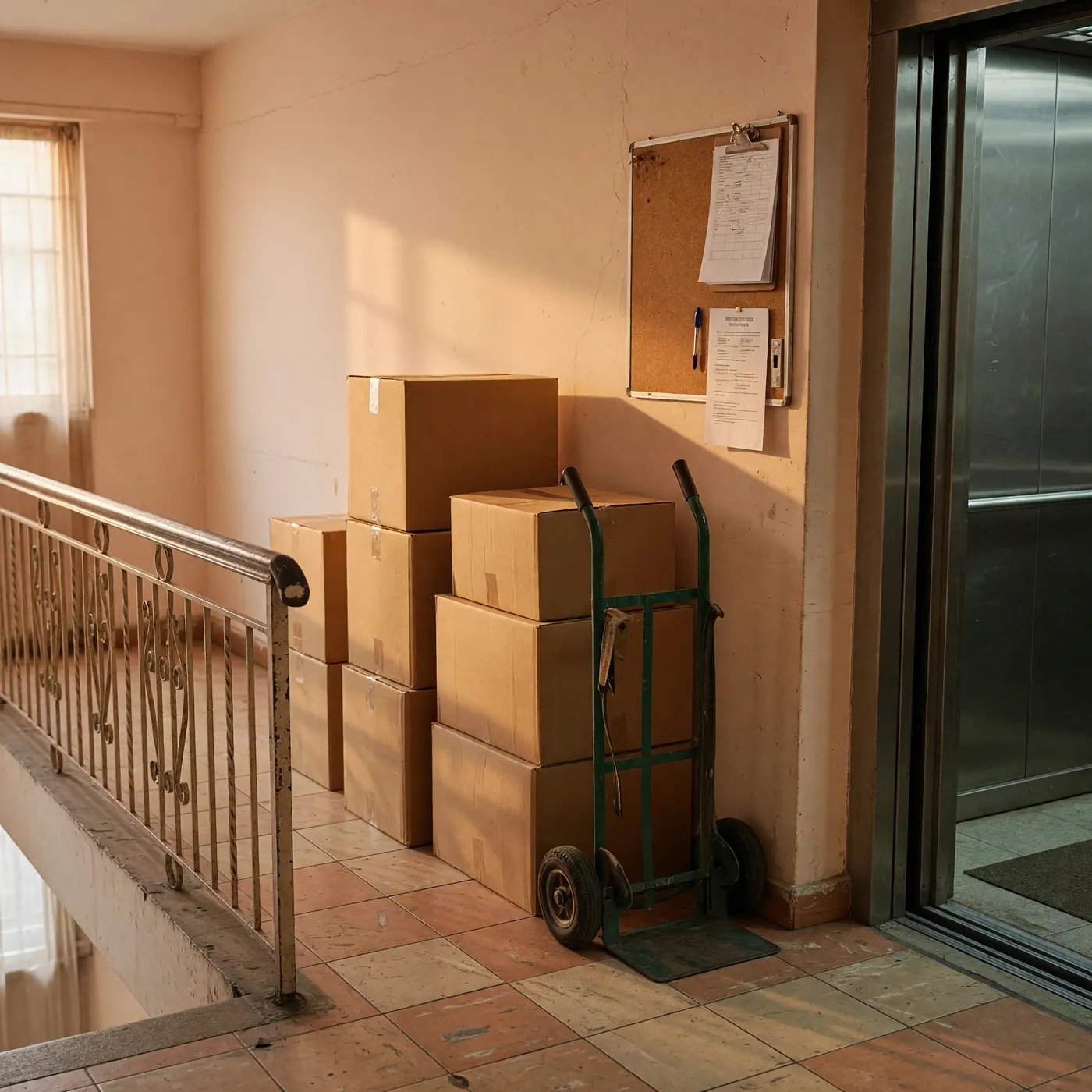
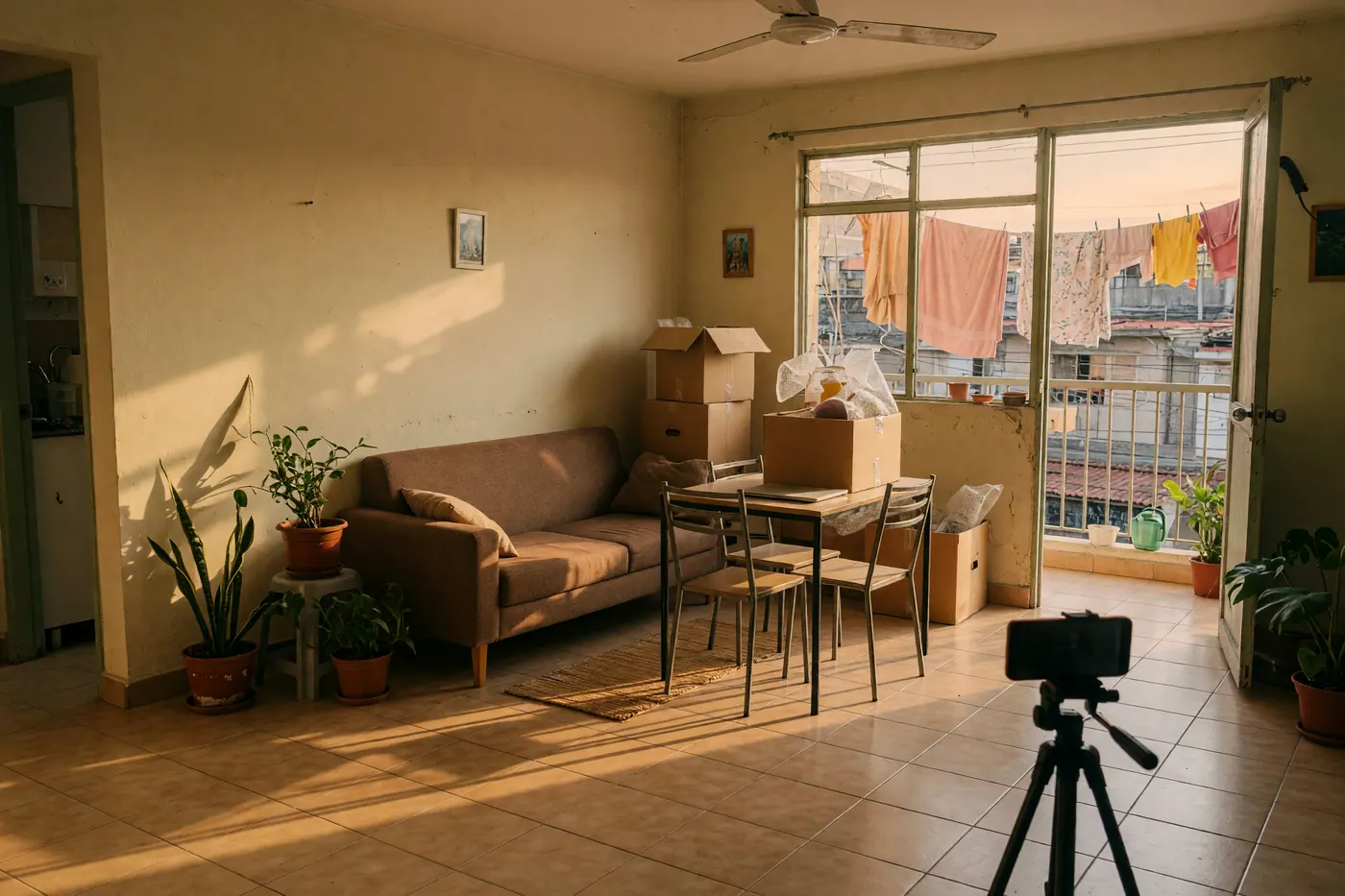
Moving days require planning. Many buildings require you to reserve the elevator at least 48 hours in advance and limit move-ins to weekdays between 8:00 AM and 5:00 PM, or Saturday mornings. Sunday move-ins are commonly banned—my Laureles experience is anything but unique.
You will typically also need to provide the administration with the names and ID numbers of the moving crew in advance. Some buildings require a refundable damage deposit before the truck backs into the loading zone. If the move means downsizing, our guide on selling or buying furniture during a move covers the fastest ways to offload or source secondhand gear in Colombia.
Once your building confirms your move date and elevator slot, it's worth lining up a local moving crew early — good movers in Colombia book up fast, especially on weekday slots.
Frequently Asked Questions
❓ What building rules should I ask for before renting an apartment in Colombia?
Ask for the reglamento de propiedad horizontal, move-in policy, pet rules, visitor policy, and admin contact before paying or moving. Having these in writing prevents surprises once your lease is already signed.
❓ Can a Colombian apartment building ask visitors for ID?
Yes, porters typically ask for ID as a standard building security process. Under Colombian data protection law (Ley 1581 of 2012), personal data collected at the portería should be handled responsibly, and the building’s visitor policy should be clear to residents.
❓ Are pets allowed in Colombian apartment buildings?
Do not assume pets are universally welcome without restrictions. Check the lease and the building’s reglamento, especially the common-area rules covering leash use, elevator access, hygiene, and noise. Regulations vary significantly by building.
❓ What should I do if neighbors are loud in a Colombian apartment building?
Document the dates and times of the disturbance and bring the issue to the building administration first. Under Ley 675 de 2001, any complaint should go through the Comité de Convivencia — the administration must follow due process (debido proceso) and give you the right to present your defence before any fine or sanction is applied. Consider escalation to police a last resort, only if noise persists after those internal channels have been exhausted.
❓ How do moving days work in Colombian apartment buildings?
Most buildings require you to reserve the elevator and loading access in advance. Confirm allowed days and hours, advance notice requirements for the porter, and who is responsible for any damage to common areas during the move.
❓ Can the porter stop a delivery, guest, or moving crew from entering?
Yes, the porter follows building procedures and will deny access if those procedures aren’t met. Resolve unclear rules with the building administrator or your landlord rather than arguing at the front desk.
❓ What if the building rule conflicts with what the landlord told me?
The building’s registered reglamento generally overrules a landlord’s verbal promises. Ask for written clarification and keep clear records before signing a lease or committing to a move-in date.
Comments
Loading comments...
Checking sign-in status...