
How to verify the Certificate of Tradition and Freedom to avoid real estate scams
Before handing over a down payment or signing a purchase agreement for a house, farm, or plot of land, checking the Certificate of Tradition and Freedom is your best security filter. We explain step-by-step how to request, validate, and read its entries.
IDIOMA DEL ARTÍCULO
Showing original language
When you are about to take an important step in the real estate market—whether it is reserving a rural lot, leasing an apartment, or paying the down payment for a farm—excitement can cloud your judgment. In Colombia, a scam can consist of offering property belonging to others, hiding relevant annotations, or altering digital documents to pressure you into immediate advance payments. The best legal and practical tool to protect your money is the Certificate of Tradition and Freedom (CTL) issued by the Superintendency of Notary and Registry (SNR).
This document acts as the property's ID card: it reflects its complete legal history, who the legitimate owner is in the public registry, and whether there are any liens, limitations, or judicial measures that must be clarified before negotiating. In this guide, we explain how to request it, what to check in each annotation, and how to verify its authenticity without falling for digital traps.
1. What is the Certificate of Tradition and Freedom and why is it essential?
The Certificate of Tradition and Freedom is a public document that faithfully reproduces the entries in a property's real estate registration folio. Under Law 1579 of 2012, real estate registration serves a public notification function: it allows any citizen to know the exact legal status of a property before conducting a business transaction.
It is essential to understand what the CTL does and does not do:
- What it does do: It shows who is legally registered as the owner before the State, the dates of previous transfers, active mortgages, liens, family housing protections, and limitations on ownership.
- What it does not do: It does not guarantee by itself that the person on the other end of the chat is not using a stolen identity, nor does it replace the detailed review of titles performed by a notary or lawyer before a public deed is signed.
To delve deeper into the legal structure of property rights, you can consult our guide on the Certificate of Tradition and Freedom for properties in Colombia.
2. How to request and validate the official certificate from the SNR

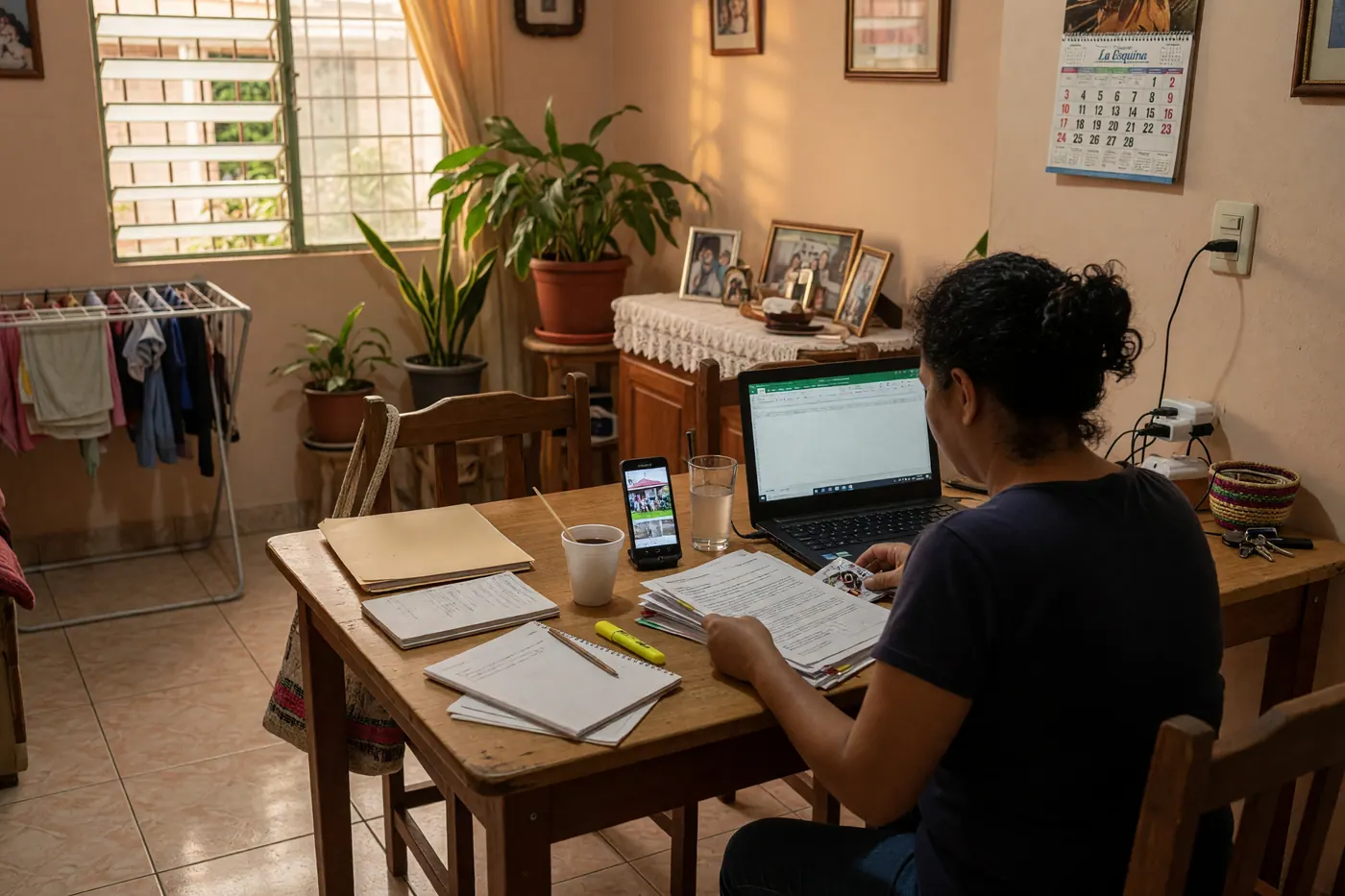
A common mistake for many buyers is trusting a PDF file or a screenshot sent by the alleged seller or an intermediary. An image-format document is easily editable in design software. The golden rule is to request the certificate directly or validate the PIN of the document provided by the other party.
To request the digital certificate online, follow these steps:
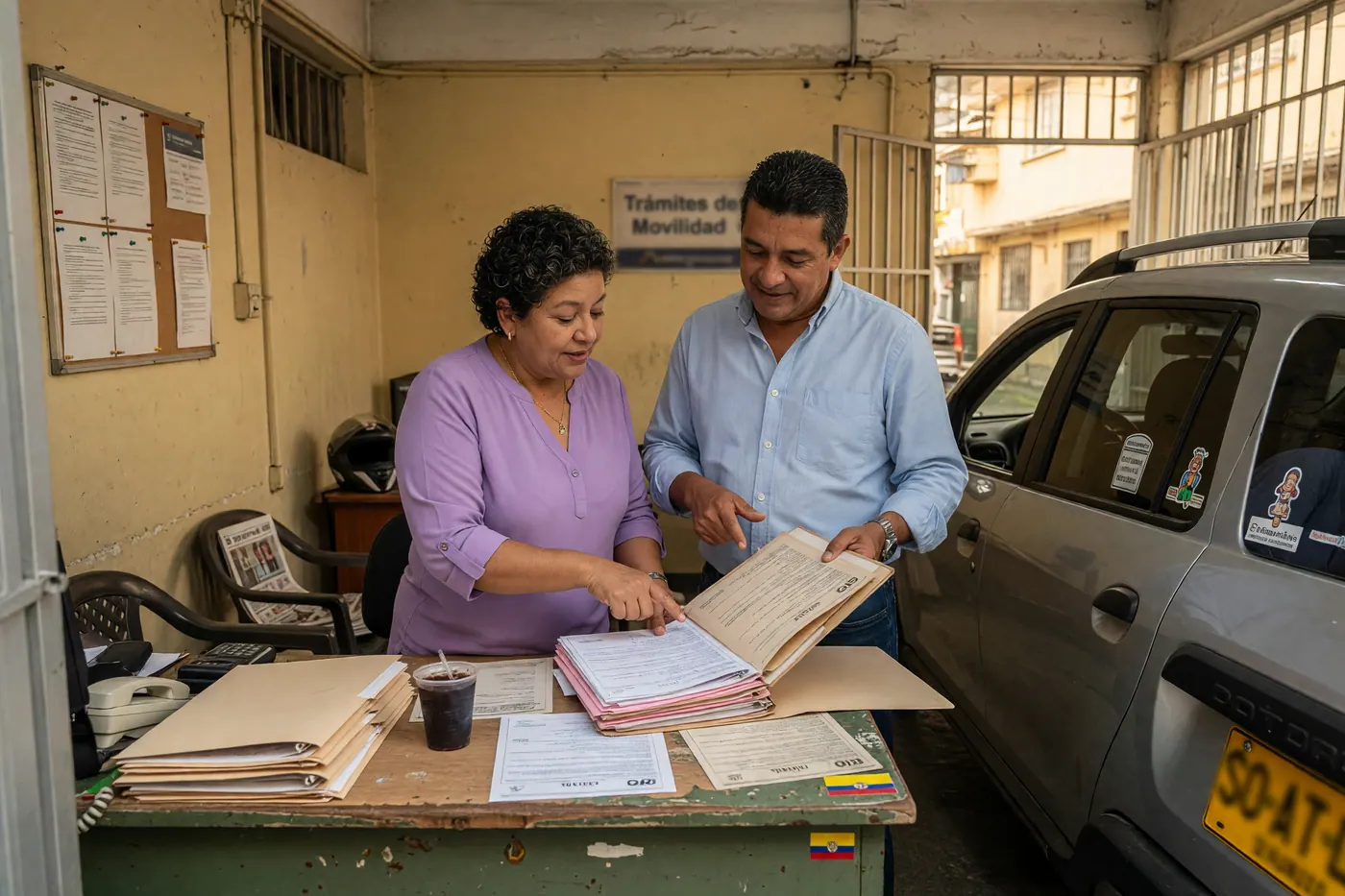
- Access only the official SNR portal (certificados.supernotariado.gov.co) or use the Unified Registry Window (VUR).
- Enter the number of the Office of Public Instrument Registration (ORIP) corresponding to the folio and the number of the real estate registration of the property.
- Make the electronic payment using the official gateways. The official SNR services page showed a value of $23,000 COP for the CTL as of August 19, 2026; confirm the current rate before paying.
- Download the PDF generated in real time. Law 1579 establishes that the certificate reflects the registration status at the exact date and time of its issuance.
If the other party has already provided a certificate, go to the validation module on the SNR portal and enter the PIN code and document date to verify that the original PDF on the Superintendency's servers matches the document you have in your hands.
3. Checklist: how to read the annotations and detect alerts
The certificate is divided into a header, property description, and a chronological list of annotations. Each annotation records a legal action regarding the property. When reviewing it, focus on these five critical points:
| Element to review | What you must verify | Warning sign |
|---|---|---|
| Owner matching | That the seller's name and ID match exactly the last domain annotation (sale, exchange, adjudication). | The seller claims to be the owner, but the registry shows a different person or a dissolved company. |
| Description and boundaries | That the address, municipality, and size of the property correspond to the ad. | Marked differences in the registered area or differences that do not have clear documentary support. |
| Liens and mortgages | Mortgage annotations in favor of banks or private individuals. | Large mortgages not declared by the seller or sale promises that do not specify how the lien will be canceled. |
| Precautionary measures | Records of judicial attachments, seizures, or lawsuits regarding the property. | Attachments or precautionary measures that have not been explained with verifiable documents. |
| Limitations on ownership | Family housing protection, non-attachable family assets, or false tradition. | An annotation of 'falsa tradición' (imperfect title) presented by the seller as if it were full ownership, without professional explanation. |
4. Red flags before making any advance payment or signing
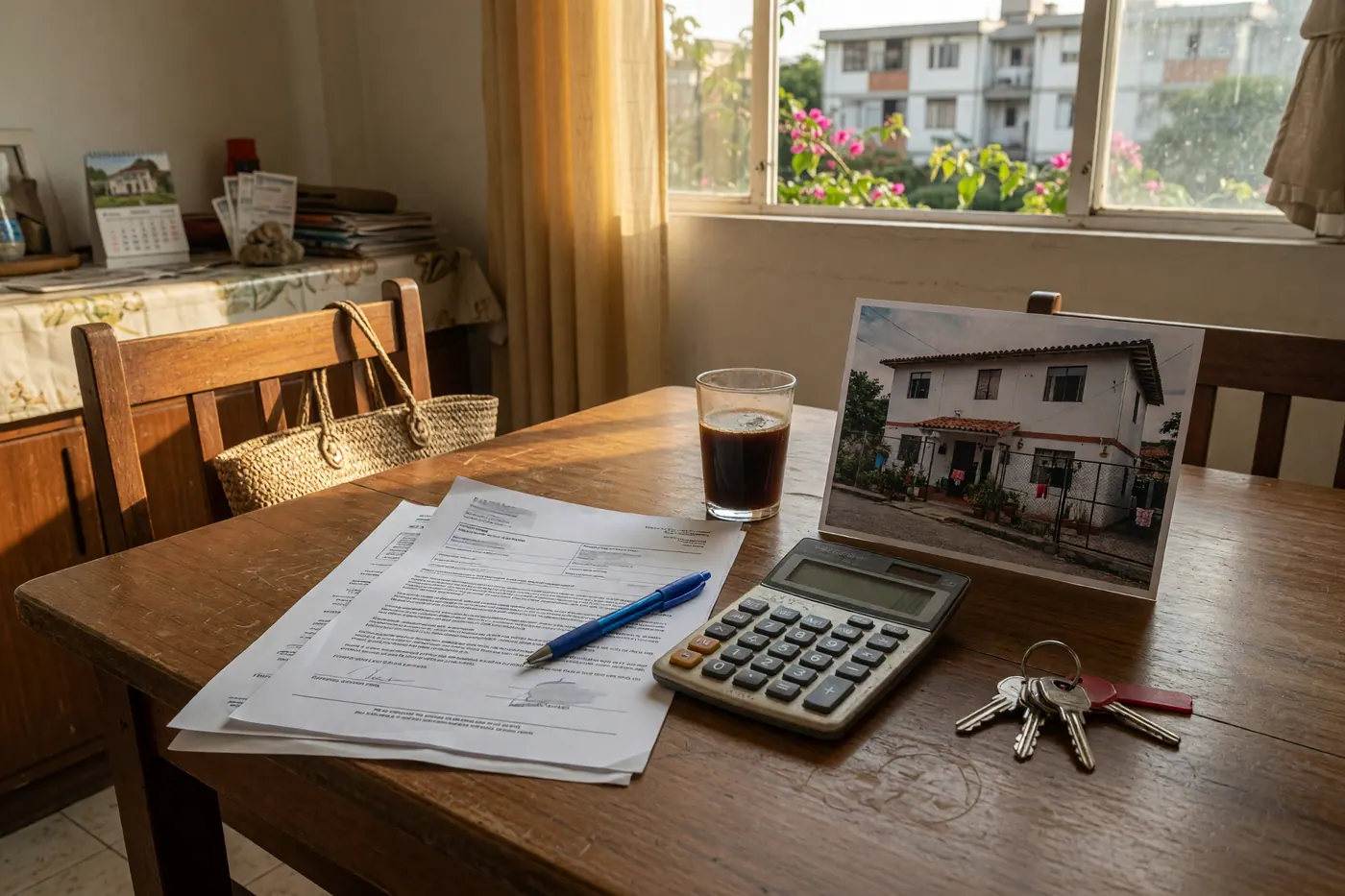
Real estate scams often feed on urgency. Criminals create ads with attractive photos and prices significantly below the area average, only to demand 'reservation money' with the excuse that other interested parties are waiting. If you notice any of the following situations, stop the transaction immediately:
- The seller refuses to provide the real estate registration number for you to perform the personal inquiry at the SNR.
- You are pressured to wire an advance to the account of a third party who is not listed as the owner and does not have a power of attorney written and notarized.
- They give you an old certificate claiming that 'nothing has changed.' Since the certification reflects the status at the date and time of issuance, it is advisable to request a recent one before closing.
- The property details, the visit, and the registration number do not match what was offered in the ad.
In the field of property rentals, patterns of deception with stolen photos are very similar. We advise you to complement your review with our analysis on how to tell if a rental ad in Colombia is real or a scam.
5. What to do if you detect irregularities or a possible scam
If during verification you discover that documents were altered or that you are facing an attempted identity theft, act quickly and with a cool head:
- Stop any payments: Do not hand over additional sums of money or sign any compromising documents.
- Collect documentary evidence: Save screenshots of the publication on portals or social networks, written conversations, provided bank details, and the certificate you downloaded directly from the SNR.
- Verify identity and data protection: If you are going to share personal information for a formal negotiation, share only the necessary data and define what it will be used for. You can use our article as a guide on what data to request when leasing or selling to avoid identity theft.
- Report it to the authorities: File a formal criminal complaint with the Office of the Attorney General of the Nation (Fiscalía General de la Nación) through the Denuncia Fácil portal or through the channels provided by the National Police, including ADenunciar when the crime is covered. The report is free and does not require a lawyer for the initial filing. If you need help with the virtual steps of this process, consult our guide on how to report virtual scams in Colombia to the Fiscalía.
Transparent market: the advantage of publishing with clear documentation
For legitimate owners and real estate sellers, transparency is the most powerful differentiator. When you provide the registration identification data for your property, attach real photos of the surroundings, and use direct contact channels, you immediately filter out looky-loos and attract truly qualified buyers and investors.
According to Colombia Move's internal supply signals (August 2026), the internal signal recorded 15 active farm listings, 10 lots, and 9 country houses. This is a snapshot of supply within the platform, not a measure of the national market; presenting clear information can facilitate a more trustworthy conversation, without promising a sale or a timeframe.
Frequently Asked Questions
❓ How do I know if a 'Certificado de Tradición y Libertad' is authentic?
To confirm its authenticity, you must enter the official SNR portal and use the validation tool with the PIN and date on the document. Do not trust PDF files forwarded via WhatsApp or printouts that you cannot verify digitally on the government platform.
❓ What information do I need to request the certificate online?
You need to know the 'Oficina de Registro de Instrumentos Públicos' (ORIP) that the property belongs to and the 'matrícula inmobiliaria' number. If you don't know them, you can perform an owner index search on the SNR, although this search is for informational purposes and does not replace the certificate.
❓ What annotations on the certificate are red flags?
Annotations such as judicial attachments, tax liens, large uncancelled mortgages, family homestead status ('afectación a vivienda familiar'), or registration under 'falsa tradición' (imperfect title) are red flags. These conditions require documentary explanation and professional review before deciding if the transaction can proceed; not all of them automatically block a sale.
❓ Does a certificate I downloaded a month ago work for closing the purchase?
It is not advisable to use an old certificate. The legal status of a property is issued in real-time and can change at any moment if a court or notary registers a precautionary measure or limitation right before you sign.
❓ What should I do if the seller does not appear as the owner on the certificate?
Stop the transaction until the legal chain of rights is proven. There may be a power of attorney, an inheritance, or another legal situation, but verifiable support must be presented, and it is best to review it with a notary or lawyer before paying.
❓ Where can I report an attempted real estate scam?
You can file a formal criminal complaint with the Office of the Attorney General of the Nation using the virtual Denuncia Fácil portal or by visiting a National Police complaint reception office. Make sure to attach chats, ads, and receipts as evidence.
❓ Does publishing a property with all information in order help sell faster?
Yes, clear information can help filter conversations and build trust. It does not guarantee a sale or a timeframe, but it allows the other party to ask concrete questions and review documentation before moving forward.



Comments
Loading comments...
Checking sign-in status...