
How to Check Liens, Pledges, and Limitations on a Used Vehicle in the RUNT
Before handing over money or signing a sales agreement for a used vehicle, it is crucial to verify its ownership limitations. We explain step-by-step how to check for liens and pledges in the RUNT.
IDIOMA DEL ARTÍCULO
Showing original language
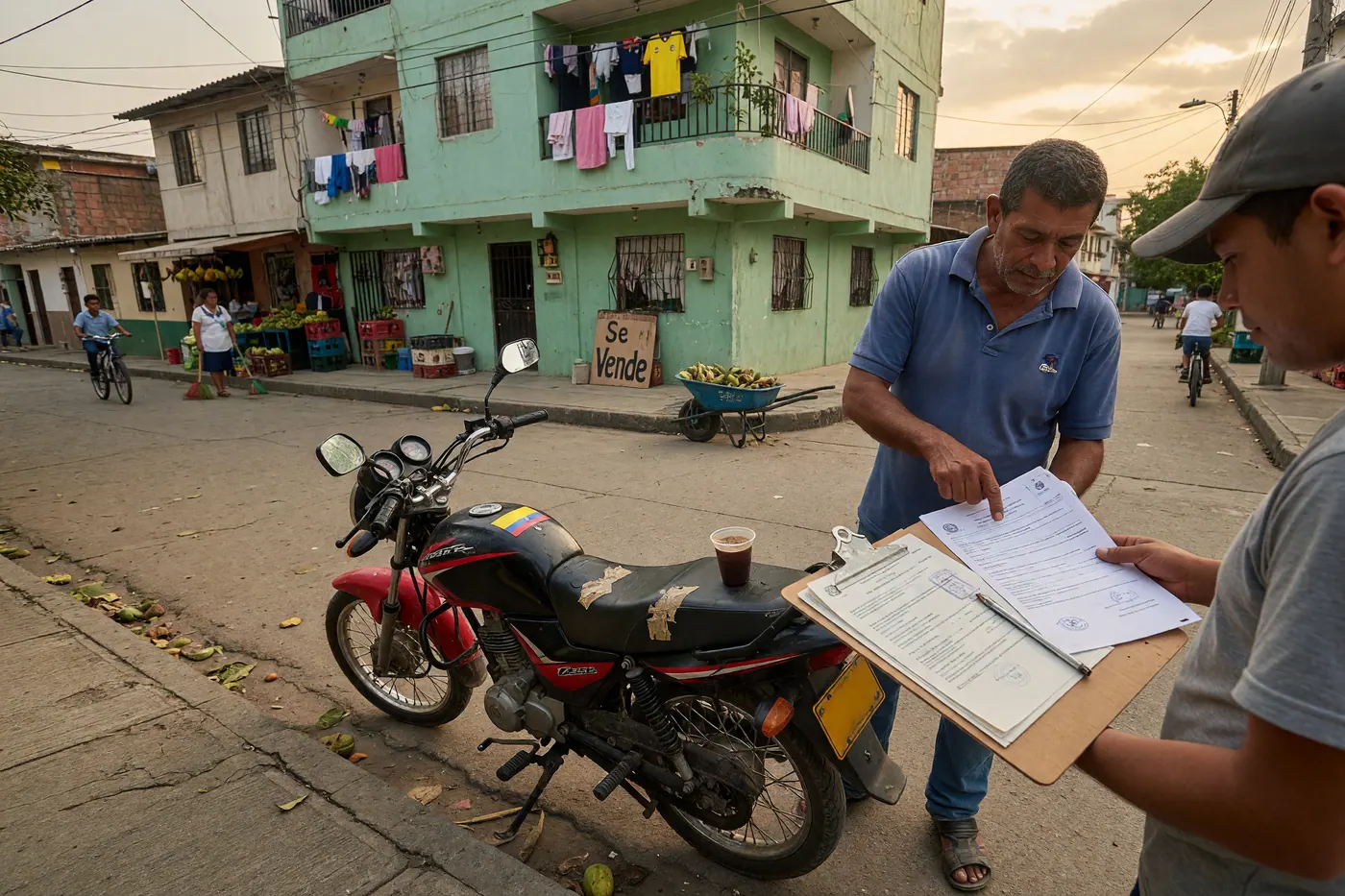
Buying or selling a used car or motorcycle in Colombia can be a great financial decision, but it can also turn into a headache if you do not verify the legal status of the vehicle. A flawless mechanical inspection does not guarantee that the vehicle is free of legal issues. If the car or motorcycle shows an unlifted bank lien or a judicial attachment in the RUNT (National Registry of Traffic) system, the transit authority will immediately reject the ownership transfer request.
Many buyers provide down payments or even the full value of the vehicle, trusting the seller's word or a bank release letter, only to discover later that ownership cannot be transferred. In this guide, we explain how to officially check for title limitations, the difference between the free inquiry and the complete report, and the exact steps to clear the title before closing the deal.
Difference between the free license plate inquiry and the RUNT Vehicle History
The official RUNT portal offers two different tools to check a vehicle's information in Colombia. Understanding what each shows is the first step to avoiding unpleasant surprises:
- Public inquiry by license plate (free): Allows you to verify basic technical data such as make, model, line, engine number, engine displacement, and fuel type; it also shows the validity of the technical-mechanical inspection and the digital SOAT in the RUNT. Furthermore, the official inquiry includes fields for Property Liens y Property Limitations registered. It serves as a preliminary check but does not provide the complete chronological traceability of owners and legal history, nor the digital Vehicle History certificate.
- Vehicle History (paid digital process): This is the official report issued by the RUNT concession for a more complete review before buying. It includes the historical list of owners, reported accidents, legal background, and the historical status of liens, attachments, and other limitations, in addition to a verifiable digital certificate.
The free public inquiry is a good first filter because it does include current lien and limitation fields. Before handing over money, I would also request the Vehicle History: it offers a formal and more complete review of the vehicle's traceability. Check the current rate directly at www.runt.gov.co, the only official portal.
Step by step: How to request the official Vehicle History online
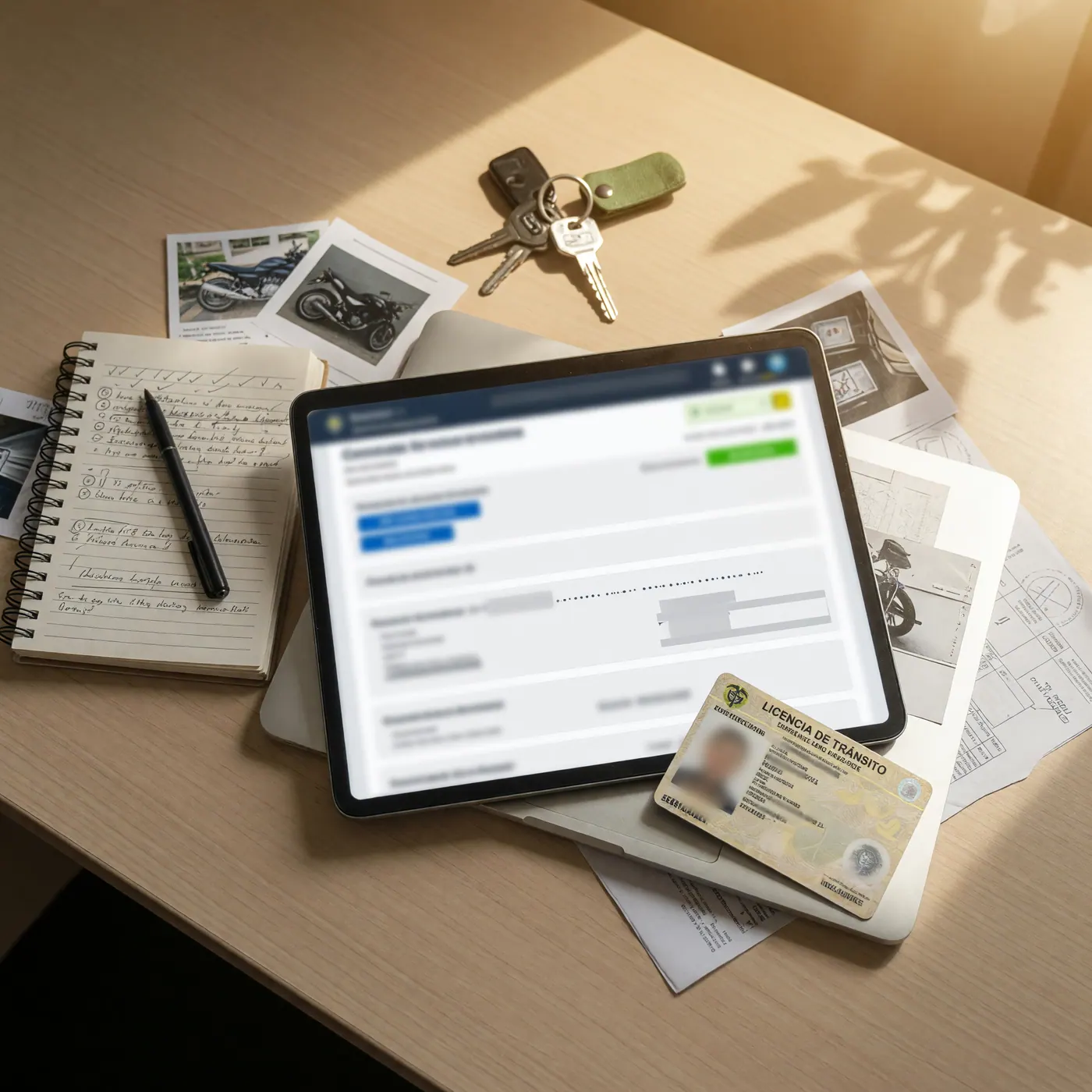
The process to issue the Vehicle History with a digital signature is completely online and is carried out through the official RUNT website (runt.gov.co). After processing the request, RUNT sends the report directly to the registered email address.
- Access the official portal: Go to the "Citizens" section at runt.gov.co and select the "Vehicle History" option.
- Fill in the form data: Enter the vehicle's license plate number (car or motorcycle) and the applicant's contact details.
- Make the online payment: The official cost set by the RUNT concession for issuing this certificate ranges between $33,000 and $35,000 COP (check the current figure on the platform at the time of the procedure). Payment is made securely via the PSE gateway.
- Download the PDF certificate: Once the payment is approved, you will receive a download link in your email. The generated PDF file has a digital signature to validate its official origin.
How to interpret title limitations in the RUNT report
When opening the Vehicle History PDF, you should go specifically to the section called Property limitations o Liens. There, three main types of annotations may appear:
1. Bank lien or movable security interest
Indicates that the vehicle was acquired through an auto loan or pledged as collateral for a personal loan. As long as the lien is active in the RUNT, the vehicle remains encumbered as collateral and the Transit Secretariat blocks the transfer.
2. Judicial or coercive attachment
Occurs when a judge of the Republic issues a precautionary measure due to a civil, commercial, or child support lawsuit against the registered owner, or when a public entity (such as DIAN, the treasury secretariats, or mayoralties) decrees a coercive attachment for outstanding taxes or unpaid traffic fines. Under an attachment, the vehicle cannot be sold or traded.
3. Precautionary measures or criminal investigations
These appear when the Office of the Attorney General or a judicial authority registers an immobilization order or warning due to asset forfeiture proceedings, unliquidated successions, or investigations into cloning/theft. If you find this annotation, cancel the negotiation immediately.
Recommended reading: Do you have questions about your vehicle's tax obligations? Check our complete guide on how to calculate and pay vehicle tax by department in Colombia.
What to do if the vehicle has a pending lien release but still appears in the RUNT
There is a widespread myth in Colombia: thinking that because the seller paid the last installment of the loan and has a bank release letter in hand, the car or motorcycle is already free. This is false. The bank release letter does not automatically update the national RUNT database.
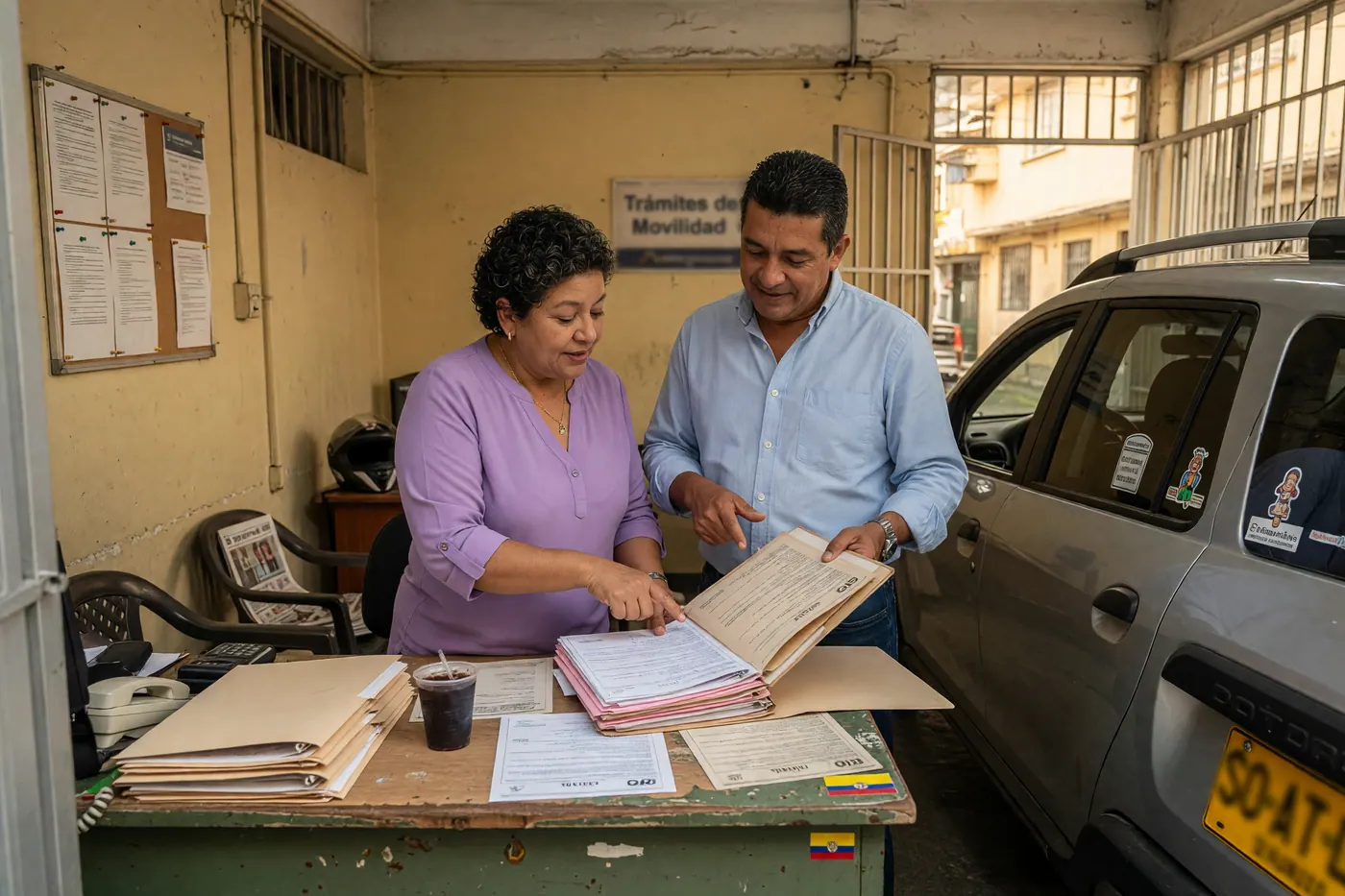
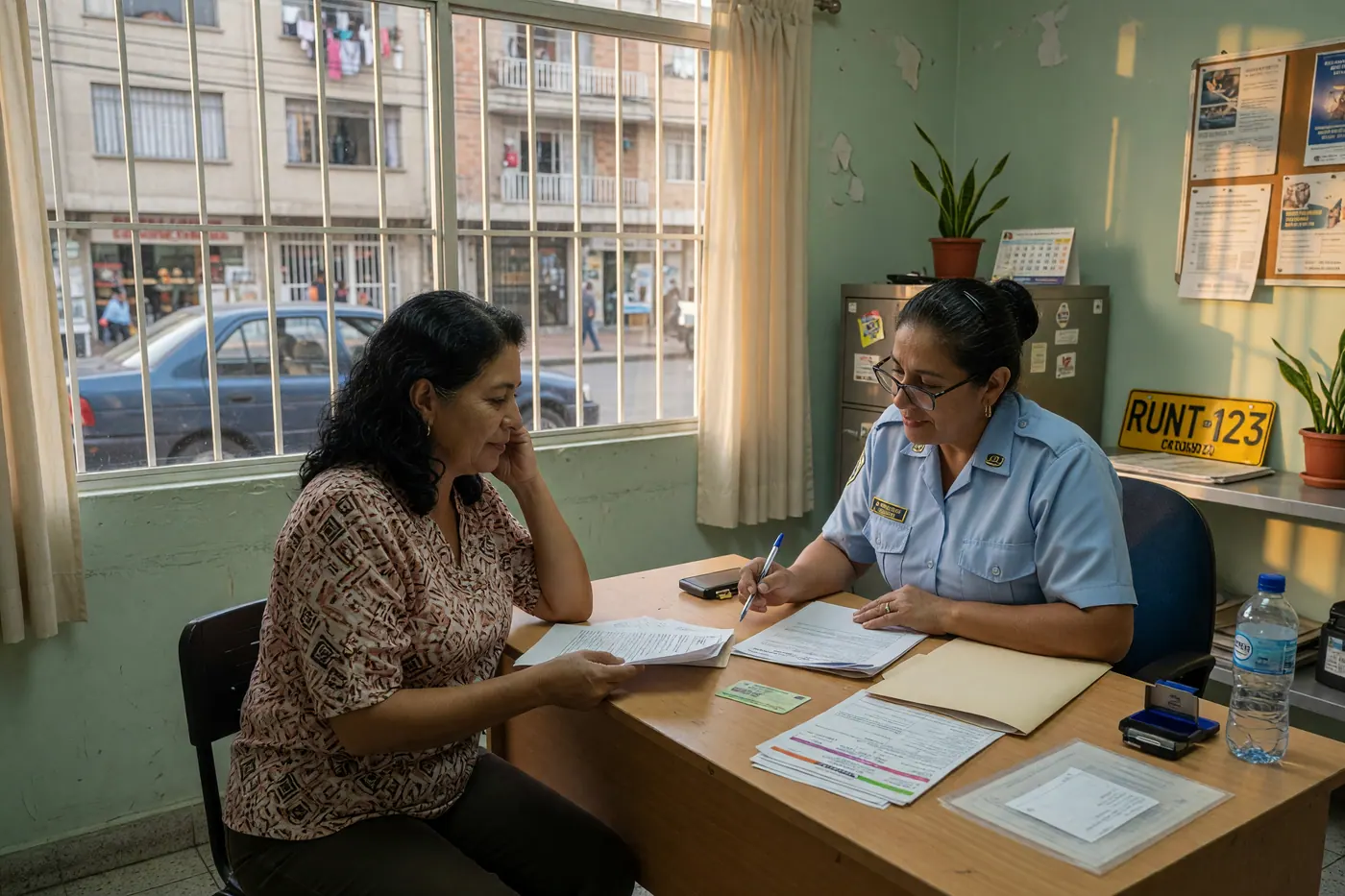
For the vehicle to be formally free of liens, the owner must complete the in-person or virtual procedure for lifting a lien before the Transit Secretariat where the vehicle is registered (for example, the Unified Service Window in Bogotá or the Mobility Secretariat in Medellín). The usual requirements are:
- Authorization letter for lifting the lien issued by the financial institution, with the formalities and validity required by the transit authority.
- Unique National Form (FUN) signed by the owner and the creditor.
- Imprints of the engine, chassis, and serial number attached to the back of the form.
- Be up to date with vehicle taxes and traffic fines in SIMIT.
- Payment of administrative fees to the transit secretariat (costs vary by municipality, ranging approximately between $140,000 and $320,000 COP).
In the case of a judicial attachmentthe process does not depend on a bank letter, but rather on the issuance of a release order by the judge or the entity that decreed the measure. Said order must be filed and processed directly by the competent authority before the corresponding transit agency. The time it takes for the release to be reflected in the RUNT varies depending on the authority issuing the order and the transit agency processing the record.
Legal checklist before signing the sales agreement
To protect your money when buying a used vehicle, follow this strict verification order before making any transfer:
- Request the complete Vehicle History at runt.gov.co and confirm that there are no active liens or pledges.
- Verify the seller's ID on the platform of the SIMIT to confirm that there are no fines or pending traffic tickets that could block the registration.
- Check that the details on the Traffic License (vehicle registration card) match the seller's ID and the physical characteristics of the vehicle exactly.
- Take the vehicle to an authorized automotive diagnostic center to perform a technical inspection of the structure and engine/chassis numbers (improntas).
- Demand that the final payment or remaining balance be made simultaneously with or conditioned upon the filing of the transfer application at the mobility authority.
According to active ads on Colombia Move (August 2026), the vehicles section has 12 active listings, including 4 motorcycles. That supply is still small: an ad that shows clear paperwork and explains the status of the transfer has a practical advantage over ambiguous posts.
Frequently asked questions
❓ Is it free to check if a car or motorcycle has liens on RUNT?
Yes. The free plate inquiry includes fields for Property encumbrances y Property limitations registered, in addition to technical data, SOAT, and the technical-mechanical inspection. For a formal review with greater historical depth and a digital certificate, also request the paid Vehicle History at www.runt.gov.co and confirm the current fee there.
❓ Can I transfer a vehicle if it has an active bank lien?
No, the traffic authority will not process the change of ownership as long as there is an active lien or encumbrance registered. According to RUNT and mobility authorities consulted on August 15, 2026, the removal of the limitation must be registered first.
❓ What happens if I finished paying off the loan but the vehicle still shows a lien?
You must file the lien removal process at the Traffic Secretariat where the vehicle is registered. Present the creditor's authorization and the documents required by that agency; the bank clearance certificate (paz y salvo) does not update the RUNT on its own.
❓ How do I know if the vehicle owner has pending fines before making the deal?
You can check the owner's identification and the license plate on the national SIMIT platform. Do this before handing over any money and also confirm if there are any payment agreements or traffic tickets that could prevent the processing of the transfer.
❓ How long does it take for a lien removal to be reflected in the RUNT?
There is no single deadline applicable to all cases and cities. The time depends on the court or coercive entity issuing and filing the removal order, and on the traffic authority processing it; confirm the status directly with those authorities.
❓ Where can I post my used car or motorcycle for free and without commissions in Colombia?
On Colombia Move, you can post a used vehicle for free and contact interested buyers in your city directly. Explain in your ad if the history is clean, what documents you have ready, and how you plan to carry out the transfer.


Comments
Loading comments...
Checking sign-in status...