
How to Sell a Used Motocarro in Colombia: RUNT Transfer, Private or Public Service, and Why a Mototaxi Is Not a Permit
Selling a motocarro means transferring a vehicle, not a mototaxi permit. RUNT paperwork, private or public service, operating card, and how to avoid scams.
IDIOMA DEL ARTÍCULO
Showing original language
Short answer: you are selling a vehicle, not a permit. The RUNT transfers ownership of the motocarro; operating it as a "mototaxi" is not a right the buyer inherits. The Ministry of Transport's letters of April 20 and June 23, 2026, and Decree 1079 of 2015 say this. The rules were verified on November 8, 2026.
Many ads say "motocarro with permit" or "mototaxi ready to work." Be careful with that: if you offer a right that does not exist, the buyer will complain and the problem is yours. It is better to sell with honest papers and tell the buyer exactly what they are receiving.
What a motocarro is in the RUNT and what it is not
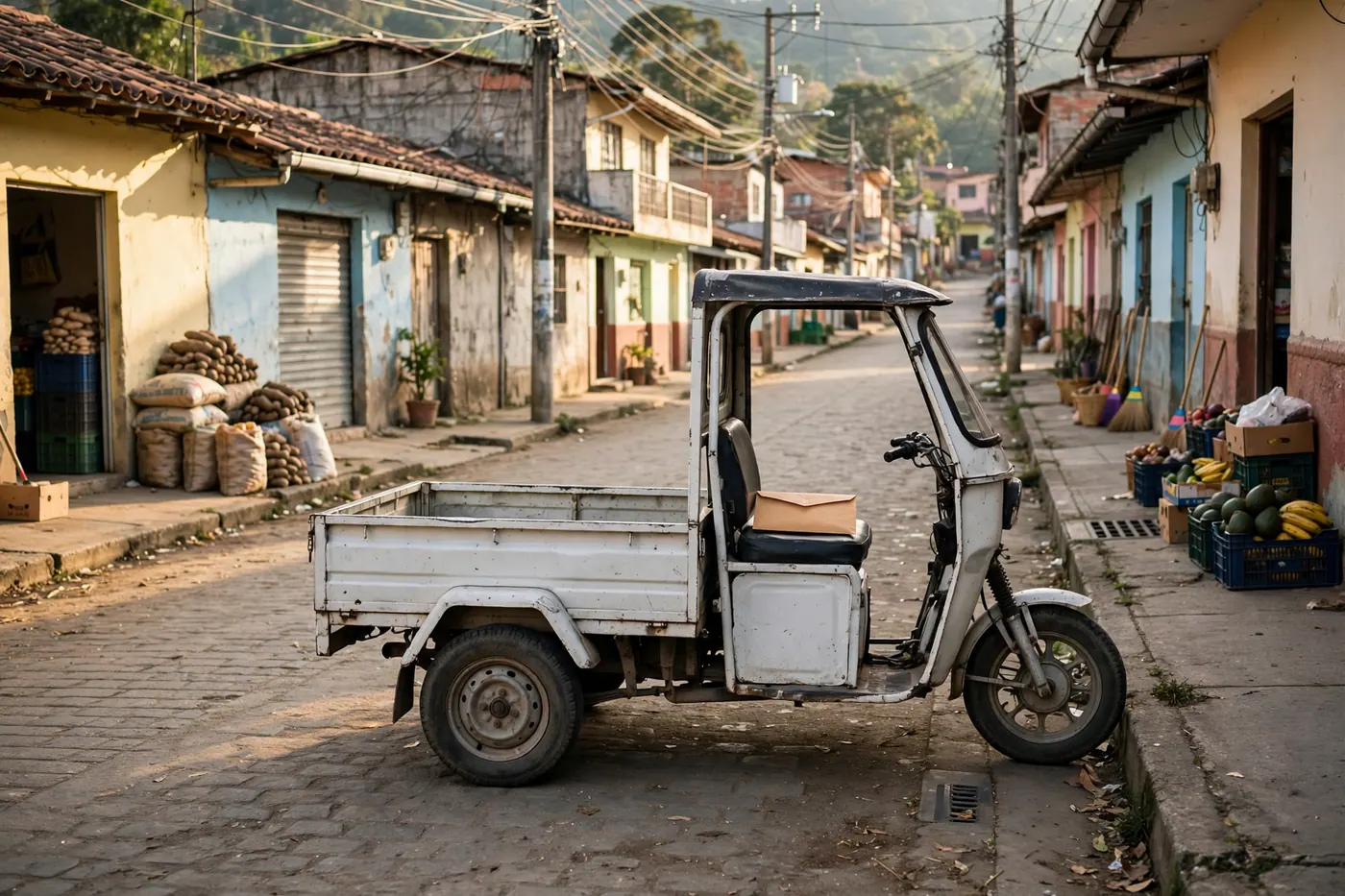
Law 769 of 2002 defines it as a three-wheeled motor vehicle with its own stability and motorcycle-type mechanical components, for transporting people or goods, with a useful capacity of up to 770 kg. It is not a two-wheeled motorcycle or a truck. Bajaj, Piaggio, or "Torito" are model names people search for, not a legal category.
The detail that changes the sale is the type of service on the vehicle's registration certificate and in the RUNT query: private or public. Private service is for private transportation needs; public service is for an approved vehicle that transports passengers, cargo, or both for a fare, freight charge, or ticket.
If what you have is a two-wheeled motorcycle, the rules are different: review our guide to selling a motorcycle.
The only regulated public service: rural mixed transport
The only public motocarro service expressly regulated is mixed transport: carrying a person and their cargo at the same time, from the rural village to the urban collection center. Conditions under Decree 1079:
- Only in municipalities with a total population below 50,000 inhabitants.
- Operated by an authorized company or cooperative whose sole purpose is transportation and whose motocarro owners hold 100% of the company.
- Paid-in capital or net equity of one (1) SMMLV for each motocarro in the transport capacity. This is a requirement of the company, not the vehicle's price or a transfer right.
- Vehicle painted entirely white, without advertising, with an operating card.
The operating card lasts two years, is issued only to vehicles linked to an authorized company, and is processed by the company. The renewal must be requested at least two months in advance, and the company may not charge the owner anything for this procedure.
A private motocarro, even if it was painted white or bought from the factory as private, cannot provide this service. And note: this is not the card for vans; for that regime see the guide to special transport operating cards.
Mototaxi and "permit": what cannot be sold
According to the Ministry, as of June 23, 2026, there is no current regulation authorizing the public passenger service on motorcycles known as mototaxi service, nor providing it with private vehicles. The April 20, 2026 letter adds that there is also no rule authorizing the use of the motocarro solely for passenger transport, outside of rural mixed transport.
Practical translation: the transfer in the RUNT does not give you the operating card or the link to a company. That card is only issued to a vehicle already linked to an authorized company. A private agreement with the previous driver does not replace either the link or the card.
Also do not mix regimes: the permit of a truck or dump truck does not pass to a motocarro. For heavy cargo, see the guide to used trucks and dump trucks.
How to prepare the transfer
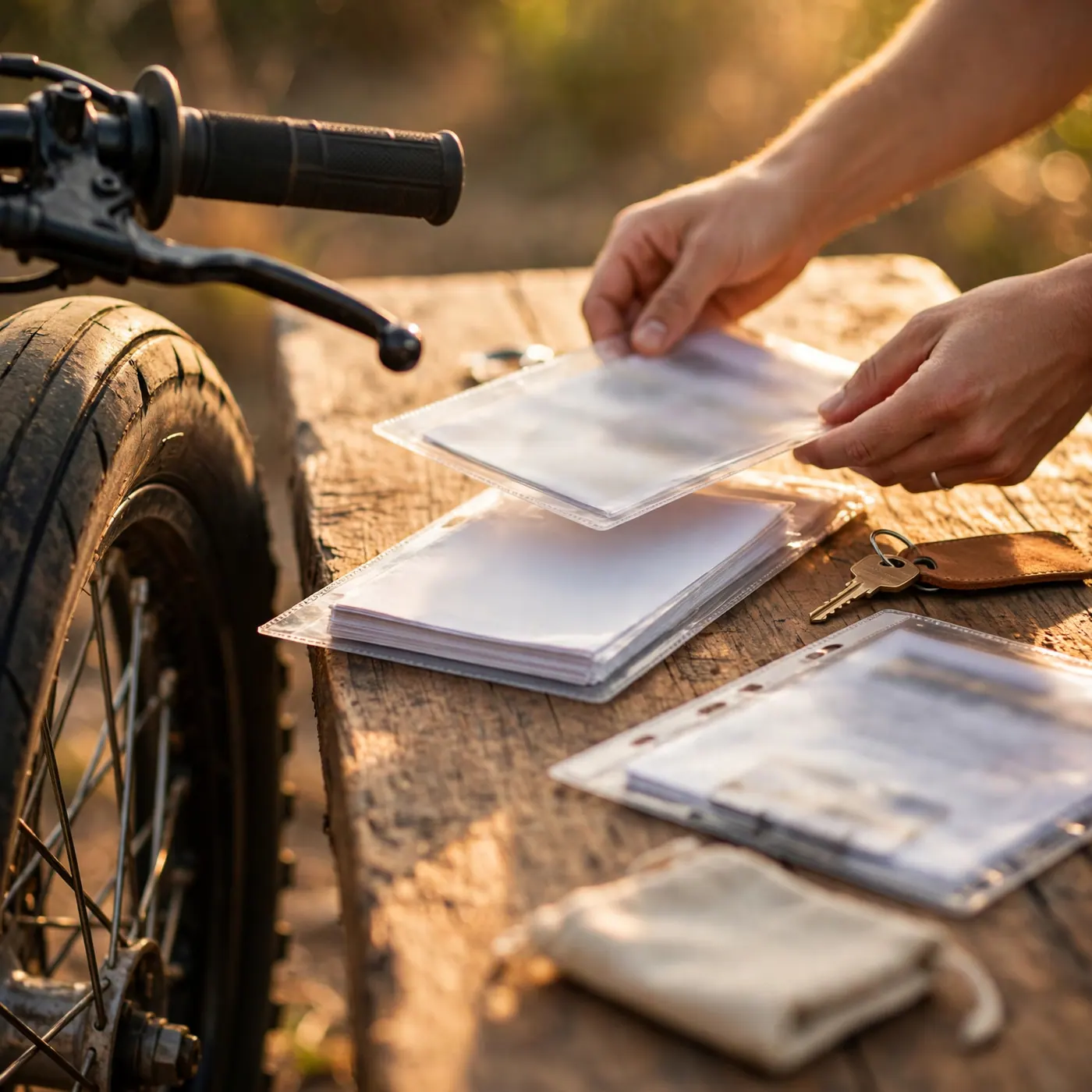
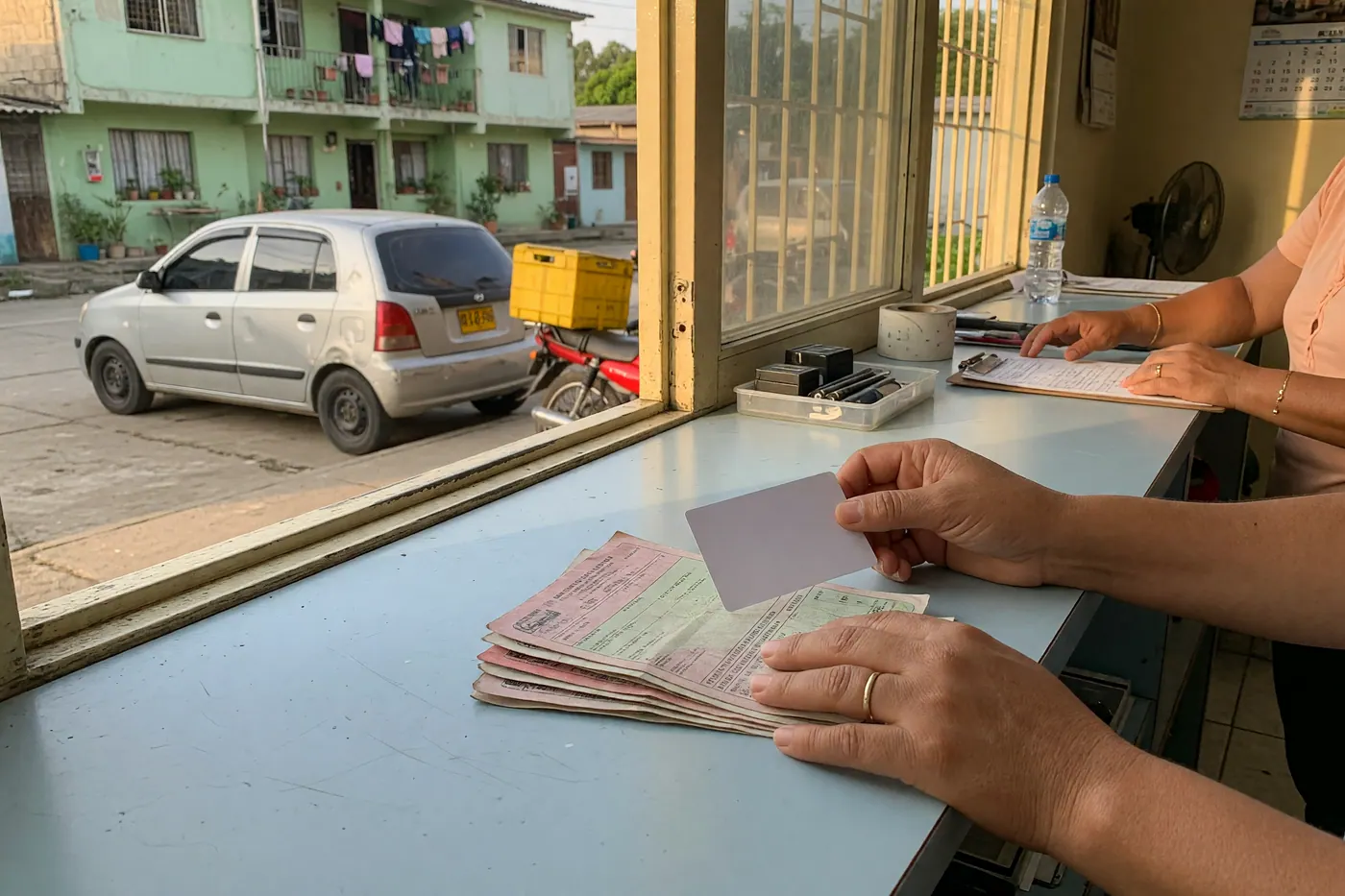
The procedure is carried out before the transit authority where the vehicle is registered, with the seller and buyer enrolled in the RUNT. Each authority defines its own channel and may request additional local forms. Before listing the ad, do this:
- Check your own vehicle on the public RUNT portal with the plate and ID document: you will see class, type of service, status, and liens. If you want more context, the RUNT query guide explains it.
- Fines clearance on the SIMIT. Generating the certificate costs nothing; the fines must be paid. Without a clearance certificate there are no transit procedures.
- Valid SOAT. It is mandatory to drive and the authority validates it.
- Valid technomechanical inspection if it applies to the vehicle. If it is in public service, the first one is due two years after registration and then every year. For private vehicles I do not state a deadline: announce the date shown in the RUNT and confirm it with your authority. To enter the CDA, the registration certificate is enough.
- No liens or seizures, unless the creditor lifts them or authorizes the sale.
- Contract with the civil or commercial formalities, plus stamps, QR code, or manufacturer certification. The Ministry, in its letter of September 3, 2025, reads it as a public deed or an authenticated private document; ask your authority what it requires.
- Power of attorney, if you do not sign yourself: you must expressly authorize the attorney-in-fact to sign the National Automotive Registry form on behalf of the transferor.
Costs (transfer rights, tax, withholding at source, SOAT, technomechanical inspection) have no single national rate: each authority calculates its own. Ask for the calculation in writing before agreeing on who pays what.
How to write an ad that attracts a serious buyer
There is no national resale price. Set the price based on your local market and the year, the RUNT class, the type of service, the mechanical condition, and whether or not there is a current link with an authorized company. Include in the ad:
- Plate, year, and class as they appear in the RUNT, and the type of service without embellishment.
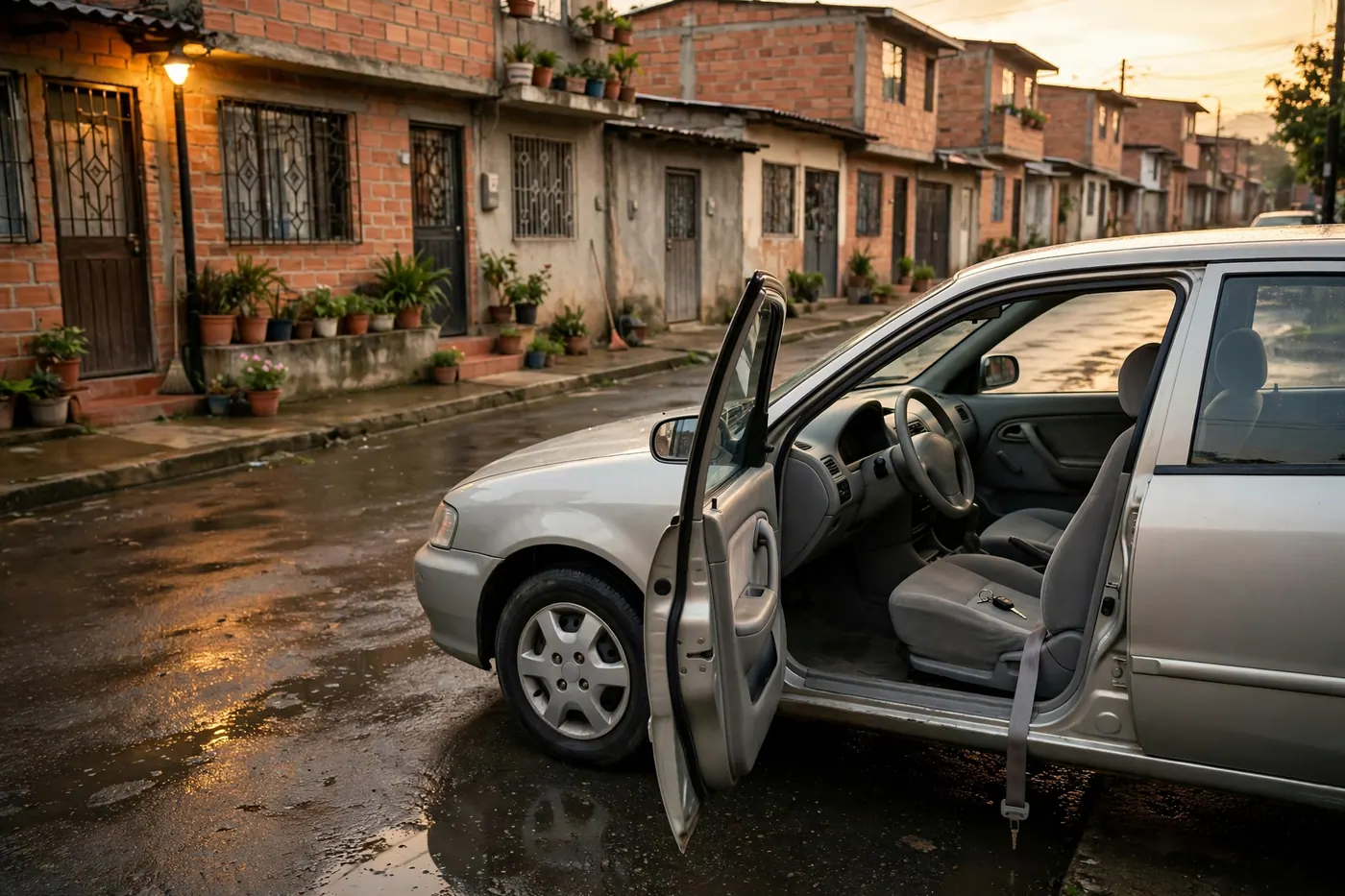
- Photos of the vehicle from all four sides, the engine, the tires, and the dashboard.
- Photo of the registration certificate with personal data covered.
- SOAT and technomechanical inspection dates, and the status of the operating card if one exists.
- Whether the price includes delivery or not; agree on the freight charge in writing.
A buyer who sees real papers and photos writes with a real desire to close; one who sees only a loose price asks "is it still available?" and disappears. If your motocarro is linked to a company, clarify that assigning that link is a separate contract, which the company must accept.
Safe closing
The most common risks: advance payment via WhatsApp, a power of attorney without express authority, a buyer who takes the motocarro before the transfer is filed, and pages that imitate the RUNT or SIMIT. Only check the official domains, make the handover at the transit authority or after the procedure has been filed, and do not release the vehicle against an advance payment. And do not pay third parties to "speed things up": the Ministry's letters refer reports of irregular charges to the line 018000 110950.
Frequently asked questions
❓ Is selling a motocarro the same as selling a mototaxi permit?
No. The RUNT transfers ownership of the vehicle; the operating card and the company link exist only if there is an authorized company and an authority that issues them. According to the Ministry of Transport, there is no current regulation for mototaxi service, so there is no permit to transfer (verify with the official source).
❓ What public service can a motocarro have an operating card for?
Rural mixed transport, in municipalities with fewer than 50,000 inhabitants, with a vehicle painted white and an authorized company. The card lasts two years and is processed by the company, which may not charge the owner for this procedure (verify with the official source).
❓ What documents are required for the transfer?
Authenticated contract or deed, form, RUNT of both parties, valid SOAT, technomechanical inspection if applicable, the owner's fines clearance, and the settlement from the registration authority. They also ask for stamps or QR, and each authority may require additional local forms (verify with the official source).
❓ How much does the transfer cost, or what is the price of a used motocarro?
There is no national rate or price. The transit authority calculates the rights, tax, and withholding; the resale price depends on the year, the type of service, the condition, and whether a valid legal link exists. Ask for the calculation in writing (verify with the official source).
❓ How often is the technomechanical inspection done?
If it is registered as a public service, the first inspection is due two years after registration and then every year. For a private motocarro no deadline is stated: the date shown as current in the RUNT counts, which should be confirmed with your transit authority (verify with the official source).
❓ How do I sell safely and avoid scams?
Check the plate and owner on the official RUNT portal and the fines clearance at fcm.org.co/simit, and do not hand over the motocarro before the transfer is filed. Do not accept advances by chat or pay third parties to speed things up (verify with the official source).
❓ Where do I post my motocarro ad?
In the vehicles section of Colombia Move, with the type of service, photos of the vehicle and of the registration certificate with data covered, and the status of the papers in view. You can also use other platforms, but a clear ad filters out the curious.



Comments
Loading comments...
Checking sign-in status...