
What Is Cuota de Administración in Colombia? A Guide for Renters and Buyers
Most Colombia apartment listings don't show it upfront — but cuota de administración is real money. Here's what it is, who pays it, and what to ask before you sign.
IDIOMA DEL ARTÍCULO
Showing original language
The apartment ad said COP 2,400,000 per month. Two bedrooms in Chapinero Alto, three blocks from a TransMilenio station. I was ready to sign. Then the landlord sent the full monthly breakdown: rent COP 2,400,000, plus cuota de administración COP 380,000. My actual monthly cost had just jumped 16%.
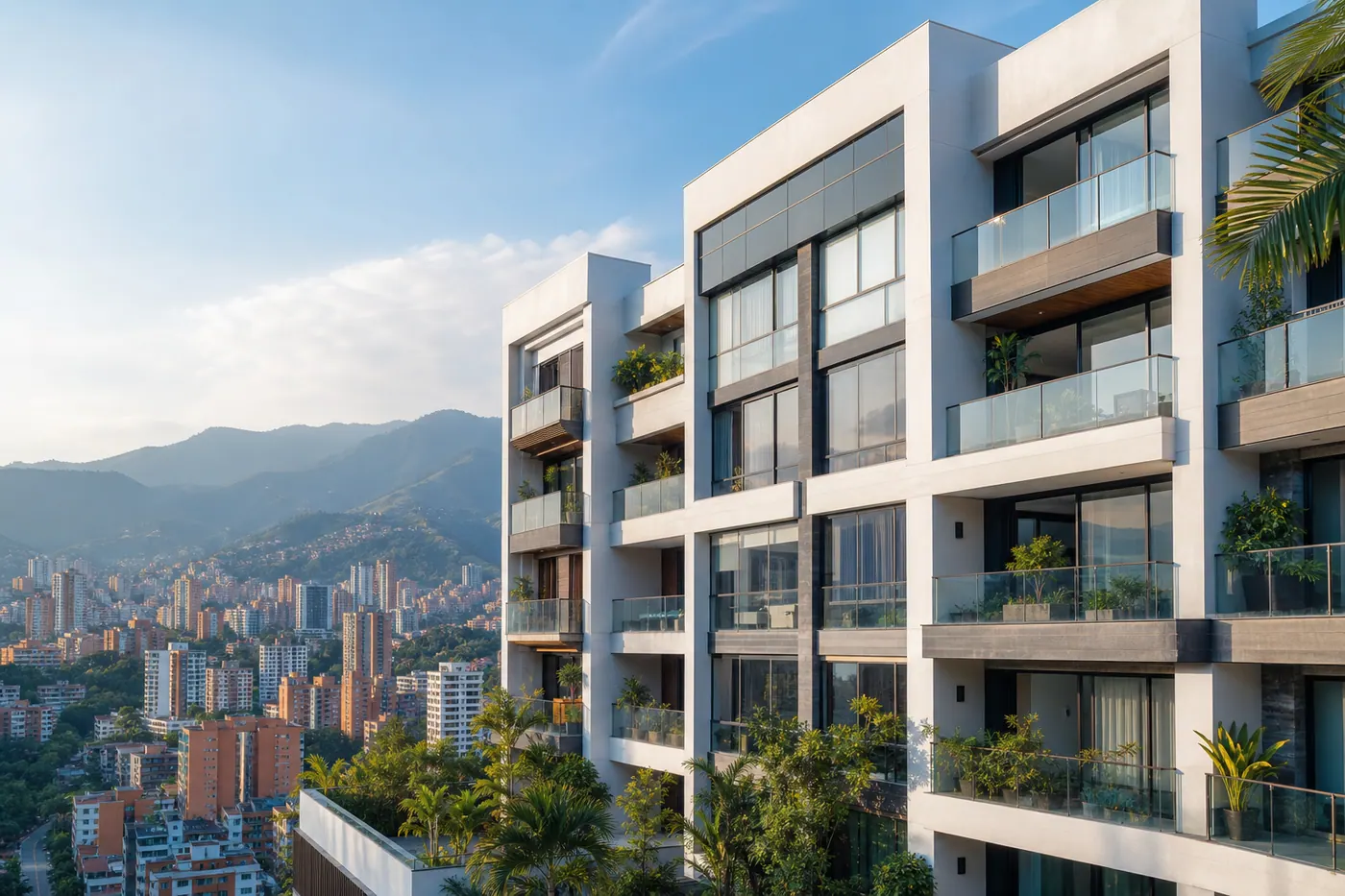
That's the cuota de administración — Colombia's building-level HOA fee, and one of the most consistently overlooked costs in apartment hunting here. It's not optional, it's not one-time, and it's rarely listed front and center in rental or sale ads. Yet it's a real recurring expense that can range from COP 80,000 in a plain five-story walkup to over COP 900,000 in a full-amenity luxury tower. If you want to see real-world options right now, you can browse apartments and houses on Colombia Move — posting is completely free.
Whether you're renting your first apartment in Medellín or buying a property in Bogotá, understanding what this fee is, who pays it, and how much to budget can save you a lot of friction — and a surprise line item on your first month's bill.
Quick Answer: Cuota de Administración
- A monthly HOA-style fee paid to maintain common areas in apartment buildings and residential complexes
- Tenants typically pay it on top of rent — it's NOT included unless the listing says todo incluido
- Buyers pay it permanently as owners from the day they take possession
- Ranges from ~COP 80,000 in a plain walkup to COP 900,000+ in a luxury tower
- Always confirm the current amount in writing before signing a lease or purchase agreement
What Exactly Is Cuota de Administración?
Think of it as a homeowners' association fee, but for apartment buildings and residential complexes. Every Colombian building or conjunto residencial (gated residential complex) that has shared spaces — a lobby, an elevator, parking, a security guard — has a copropiedad. The copropiedad is the legal entity that owns and maintains those common areas, and every apartment unit contributes to its upkeep through a monthly fee.
That monthly contribution is the cuota de administración. It's managed by an administrador — either a professional property management company or, in smaller buildings, a designated resident — who handles the building's budget, maintenance contracts, and common area services. Once a year, the owners hold an assembly, review the budget, and vote on the coming year's fees. The monthly amount can go up or down depending on building needs, reserve fund status, and inflation adjustments.
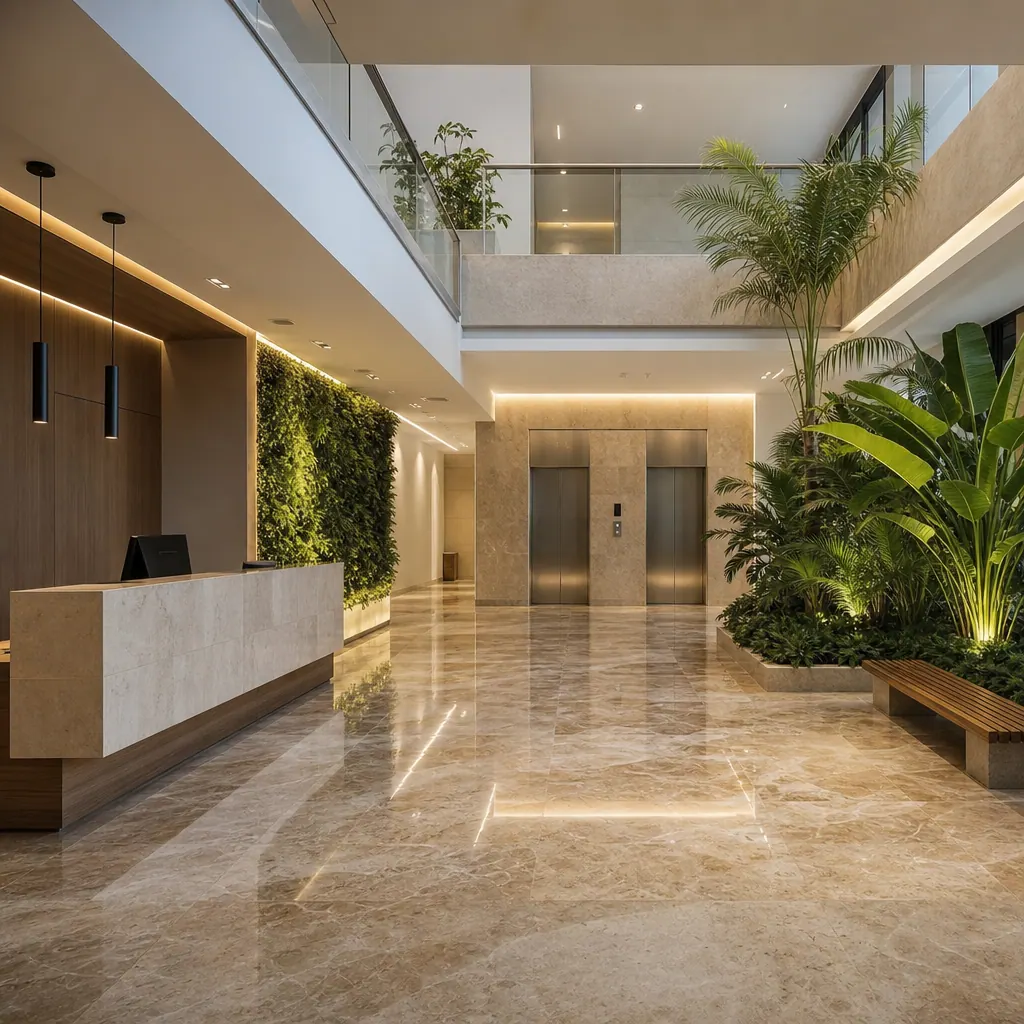
The administrador makes a real difference in how that fee actually feels. A well-run building with good management — clean common areas, responsive maintenance, a visible security team, clear monthly summaries — makes a high fee feel earned. A disorganized building where fees disappear into unclear expenses and deferred maintenance is a different story. When you're visiting a potential apartment, it's worth spending five minutes checking how the lobby and common areas actually look. That's your preview.
Who Pays It — Tenant, Owner, or Both?
This is where most confusion happens, so let me be direct about how it works in practice.
If you're renting: Colombian rental law (Ley 820 de 2003) doesn't specify who pays the cuota de administración — that's left to the lease contract. In practice, it's almost always the tenant. When a listing says 'COP 1,800,000/mes + administración,' you're expected to pay rent plus the admin fee separately. When a listing says 'todo incluido,' you need to confirm whether that includes the administration fee or just utilities — those are different things, and landlords use the term loosely.
Some landlords absorb the administration cost and price it into the rent as a single figure. That's fine — just confirm the total. The problem is when neither party clarifies it upfront, and the tenant discovers the extra charge on month two. Get the current monthly administration fee amount in writing before you sign, and have it listed in the lease as the tenant's responsibility (or the landlord's, if they're absorbing it).
If you're buying: the cuota de administración becomes yours from the day you take possession. You pay it every month, indefinitely, whether the unit is occupied or empty. If you later rent out the unit, you'll typically pass the obligation to your tenant through the lease. Non-payment isn't just a financial issue — buildings have the right to restrict access to common areas for units in arrears, and serious non-payment can lead to legal action from the copropiedad. It can also complicate future resale.
How Much Does It Actually Cost?
The range is wide, and it doesn't always track neatly with rent price. A mid-range apartment in Laureles might cost you less in administration fees than a similarly-priced unit in El Poblado, simply because building amenities differ. Here's a realistic breakdown:
| Building Type | Monthly Admin Fee (COP) | Typical Amenities |
|---|---|---|
| Simple walkup, no shared spaces | 80,000–150,000 | Basic hallway upkeep only |
| Basic building with lobby + guard | 150,000–280,000 | Security, lobby cleaning, intercom |
| Mid-range complex with gym + parking | 280,000–500,000 | 24h security, gym, covered parking, social room |
| Full-amenity tower (pool, sauna) | 500,000–900,000 | Pool, sauna, multiple guards, rooftop, BBQ area |
| Luxury / high-rise (El Poblado, Rosales) | 900,000–1,500,000+ | Concierge, valet, full spa, business center |
In Medellín, higher fees concentrate in El Poblado and parts of Envigado, where tower developments with amenity packages proliferated over the last decade. Laureles and Belén tend to run lower — older building stock, fewer shared amenities. In Bogotá, Chapinero, Usaquén, and Teusaquillo mid-range units typically fall in the COP 200,000–450,000 range. High-end Bogotá zones — Nogal, Santa Bárbara, Chicó — can easily push past COP 800,000.
Smaller cities generally run cheaper. In Pereira, Bucaramanga, or Manizales, you'll commonly find fees in the COP 80,000–250,000 range for comparable building types. Lower land values and simpler amenity sets drive the difference.
One thing worth internalizing: a high administration fee isn't inherently bad if it reflects real value. Maintained elevators, reliable 24h security, a working pool, and a well-funded building reserve are all things you'll notice and appreciate. A building with a suspiciously low fee and deferred maintenance may be cheaper today but more expensive in the long run — through special assessments when major systems finally fail.
What Does the Fee Actually Cover?
Here's a clear breakdown of what's typically inside and outside the administration fee:
What the Administration Fee Typically Covers
✅ Usually included
- Security guard / porter (portería)
- Lobby and hallway cleaning
- Elevator maintenance
- Pool upkeep (if building has one)
- Gym equipment (if applicable)
- Common area electricity and water
- Building structural insurance
- Administrador salary / management fee
❌ Not included
- Your unit's electricity, gas, water
- Your internet connection
- Maintenance inside your apartment
- Freight elevator / moving day fees
- Special assessments (cuotas extraordinarias)
The last item on the 'not included' list — cuotas extraordinarias, or special assessments — deserves more attention. If the building's roof needs emergency repair, an elevator breaks down entirely, or major waterproofing work is required, the copropiedad may pass a special one-time assessment to all owners. As a renter, whether you're liable for this depends entirely on your lease. As a buyer, you're always on the hook. When buying a unit, ask to review the last two or three years of assembly minutes (actas de asamblea) — these will show whether any special assessments are pending or were recently passed.
Keep Reading
Before you sign, check the full list of contract clauses that can cost you later: Colombia Rental Contract Red Flags: What to Watch For
The Questions to Ask Before You Sign
These apply whether you're renting or buying. Ask them before you get to the contract stage:
- What is the current monthly cuota de administración? Get the exact number, not an estimate.
- Is it included in the listed price, or is it separate? Don't assume either way.
- Has it increased in the last two or three years, and by how much? A pattern of 20–25% annual jumps is a yellow flag.
- Does the building have a reserve fund (fondo de reserva)? A building with no reserve is more likely to hit you with a special assessment when something breaks.
- Are there any pending special assessments (cuotas extraordinarias)? Essential for buyers — ask for the last assembly minutes.
- What amenities does the fee give you access to? Pool? Gym? Rooftop? Social room? Confirm what's actually operational versus what exists on paper.
- What's the late payment penalty? Some buildings charge 1–2% monthly interest on arrears; others have fixed penalties. Know what you're agreeing to.
For buyers specifically: the assembly minutes and the copropiedad's most recent financial statement are the best documents you can review before closing. These tell you more about the building's financial health than any listing description. A seller's agent should be able to provide both on request.
How Colombia Move Shows Administration Fee Information
One issue with the broader Colombian housing market is that administration fees are often mentioned verbally or buried in the fine print — which makes budget comparisons frustrating when you're looking across dozens of listings. When sellers use Colombia Move's listing format, they're prompted to include the monthly cuota de administración as a visible field on the listing itself, alongside rent or sale price. It's a small thing, but it removes one of the most common 'I didn't know until after I signed' moments.
If you're currently comparing apartments, Colombia Move's apartment listings let you browse with rent and admin fee both visible where sellers have included them — which helps you compare true monthly cost rather than just the headline rent figure.
🏢 Browse Apartments With Full Cost Transparency
Colombia Move listings show the administration fee alongside the rent — so you know your actual monthly cost before you call anyone. Free to post, free to browse.
Browse Apartments →Common Mistakes Expats Make
Not building the admin fee into the initial budget is the most common one. If you're searching for apartments at COP 2,000,000 per month, you should be looking for places where rent plus administration stays under that number — not just the rent figure. In practice this means targeting listings at COP 1,600,000–1,700,000/month if you're in a building where the admin fee runs COP 300,000–400,000.
The second mistake: assuming the fee is stable. It can change every year, and in buildings with deferred maintenance or rising security costs, it often does. The building's assembly history tells you more than the current fee alone. Ask what it was two or three years ago. A building that has jumped 25% annually isn't likely to stop.
The third, and honestly the most preventable: not getting it in writing in the lease. Lease contracts that are silent on the cuota de administración create ambiguity. What tends to happen is the landlord eventually asks you to pay it, you weren't budgeting for it, and you either negotiate a messy retroactive settlement or there's a dispute at move-out. If the lease doesn't address it, add a clause. It's a one-line clarification that saves a lot of friction.
For expats receiving income abroad and paying rent in COP, currency volatility adds another layer to budget planning. A reliable international transfer service like Remitly is worth comparing for predictable monthly payments — fees and exchange rates can vary significantly between providers.
Keep Reading
Wondering what "furnished" actually means in Colombia? We break down what's included and what's not: Furnished vs Unfurnished Rentals in Colombia
FAQ
❓ Is cuota de administración the same as utilities in Colombia?
No. The administration fee covers building common areas — security, cleaning, elevator maintenance, shared amenities. Utilities like electricity, water, gas, and internet are billed separately to your unit. Some listings say 'todo incluido' and bundle both, but confirm this explicitly — landlords use the phrase inconsistently.
❓ What happens if I don't pay the cuota de administración?
Buildings can restrict your access to common areas — pool, gym, parking, rooftop, social rooms — while you're in arrears. Prolonged non-payment gives the copropiedad the right to pursue legal collection. For owners, unpaid administration fees can become a lien on the property and complicate any future sale.
❓ Can the cuota de administración change after I sign a lease?
Yes. The fee is set annually by the owners' assembly and can increase each year. Your lease might document the current amount, but it can't freeze future increases — those are controlled by the building's assembly, not your contract. If increases have been steep in recent years, that pattern is likely to continue.
❓ Are there apartments in Colombia with no administration fee?
Yes — usually standalone houses, converted house-apartments, or very small buildings where owners informally handle maintenance without a formal copropiedad structure. For buyers, buildings without a copropiedad mean no collective maintenance fund, which can be either a feature or a problem depending on how disciplined the owner group is. It's not inherently bad, but understand what you're agreeing to.
❓ Who decides how much the cuota de administración is each year?
The building's owners' assembly, which meets at least annually. The administrador presents a proposed budget for the coming year, owners discuss and vote, and the approved total is divided among units by coeficiente — a proportional factor based on your unit's size relative to the whole building. Larger apartments pay more than smaller ones in the same building.


Comments
Loading comments...
Checking sign-in status...