
Colombia Tourist Entry Rules: How Long Can You Stay?
Most nationalities arrive in Colombia with 90 days stamped into their passport. What nobody mentions upfront is the 180-day annual cap — and what overstaying actually costs you at the airport.

IDIOMA DEL ARTÍCULO
Showing original language
Most people google 'Colombia tourist visa' and walk away thinking they're set for 90 days. They're right — but they're missing the part that catches hundreds of expats off-guard every year.
The 180-day per calendar year cap is what trips up digital nomads who treat Colombia like Thailand, doing border runs every three months expecting the clock to reset. It doesn't. Colombia counts every day you spend in the country across the full calendar year, January 1 through December 31. Leave and come back, and those days still count.
Here's exactly what you need to know before you land — from what the officer actually stamps into your passport to what happens if you overstay.
What to Know First
- Most nationalities (US, UK, EU, Canada, Australia, etc.) enter Colombia visa-free for up to 90 days
- Colombia caps tourists at 180 days total per calendar year — border runs don't reset the clock
- You can extend for an additional 90 days online via the Permiso Temporal de Permanencia (PTP) through Migración Colombia — the 2026 fee is COP $150,000 (Resolución 0599/2026); EU/Schengen and Ecuador nationals are exempt. Total stay cannot exceed 180 days per calendar year
- Overstaying means a per-day fine paid at the airport before you can board your outbound flight
- Remote workers technically require the digital nomad visa — the tourist stamp doesn't cover work
Source: Migración Colombia (migracioncolombia.gov.co) and Cancillería de Colombia (cancilleria.gov.co), last verified June 2026.
Which Countries Get Visa-Free Entry
Colombia's visa-free list covers most of the Western world plus the majority of Latin America. US, Canadian, UK, Australian, and New Zealand citizens all enter without a visa. EU and Schengen zone passport holders get the same treatment, as do Japanese, South Korean, and Israeli citizens.
Latin America is broadly covered: Argentina, Brazil, Chile, Mexico, Peru, Ecuador, Panama, Costa Rica, and most others enter freely. Citizens of Singapore, Qatar, and the UAE are also on the list — Colombia is more open than most people expect.
Countries that typically require a visa in advance: China, India, and most of sub-Saharan Africa and Central Asia. If you're unsure about your passport, check the Colombian Cancillería's official exemption list before you book. Getting denied at the departure gate is a genuinely terrible way to learn this.
The 90-Day Stamp — and the 180-Day Annual Cap
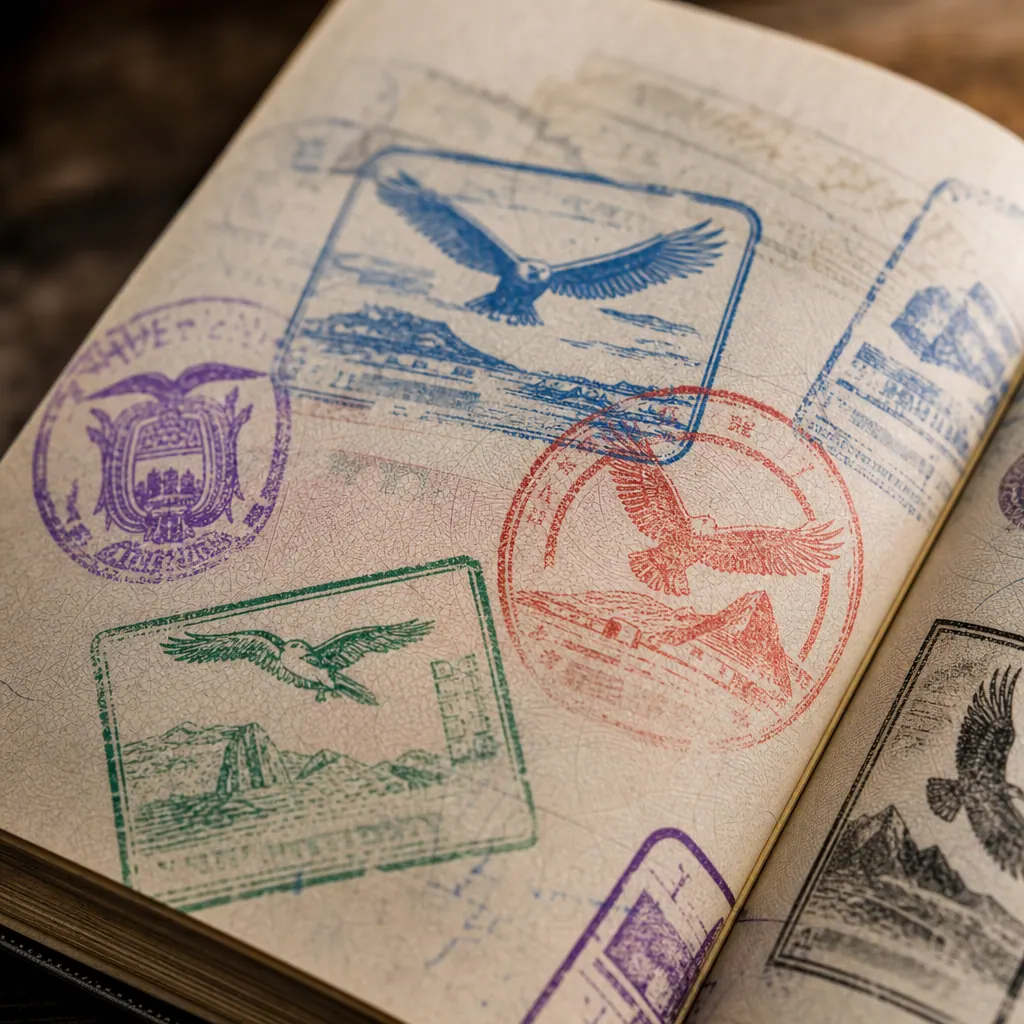
When you clear immigration, the officer stamps your passport with your entry date and authorized stay — almost always 90 days. If you're nervous about getting fewer days, you can ask politely: 'Podría darme los 90 días completos, por favor?' Most officers grant it without hesitation, though technically they can give you less if they have a reason.
What the stamp doesn't say: Colombia limits tourists to 180 days total in the country per calendar year — January 1 is the reset date. This rule is set by Migración Colombia and remains in force as of June 2026.
Here's what that looks like in practice: you enter on January 5, stay 90 days, and leave on April 4. You come back on June 1. You now have 90 days left in your annual allocation — not 90 days from June 1, but 90 more days before December 31. If you used 100 days in the first stay, you've only got 80 left.
For the perpetual-travel crowd, this matters a lot. Colombia is not a country where border runs reset the clock. If you're preparing for first-time visitors to Medellín or any other Colombian city, these calendar-year rules apply from your very first stamp.
What to Expect Arriving at a Colombian Airport
The major international airports — Bogotá's El Dorado (BOG), Medellín's José María Córdova (MDE), Cali's Alfonso Bonilla (CLO), and Cartagena's Rafael Núñez (CTG) — all process tourists the same way.
At the immigration desk, hand over your passport and the arrival card (distributed on the plane or available at the terminal). The officer will typically ask where you're staying, how long you're visiting, and what you're doing here. 'Tourism' covers a lot of ground.
Things they may ask for, though rarely: an onward ticket (technically required, occasionally checked), proof of accommodation (a hotel or Airbnb booking works), and theoretically proof of sufficient funds — the informal guideline is around $30 USD/day, though I've never seen this formally verified at the airport.
One requirement that catches people off guard: if you're arriving from certain Amazon-region or tropical countries — Peru, Brazil, Bolivia, parts of Africa — Colombia requires proof of yellow fever vaccination. This applies based on where you've been recently, not just where you're going within Colombia.
For health coverage during your stay, most long-term visitors carry a nomad-specific insurance policy rather than relying on their home-country plan, which often won't cover you in Colombia. Options like SafetyWing cover medical care in Colombia and include the repatriation clause that's required if you later upgrade to a longer-term visa.

Overstaying: Fines and What Actually Happens
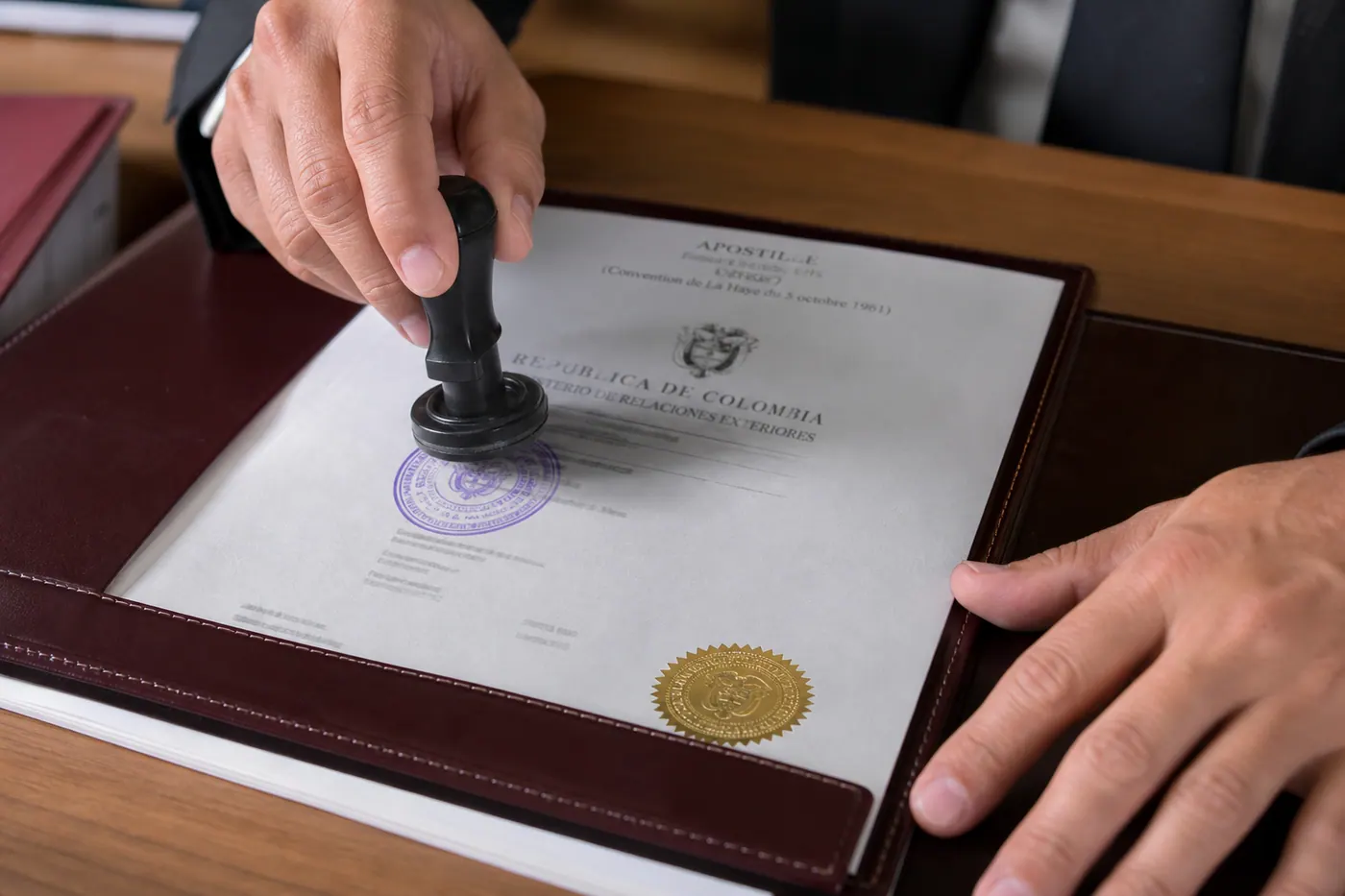
Overstay fines are calculated using Colombia's 2026 annual rates: the UVT (Unidad de Valor Tributario) of COP 52,374 and the minimum monthly wage (SMMLV) of COP 1,750,905. According to Colombian immigration law specialists (Nexo Legal, Expatgroup.co — last verified June 2026), fines for overstaying typically start around COP 350,000 for shorter overstays and increase with the duration. You must obtain a salvoconducto (exit permit) from Migración Colombia and pay any outstanding fines before you can board your outbound flight.
It's not a criminal offense. Nobody is going to jail. But it goes on your immigration record, and repeated overstays can complicate things later — particularly if you're ever applying for a long-term visa. Migración Colombia looks at your compliance history.
The simplest defense is knowing exactly when your authorized stay expires — it's stamped in your passport — and booking your exit flight a few days before that date. If you've genuinely lost track of when you entered (it happens, especially after overland crossings), contact Migración Colombia before you show up at the airport, not at the departure gate.
Keep Reading: Spending close to 180 days in Colombia? Colombia Tax Residency: The 183-Day Rule for Expats explains when a long stay can trigger Colombian income-tax obligations.
When the Tourist Stamp Isn't Enough
The 90-day tourist entry works well for visits, trial runs, and even extended sabbaticals — as long as you stay within the 180-day annual limit. But a few situations push you firmly into visa territory:
- Remote workers: Colombia's digital nomad visa (Visa V – Nómadas Digitales) is the correct legal framework for working online in Colombia for extended periods. Working for a Colombian employer or client on a tourist permit is not permitted; working remotely for a foreign employer is a legal gray area. For full legal standing and stays up to 2 years, the nomad visa is the right solution.
- Retirees and pensioners: The Pensionado visa (Visa M) lets you live in Colombia long-term, drawing your foreign pension, and start accumulating time toward permanent residency.
- Partners of Colombians: A registered relationship or marriage with a Colombian citizen opens the door to a civil union or marriage visa.
- Investors and entrepreneurs: If you're starting a business with a meaningful Colombian capital investment, investor visa categories exist.
One important clarification: tourist days don't count toward the five-year track to permanent residency. If long-term residency is your goal, you need to be on a qualifying Visa M category, not cycling through tourist stamps.
If you're planning to stay longer than the 180-day annual limit, the Colombia Digital Nomad Visa guide walks through the Visa V application process, income requirements, and how to stay legally without border runs.
Keep Reading: Planning to work remotely in Colombia? Colombia Digital Nomad Visa: How to Apply and What to Expect covers the income requirements, document list, and step-by-step application process.
Keep Reading: Making the most of your 90 or 180 days in Colombia? BaseLang Review: Learn Spanish in Colombia breaks down the fastest way expats pick up Spanish during a long stay.
Border Crossing Options
If your calendar year allocation runs out and you genuinely need to leave and return:
- Ecuador (Ipiales–Tulcán): The main overland crossing. Regular buses connect both cities; the crossing is a short bridge over the Río Carchi. Usually straightforward, though wait times vary a lot by day and time. Weekends before holidays can be slow.
- Amazon (Leticia–Tabatinga–Santa Rosa): You can exit to Brazil or Peru via the Amazon. It's more of an adventure route than a practical exit unless you're actually headed that direction.
- Panama: There is no land crossing. The Darién Gap is impassable as a standard tourist route — fly or take a sailing boat.
- Venezuela (Cúcuta–San Antonio): The border has reopened in varying degrees. Current conditions fluctuate significantly. Not worth considering as a tourism-only border run given the unpredictability.
Remember: crossing the border doesn't reset your 180-day annual count. You're just using up more of your remaining days. If you've already spent 175 days in Colombia this calendar year, leaving and coming back still gives you only 5 more.
Keep Reading: Ready to stay permanently? Colombia Resident Visa: Paths, Timelines and Common Mistakes breaks down the five-year track to permanent residency and which visa categories count toward it.
Frequently Asked Questions
❓ Can I work remotely on a Colombian tourist visa?
No, a tourist permit (PIP) does not authorize any work, including remote work. To work legally as a remote employee or freelancer, apply for Colombia's Digital Nomad Visa (Visa V Nómadas Digitales), valid for up to two years.
❓ Can I extend my tourist stay without leaving Colombia?
Yes, you can extend your stay online via the Migración Colombia portal by applying for a Permiso Temporal de Permanencia (PTP). Under Resolution 0599 of February 2026, the fee is $150,000 COP for most nationalities, while Schengen Area and Ecuadorian citizens are exempt.
❓ What happens if I enter Colombia multiple times in one year?
You can enter Colombia multiple times, but your total stay cannot exceed 180 days per calendar year (January 1 to December 31). Each entry stamp is granted for up to 90 days, or for whatever remains of your 180-day annual cap.
❓ Do I need to show an onward ticket at the airport?
Yes, you must show an onward or return ticket departing Colombia within your authorized 90-day stay. Airlines and border agents strictly enforce this requirement before boarding or entry.
❓ Does Colombia have a tourist visa I can apply for in advance?
Yes, citizens of countries that are not visa-exempt must apply for a Visitor Visa (Visa V Turismo) in advance via the Cancillería. Visa-exempt passport holders — such as US, UK, and EU citizens — receive a free entry stamp on arrival.
🇨🇴 Have a Visa Question?
Other expats and returning Colombians often have the most current, on-the-ground answers about immigration. Ask the community.
Ask the Community →




Comments
Loading comments...
Checking sign-in status...