
Pet-Friendly Rentals in Colombia: Building Rules, Deposits, and What to Confirm
Don't sign a lease until you verify the building's pet rules. Learn how to handle deposit requests, common area laws, and landlord requirements in Colombia.
IDIOMA DEL ARTÍCULO
Showing original language
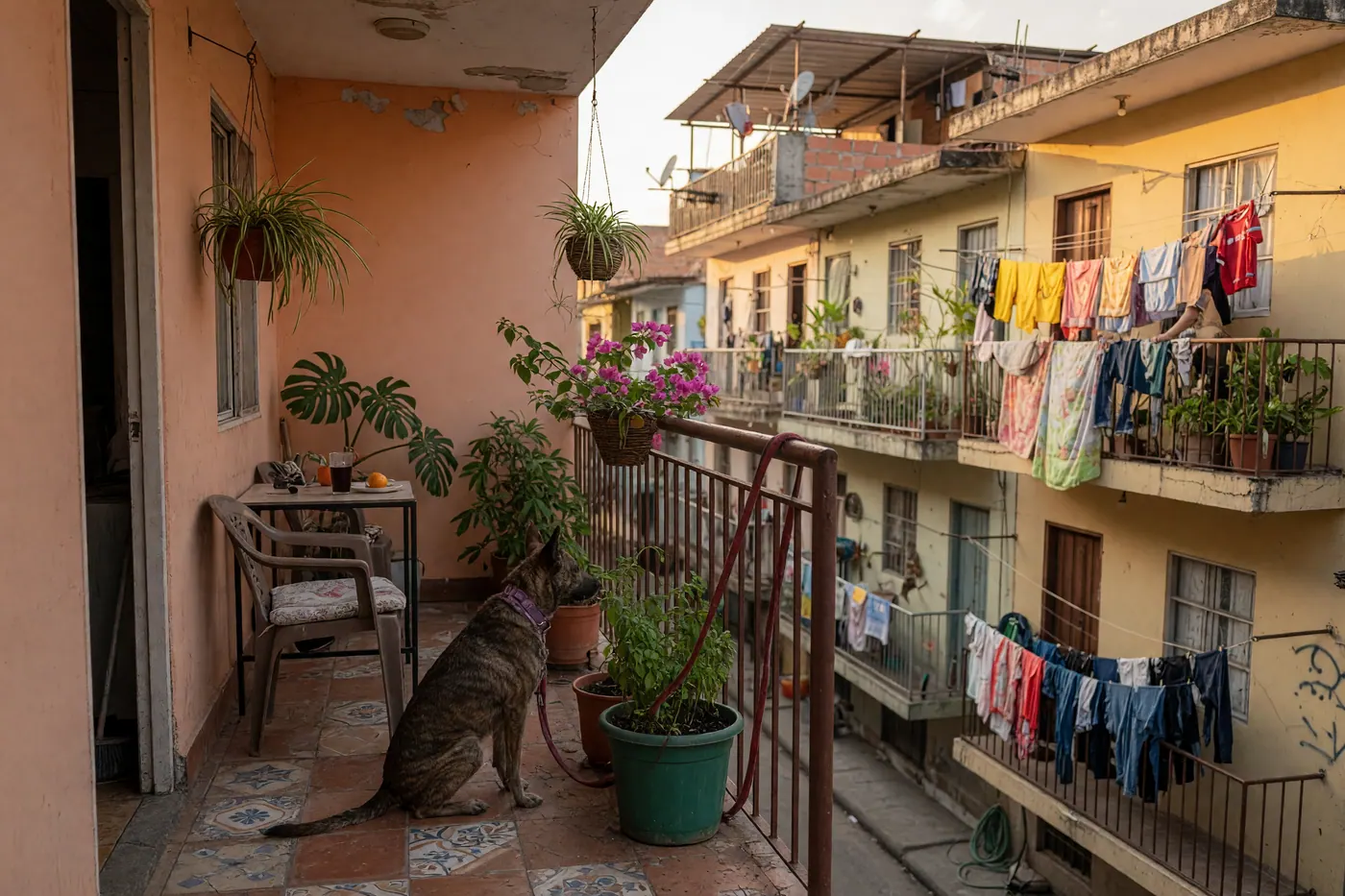
You’ve just found a beautiful, light-filled apartment in a popular Colombian neighborhood. You ask the landlord if your golden retriever is allowed, and they quickly say, “Sí, claro.” You sign the lease, pay your first month’s rent, and show up on moving day—only for the building’s security guard to block the elevator because you didn’t submit your dog’s vaccination records to the administración.
I’ve seen this exact scenario play out too many times. Renting with a pet in Colombia isn’t just about finding a landlord who likes animals; it’s about understanding a specific set of building bylaws and national regulations. Honestly, the biggest frustration isn’t even finding a place—it’s the miscommunication between what the owner verbally agrees to and what the building actually allows.
If you are planning to bring your dog or cat to Colombia, you need to know how the housing market works for pet owners before you start handing over cash.
- Approval: Landlord permission is only step one. You must also confirm the building’s reglamento de propiedad horizontal (building rules).
- Deposits: Under Ley 820 de 2003, landlords cannot legally demand cash deposits (cauciones) to guarantee lease obligations. Clarify any “pet deposit” requests carefully.
- Common Areas: Ley 1801 de 2016 protects your pet’s right to move through common areas, provided they are leashed (and muzzled, if classified as a special-handling breed).
The Three-Layer Approval Rule
In Colombia, “pet-friendly” requires clearing three hurdles: the landlord, the written lease, and the building administration.
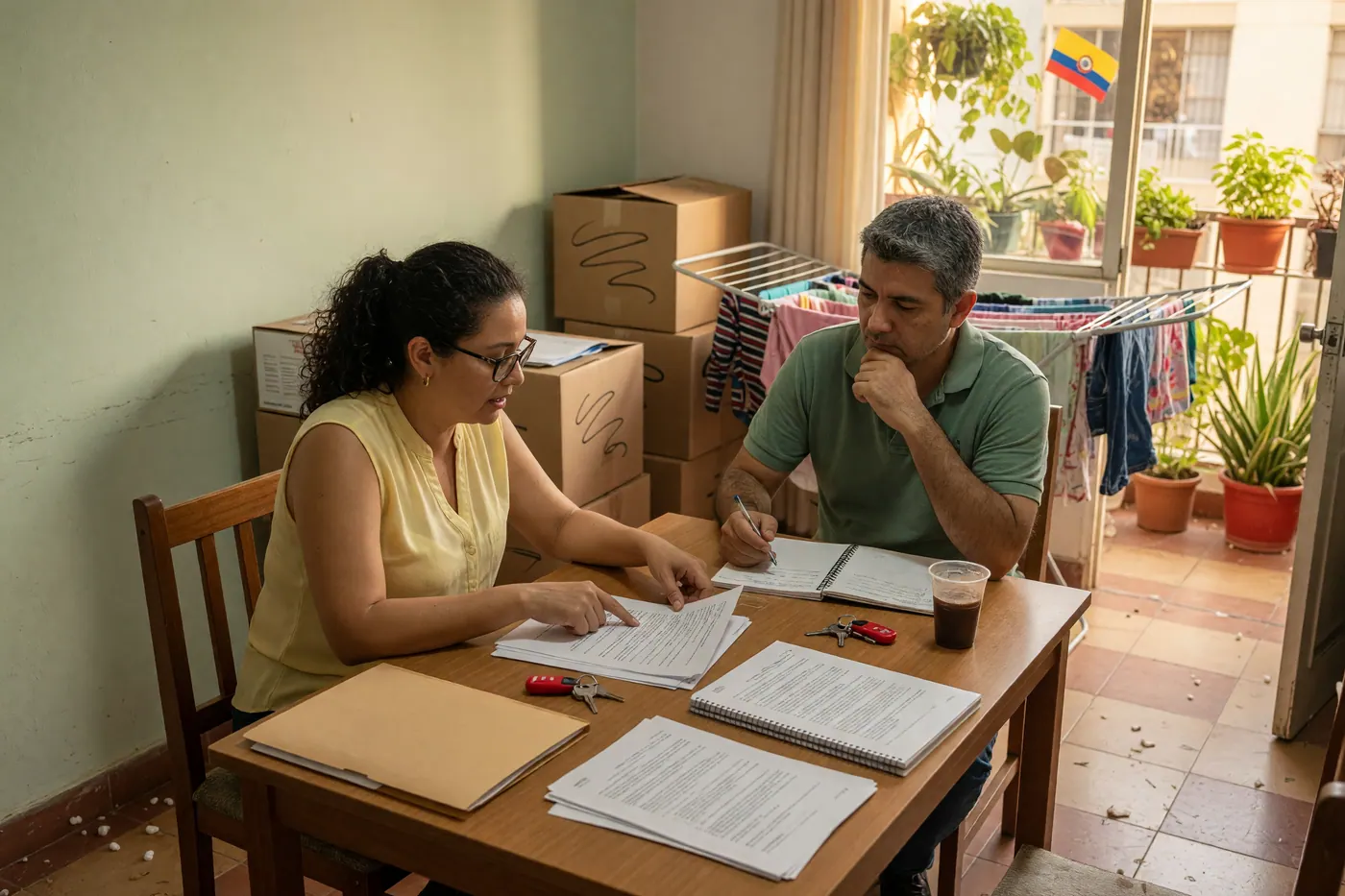
Under Colombia’s urban housing lease law (Ley 820 de 2003), if you are renting an apartment in a complex with horizontal property rules (which covers almost all modern apartment buildings), the landlord is legally required to provide you with a copy of the normative part of those building rules.
Even if you are just browsing housing options online, assume that a landlord’s verbal “yes” does not override a building’s strict limit on pet size, breed, or quantity. The building administration has the final say on who gets past the lobby. Always ask to see the building rules before you transfer any money.
What to Ask on WhatsApp Before You Visit
Don’t waste time touring apartments that won’t accept your pet. When you find a listing, send a clear message to the owner or agent to confirm the details. It is a crucial part of the questions you should ask before paying for a housing unit.
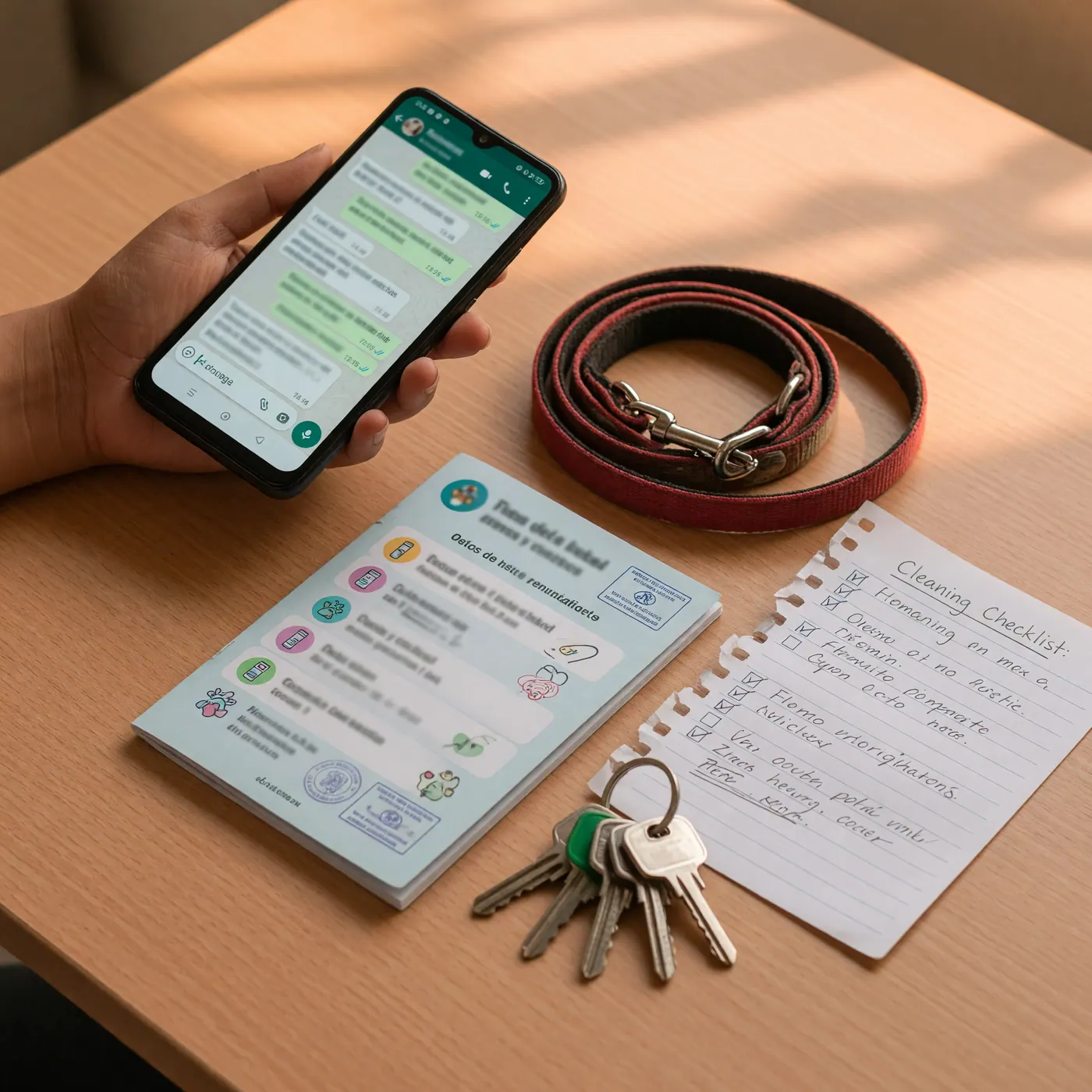
- Breed and size: Does the building’s reglamento allow dogs of this breed and weight?
- Elevator access: Are pets allowed to use the elevator, or must they use the stairs?
- Move-in documents: What does the building’s administración require before move-in day?
Common Area Rules and “Special Handling” Dogs
Colombia’s national police and coexistence code (Ley 1801 de 2016) states that domestic animals cannot be blanket-banned from moving through common areas of residential complexes. However, this comes with strict conditions: dogs must be on a leash, and owners must immediately clean up any excrement.
If you own a breed classified as de manejo especial (formerly called potentially dangerous breeds, such as Pitbulls or Rottweilers), the rules are tighter. They must wear a muzzle in common areas. While Sentencia C-059 de 2018 protects your due process—meaning a building cannot arbitrarily invent new bans without following statutory procedures—you should confirm local insurance and registration requirements before signing a lease. It’s also wise to have your paperwork in order, which you can read more about in our expat guide to veterinary care in Colombia.
The Truth About Pet Deposits in Colombia
This is where many foreigners get tripped up. In North America or Europe, a standard “pet deposit” of a few hundred dollars is completely normal. In Colombia, Ley 820 de 2003 explicitly prohibits cash deposits or real security deposits (cauciones) to guarantee the tenant’s lease obligations.
If a landlord asks for a “pet deposit,” ask exactly what it is for and get it in writing. Often, landlords are just trying to protect themselves against scratched doors or ruined baseboards. Instead of an unlawful cash caution, offer to sign a highly detailed move-in inventory with photos, and agree in the lease that you will cover specific, itemized repairs if your pet causes damage.
Move-In and Move-Out Cleaning Expectations
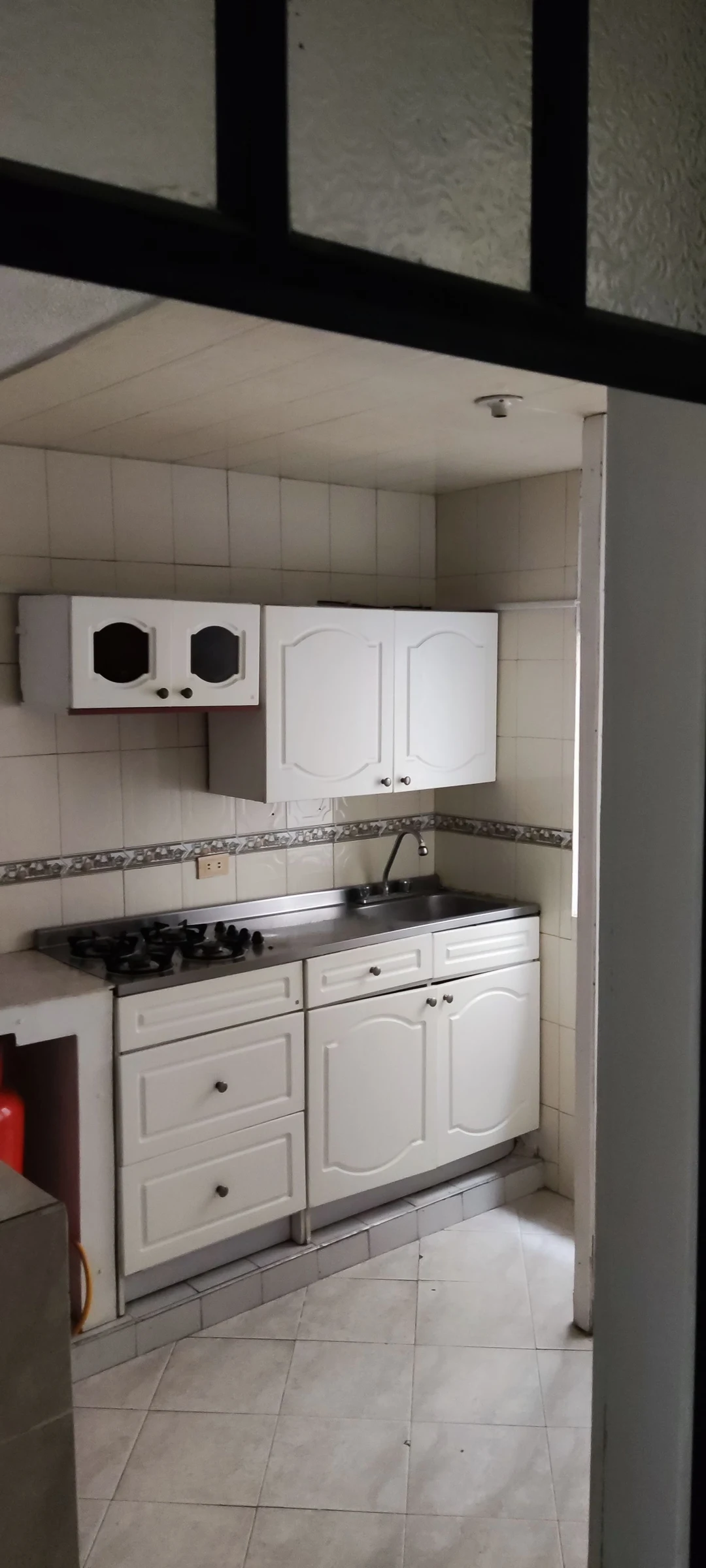
When you eventually move out, leaving the apartment smelling like a wet dog is a guaranteed way to end up in a dispute over your final utility bills or contract termination. You are responsible for returning the apartment in the exact condition you received it.
Here is the catch: according to active listings on Colombia Move (July 2026), there is currently a supply gap in local cleaning services—we are seeing 0 active listings in the limpieza category. This means finding a reliable move-out cleaner who specializes in deep-cleaning pet hair and odors can require booking well in advance. Don’t leave it to the last minute.
If you are moving with a pet, compare cleaning services before handover or after move-in so the apartment is documented clean. Check our Limpieza category to find local professionals who can help prep your space.
Frequently Asked Questions
❓ Can landlords in Colombia reject renters with pets?
Yes, many landlords can and do set their own conditions in practice. Even if a landlord agrees, you must still confirm the building administration’s rules separately to avoid issues on moving day.
❓ Can a Colombian apartment building ban pets from common areas?
There is no blanket common-area movement ban under Ley 1801 de 2016, but leash, muzzle, cleanup, and behavior rules still apply when moving through those spaces.
❓ Is a pet deposit allowed in Colombia?
Be careful: Ley 820 de 2003 prohibits cash deposits (“cauciones”) to guarantee urban housing lease obligations. Always ask what any requested charge is for and get it in writing before paying anything.
❓ What should I ask on WhatsApp before visiting a pet-friendly listing?
Always ask for landlord approval, building administration approval, pet size or breed restrictions, elevator rules, noise policies, and what documents are required before your move-in date.
❓ What if my dog is classified as de manejo especial?
You must confirm registration or permit requirements, leash and muzzle rules, any insurance mandates, and building approval before booking a visit or signing a lease.
❓ Who pays for pet damage or cleaning at move-out?
The lease and written inventory should make this explicit. Document the initial condition with photos and agree on itemized repair or cleaning costs in writing instead of vague deductions.
❓ Should I bring vaccination records to apartment visits?
It is prudent to have them ready even if not always required immediately. Buildings or landlords will often ask for proof of vaccination before authorizing your move-in.
Comments
Loading comments...
Checking sign-in status...