
How to Verify a Colombian Seller Before You Send a Deposit
Buying used electronics or furniture in Colombia can be a minefield of deposit scams. Here is exactly how to verify a seller's identity and secure your money before handing over a single peso.
IDIOMA DEL ARTÍCULO
Showing original language
You finally found it: a gently used iPhone or a perfect mid-century sofa on a local Facebook Marketplace group. You message the seller, and they hit you with a classic line: “I have three other people coming to look at it today. Send me a 50,000 COP deposit via Nequi to hold it for you.”
Stop right there.
The golden rule for buying used items in Colombia is simple: never send a deposit (an abono or anticipo) before you have physically inspected the item and verified the seller’s identity. If a seller pressures you to transfer money to “reserve” a product, walk away.
Deposit fraud isn’t just a threat when hunting for apartments—as we detailed in our guide on how to avoid rental scams in Colombia—it is the single most common trap in the secondhand goods market. According to active listings on Colombia Move (July 2026), there are currently 15 active electronics listings and 6 active vehicle listings, reflecting a high demand for big-ticket used items. This exact demand is what scammers on unverified social media platforms prey upon.
The Deposit Scam Trap
Scammers in Colombia are masters of creating artificial urgency. They list highly desirable items—like laptops, cameras, or gaming consoles—at prices just slightly below market value. The goal is never to sell you the item (which usually doesn’t exist); the goal is to harvest 30,000 to 100,000 COP deposits from a dozen different victims in a single afternoon.
Once you send that anticipo via Nequi or Daviplata to “secure” the item, you are immediately blocked. Honestly, skip any transaction where the seller demands money before a physical handover. There is no legitimate reason for a seller to require a deposit for a standard marketplace item.
Red Flags of a Scam Seller
Beyond the deposit demand, there are a few glaring red flags that should instantly kill the deal:
- Unbelievably low prices: If a pristine iPad is listed for half its normal used market value, it’s a trap.
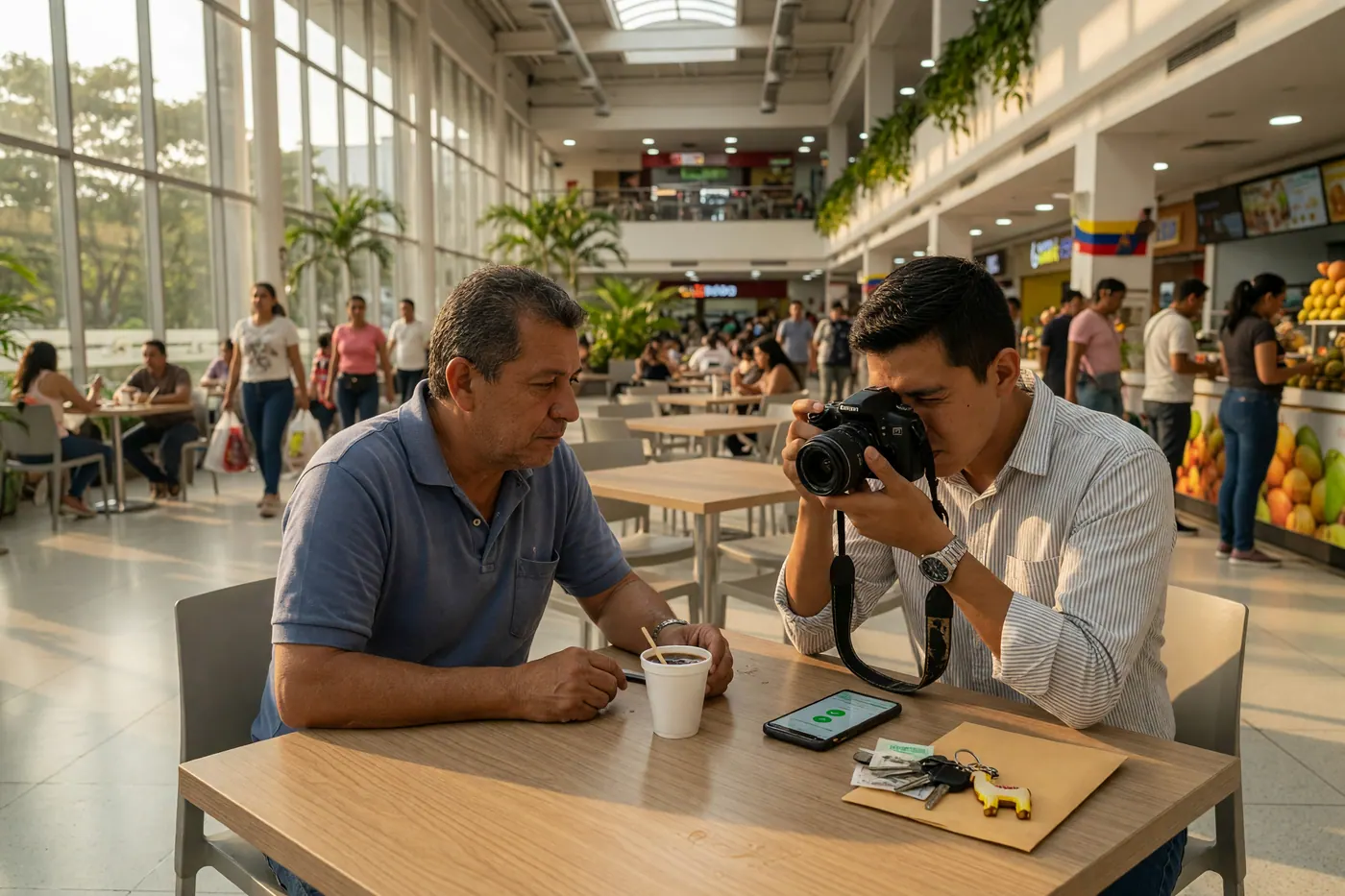
- Refusal to meet in public: Legitimate sellers will gladly meet you at a busy shopping mall food court or inside a bank lobby.
- Recommending defunct platforms: If someone claims they have a “top-rated profile on OLX,” they are lying. OLX officially ceased all operations and closed its platform in Colombia on July 14, 2023.
How to Verify a Seller’s Identity in Colombia
If you are buying a high-value item, you have every right to know exactly who you are dealing with. I always ask for the seller’s full name and cédula (Colombian ID number) before meeting up.
First, verify that the ID matches the name registered to their Nequi or Daviplata account. Second, for significant purchases, you can ask the seller to show you their downloaded PDF background check certificate from the Policía Nacional de Colombia. The official portal for this is antecedentes.policia.gov.co. While you shouldn’t run their ID without consent, a legitimate seller of a high-value item (like a motorcycle or high-end laptop) won’t hesitate to prove their clean record.
Spotting Fake Receipts and The Nequi Account-Locking Trick
If you are on the other side of the transaction (or doing a trade), you need to be aware of how scammers fake payments. Fraudsters use malicious generator apps—like “Nequi DZ Y2” or “Nequi-Glitch”—to produce hyper-realistic fake transfer screenshots and even spoofed SMS notifications.
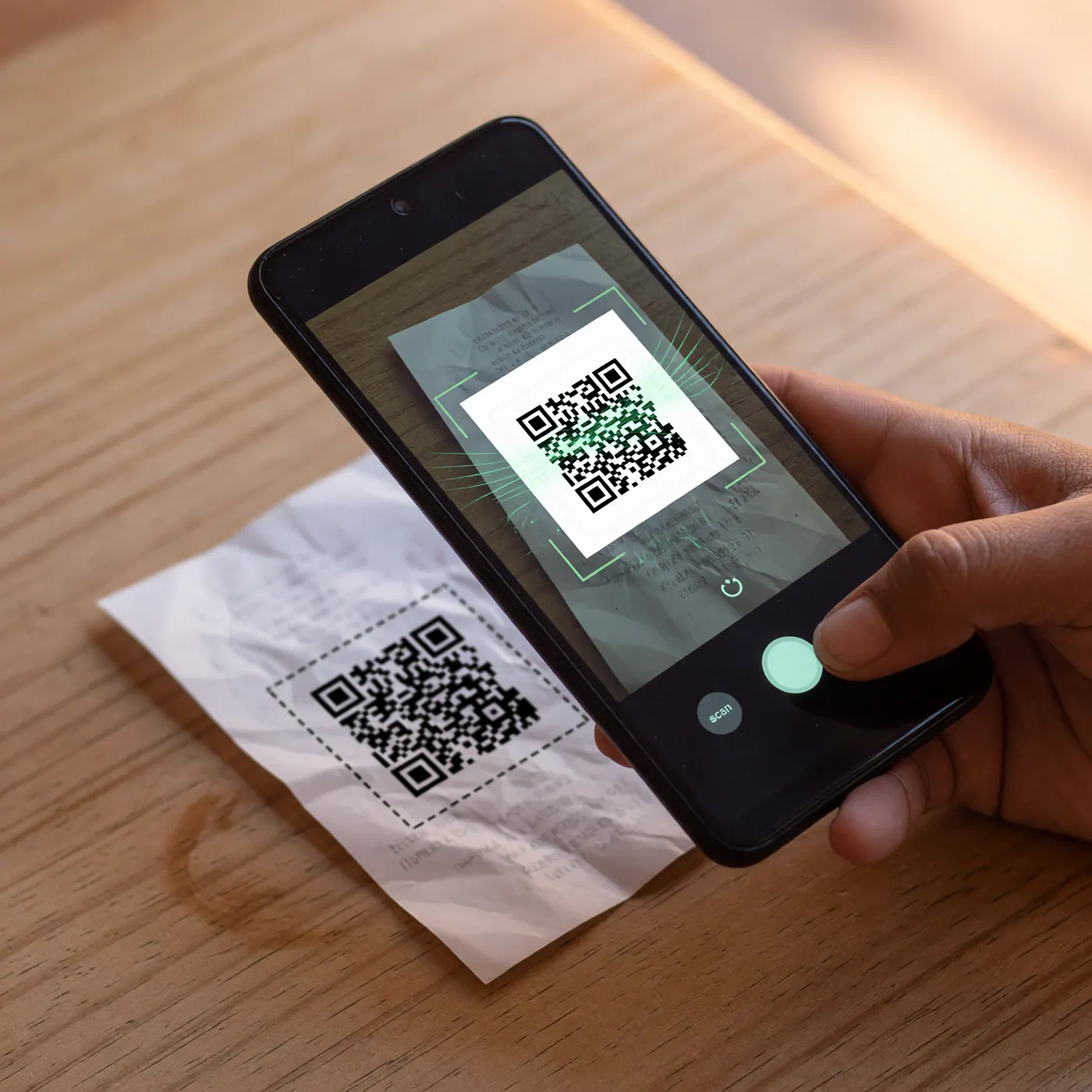
To combat this, Nequi has an official Comprobar pago (Verify payment) tool inside their app. When a legitimate transfer is made, the receipt generates a unique QR code valid for only 5 minutes. You must scan this QR code from within the Nequi app (not your phone’s standard camera) to verify it directly against Nequi’s servers.
Another insidious tactic is the “Account Locking” trick. Scammers will intentionally input your phone number and the wrong password multiple times on their device. This triggers a security protocol that temporarily locks your Nequi or Daviplata app. They will then show you a fake transfer screenshot and pressure you to hand over the item, claiming, “I sent the money, your app is just down.” Never hand over an item until you can log in and see the balance yourself.
Safe Payment and Delivery Alternatives
The safest way to buy used goods in Colombia is an in-person cash exchange or a verified bank-to-bank transfer at a secure, public location. Shopping malls with heavy security presence are ideal.
If you are buying a secondhand mobile phone, dial *#06# on the device to pull up its 15-digit IMEI number. Before handing over any money, enter that number into the official IMEI Colombia database (imeicolombia.com.co) to verify it hasn’t been reported lost or stolen.
If you cannot meet in person, insist on using cash on delivery (pago contraentrega) via trusted local couriers like Servientrega, Interrapidisimo, or Envía. This allows you to pay the courier only when the package physically arrives at your door. And if you are managing an international relocation and need to handle transactions safely on a larger scale, check out our guide on selling your stuff before leaving Colombia.
Frequently Asked Questions
❓ Is it ever safe to send a deposit to hold a used item in Colombia?
No, you should never send a deposit to hold a used item; deposit fraud is the single most common online marketplace scam in the country. Once you transfer the money to “reserve” the item, the fraudulent seller will simply block your number and disappear.
❓ How can I check if a Colombian seller’s ID is real?
You can ask the seller for their full name and cédula, and verify their record by requesting their official background check certificate from the Policía Nacional de Colombia. Legitimate sellers of high-value items are usually willing to provide this proof of identity.
❓ How do I know if a Nequi transfer receipt is authentic?
You must use the official “Comprobar pago” tool inside the Nequi app to scan the QR code on the receipt, which validates the transaction directly on Nequi’s servers. Do not trust screenshots or SMS notifications, as these are easily faked using malicious generator apps.
❓ What should I do if my Nequi app gets locked during a transaction?
If your account is locked due to multiple failed login attempts, do not hand over the item; this is a classic scam tactic designed to prevent you from checking your real-time balance. Wait until your account is unlocked and you can independently verify the funds.
❓ How do I verify that a secondhand phone isn’t reported stolen in Colombia?
You can verify a phone’s status by dialing *#06# to find the 15-digit IMEI and entering it into the official IMEI Colombia database. If the device is reported stolen, it will eventually be blocked by Colombian telecom providers.
❓ Can I use cash on delivery (contraentrega) for marketplace purchases?
Yes, you can request that the seller ship the item using “pago contraentrega” through established local couriers like Servientrega or Interrapidisimo, allowing you to pay only when the package arrives. This is a much safer alternative to sending an upfront deposit.


Comments
Loading comments...
Checking sign-in status...