
How to Avoid Rental Scams in Colombia: Red Flags and What to Do
Fake listings, bait-and-switch furnished apartments, and gringo pricing - rental fraud in Colombia follows patterns. Here is how to spot them before you lose a deposit.
IDIOMA DEL ARTÍCULO
Showing original language
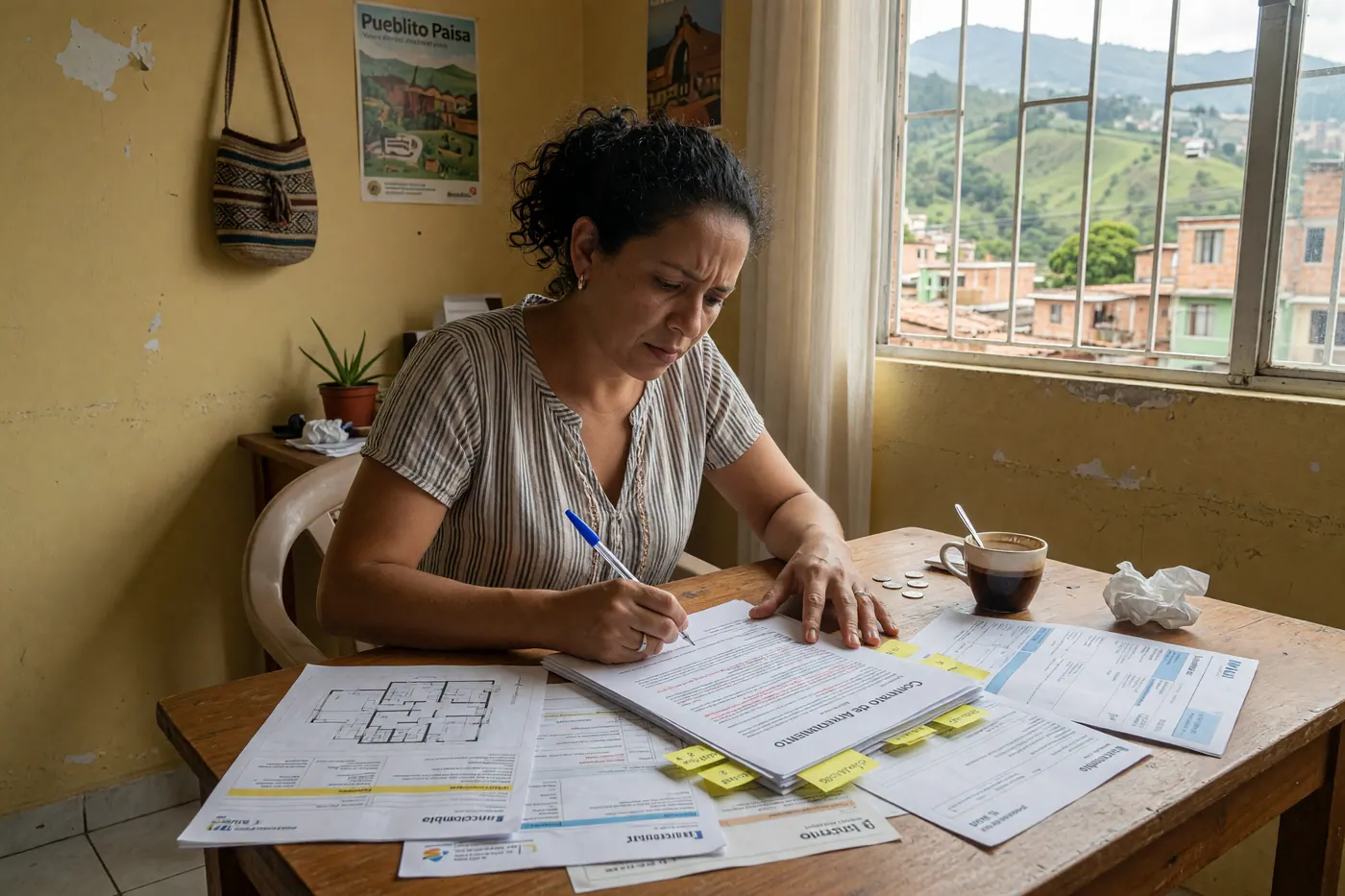
Colombia's rental market runs on incomplete information. Landlords know what similar apartments are renting for; most renters — especially new arrivals — don't. That information gap is where most problems begin, from overpriced units to outright fraud. The scams aren't new, but they've evolved with the tools: what used to happen through newspaper classifieds now happens on Facebook Marketplace and WhatsApp, faster and with better-looking photos.
The good news is that genuine rental scams in Colombia follow patterns, and most of them are avoidable with a few simple rules. The harder problem is gringo pricing and bait-and-switch situations — technically legal but dishonest practices that are far more common than outright fraud.
This guide covers both: how to spot fake listings before you lose a deposit, how to protect yourself once you're serious about a place, and what to do if something goes wrong. The legal framework is also shorter than you'd expect — Ley 820 gives renters more protection than many people realize.
⚠️ Quick Answer: Rental Red Flags in Colombia
- Never pay a deposit without seeing the property in person — no exceptions
- Listings that show furnished photos but don't include a written inventory are a warning sign
- More than one month's deposit upfront is illegal under Ley 820
- Pressure to decide immediately ("hay muchos interesados") is a manipulation tactic — not always a scam, but slow down
- The safest rentals are from verified direct owners with a written contract and poliza de arrendamiento
The Most Common Rental Scams in Colombia
Most rental fraud in Colombia falls into a handful of patterns. Knowing what they look like is half the defense.
| Scam Type | How It Works | Warning Sign |
|---|---|---|
| Fake listing | Real-looking ad with stolen photos; property is already rented or doesn't exist | Price too good, agent can't arrange a viewing |
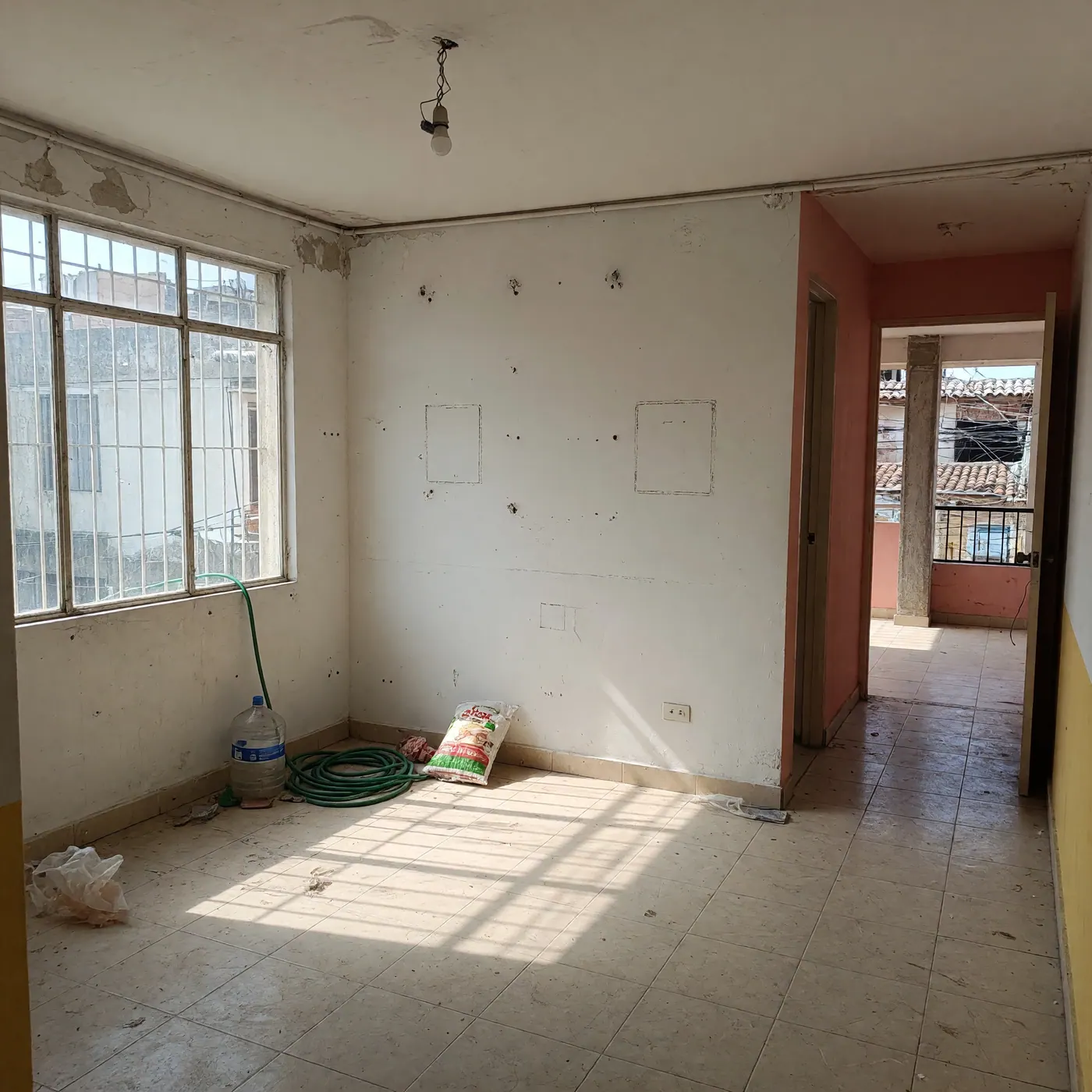
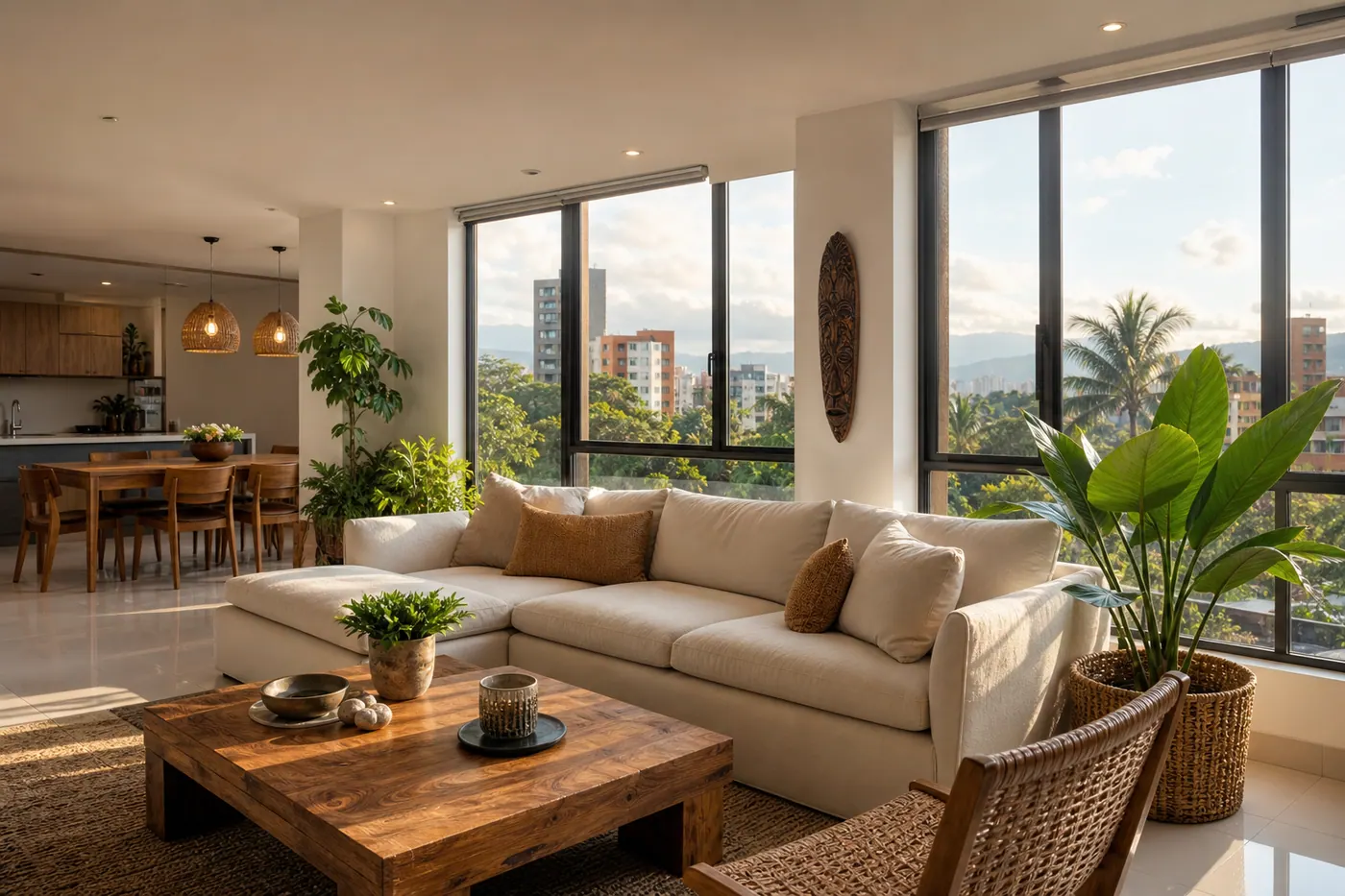
| Bait and switch | Photos show furnished; you arrive to bare walls. Or photos are a nicer unit in the same building. | No written inventory, photos feel generic |
| Deposit theft | Collects 1–2 months upfront, gives you keys (or copies), then disappears. Sometimes the real owner appears later. | Can't provide proof of property ownership; rushes the signing |
| Dual rental | Same property rented to multiple people simultaneously — most common with short-stay furnished apartments | WhatsApp-only contact, no formal contract offered |
| Gringo pricing | Not quite a scam but common — foreigners quoted 30–80% above market rate, especially in Poblado and tourist areas | Ad has no price listed; price given verbally differs from listing |
Outright scams — where someone takes your money and vanishes — are less common than bait-and-switch and pricing games, but they do happen, particularly in high-demand rental markets like El Poblado, Chapinero, and the tourist belts of Cartagena. The dual-rental scam is more common in furnished short-stay apartments, where the hustle depends on turnover.
Red Flags Before You Pay Anything
This list isn't exhaustive, but these are the situations where you should stop and slow down regardless of how good the place looks:
- Can't schedule an in-person viewing — any reason given (travel, maintenance, COVID rules) is a red flag. Legitimate landlords show properties.
- Asks for money before the visit — 'reservation fee' or 'to hold the apartment while you decide.' This is not normal in Colombian rentals.
- More than one month's deposit upfront — Ley 820 limits deposits to one month's rent for unfurnished units. More than that is illegal for long-term leases.
- No physical address in the listing — a listing without a specific street address, only WhatsApp contact and neighborhood name, is high-risk.
- Photos that are too perfect — reverse image search suspicious photos (right-click on desktop, or screenshot and run through Google Lens on mobile).
- Price well below neighborhood average — check nearby listings on Colombia Move, Finca Raíz, or Metrocuadrado. 30%+ below market for the area is a serious red flag.
- Heavy pressure ('hay muchos interesados') — this is sometimes genuine, but when combined with other red flags, it's a manipulation tactic to stop you from doing due diligence.
- No written contract offered — every legitimate rental should have a written arrendamiento contract. WhatsApp agreements are not enforceable.
One flag on its own doesn't mean fraud. Three flags together means walk away.
How to Verify a Rental Before Committing
Most scams collapse under basic due diligence. Here's what that actually looks like:
- Visit in person, always — no exception. If you're not yet in Colombia, ask a trusted friend or pay a local acquaintance to view it first. Video calls are not substitutes.
- Match the listing photos to what you see — check angles, lighting fixtures, window views. Mismatches indicate photos were taken from a different unit.
- Ask for the certificado de tradición y libertad — this is the official ownership document from the Registro de Instrumentos Públicos. It shows who owns the property and any liens. Sellers are accustomed to requests; scammers aren't.
- Ask to see recent utility bills (facturas de servicios) — confirms the address matches and the property has active service.
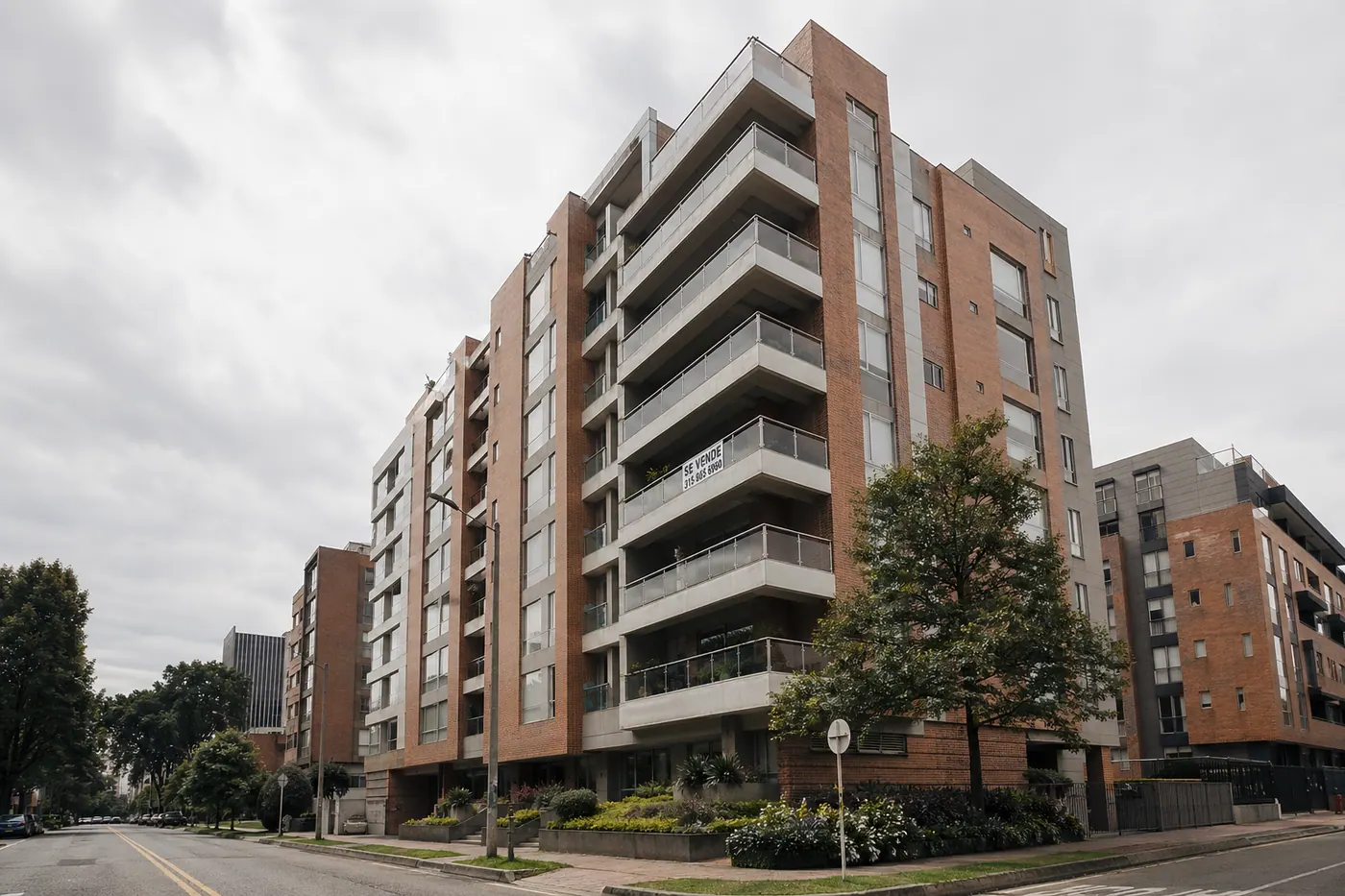
- Check the physical address against Google Maps or Street View — does the building exterior match the listing photos?
- Verify the landlord's cedula (cédula de ciudadanía) — real landlords have one; ask for it before signing and verify the name matches the property documents.
- For furnished apartments, document the inventory in writing — photograph everything and attach the list to the contract before you sign. This protects both parties.
📋 Keep Reading
Found a legitimate place? Before you sign, read our guide on how to review a rental contract in Colombia — including what Ley 820 requires and which clauses are actually abusive.
What the Law Actually Says (Ley 820)
Colombia's tenant protection law is more useful than most foreigners realize. The key provisions:
- Maximum deposit: one month's rent for unfurnished units. This is strict. More than one month is illegal for residential leases under Ley 820.
- Rent increases: limited to the IPC (inflation index) annually — typically 10–13%. A landlord cannot raise rent mid-lease without your agreement.
- Eviction notice: for month-to-month leases, 90 days written notice is required before you must vacate. Verbal requests don't count.
- Security deposit return: must be returned within 30 days of handover, minus documented deductions only.
- What's not covered: short-stay furnished rentals (less than 90 days) and rooms in shared houses fall under different rules and have fewer protections.
These protections apply to any rental agreement signed in Colombia regardless of your nationality. The main risk is signing contracts with illegal clauses — our contract review guide covers the specific clauses to watch for.
What to Do If You've Been Scammed
If you've paid a deposit and something has gone wrong — the landlord disappeared, the key doesn't work, or a second 'owner' appeared — here's the order of operations:
- Document everything immediately — screenshots of all messages, photos of the property and any keys received, bank transfer receipts, the listing URL.
- File a report with Policía Nacional — call 123 or go to the nearest CAI (police station). Fraud (estafa) is a criminal offense in Colombia under Article 246 of the Penal Code. A police report creates a record even if they don't immediately pursue it.
- Report to SIC — the Superintendencia de Industria y Comercio handles consumer protection complaints and can pursue cases against real estate agencies or platforms. Their web form is at sic.gov.co.
- Contact your bank — if you transferred money domestically (via Nequi, Daviplata, or bank transfer), file a fraud complaint immediately. The bank can sometimes freeze the recipient account.
- If you're stranded without housing: La Defensoría del Pueblo offers guidance on emergency situations. Your country's embassy can help if you've lost significant funds.
Recovery of money from rental fraud is difficult but not impossible, especially for recent transfers. The documentation you create in the first 48 hours makes the biggest difference.
Safer Ways to Find Rentals in Colombia
The safest rentals share a few common characteristics: the landlord is reachable by call (not just WhatsApp), you can visit the property before paying anything, and there's a clear written contract at the end.
Renting directly from an owner — without an agency in the middle — often means better communication and fewer misunderstandings, but you need to do the verification work yourself. The Colombia Move marketplace lists direct-owner rentals in major cities with consistent contact methods and public seller profiles, which adds a layer of accountability vs. anonymous Facebook posts.
Facebook groups (Apartamentos en Arriendo Medellín, Bogotá Housing for Expats, etc.) have the widest selection but the least verification. They're useful for finding options; treat every listing as unverified until you've done the checks above. Finca Raíz and Metrocuadrado are more structured but often include agency listings with significant markup.
Inmobiliarias (real estate agencies) provide some protection against outright scams — they have physical offices and professional licenses to protect — but they add commission (typically one month's rent) and may prioritize their own interests over yours in disputes.
🏠 Keep Reading
For a safer approach to finding rentals, see our guide on renting directly from an owner in Colombia — including what to verify and what questions to ask.
🇨🇴 Not Sure If a Listing Is Legitimate?
Post your situation in the Colombia Move community — locals and long-term expats can help you spot red flags and find alternatives in your city.
Ask the Community →Frequently Asked Questions
❓ Is it safe to rent an apartment in Colombia as a foreigner?
Yes — millions of people rent apartments in Colombia without any issues. The risks are real but manageable with basic due diligence: visit in person before paying anything, get a written contract, and verify the landlord's ownership documents. Foreigners are slightly more vulnerable to gringo pricing than to outright fraud, which is a fixable problem.
❓ Can a landlord ask for more than one month deposit?
For unfurnished residential leases, Ley 820 limits deposits to one month's rent. More than that is illegal. For furnished short-term rentals (under 90 days), the rules are different and landlords have more flexibility. Always ask what category the rental falls under.
❓ What if the landlord won't show me ownership documents?
Walk away. A landlord with nothing to hide will show you the certificado de tradición y libertad — it's a standard document and the request is normal. Refusal is almost always a red flag, even if they offer a plausible explanation.
❓ Are rental listings on Facebook Marketplace safe?
Some are, many are not. Facebook Marketplace has no verification system for Colombian real estate listings and is the most common source of scam listings. Use it to find options, but apply all the verification steps before paying anything. Listings with a specific address, phone number, and willingness to meet in person are higher-trust than contact-WhatsApp-only ads.
❓ How much should I realistically pay for a furnished apartment in Medellín or Bogotá?
In Medellín, furnished one-bedroom apartments in Laureles or El Poblado typically run COP 1.8M–3.5M/month. In Bogotá's Chapinero or Usaquén, expect COP 2.2M–4M+. Prices well below these ranges for the same neighborhoods should be verified carefully. See our real cost of renting in Medellín guide for a breakdown that includes administration fees and utilities.


Comments
Loading comments...
Checking sign-in status...