
How to Rent Directly From an Owner in Colombia
Renting directly from a Colombian owner can save you 1–2 months' rent in agency fees. Here's exactly how to find legit listings, verify ownership, and sign safely.
IDIOMA DEL ARTÍCULO
Showing original language
The first apartment I looked at in Bogotá came through an inmobiliaria. The agent charged one month's rent as commission upfront, another month as deposit, and a third month's advance. Before I'd even moved in, I'd handed over COP 7.5 million and hadn't met the owner once. Then a neighbor mentioned she was renting the same building's identical floor plan — found through the owner directly — and paid zero commission.
That was the last time I used an agency. If you want to see real-world options right now, you can browse apartments and houses on Colombia Move — posting is completely free.
Renting directly from the owner — called arriendo directo — is completely legal and increasingly common across Colombia. You negotiate directly, you know exactly who you're dealing with, and you keep the commission in your pocket. The catch: you need to know how to find legitimate owner listings, verify who you're actually talking to, and protect yourself without an agency acting as middleman. This guide covers all of it.
Why Bypass the Agency?
Agency commissions in Colombia typically run one month's rent per year-long contract. On a COP 2.5 million apartment in Medellín, that's COP 2.5 million gone before your furniture arrives — and in Bogotá or El Poblado, where rents push COP 4–6 million, the hit is worse. Some agencies also add a 15–20% markup on top of the owner's listed price without disclosing it. The owner thinks they're getting COP 2.2 million; you're paying COP 2.5 million.
Beyond cost, agencies add friction. They often require a codeudor through their own affiliated networks, push you toward pólizas de arrendamiento that generate commissions for them, and move at bureaucratic speeds when you're trying to move quickly.
The only legitimate thing agencies offer is a verification layer — someone checked the property paperwork and the owner's identity. Going direct just means you do that verification yourself. It takes about an hour and isn't complicated. I'll show you exactly what to request.
Where to Find Owner-Direct Rentals
Most guides send you to generic classifieds platforms and call it done. Let me be more specific about what actually works.
Colombia Move Marketplace (colombiamove.com/categoria/apartamento-arriendo) lists rental properties directly from owners and individual landlords — not agencies. The platform is free to post and bilingual, and has a WhatsApp-native contact flow, which is how most Colombians actually coordinate viewings. Every seller gets a public storefront, so you can see other properties the same owner has listed and verify they're a real person before you message.
Facebook Marketplace remains a major source for direct rentals, especially in Medellín and Bogotá. The problem: scam rates are higher here than anywhere else, and there's no built-in identity verification. Use it to generate leads, then verify heavily before doing anything.
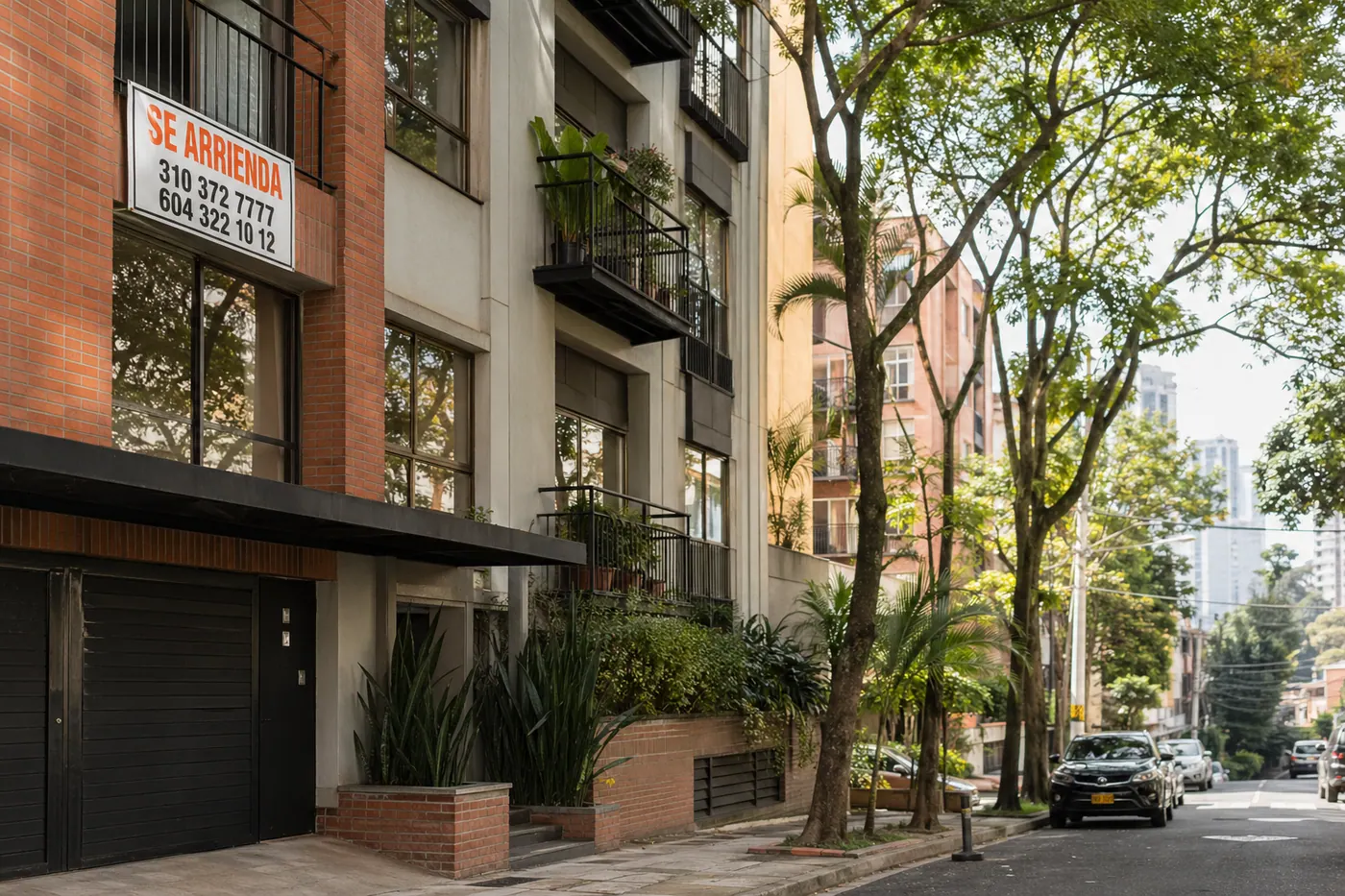
Physical "Se Arrienda" signs on buildings are underrated. Walk the neighborhood you want, photograph the numbers on the signs, call directly. In Bogotá's Chapinero, Usaquén, and Engativá, and in Medellín's Laureles and Envigado, owners still lease this way — especially for older buildings without management staff. The portero (doorman) at a building you like often knows about upcoming vacancies before they're listed anywhere. Ask him.

How to Verify You're Talking to the Actual Owner
This is the step most people skip, and it's where fraud happens. In Colombia, rental scams typically work one of two ways: someone sublists a property they don't own, or someone shows a property using a fake title document. Both are preventable.
Request the Certificado de Tradición y Libertad. This is a real estate registry document issued by the Superintendencia de Notariado y Registro that shows the current legal owner, any mortgages or liens, and the property's legal status. It costs around COP 20,000 and takes 15 minutes to download online. Ask the person showing you the apartment to provide it, or offer to pay for it yourself. Legitimate owners won't hesitate.
Compare the name on that document to the owner's cédula (national ID). Ask to see it physically, not just a WhatsApp photo. If they resist either request, that tells you everything.
Check that the property address on the Certificado matches what you're actually viewing — scammers sometimes use real documents from one property and present them with a different apartment. And if you're searching remotely, do a video call from inside the apartment before transferring anything. Watch for context clues that don't match the listing photos.
Documents the Owner Will Ask From You
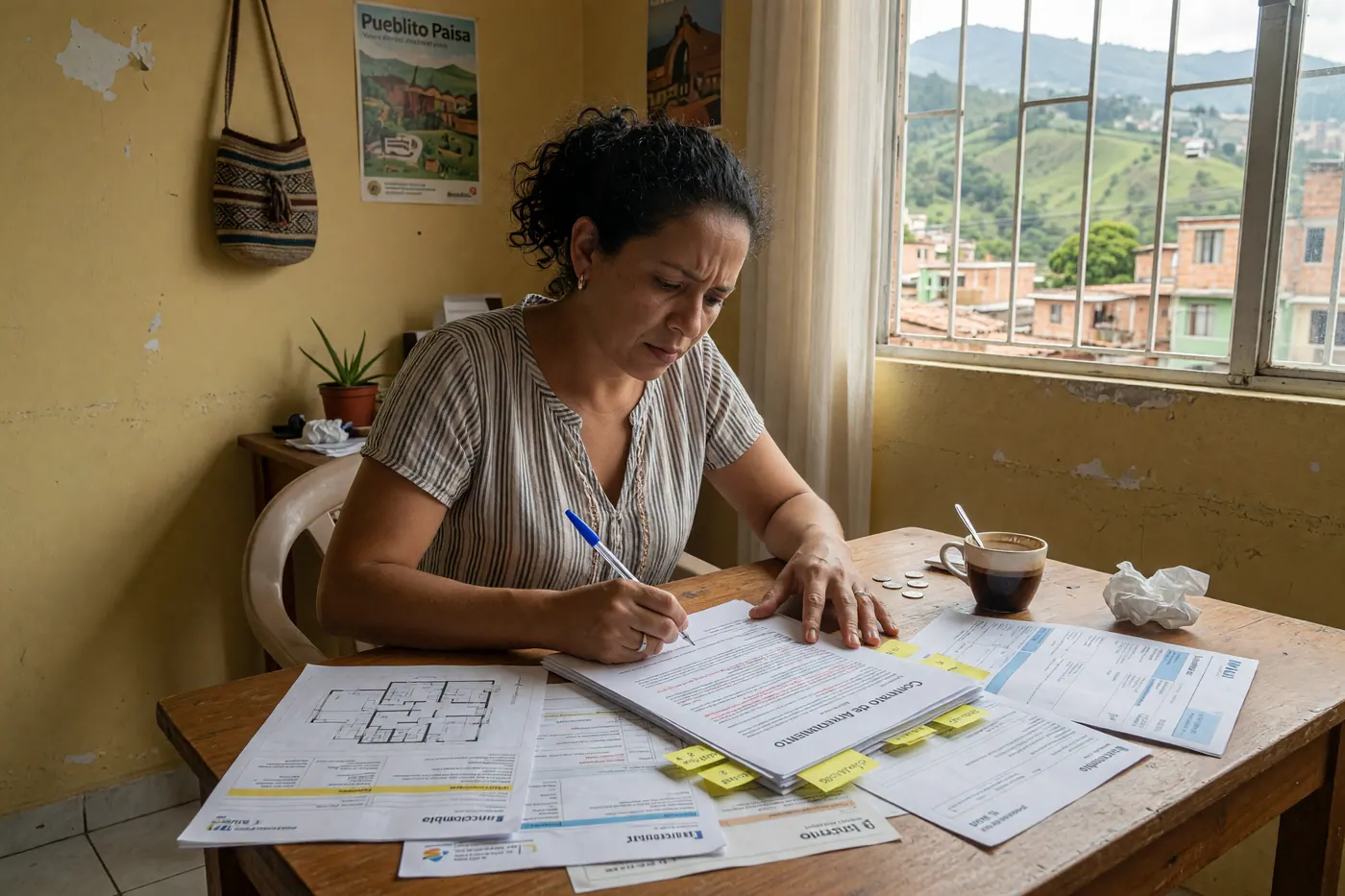
Direct owners can be more flexible than agencies, but they still want proof you can pay rent. Standard requirements include your cédula or passport with visa, the last three bank statements (extractos bancarios), and either three recent pay stubs or a certificado laboral from your employer.
For foreigners without Colombian income history, most owners substitute two things: a larger deposit (2–3 months' rent) and an international bank statement or letter from an employer showing sufficient funds. Some will accept a guarantor letter from a Colombian friend or colleague in place of a formal codeudor.
📖 Keep Reading
Negotiating Directly — What You Can Actually Move
Here's where direct deals give you real leverage that agencies don't.
Deposit amount: agencies lock this at two months. Owners will often accept one month, especially if you're signing a longer contract or can show a clean payment history. Rent advance: some owners want 1–2 months upfront, which is negotiable — offer to pay by bank transfer with a payment confirmation rather than cash.
Rent increase timing: by Colombian law (Ley 820 de 2003), increases are capped at the annual IPC and can only happen once per year. It's worth getting written into the contract that increases only apply after 12 months of actual occupancy, not from contract signing date — this protects you if you move in mid-month or there's any ambiguity about the start date.
Furnished/unfurnished mix: if the apartment is partially furnished and you don't want certain items, owners usually prefer to let you remove things and store them in a bodega rather than deal with storage themselves. This is very negotiable. Lease length: standard is 12 months, but many owners will do 6-month initial terms with a renewal clause if you're still figuring out the neighborhood.
Red Flags to Watch For
Not every direct listing is legitimate. These patterns consistently signal problems:
Rent noticeably below market for the area. The Colombia Move price comparison tool and neighborhood guides show you what comparable apartments actually cost. More than 20% below market without a clear reason (older building, no elevator, major repairs needed) is worth questioning.
Owner is abroad and can't meet in person. The classic "I'm in the US, I'll send you the keys after you transfer the deposit" scam is still running in Colombia. Never transfer anything before seeing the apartment in person or on a live video call with the owner physically inside the unit.
Refusal to provide the Certificado de Tradición. Any legitimate owner can pull this document in 15 minutes. If they make excuses — it's being processed, the notary is closed, they don't know what you're talking about — walk away.
Signing the Contract
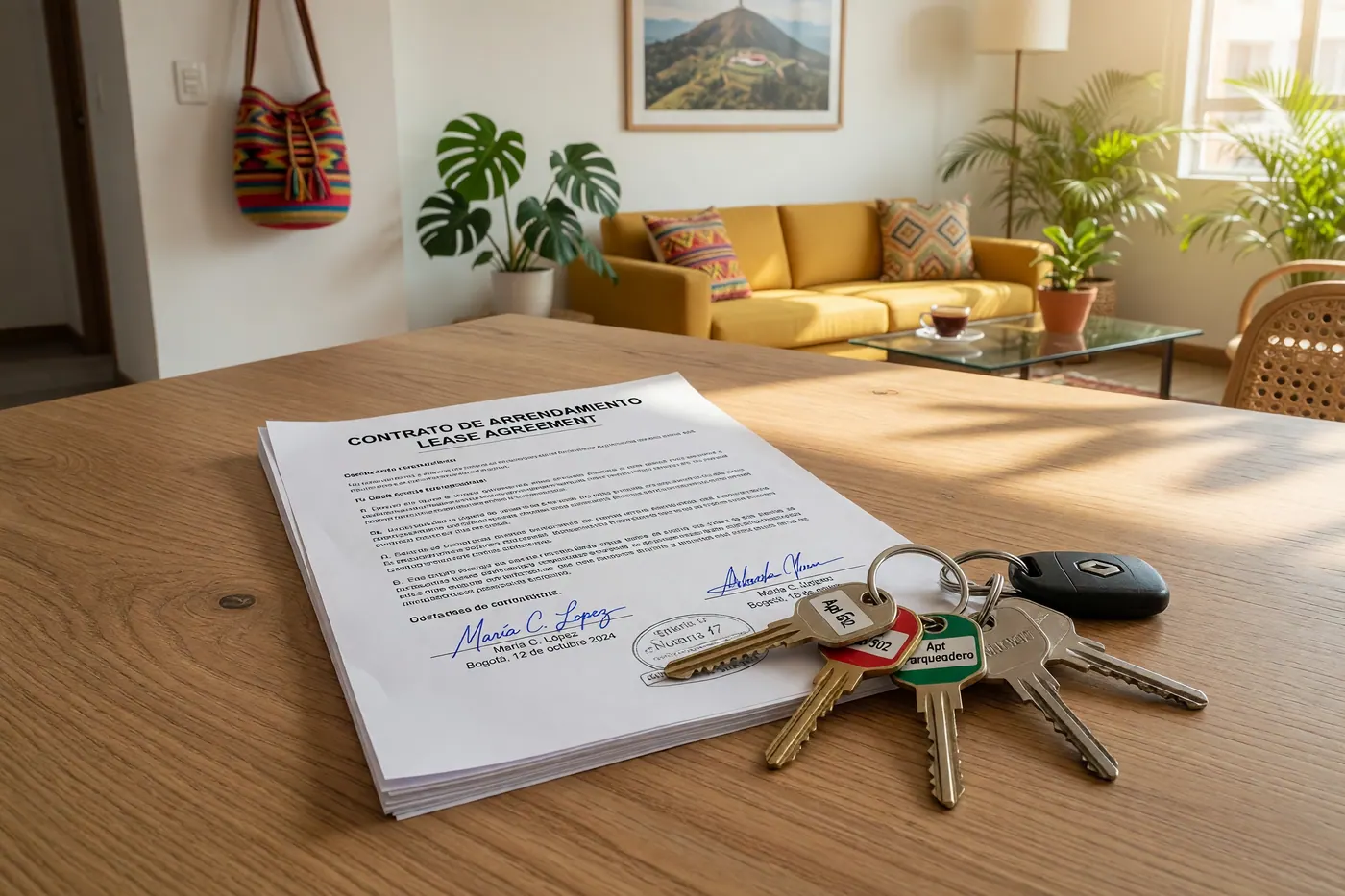
A direct rental contract in Colombia should include: both parties' full names and cédulas, the property address, the monthly rent and payment method (bank transfer, PSE, Nequi), the deposit amount and return conditions, the start and end date, who pays the cuota de administración (almost always the tenant), and a signed furniture inventory if the unit is furnished.
You do NOT need a notarized contract for residential leases — a simple signed written agreement is legally valid under Colombian law. That said, having it witnessed and keeping photocopies is good practice. If you want additional protection, you can contract a póliza de arrendamiento directly from an insurer like Seguros Bolívar or Mapfre without going through an agency — the insurer verifies both parties independently.
Don't Forget the Administration Fee
One thing that trips up direct renters: the cuota de administración isn't set by the owner — it's set by the building's junta de copropietarios (owners' association). Ask the owner to show you the current monthly amount and the building's estado de cuenta proving they're not in arrears. This protects you from inheriting unpaid admin debt that becomes a dispute when you try to leave.
📖 Keep Reading
Renting Direct Is Worth the Extra Hour of Verification
Bypassing the agency saves you real money — typically one month's rent per year, sometimes more. The verification steps feel like extra work until you realize they take about an hour total and prevent the fraud cases that actually do happen here.
The hardest part is usually finding listings in the first place. Start with Colombia Move Marketplace for verified owner listings, cross-check prices against the neighborhood guides so you know what's normal, and go into every viewing knowing what documents to request.
Have a question about a specific situation — a weird contract clause, an owner asking for something unusual, a document you've never seen before? Drop it at colombiamove.com/comunidad and someone who's been through it will answer.
Frequently Asked Questions
❓ Is renting directly from an owner legal in Colombia?
Yes. Arriendo directo is completely legal and governed by the same Ley 820 de 2003 that covers all residential leases. Real estate agencies add a middleman layer — they're not legally required for any type of rental in Colombia.
❓ How much can I save by skipping an agency?
Typically one month's rent per year-long contract. On a COP 2.5 million apartment that's COP 2.5 million upfront. On a COP 5 million El Poblado apartment it's COP 5 million — before you factor in any undisclosed markup the agency may have added on top of the owner's asking price.
❓ What happens if there's a dispute with a direct-owner rental?
The same legal remedies apply as with any lease. Housing disputes go through civil courts or mediadores de consumo. Having a signed written contract is your most important protection. If the owner violates the contract, you can also file with the SIC (Superintendencia de Industria y Comercio).
❓ Can I get a póliza de arrendamiento without going through an agency?
Yes. Seguros Bolívar, Mapfre, and Aseguradora Solidaria all offer pólizas directly to tenants and owners. The insurer verifies both parties — similar to what an agency does — but you control the relationship and pay significantly less in fees.
❓ Do I always need a codeudor for a direct-owner rental?
No. Many owners are more flexible than agencies about this. A larger deposit, international income proof, or a guarantor letter from a Colombian contact often substitutes. See our guide on renting without a codeudor for specific alternatives that actually work.
🏠 Find Owner-Direct Rentals in Colombia
Browse apartments and houses listed directly by owners — no agency fees, bilingual listings, WhatsApp contact. Free to search and free to post.
Browse Rental Listings →


Comments
Loading comments...
Checking sign-in status...