
How to Use Seller Profiles Before Buying in Colombia
A seller's profile tells you a lot before you message — and a few things it can never prove. Here's how to read one before buying in Colombia.
IDIOMA DEL ARTÍCULO
Showing original language
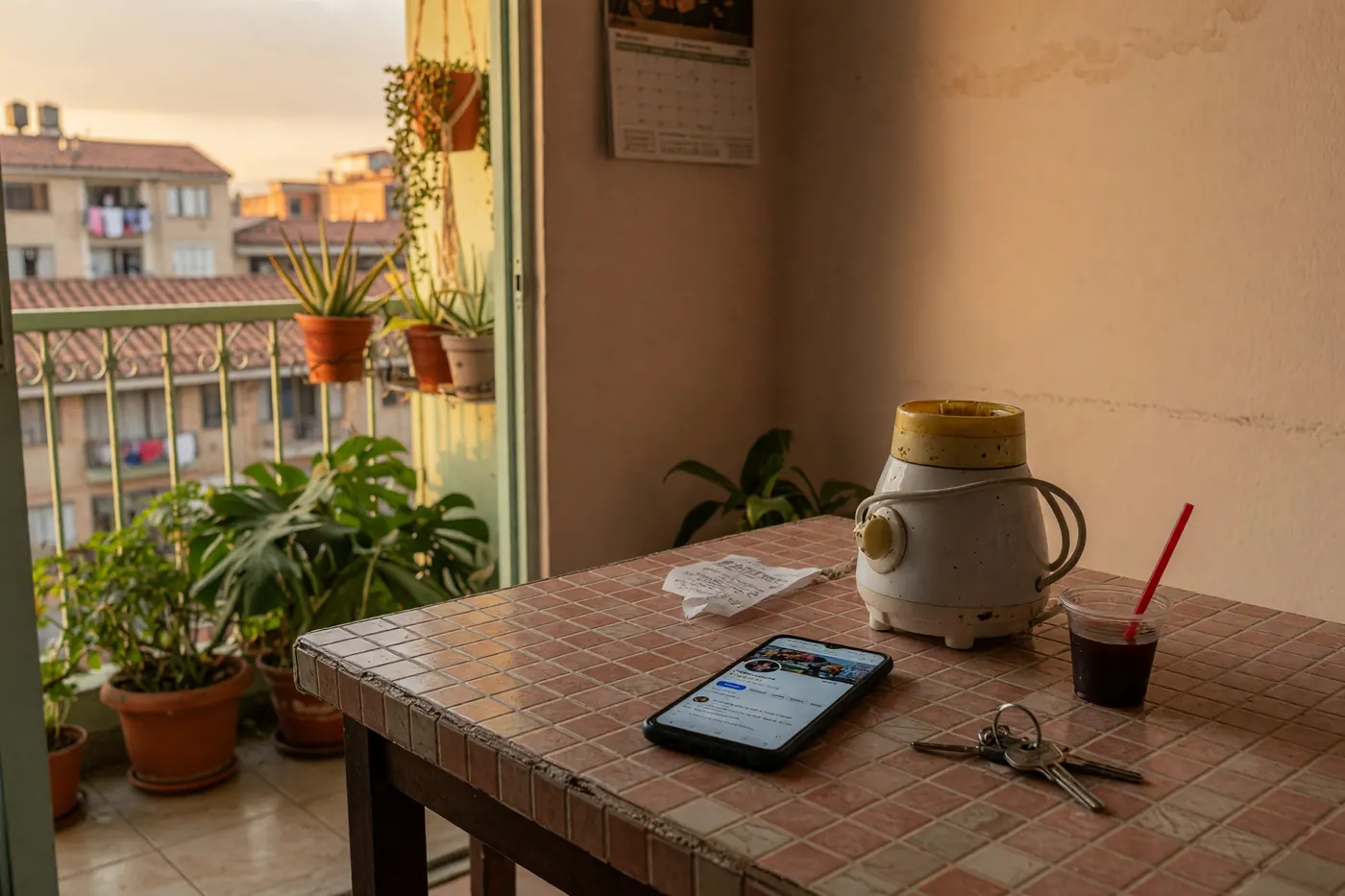
The first time I bought a used desk and monitor secondhand here, I almost paid without checking who I was buying from. The price was fair and the photos were fine. Two minutes on the seller's profile changed my plan: the account had just been created, had one rushed listing, and the photos looked lifted from a store page. I asked a couple of questions instead of paying. The answers didn't add up, so I walked.
A seller profile won't tell you everything, but it tells you enough to decide what to do next: ask more questions, inspect carefully, or move on. Here's how I read one before messaging anyone — across furniture, electronics, used goods, services, and rentals.
Quick answer: what to check first
- Scan the profile before the listing — history and patterns beat one nice photo.
- Look for multiple active listings, visible activity, and reviews or ratings where shown.
- Treat a complete profile as a signal, not proof — it can't confirm identity, ownership, or condition.
- Ask direct questions before paying or meeting, and inspect in person when you can.
- Compare two or three sellers instead of trusting the first polished profile.
What a seller profile actually shows you
Most of what's useful is in the pattern, not a single field. Open the profile and look at how the seller behaves over time: do they have other active listings, does the account show ongoing activity, and are there reviews or ratings where the platform offers them? Storefront-style pages usually gather a seller's history and contact details in one place, which helps you compare credibility. For the deep version, here's how I read a seller storefront.
Contact consistency is the quiet tell. A serious seller usually keeps the same name, number, and story across listings. If the WhatsApp number changes between posts or the description contradicts the photos, slow down — clear, truthful, complete information is what lets you make an informed call. It's also exactly what trustworthy sellers work to build, which you can see from the seller's side in my guide to building trust as a seller.
What a profile can't prove
This is the part people skip. A polished profile is a signal, not a guarantee. It can't confirm the seller's real identity, that they actually own the item, the true condition of what you're buying, its paperwork status, or whether sending money is safe. A contact or listing page connects you with the seller — it doesn't make the platform the seller, and it doesn't replace your own checks.
So treat the profile as the thing that tells you which questions to ask, not the answer. Reading a profile is different from broad fraud-avoidance, but they overlap — if something feels off, my guide to spotting rental and marketplace red flags covers the warning signs worth memorizing.
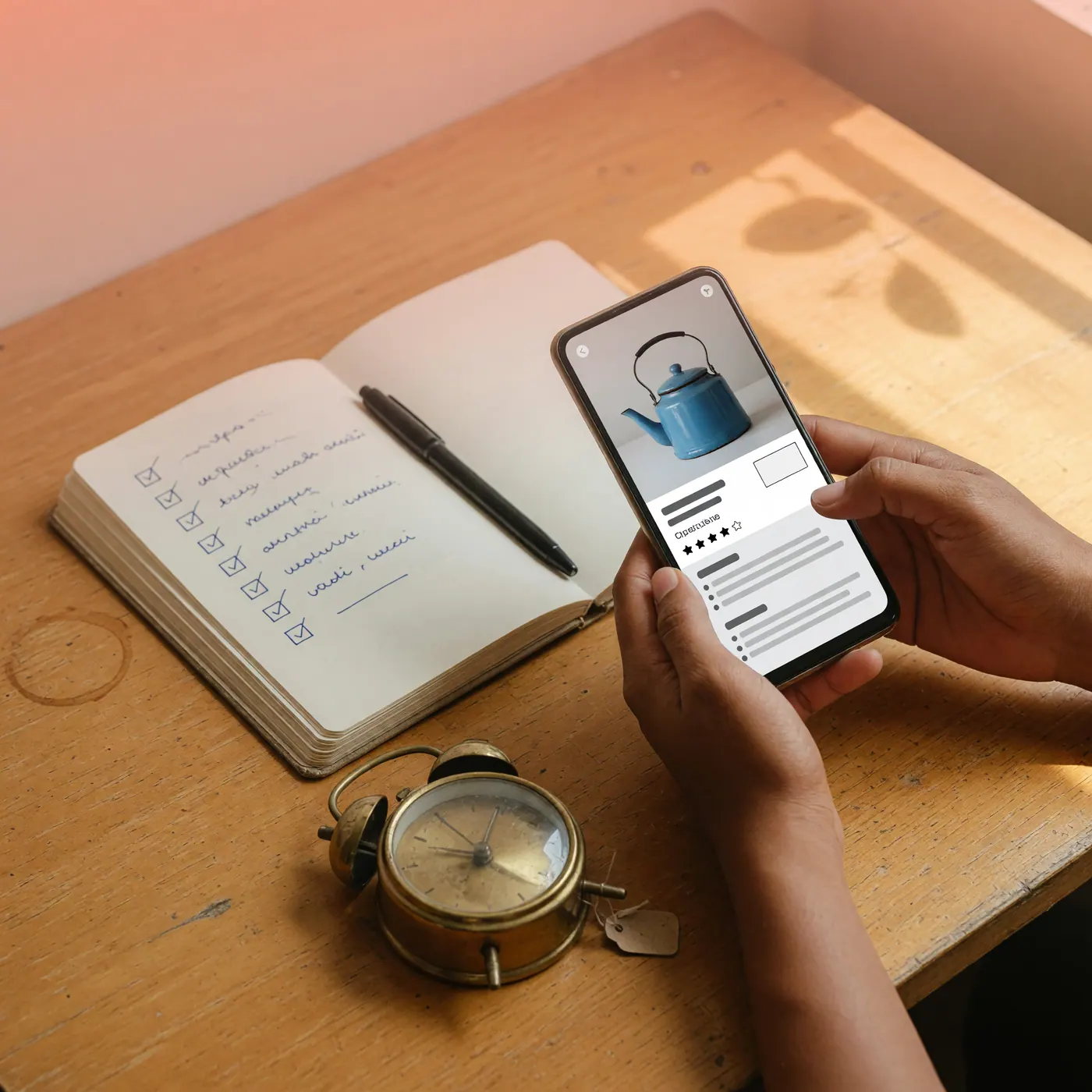
Questions to ask before you message or meet
Once the profile has done its job, fill the gaps with direct questions. Keep them specific so vague answers stand out:
- Condition: any defects, repairs, or missing parts? Ask for a quick video if it's electronic.
- Exact pickup area or how delivery would work — a real seller describes this without dodging.
- Reason for selling, and how long they've had it. Honest answers come easily.
- What's included: charger, original box, papers, accessories.
- Whether you can test or inspect before paying. Reluctance here is a yellow flag.
These are the same instincts that protect you on bigger commitments — the questions to ask before paying for a room follow the same logic. It also helps to confirm the contact details look stable; here's why a public WhatsApp number is reasonable to expect.
Compare a few sellers, then meet smart
Don't over-weight one signal. A five-star rating with two reviews isn't proof, and a thin profile doesn't automatically mean trouble — plenty of honest people sell one couch and never post again. The fix is comparison: line up two or three sellers for the same item, see whose answers hold together, and go with the consistent one rather than the prettiest listing.
When it's time to meet, a visible public spot in daylight is generally better than a private or rushed handoff, and for local items you can inspect, it's usually best to pay when you see the item rather than up front. Used clothes, a phone, furniture — same rule: eyes on it first. For condition checks on smaller items, my notes on buying second-hand clothes and shoes apply to almost anything used.
Frequently Asked Questions
❓ How much can I trust a seller profile?
Treat it as a useful signal, not proof. A profile can show listing history, activity, and reviews where available, but it can't confirm identity, ownership, or that the item matches the photos. Use it to decide what to ask, then verify in person.
❓ Is it safe to pay a deposit before seeing the item?
For local items you can inspect, it's usually best to avoid paying anything before you see them — pay when you meet instead. Upfront money makes sense only for genuinely remote orders, and even then, confirm the seller's details and keep your message records.
❓ What should I check before messaging a seller?
Check listing history, contact consistency, photos, and whether the location and details actually match. Several coherent listings from the same person beat one polished but isolated post.
❓ What are the biggest red flags in a seller profile?
Inconsistent names or numbers across listings, pressure to pay fast, missing basic details, photos that look lifted from a store, and refusal to answer simple questions. None alone proves bad intent, but together they're a reason to walk.
❓ Where can I compare sellers in Colombia?
Use marketplace listings and seller profile or storefront pages as one part of your due diligence — alongside Facebook Marketplace, MercadoLibre, or local referrals. Line up a few sellers for the same item and pick the most consistent one.





Comments
Loading comments...
Checking sign-in status...