
Buying a Used Bicycle in Colombia: Inspection, Sizing, and Safe Payment
Buying a secondhand bike in Colombia is a great way to save money, but it comes with strict legal rules and physical risks. Learn how to avoid stolen bikes, navigate Bogotá's mandatory registry, and properly inspect a used bicycle before handing over your cash.
IDIOMA DEL ARTÍCULO
Showing original language
Quick Answer: Buying a used bicycle in Colombia requires strict verification to avoid criminal liability for receiving stolen goods (receptación). In Bogotá, you must legally verify the frame's serial number and complete a digital ownership transfer (traspaso) on the official Registro Bici portal. In other cities, always demand a physical bill of sale (contrato de compraventa) and the original purchase invoice before handing over your cash.
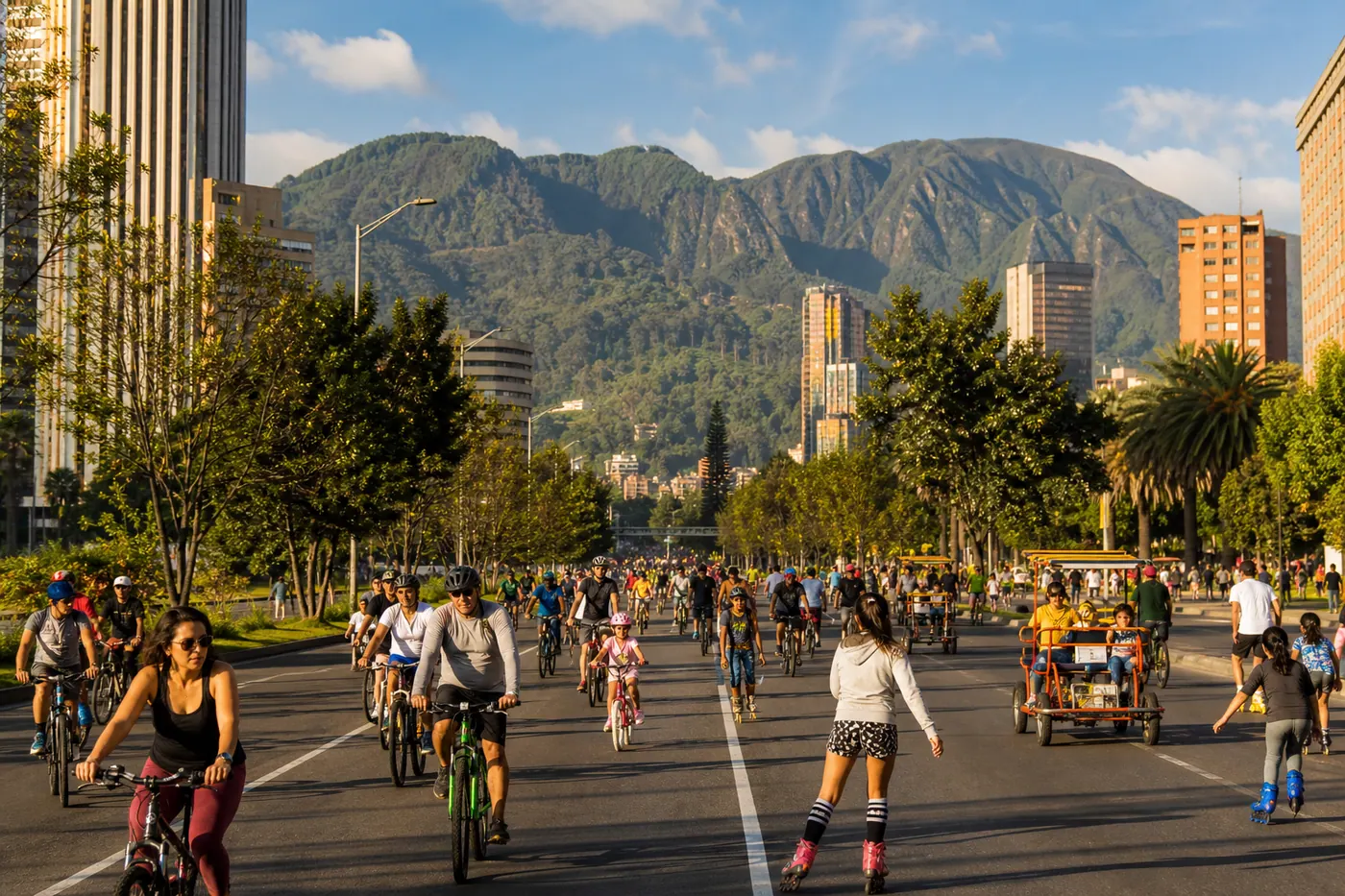
Colombia's cycling culture is legendary. Whether you're navigating Bogotá's massive Ciclovía network on a Sunday or grinding up Palmas in Medellín, having a bike completely changes how you experience the country. Honestly, I'd skip buying a brand-new bike here unless you have a massive budget. Secondhand is the way to go.
But just like when you navigate the used goods market for electronics, buying a used bicycle in Colombia carries unique legal and physical risks. You aren't just looking for a cracked frame; you are actively trying to avoid buying stolen property, which can land you in serious legal trouble.
The Legal Risks: Avoiding "Receptación"
Bicycle theft is a recognized risk in Colombian urban centers, and the police treat the resale of stolen bikes very seriously. If you are caught riding a stolen bicycle, claiming "I didn't know" won't save you.
Under Article 447 of the Colombian Penal Code (Ley 599 de 2000), buying or possessing stolen property constitutes the felony of receptación. This carries a statutory prison sentence ranging from 4 to 12 years, plus a fine of 6.66 to 750 SMLMV (Current Legal Minimum Monthly Wages). Just as you would check a used phone's IMEI before buying, you must check a bicycle's background.
If police stop you during a street patrol and find your bike is flagged as stolen, they can confiscate it immediately, issue a corrective fine or community service requirement under the National Police Code (Ley 1801 de 2016), and potentially detain you.
Bogotá's Mandatory Registro Bici System
Bogotá is currently the only major city in Colombia with a mandatory, legally enforced municipal bike registration system. Under Acuerdo Distrital 242 de 2021, all local cyclists must register their bicycles.
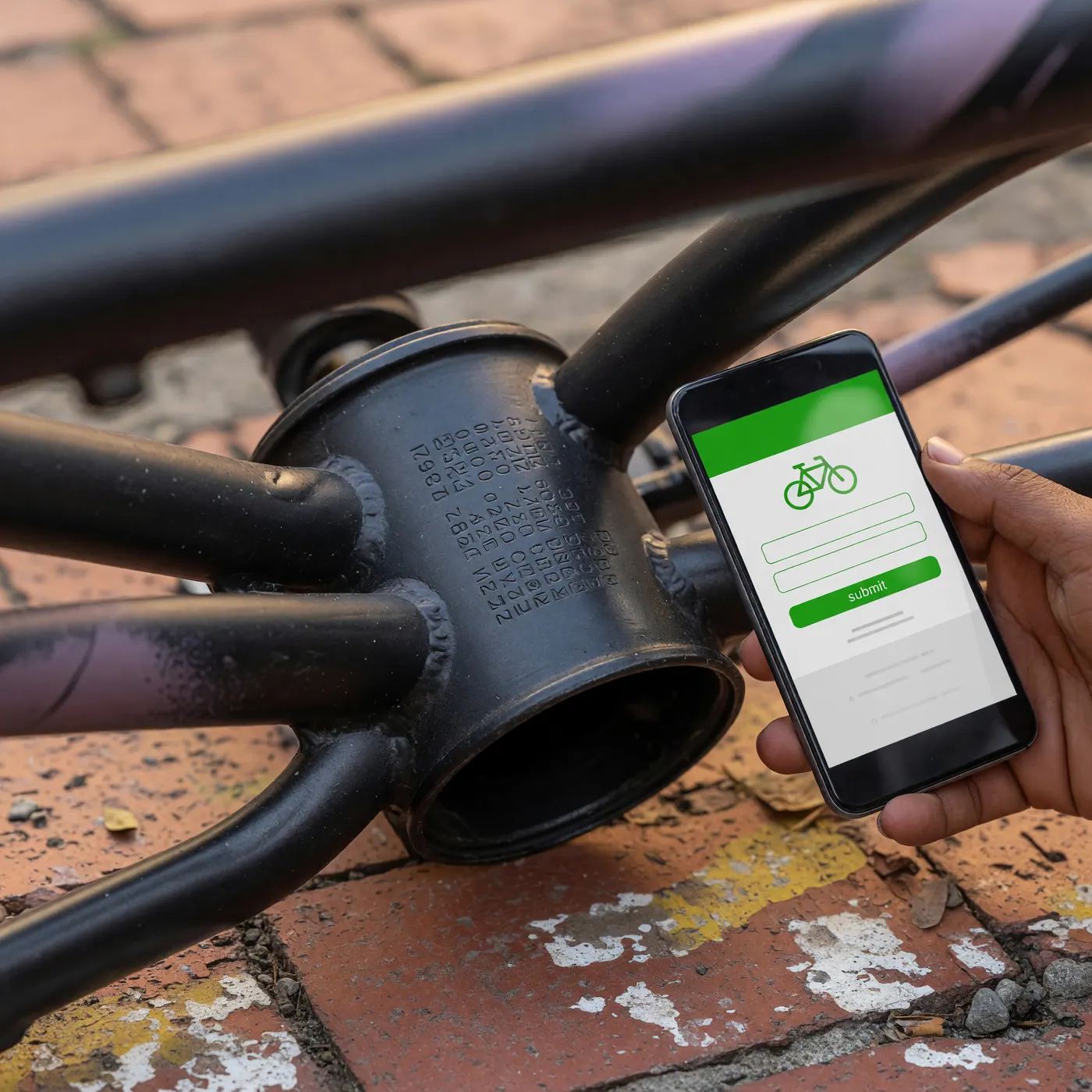
If you are buying a bike in the capital, you must use the official Registro Bici Bogotá portal. Here is the legally required step-by-step process for a transfer in Bogotá:
- Check the Serial Number: Before meeting up, ask the seller for the bike's serial number. Run it through the Registro Bici portal to ensure it isn't reported stolen.
- Initiate the Traspaso: The seller must log into their Registro Bici account and initiate a digital transfer of ownership (traspaso) to your ID (passport, cédula de extranjería, or PEP).
- Accept the Transfer: You must log into your own registered user profile on the portal and accept the transfer. This updates the municipal database and legally links the bike to you.
Buying Outside Bogotá: Legal Protections
Outside of Bogotá (such as in Medellín, Cali, or Barranquilla), there is no unified, legally mandatory municipal platform. While some cities have voluntary databases, your primary legal protection is a solid paper trail.
To establish legal ownership outside the capital, you need the following documents:
- Contrato de Compraventa: A signed contract of sale detailing the bike's make, model, color, and exact serial number. It must include both parties' full names, ID numbers, and signatures.
- Factura de Compra: The original retail purchase invoice. If the seller doesn't have this, it's a massive red flag. Honestly, skip the purchase unless they have an airtight reason and alternative proof of ownership.
- Seller's ID: Always get a physical or digital photocopy of the seller's cédula to attach to the contract.
Physical Inspection Checklist
Once the legal side is clear, you need to ensure the bike won't fall apart on your first ride down the mountain. Here is what to check during your inspection:
- Frame (Marco) and Serial Number: Flip the bike over and locate the engraved serial number, usually under the bottom bracket. Ensure it hasn't been filed down, painted over, or altered. Inspect all welds for hairline cracks. If you are buying a carbon fiber frame, use the "coin test"—gently tap the frame with a coin; a sharp click is good, but a dull thud indicates internal delamination.
- Drivetrain, Brakes, and Wheels: Check the chain for rust and the cassette for sharp, worn-out "shark teeth" gears. Spin the wheels to ensure they are true (aligned) and that the hydraulic brake lines aren't leaking fluid.
- Sizing and Fit: Ensure the frame size fits your height. A crucial check on used bikes in Colombia's varied climates is the seatpost (tija). Unclamp it and make sure it moves freely; a seized seatpost fused to the frame is a nightmare to fix.
Safe Meetup, Test Rides, and Payment
According to active Colombia Move marketplace supply signals (July 2026), the bicycles category had 1 active listing and 61 listing views. That is thin supply, so you may need to move quickly when a suitable bike appears, but you still must prioritize your safety.
Always meet in secure, heavily trafficked public spaces, like a mall parking lot or a busy park on a Sunday morning. Never go to a stranger's house or a secluded alley for a test ride.
When it's time to pay, avoid carrying millions of pesos in cash. Use digital payment methods like Nequi, Daviplata, or a PSE bank transfer. Finally, make sure you establish clear proof of delivery and handoff to prevent any post-sale disputes.
Frequently Asked Questions
❓ Is bicycle registration mandatory in Colombia?
It is not mandatory nationwide, but it is strictly mandatory in Bogotá under Acuerdo Distrital 242 de 2021. In other cities, registration systems are largely voluntary or private, though carrying a physical bill of sale is highly recommended everywhere.
❓ How do I check if a secondhand bike is reported stolen in Colombia?
In Bogotá, you can input the serial number on the official Registro Bici portal to verify its status. Outside of Bogotá, you must rely on verifying the physical invoice trail and the seller's official ID to ensure the bike isn't stolen.
❓ What is the penalty for riding a stolen bicycle in Colombia?
You face immediate confiscation of the bicycle and potential arrest under Article 447 of the Penal Code for the crime of receptación, which carries a statutory prison sentence of 4 to 12 years.
❓ How does the "traspaso" (ownership transfer) work in Bogotá's Registro Bici?
The digital transfer is initiated by the seller on the portal using the buyer's ID details. The buyer must then log into their own registered user profile and accept the transfer to officially update the municipal database.
❓ What document proves legal ownership outside Bogotá?
You need a signed contrato de compraventa (bill of sale) detailing the bike's serial number and both parties' signatures, accompanied by a physical photocopy of the seller's cédula and the original purchase invoice.
❓ Can I register my bike in Bogotá if I don't have the original purchase receipt?
Yes, the portal allows you to sign a virtual "declaración juramentada" (affidavit of ownership) during the registration process. However, you must still upload clear photos of the bicycle and its serial number.

Comments
Loading comments...
Checking sign-in status...