
Buying Second-Hand Clothes and Shoes in Colombia
A practical buyer's guide to second-hand clothes and shoes in Colombia: where to look, what to ask about size and condition, and how to pay safely.
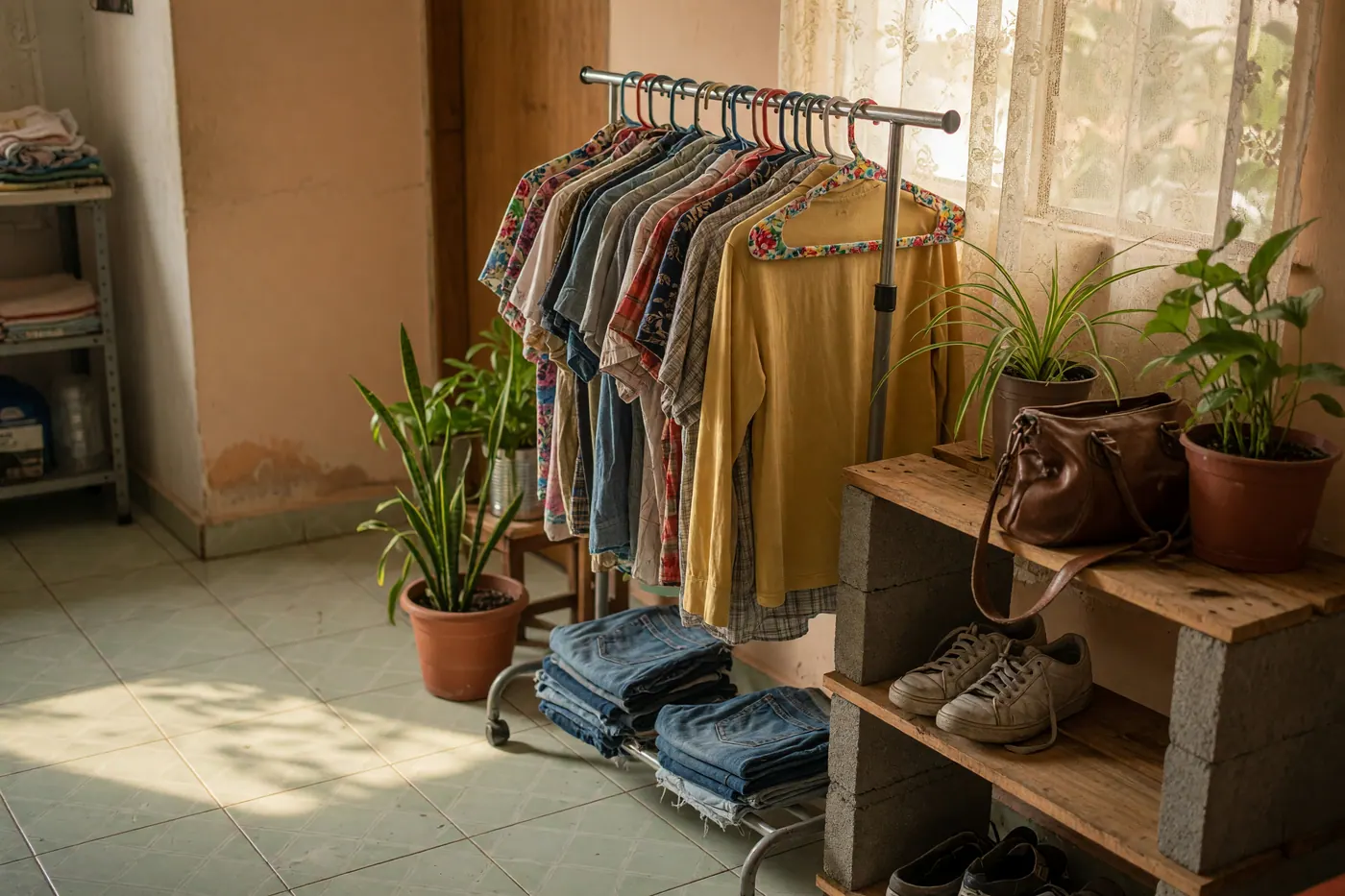
IDIOMA DEL ARTÍCULO
Showing original language
I've put together half my closet in Colombia secondhand — a barely-worn pair of running shoes, a couple of jackets for a fraction of mall prices, and one dress shirt that arrived two sizes too big because I didn't ask the right question first. Buying used clothes and shoes here is genuinely worth it. The difference between a great find and a wasted afternoon almost always comes down to what you confirm before you show up.
Here's the buyer's playbook I wish I'd had: where to look, the Spanish words that get better results, and the questions that stop you from crossing town for something that doesn't fit.
Quick answer: what to nail down first
- Confirm size in centimeters (insole length for shoes), not just the tag number — sizing varies by brand.
- Ask for clear photos of the actual item: tags, seams, soles, and any wear.
- Inspect before you pay whenever you can, and skip anyone pressuring you to transfer money first.
- For shipped items, prefer a store or platform flow with a clear “what if it's wrong” answer.
- Search in Spanish: “ropa usada”, “segunda mano”, “talla”, “zapatos usados”.
Where to actually look
There's no shortage of secondhand fashion in Colombia right now — the trick is matching the channel to how much convenience and trust you want. On Colombia Move you can browse the clothes, shoes, and accessories section by category, which keeps things organized and lets you contact sellers directly with no commission. Large marketplaces like Mercado Libre also list used clothing and shoes, and a few specialized second-hand fashion stores (Breshos and Independencia, for example) curate garments with their own payment and shipping flows.
Facebook Marketplace and neighborhood WhatsApp groups are full of finds too — just go in knowing they're informal. A listing there doesn't come with built-in buyer protection, so more of the verifying falls on you. Whatever channel you use, the checks below are the same.
The Spanish words that get better results
Searching in English quietly hides most of the inventory. These are the terms locals actually use, and dropping them into a search bar or a message instantly makes you look like you know what you're doing:
- ropa usada / segunda mano — used clothing / secondhand
- talla and medidas — size and (actual) measurements
- estado / desgaste — condition / wear
- zapatos usados, horma, suela — used shoes, fit/last, sole
- entrega / recogida — delivery / pickup
Size and condition: ask before you travel
Colombian shoe listings usually show CO/EU-style numbers, and they don't map cleanly to US sizes — brands run differently anyway. Don't guess. Ask the seller for the insole length in centimeters and a photo of the brand tag, and compare it against a shoe you already own. For clothing, request the actual measurements (chest, waist, length) rather than trusting an S/M/L label.
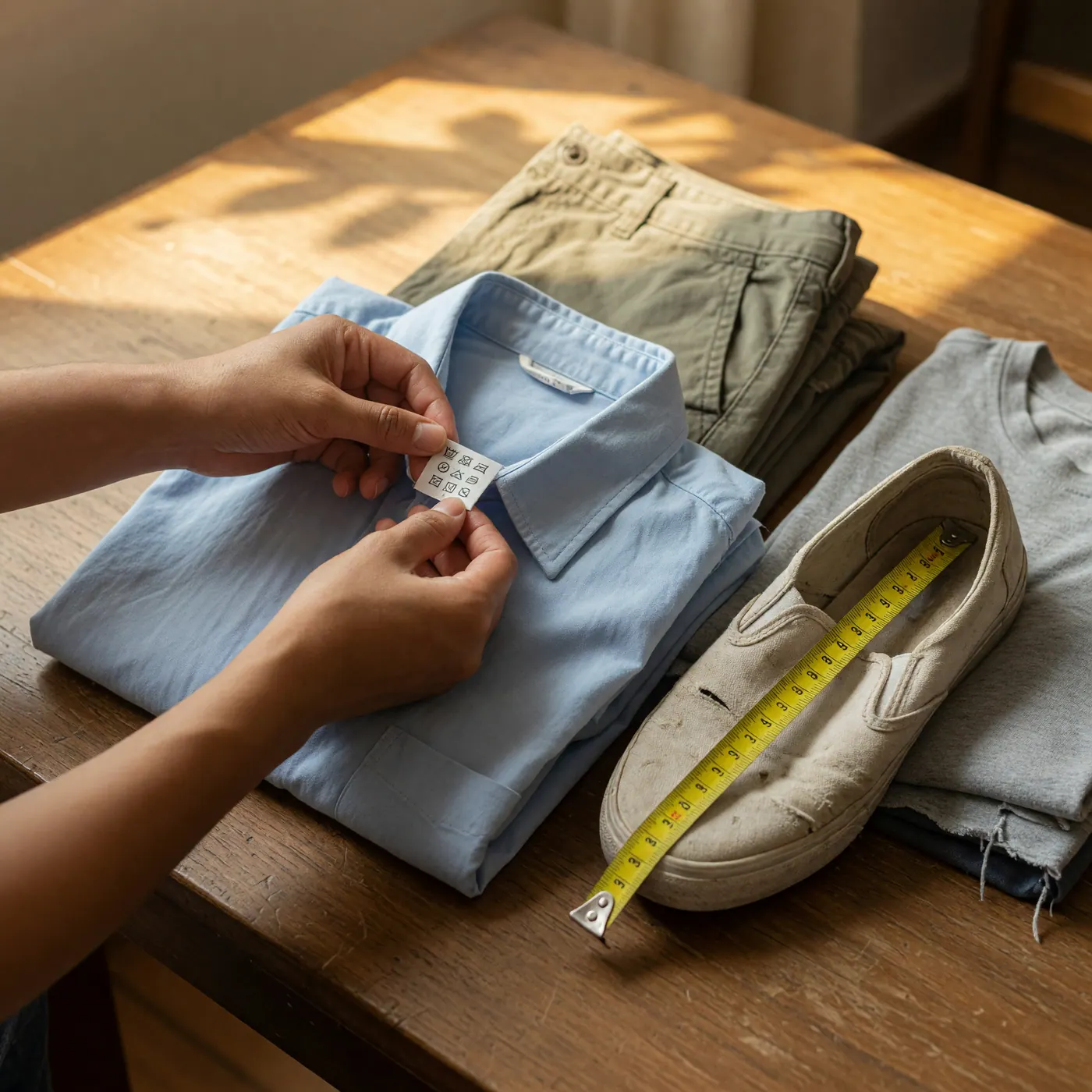
On condition, ask specifically about stains, pilling, loose seams, zippers and buttons, shoe soles, the inner lining, and any smell or past repairs. Photos in real daylight tell you more than a description ever will. It's the same inspect-the-item-not-the-promise logic that applies to buying used appliances here — a confident seller will happily send more photos; a vague one is a flag.
Pickup, shipping, and paying without drama
Lock down the logistics first: confirm the exact item, the neighborhood or city, who pays for delivery, when payment happens, and what you'll do if it shows up different from the photos. For local pickups, inspect the piece in person and pay once you're satisfied — not before. Colombia's industry-and-commerce regulator (the SIC) suggests confirming who you're actually buying from, the full item details, and what return terms apply for online purchases — a solid baseline even for casual deals.
Returns are the big asterisk. A store or platform with a stated policy may let you return or exchange; a private seller usually treats the sale as final, so ask what terms apply before you pay rather than after. If an item has to ship, lean on a store or platform checkout that spells out what happens when something's wrong, and treat any “pay me first by transfer” pressure the way you'd treat any other marketplace red flag.
A tight first message saves you the wasted trip. Send these three:
- Is it still available? Ask for talla/medidas in cm and photos of the etiqueta (tag).
- What's the estado (condition) — stains, desgaste (wear), seams, suela (sole)?
- Entrega or recogida — who pays shipping, and how is payment handled?
Frequently Asked Questions
❓ Where can I buy second-hand clothes in Colombia?
A few solid options: Colombia Move's clothing section, large marketplaces like Mercado Libre, specialized second-hand fashion stores, and informal channels like Facebook Marketplace and WhatsApp groups. Organized platforms give you more structure and trust signals; social channels have more selection but put more of the verifying on you.
❓ How much do used clothes and shoes cost in Colombia?
There's no fixed rate — what you pay swings widely with brand, condition, and the seller, so treat each listing on its own. Compare a few similar items before you commit, and remember a low number isn't a win if the fit or condition is wrong. When in doubt, ask the seller what they'd take and why.
❓ How do I check if used shoes will fit?
Ask for the insole length in centimeters and a clear photo of the brand tag, then compare against a shoe you already own. Colombian listings use CO/EU-style numbers that don't convert neatly to US sizes, and brands vary, so centimeters are far more reliable than the label number.
❓ Is it safe to buy from Facebook Marketplace or WhatsApp?
It can be, as long as you verify before you pay. These channels are informal and don't come with built-in buyer protection, so meet in a public place when possible, confirm you're dealing with the real account holder, inspect the item, and never feel rushed into transferring money first.
❓ Should I pay before pickup or delivery?
For local deals, inspect the item and pay once you're satisfied — not before. The exception is a trusted store or platform with a clear checkout and return flow for shipped items; in that case follow their process and confirm what happens if the piece arrives wrong.

Comments
Loading comments...
Checking sign-in status...