
Tatacoa Desert Colombia: Complete Travel Guide
Most tourists skip the Tatacoa Desert entirely on their way to more famous attractions. Here's why that's a mistake — and everything you need to plan the trip.
IDIOMA DEL ARTÍCULO
Showing original language
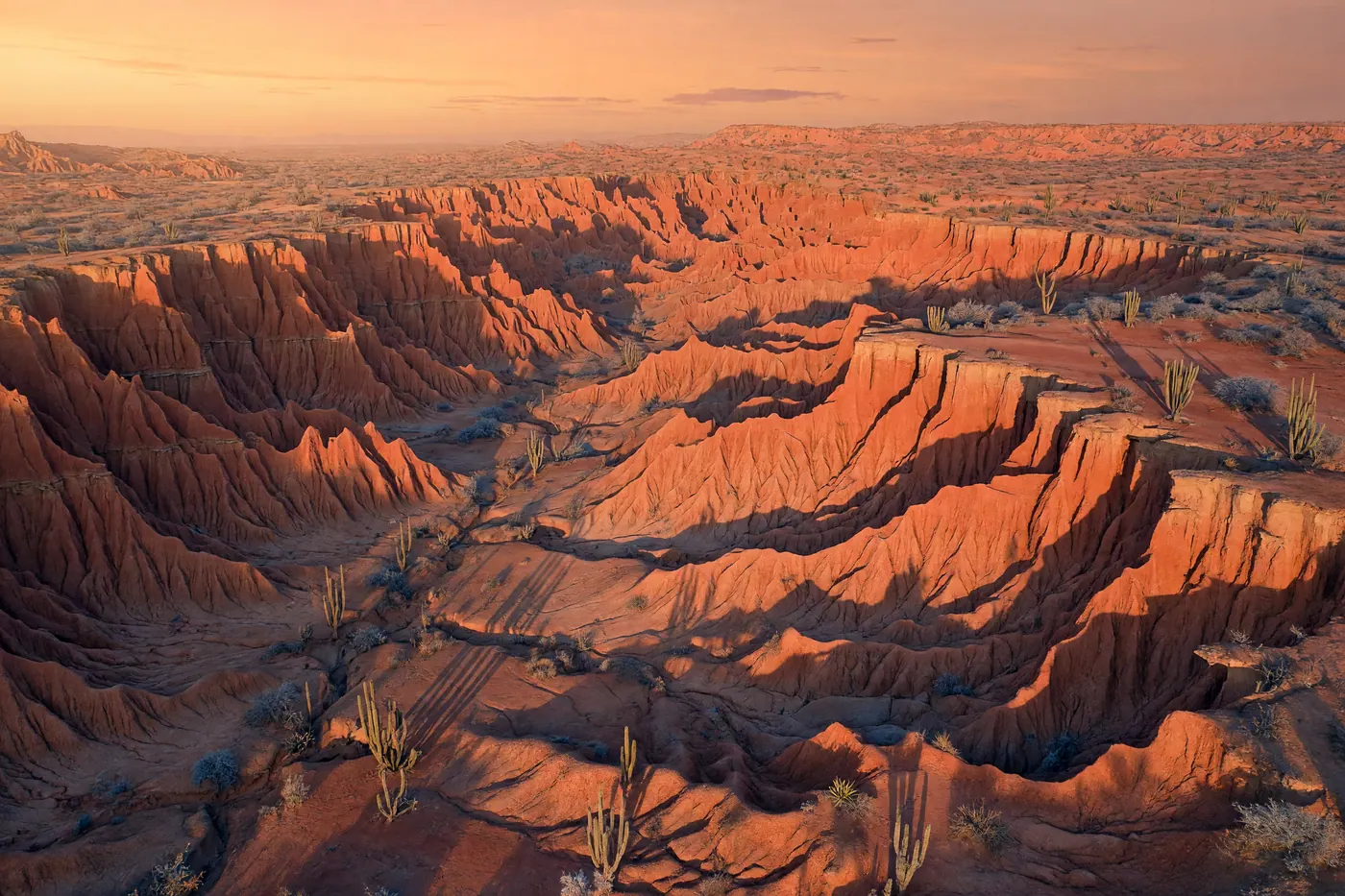
Arriving in Villavieja after 9 hours on a bus from Bogotá, what strikes you first is the heat. It hits as soon as you step off — not tropical humid, but dry and scorching, the kind that makes your throat feel immediately chalky. Then you look around and realize the green Colombia you've been living in has completely disappeared. Red dirt, columnar cacti, bleached rock formations carved by thousands of years of erosion. This is the Tatacoa Desert, a 330 km² stretch of Huila department that most tourists skip entirely on their way to more famous attractions.
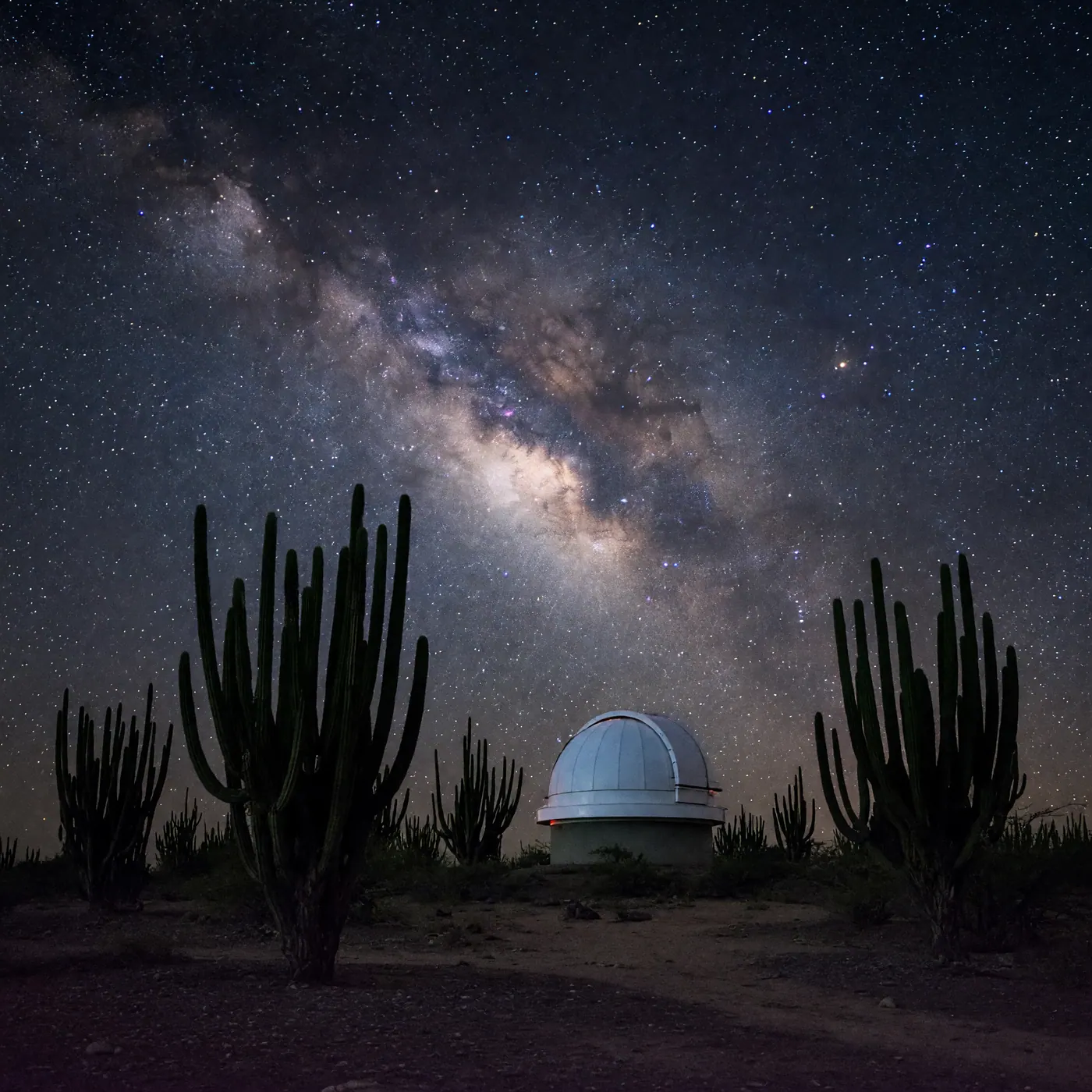
That's their mistake. Tatacoa isn't on the main backpacker circuit, and most expats don't discover it until someone mentions it offhandedly — usually after they've already been living in Colombia for a year or more. That relative obscurity is what makes it worth the trip. The landscapes are genuinely alien: rust-colored labyrinths of eroded cliffs, grey lunar plains dotted with drought-adapted plants, and at night, a sky so dark that the Milky Way is visible to the naked eye. The Tatacoa Observatory is one of the best places in Colombia to stargaze, and in a country full of superlatives, that's saying something.
Getting here requires some effort — not extreme effort, but you won't arrive by accident. Here's everything you need to know.
🌵 What to know before you go
- Tatacoa covers 330 km² of dry forest in Huila department — technically a xerophytic shrubland, but it looks like a desert
- Two zones: ochre-red La Tatacoa (the photogenic one) and grey-white El Cuzco (the moody one) — both are worth seeing
- Getting there: bus or fly Bogotá → Neiva, then colectivo or mototaxi to Villavieja (~45 min)
- Hottest months: July–August. The nights stay warm year-round; it never gets cold
- Budget: ~130,000–250,000 COP/day including accommodation, meals, and one activity; USD equivalents move with the daily TRM
What Tatacoa Desert Actually Is
Despite the name, Tatacoa isn't technically a desert by strict scientific classification — it receives around 750mm of rain per year, which puts it in the arid end of the spectrum but well short of the Atacama or Sahara. Colombia's early settlers called it "desierto" because it looks like one, and the name stuck. The landscape doesn't care about the taxonomy.
What makes it remarkable is the geology. Tatacoa is one of Colombia's most important paleontological sites — the dry conditions have preserved fossils dating back 10–14 million years. Crocodilians, turtles, primates, rodents, armadillos, giant sloths, and other Miocene fauna have all been documented in the La Venta/Tatacoa fossil record. You won't be digging yourself (that's reserved for researchers), but the Museo Paleontológico de Villavieja has a surprisingly good collection for a town of 7,000 people. Budget about 45 minutes; check the current local admission before you go.
The desert formed because it sits in a rain shadow between the Central and Eastern Andes cordilleras. Weather systems moving east lose their moisture before reaching the Tatacoa valley, leaving a dry pocket that contrasts sharply with the green sugarcane and rice fields you pass through on the road from Neiva.
How to Get There
From Bogotá
The most common route is a direct bus from the Terminal de Transportes del Sur in Bogotá to Neiva — roughly 6–7 hours, costing 60,000–90,000 COP ($15–22 USD). Expreso Bolivariano and Flota Magdalena both serve this route. From Neiva, take a colectivo or local bus to Villavieja — 45 minutes, around 8,000–12,000 COP. Mototaxis at the Neiva terminal will take you direct for 30,000–50,000 COP if you want the faster, slightly more chaotic option.
If you'd rather fly, Avianca and LATAM both serve Bogotá–Neiva. Flight prices move heavily by date and demand, so check live fares before budgeting. From Neiva airport, Villavieja is another 45 minutes south by road.
From Medellín
Flying is the practical choice — Medellín (Rionegro) to Neiva takes about an hour, but fares swing widely depending on route, season, and how far ahead you book. The bus via Bogotá is technically possible if you have a full day to sacrifice; I wouldn't recommend it.
Getting Around Villavieja
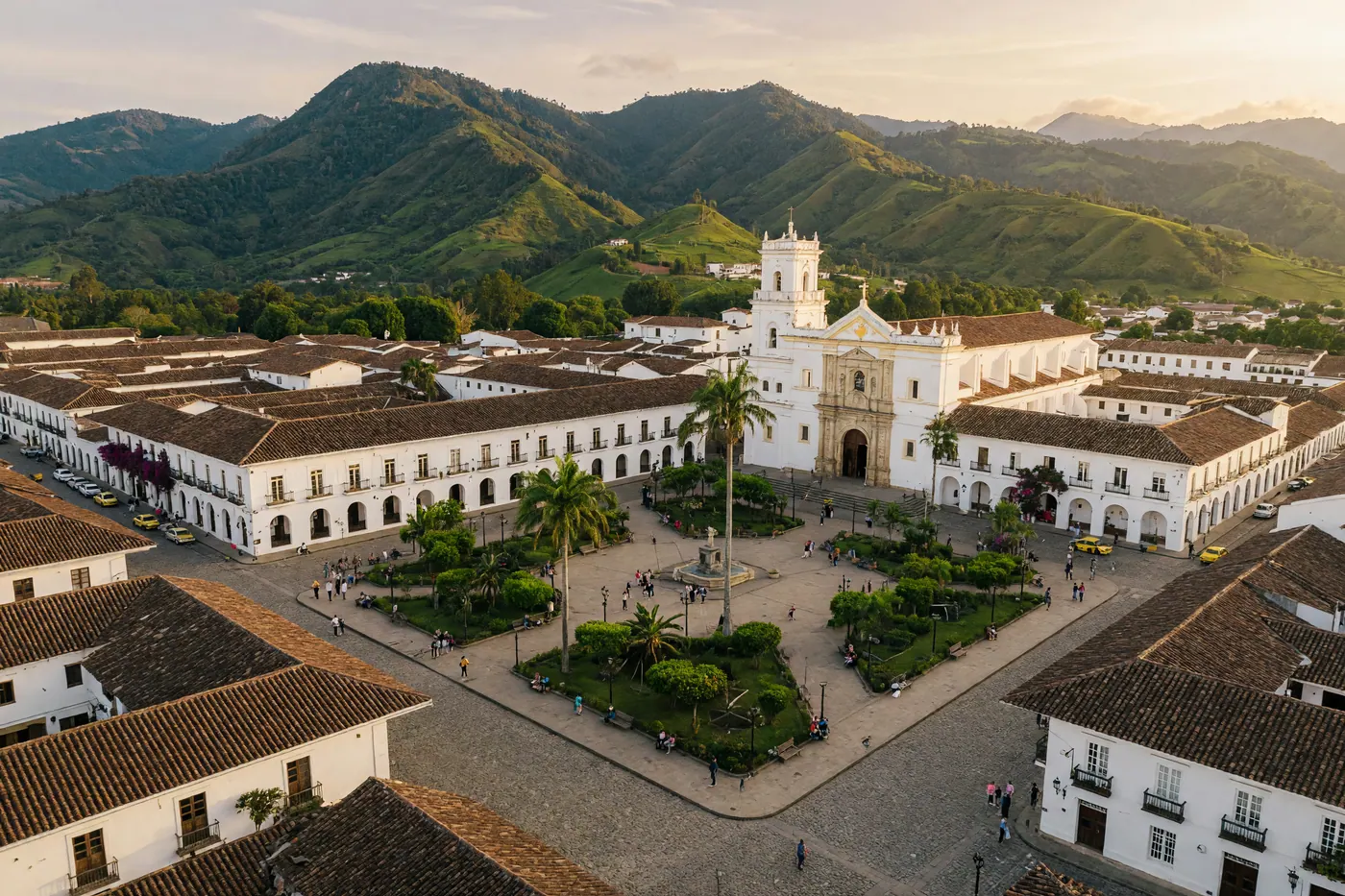
Villavieja is small — most accommodations are within a few blocks of the main plaza. From the plaza, you walk, bike, or ATV into the desert. The red Cuzco sector is a few kilometers from town, while Los Hoyos and the grey sector sit farther out, roughly 9-10 km from Villavieja. Most hostels rent bikes for 15,000–20,000 COP/day, which can cover both zones if you're comfortable with distance and heat.
The Two Zones Worth Seeing
The Ochre-Red Zone (La Tatacoa)
This is the one in every photograph — steep canyons of reddish-brown clay, formations that look like they belong in Arizona. The color comes from oxidized iron in the soil. At sunrise and sunset the whole landscape turns golden-orange, and if you're willing to set a 5:30am alarm, the light show delivers. The main walking circuit takes 2–3 hours at a comfortable pace.
Bring at least 3 liters of water. I cannot stress this enough. The heat in the red zone is intense even in the morning, and there's essentially zero shade. A wide-brim hat isn't optional.
The Grey Zone (Los Hoyos)
Los Hoyos gets fewer casual visitors than the red Cuzco sector and it's the better of the two for atmosphere. The grey-white moonscape is quieter, more alien, and in late afternoon light, genuinely eerie in the way good landscapes should be. It's about 9-10 km from Villavieja — most people ride a bike, hire a moto, or take an ATV tour.
The natural pool is in the Los Hoyos/grey-sector area, fed by groundwater in the middle of the dry landscape. After two hours hiking through grey dust in 35°C heat, that pool is the best thing you've experienced in weeks. Ask your accommodation or locals for current access details.
What to Do in Tatacoa
Stargazing at the Observatory
The Tatacoa Astronomical Observatory is the headline attraction and it earns it. The combination of altitude, dry air, minimal light pollution, and consistent clear skies creates conditions you won't find near any Colombian city. Sessions run after dark in two-hour blocks with telescopes pointed at planets, nebulae, and star clusters. Cost is commonly quoted around 30,000–50,000 COP per person, but confirm the current price before booking. Sessions fill on weekends.
The free version: walk 10 minutes from the Villavieja plaza lights, lie on your back, and look up. The Milky Way is genuinely visible without any equipment. This is one of those Colombia experiences that costs nothing and beats most things you'll pay for.
ATV and Bike Tours
Most hostels offer ATV rentals or guided circuits covering both zones — 60,000–120,000 COP per person for a 2–3 hour guided ride. ATVs are particularly good for covering both the red Cuzco sector and Los Hoyos without the full walk in the heat. Bikes are cheaper and honestly more satisfying if you're reasonably fit.
The Fossil Museum
The Museo Paleontológico de Villavieja gets skipped by most backpackers rushing toward photogenic activities — don't skip it. The collection is legitimately good, with skeletal casts of creatures that roamed this valley when it was a humid forest 10+ million years ago. About 45 minutes covers it well; check the current local admission before you go.
| Expense | Budget | Mid-Range |
|---|---|---|
| Accommodation (per night) | 35,000–60,000 COP | 90,000–150,000 COP |
| Meals (3×/day) | 25,000–40,000 COP | 50,000–80,000 COP |
| Observatory session | 30,000–50,000 COP | 30,000–50,000 COP |
| ATV tour | 60,000–120,000 COP | 60,000–120,000 COP |
| Fossil museum | small local fee | small local fee |
| Total/day estimate | ~130,000–200,000 COP | ~230,000–380,000 COP |
USD equivalents move daily; the official TRM on June 1, 2026 was COP 3,678.15 per USD.
Where to Stay in Villavieja
Accommodation in Villavieja is basic, affordable, and mostly run by local families. You're not here for the amenities — you're here for the sky and the rocks. Air conditioning matters more than everything else combined; the walls of cheaper rooms absorb heat all day and radiate it back after midnight, which makes sleep difficult in an already-warm climate. Prices range from 35,000 COP for a hammock or dorm to 150,000–200,000 COP for a private air-conditioned room.
Names that consistently come up: Tamasha Tatacoa, a few ecolodges on the edge of the red zone, and several unnamed family guesthouses near the main plaza. Book at least a day ahead on weekends and Colombian public holidays — the town genuinely fills up. One detail nobody warned me about: the roosters start around 4am. Not one rooster. Many roosters. Earplugs belong on your packing list.
When to Go and What to Pack
May through September is the driest and hottest period — ideal for stargazing and photography but brutal for midday hiking. I'd call a red-zone hike between 11am and 3pm in July genuinely unwise without serious preparation. October and November bring some rain, occasional flooding in the canyon paths, and temperatures that are slightly more merciful during the day. There's no "bad" season, but go in October knowing the paths may be slippery.
🎒 Tatacoa Packing Checklist
- Minimum 3 liters of water in a hydration pack — refill in Villavieja before heading out
- High-SPF sunscreen and a wide-brim hat — the sun here is relentless
- Headlamp for the observatory session and any pre-dawn hiking
- Closed-toe shoes — sandals catch in the clay on canyon paths
- Sunglasses — the white clay in Los Hoyos reflects enough to hurt your eyes
- Light layers for the observatory nights, which can drop to around 20°C
- Offline maps downloaded before arrival (Maps.me works well)
Connectivity and Practical Tips
Cell coverage in Villavieja is passable with Claro or Movistar — usable data but not reliable enough for video calls. In the desert itself, expect no signal. Download offline maps before you arrive. If you're traveling Colombia without a local SIM, a travel eSIM works well while you're figuring out a longer-term plan.
Travel insurance isn't overkill for Tatacoa. Heatstroke, dehydration, a twisted ankle on canyon rock, and the very real cost of emergency transport from a remote Huila town add up fast. The nearest decent hospital is in Neiva — about 45 minutes away. SafetyWing is the most popular option among long-term travelers and covers medical evacuation.
📖 Keep Reading
For more off-the-beaten-path destinations in Colombia, check out the guides to Santander and Chicamocha Canyon and La Guajira Desert — Colombia's other extreme landscapes.
Frequently Asked Questions
❓ Is Tatacoa Desert safe to visit?
Yes — it's a quiet rural destination without the security concerns of some urban areas. The risks here are environmental: dehydration, heatstroke, and getting disoriented in the canyon network. Tell someone which trail you're taking, bring more water than you think you need, and avoid solo hiking in the midday heat.
❓ How long do you need in Tatacoa?
Two nights, three days is the ideal amount of time. That covers one afternoon in La Tatacoa, one morning in Los Hoyos and the natural pool, a stop in the red Cuzco sector, an observatory session, and the fossil museum before heading out. One night is possible but rushed — you'll feel like you barely arrived.
❓ Can you visit Tatacoa from Bogotá as a day trip?
Technically yes. Practically, no. Bogotá to Neiva by bus is 6–7 hours each way. You'd spend more time on the road than in the desert. Stay overnight — it's a completely different experience once the crowds thin out and the sky goes dark.
❓ Do you need a guide in Tatacoa?
Not strictly. The red zone has reasonably marked paths and most people navigate it independently. Los Hoyos has fewer markers and it's easier to get briefly turned around. A local guide for the Los Hoyos/grey zone is often quoted around 40,000–80,000 COP for a half day and adds real value — they know where the photography spots and natural-pool access are.
❓ When is the best time to stargaze at Tatacoa?
June through September. The dry season means consistently clear nights, and the observatory runs more sessions to match demand. Weekday sessions are less crowded than weekends and generally easier to book on short notice.
🇨🇴 Planning a Colombia trip?
Ask the community your questions — other travelers and long-term expats are on hand to answer.
Visit the Community →

Comments
Loading comments...
Checking sign-in status...