
Guatapé, Colombia: Complete Travel Guide
Everything you need before visiting Guatapé: El Peñol, the colorful town, how to get there from Medellín, and what it actually costs.

IDIOMA DEL ARTÍCULO
Showing original language
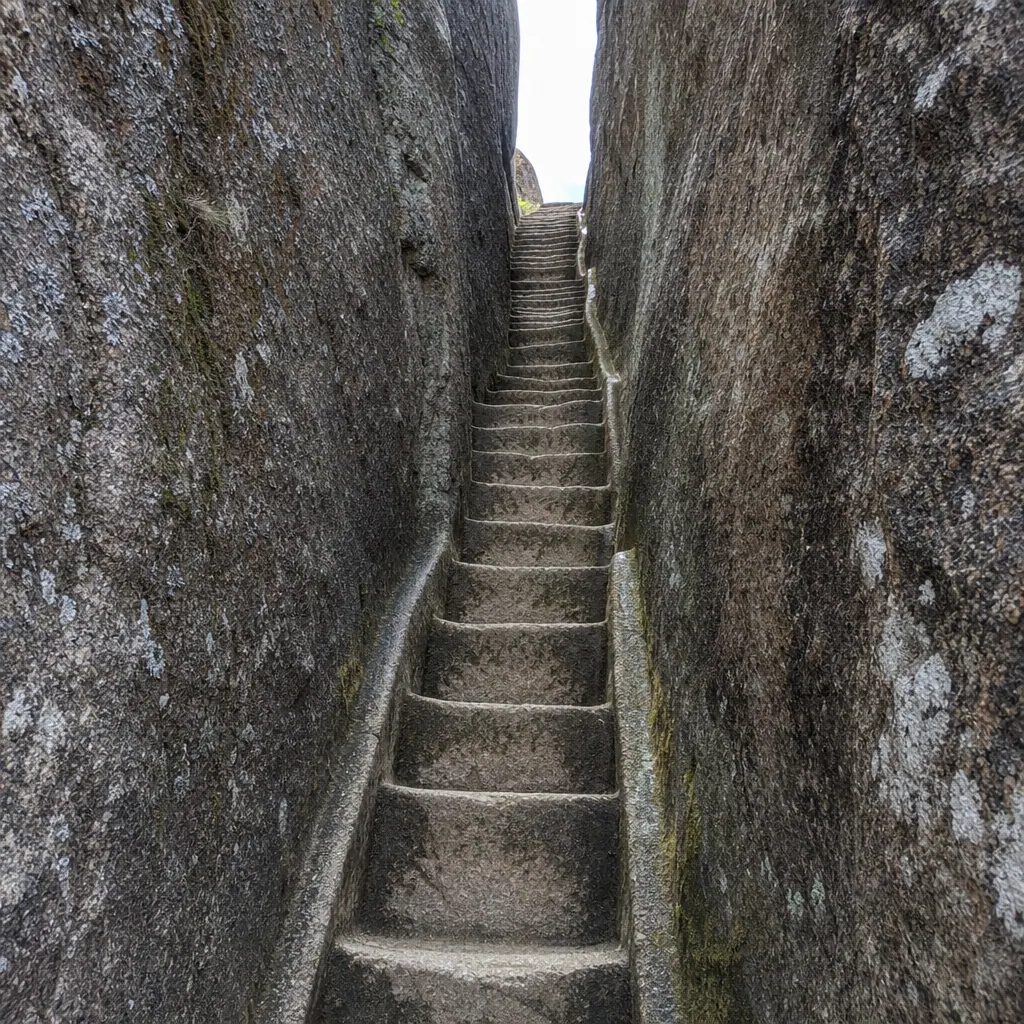
Sometime around the 500th step of El Peñol — sweating through my shirt, calves burning, gripping the handrail — I questioned every decision I’d made that morning. Then the view opened up at the top. A jigsaw of dark-green islands and slate-blue water stretched in every direction, the reservoir wrapping around the monolith like a flooded valley that swallowed half the mountains. It’s one of those rare views that actually justifies the hype.
Guatapé is a two-for-one destination about two hours east of Medellín. You get La Piedra del Peñol — a 220-meter freestanding granite monolith that you climb via 740 steps carved into a crack in the rock face — and the town of Guatapé itself, famous for the intricate painted bas-relief panels called zócalos that cover the lower walls of every building. Most visitors do both in a single day. That’s the right call.
One honest caveat: Guatapé on a Sunday in high season is genuinely overwhelming. The staircase becomes a single-file shuffle, restaurant prices spike, and the road back to Medellín backs up for hours. A Tuesday visit is a completely different — and far better — experience. If you have any flexibility, use it.
🗺️ What to Know Before You Go
- El Peñol entrance: COP $35,000 foreigners (~$8.50 USD); Colombians ~$25,000
- Getting there: Bus from Terminal del Norte, ~2 hours, COP ~$15,000 each way
- Best to avoid: Sunday afternoons, Semana Santa, any Colombian puente festivo
- Day trip or overnight? A day trip handles everything comfortably — stay overnight only for sunrise at the top or a calmer evening on the reservoir
- Water activities: Shared boat tours from COP $20,000; kayaks and SUP available on the malecón
How to Get from Medellín to Guatapé
By bus, head to Terminal del Norte in Medellín (Metro to Acevedo station, then a quick taxi or 10-minute walk to the terminal). Buses leave from around 5:30am with operators like Sotrauraba and Flota Macarena. The fare is about COP $15,000 (~$3.60 USD) each way and takes roughly 2 hours. One important detail: the bus stops first in El Peñol municipality before continuing 4km to Guatapé town. If you want to tackle the rock first — which I recommend, to beat the crowds — get off at El Peñol, visit the rock, then catch a mototaxi (COP ~$5,000) or walk to town afterward.
By car, it’s about 90km from central Medellín via the Autopista Medellín-Bogotá. Google Maps says 1.5 hours on a clear day — budget 2+ hours on weekends. Having your own car makes leaving early much easier and gives you flexibility on the return.
Organized tours from Medellín run $35–50 USD per person and typically include transport, El Peñol entrance, and sometimes a boat ride. Convenient if you hate logistics, but you pay a meaningful premium. The independent bus option is fine for anyone comfortable with basic navigation.
Last buses back to Medellín leave around 7pm. Don’t let a long lunch cut too close to that deadline.
Climbing El Peñol: What to Actually Expect
La Piedra del Peñol is a 220-meter tall granite monolith rising directly out of the reservoir shore. The only way up is 740 steps carved into a crack that runs from the base to near the summit. The climb takes 15–30 minutes depending on your pace and the crowd density.
Entry costs COP $35,000 (~$8.50 USD) for foreigners, around $25,000 for Colombians. Pay at the booth at the base — cash is easier, though some kiosks have card readers. There’s a small snack stall and two viewing decks at the top.
- Go early. By 10am on a weekend the staircase is a slow shuffle. At 8am you can move freely. This is the single most impactful thing you can control.
- Bring water. Vendors sell drinks at rest points and at the top, but at elevated prices. Pack a bottle.
- Wear proper shoes. Not sandals. The granite steps are smooth in sections and get slippery after rain.
- The view is the real thing. I’m skeptical of most overhyped Colombian tourist sites — this one earns it. The reservoir’s scale and the island panorama only make sense from up here.
Skip the zipline at the base — it lasts about 45 seconds and costs nearly as much as the entrance fee. Not worth it unless ziplines are specifically your thing.
Guatapé Town: More Than a Photo Stop
The town is small — you can walk it in 30 minutes — but the zócalos make it genuinely worth slowing down for. These painted bas-relief friezes cover the lower third of every building facade with a different design: fishing scenes, birds, flowers, ships, geometric patterns, local landscapes. The tradition is centuries old and enforced by municipal ordinance. Walking the back streets slowly is worth 45 minutes of anyone’s time.
The main tourist strip runs along the reservoir (the Malecón). The central plaza has the classic white church. I’d recommend spending more time on the quieter streets one block back — same visual interest, fewer people, lower food prices.
Where to Eat
Trout from the reservoir (trucha) is genuinely good here — order it at any antioqueño spot near the plaza, typically COP $30,000–50,000 per person for a full meal. Fruit vendors and juice stands along the market street are cheap and worth stopping at. The frustration: restaurants right on the Malecón have learned to price for tourists. Walk a block inland to the plastic-chair spots with laminated menus — same food, better value.
Things to Do on the Reservoir
The Embalse del Peñol-Guatapé was created in the 1970s when the valley was dammed for hydroelectric power, displacing around 25,000 people from the original town of El Peñol. During the dry season’s lowest water levels (typically January–February), the old church steeple emerges from the lake. Locals call it El Viejo Peñol. It’s eerie and worth looking for if you visit in those months.
- Shared boat tours: Small motorboats carry 8–15 people on a 45–90 minute loop around the reservoir islands. Cost: COP $20,000–35,000 per person. Depart from the malecón throughout the day.
- Private speedboats: Rent a full boat for groups. Around COP $100,000–150,000/hour.
- Kayaks and stand-up paddleboards: Available from rental stands near the waterfront. A good option if you want to set your own pace.
- Swimming: Possible at some spots, but water quality varies. Ask locals before jumping in — conditions change seasonally.
Seeing El Peñol from the water — after having climbed it — puts the full scale of the rock in perspective. Worth adding a boat ride if you have the extra hour.
For a Guatape day trip, I like having travel medical coverage sorted before I leave Medellín. SafetyWing's Nomad Insurance is the lightweight layer I check for Colombia side trips because it can be bought while already abroad, works across many countries, has 24/7 assistance, and can include travel benefits such as delayed travel or lost checked luggage alongside unexpected medical care. It is still worth reading the policy details yourself, but before I book buses, boats, and the El Peñol climb, I would check the current Nomad Insurance details through my SafetyWing link.
What to Budget for a Day Trip
| Item | COP | ~USD |
|---|---|---|
| Bus from Medellín (each way) | $15,000 | $3.60 |
| El Peñol entrance (foreigner) | $35,000 | $8.50 |
| Lunch (sit-down) | $30,000–50,000 | $7–12 |
| Shared boat tour | $20,000–35,000 | $5–8.50 |
| Snacks and drinks | $10,000–20,000 | $2.50–5 |
| Total day trip budget | ~$120,000–180,000 | ~$29–43 |
Overnight adds: hostel dorm COP $60,000–80,000/night, private guesthouse room COP $120,000–200,000.
Day Trip vs Staying Overnight
A day trip is the right call for most people. Leave Medellín by 7am, reach El Peñol by 9am, do the climb, tour the town, eat lunch, take a boat ride, and you’re back in Medellín by 6–7pm. That’s a full, comfortable day.
Stay overnight if you want to climb El Peñol at sunrise — genuinely spectacular, and you’ll have the top almost to yourself — or if you want to experience the town after the day-trippers leave (noticeably calmer, more authentic). Guesthouses are small and functional: budget dorms from COP $60,000–80,000/night, private rooms from COP $120,000. Don’t expect a social hostel scene; this is family-run accommodation territory.
Frequently Asked Questions
❓ How far is Guatapé from Medellín?
About 80km by road. The bus takes roughly 2 hours; driving takes 1.5 hours on a clear weekday, up to 2.5 hours in weekend traffic.
❓ How many steps is the climb up El Peñol?
Exactly 740 steps, carved into the rock crack from base to summit. Most people take 20–30 minutes to reach the top. The climb is steep but manageable for anyone with average fitness — there are rest points along the way with vendors.
❓ Is Guatapé worth a day trip from Medellín?
Yes, without much qualification. The view from El Peñol is one of the best in Colombia, and the combination of the monolith, the colorful town, and the reservoir makes for a varied and genuinely memorable day. The only case where it’s less enjoyable: visiting on a Colombian holiday weekend when the road and staircase are at full capacity.
❓ What’s the difference between Guatapé and El Peñol?
El Peñol is the municipality (county) that contains the rock (La Piedra del Peñol). Guatapé is a separate but nearby town about 4km away, known for its colorful zócalos and lakeside character. Most visitors see both in one trip. Buses from Medellín stop at El Peñol municipality first, then continue to Guatapé town.
❓ Is Guatapé safe for tourists?
Yes. Guatapé is heavily visited by Colombian families and well-patrolled during busy periods. The main risk on crowded staircase days is pickpocketing — keep your phone pocketed and don’t leave a bag unattended. Nothing more serious than that.


Comments
Loading comments...
Checking sign-in status...