
Colombia Real Estate Investment: A Practical Guide for Foreign Buyers
The legal part is straightforward. The due diligence and ongoing math are what most foreign investors skip — here's the honest version of what investing in Colombian real estate actually looks like.

IDIOMA DEL ARTÍCULO
Showing original language
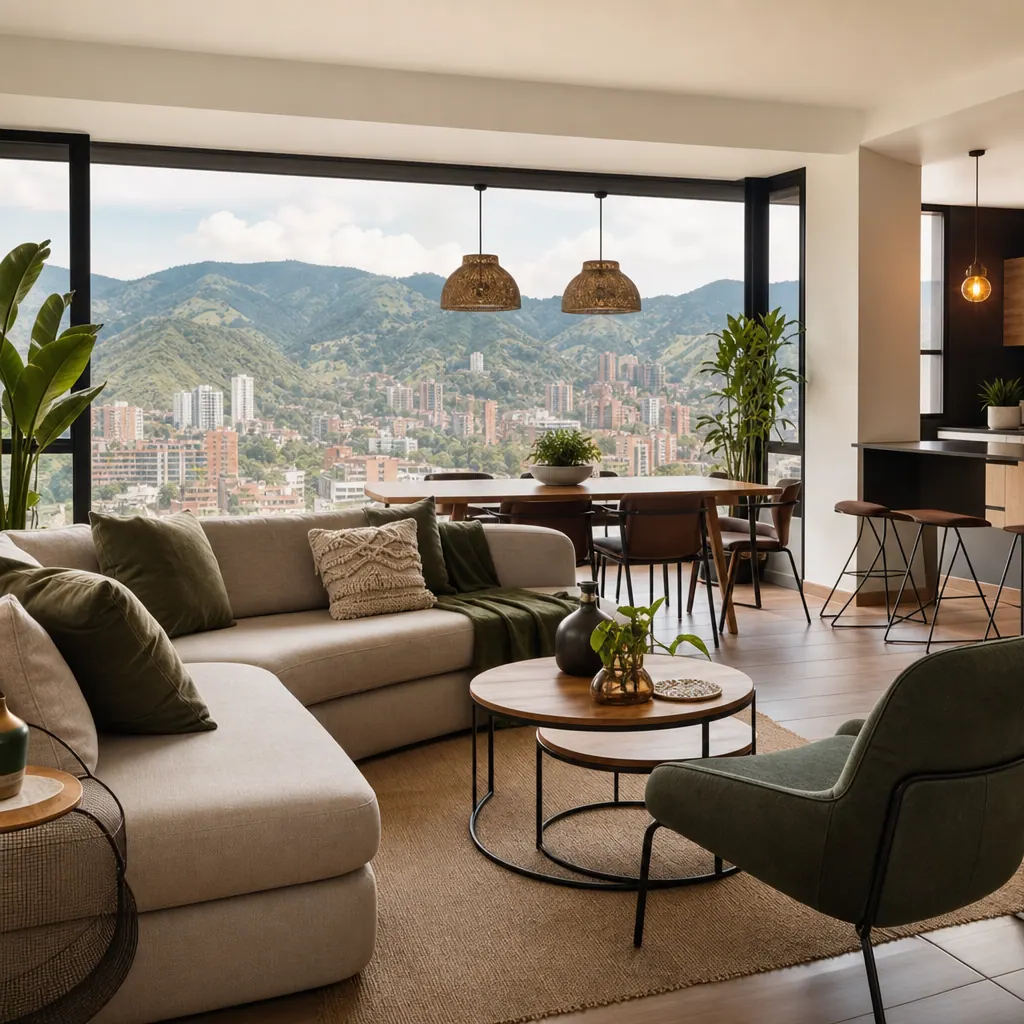
A friend of mine bought a two-bedroom apartment in Laureles in 2019 for about $68,000 USD. She was still on a tourist visa at the time, wire-transferred the funds from her US bank, and had a notary handle everything. Today the place rents for COP 2,200,000 per month — about $540 USD — almost entirely through word-of-mouth among expats. After administration fees and her property manager's 12% cut, she clears around $420 a month while living in Lisbon. Not retirement money, but a real quarterly check from an asset that's also appreciated.
Colombia has attracted genuine interest from foreign real estate investors for about a decade, and the math is still compelling in certain neighborhoods. Prices are denominated in pesos, which have depreciated significantly against the dollar since 2020 — meaning USD buyers get more square meters per dollar than they did five years ago. Rental demand in expat-heavy neighborhoods is real. And the legal framework is clean: foreigners have identical property rights to Colombians, with no extra taxes, no quotas, and no residency requirements. If you want to see real-world options right now, you can browse apartments and houses on Colombia Move — posting is completely free.
That said, this isn't a passive income machine you set up from a laptop. Gross yields of 5–8% look attractive; net yields after taxes, maintenance, management fees, and occasional vacancy tend to land in the 3.5–5.5% range. The difference between a good investment and a headache usually comes down to due diligence done before you wire the money — not after.
🏘️ What to Know First
- Foreigners have identical property rights to Colombians — no visa required to buy
- Typical gross rental yields: 5–8% in Medellín, 4–6% in Bogotá, 3–5% in Cartagena beach zones
- Best entry points: 1-bed apartments in Laureles/Envigado ($55K–$90K USD), furnished studios in El Poblado ($70K–$130K)
- Rental income is taxed as Colombian-source income — declare it if you're a tax resident
- Budget 3–5% of purchase price in closing costs beyond the sticker price
- Register your foreign investment with Banco de la República at closing — skipping this complicates repatriation later
The Legal Framework: Foreigners Have the Same Rights as Colombians
Colombia's constitution (Article 100) explicitly grants foreign nationals the same civil rights as citizens when it comes to property ownership. You can buy with a passport, no visa or residency required. A tourist can legally purchase a COP 500 million apartment and immediately rent it out.
Foreign investment in real estate is formally registered with Banco de la República as capital investment — your notary or local attorney handles this paperwork at closing. This registration is non-negotiable: it's the legal mechanism that allows you to repatriate the sale proceeds when you eventually sell. Skip it and you'll have a property you can rent but struggle to cash out of.
For the currency transfer itself, Charles Schwab is a common choice among US-based buyers for fee-free international wires, while ARQ Finance specializes in Colombian peso transactions for expats. Both let you convert near mid-market rates, which matters on a $70,000+ transfer.
Where the Real Rental Yields Are by City
Not every city or neighborhood produces the same returns. Here's what the data actually shows:
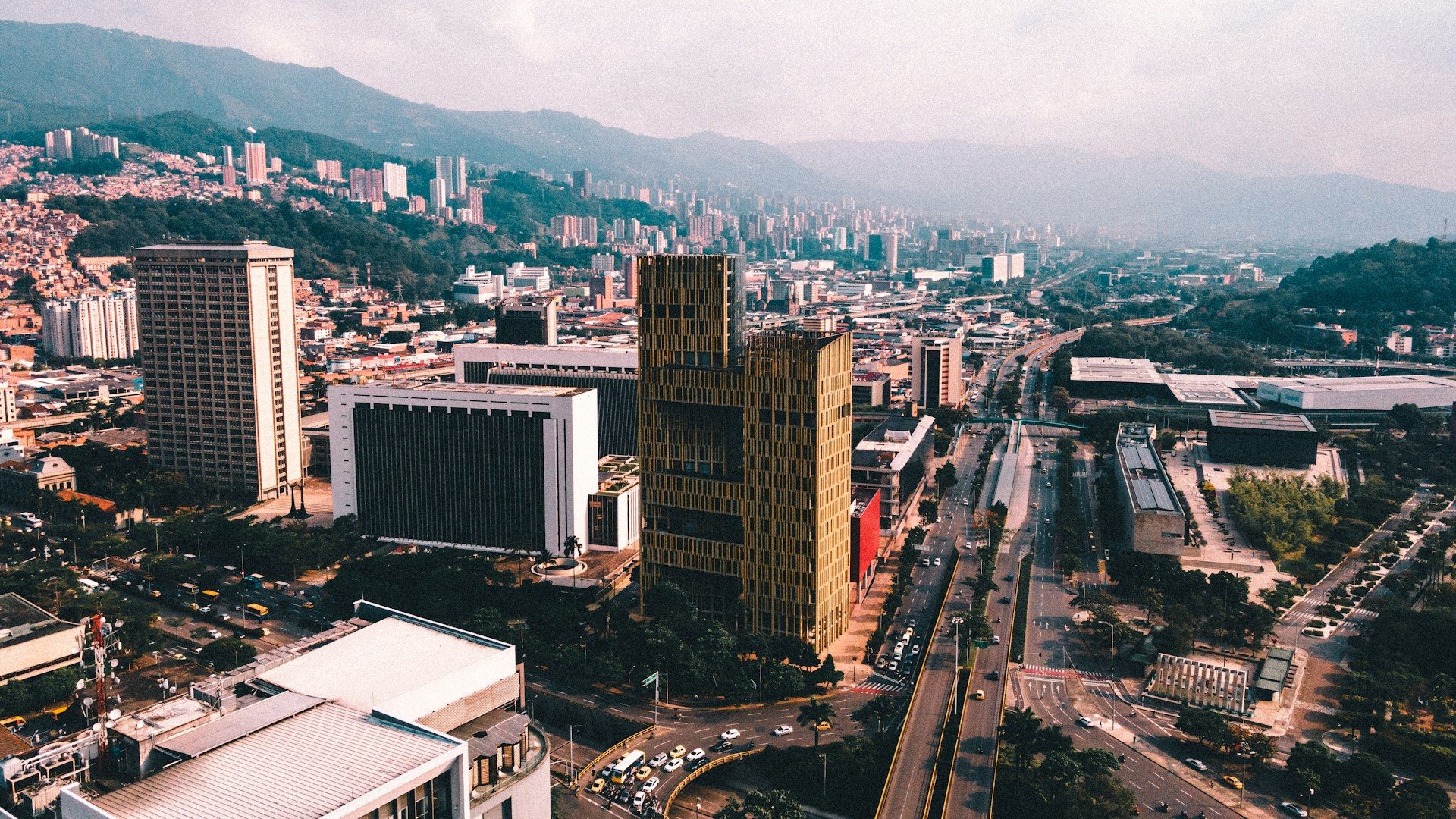
Medellín — The strongest case for rental yields. The expat and digital nomad market is large, long-term rental demand is genuine, and property prices haven't reached Bogotá levels yet. Long-term furnished rentals in Laureles, Envigado, and Sabaneta consistently deliver 5–7% gross. Furnished studios in El Poblado targeting short-term rental can hit 7–9% gross — but competition is high and it requires active management.
Bogotá — Better for capital appreciation than rental yield. Property in Chapinero, Usaquén, and Chico is expensive relative to rents; gross long-term yields typically run 4–6%. The tenant base is strong (professionals, students, embassies), but the city is harder to manage remotely — cold climate means more maintenance issues.
Cartagena — Tourist-market math, which means lumpy income. Bocagrande apartments targeting short-term rental can yield 6–10% gross in high season, but occupancy drops sharply from June through October. Older buildings carry real maintenance costs from salt air. Honest take: Cartagena makes sense if you'll use the property yourself and consider rental income a bonus.
Cali — The cheapest entry point in any major Colombian city. Yields can look attractive, but the expat rental market is thin. Strong for local long-term tenants at COP prices, but if your target tenant is an international renter, Cali is harder to fill than Medellín.
The Numbers: What a Typical Investment Actually Looks Like
| Item | Amount (USD) |
|---|---|
| Purchase price (2-bed Laureles) | $75,000 |
| Closing costs (~4%) | $3,000 |
| Optional renovation/furnishing | $5,000–$10,000 |
| Monthly long-term rent income | $450–$550 |
| Administration fee (monthly) | $40–$70 |
| Property manager (10–15% of rent) | $50–$80 |
| Net monthly income | ~$340–$430 |
| Gross yield | ~6.5% |
| Net yield (after mgmt fees) | ~5.4% |
That's before Colombian income tax on the rental income. The short-term Airbnb version of the same apartment might generate $800–$1,200 USD/month in gross bookings at reasonable 60–70% occupancy — but subtract a 20–25% co-host fee, higher cleaning and turnover costs, and the math lands closer to the long-term scenario, with more active management required.
Want to understand how those administration fees stack up by neighborhood? The real cost of renting in Medellín guide breaks down every line item a landlord (and tenant) faces.
Short-Term vs Long-Term Rental: Which Makes More Sense?
The decision almost always comes down to one question: are you managing this from abroad full-time, or do you want a hands-off asset?
Long-term rentals (12-month contracts) are lower-maintenance. A reliable tenant handles small issues themselves, building administration fees are typically lower, and a basic property manager handles rent collection and emergencies for 10–12% of rent. The downside: Colombia's tenant protection laws are heavily tenant-friendly. Evicting a non-paying tenant can take 3–6 months through the formal legal process even with a strong case. Requiring a poliza de arrendamiento (rental insurance) at signing shifts most of this risk to an insurer — make it a non-negotiable condition.
Short-term rentals yield more per night and keep you in control of the calendar. But they need active management — professional photos, dynamic pricing, constant guest communication, and reliable cleaning between checkouts. If you're not local, you need a trustworthy Airbnb co-host or management company, which typically takes 20–25% of revenue. You'll also deal with periodic wear and tear that doesn't come with a long-term tenant.
My honest recommendation for first-time foreign investors: start with a long-term furnished rental. Less upside ceiling but far more manageable from abroad. The Airbnb hosting guide for Colombia is a good read if you do go the short-term route — it covers the Medellín and Cartagena specific rules and what to expect.
Colombian Taxes on Your Investment Property
This is the section most foreign investors skim, then regret. Four taxes matter:
Rental income tax: If you're a Colombian tax resident (183+ days in the country in a given year), rental income is part of your ordinary income and taxed at marginal rates up to 39%. If you're not a tax resident, Colombian-source income is technically taxable but enforcement for non-residents with a professional property manager is inconsistent. The cautious path: file a simplified declaration and pay what's owed.
Predial (property tax): Paid annually to the municipality. In Medellín, expect COP 500,000–1,500,000/year (~$120–$370 USD) for a mid-range apartment. It's the owner's obligation — include it in your annual cost model.
Capital gains tax: When you sell, gains on property held under two years are taxed as ordinary income (up to 39%). Property held more than two years may qualify for the 10% ganancia ocasional rate — a massive difference. Timing your exit by at least 24 months from purchase makes real financial sense if you're buying as an investment.
Wealth tax (impuesto al patrimonio): Applies if your global net worth exceeds approximately $720,000 USD equivalent as of January 1 each year. Colombian property counts toward this threshold. Most single-property investors won't be affected, but it's worth knowing before you're in it.
📖 Keep Reading
Colombia's property tax system has changed significantly with the 2024–2026 cadastral reform. Many owners are seeing their predial bills jump 20–40%.
→ Colombia Cadastral Reform: What Property Owners Need to KnowManaging Your Property from Abroad
The property management ecosystem is solid in Medellín and Bogotá; it's thinner in smaller cities. For long-term rentals, reputable management companies charge 10–12% of monthly rent for tenant screening, rent collection, and basic maintenance coordination. For Airbnb, co-hosting companies charge 20–25% of gross revenue.
Get referrals from other foreign investors — the Medellín expat Facebook groups (Expats in Medellin, Medellin Expats, Living in Medellin) are good starting points. Vet your manager during an in-person visit if at all possible. The horror stories about remote investors involve managers who disappeared or stopped paying rent over to owners — they're usually managers someone hired without references.
For receiving rent in COP and repatriating it as USD, set up a Colombian bank account (Bancolombia works for most non-residents who own property) and use a legal currency exchange like ARQ Finance or Remitly to convert and wire funds abroad at near-market rates. This keeps everything clean for Banco de la República registration.
If you're traveling to Colombia to inspect properties, make sure you have travel health coverage in place before you fly. SafetyWing covers medical emergencies abroad from $45/month and is widely used by the foreign investor community making property scouting trips.
Common Mistakes Foreign Investors Make
⚠️ Common Mistakes Foreign Investors Make
- 🚫 Skipping the title study — a notary fee is cheaper than a lien dispute that takes 3 years to resolve
- 🚫 Confusing gross and net Airbnb yields — management fees, vacancy, and cleaning costs consume 25–35% of gross bookings
- 🚫 Ignoring the wealth tax threshold — if you have broader assets, verify where Colombian property puts you before buying
- 🚫 Buying pre-construction on the first trip — developer discounts are real; so are 18-month delivery delays
- ✅ Use a bilingual attorney for the first purchase — the $500–$1,000 fee is the cheapest insurance you'll buy
🏠 Browse Investment Properties on Colombia Move
Hundreds of apartments, houses, and fincas for sale directly from owners and agents — no commission to the platform, free to browse. Use the map view to compare neighborhoods visually.
Browse Properties →Frequently Asked Questions
❓ Can I get a Colombian mortgage as a foreign investor?
In theory yes — Bancolombia and Davivienda both offer mortgages to non-residents. In practice, most foreign investors find the requirements (Colombian income documentation, local credit history, proof of funds in Colombia) make bank financing very difficult unless they're already employed legally in Colombia. The practical alternative: finance at home and invest cash in Colombia. A home equity line or portfolio loan on US assets often makes more financial sense than navigating a Colombian mortgage as a foreigner.
❓ Do I need to visit Colombia in person to buy?
You can grant power of attorney (poder) to a trusted local attorney or bilingual real estate lawyer to execute the purchase on your behalf. Many foreign investors do a two-week scouting trip: visit properties, sign the promesa de compraventa (purchase agreement), then execute the full escritura via poder later. Don't skip the scouting trip entirely — photos don't tell you about the noise level, the building's actual condition, or the neighborhood's feel at 10pm. Browse current listings on Colombia Move to shortlist before you book flights.
❓ Is Colombian rental income taxable in my home country?
Almost certainly yes — most countries tax worldwide income, including foreign rental income. US citizens must report it on Schedule E of their federal return, and it may also be subject to FBAR or FATCA disclosure if held through a Colombian bank account over $10,000 USD. How it interacts with Colombian tax paid depends on your country's specific tax treaty with Colombia (the US-Colombia tax treaty is limited). Consult a tax professional in both countries. Don't let this scare you off — it's manageable, just requires proper accounting.
❓ What if my tenant stops paying rent?
Colombian landlord-tenant law is tenant-protective. The formal eviction process (proceso de restitución de inmueble arrendado) typically takes 3–6 months even with a strong case and documentation. The best defense is a poliza de arrendamiento — rental insurance sold by Colombian insurers that covers unpaid rent during the eviction period. Require it from every tenant. Cost is typically 50–80% of one month's rent, paid by the tenant, and it's worth every peso.
❓ Does the peso's weakness make this a good or bad time to buy?
It depends on your timeline. The peso has depreciated roughly 30–40% against the dollar since 2020, which means USD buyers are getting more apartment per dollar than Colombian buyers. If the peso strengthens over your holding period, your return in USD looks even better when you sell. If it weakens further, you're exposed. Most experienced investors treat the currency angle as a potential tailwind, not the primary investment thesis — the thesis should stand on rental yield and capital appreciation in COP terms first.



Comments
Loading comments...
Checking sign-in status...