
Things to Do in Bogotá: A Practical Guide for First-Timers
Bogotá surprises everyone who comes here. World-class museums, colonial streets, a wild Sunday cycling culture, and an underrated food scene. Here's how to spend your time well.
IDIOMA DEL ARTÍCULO
Showing original language
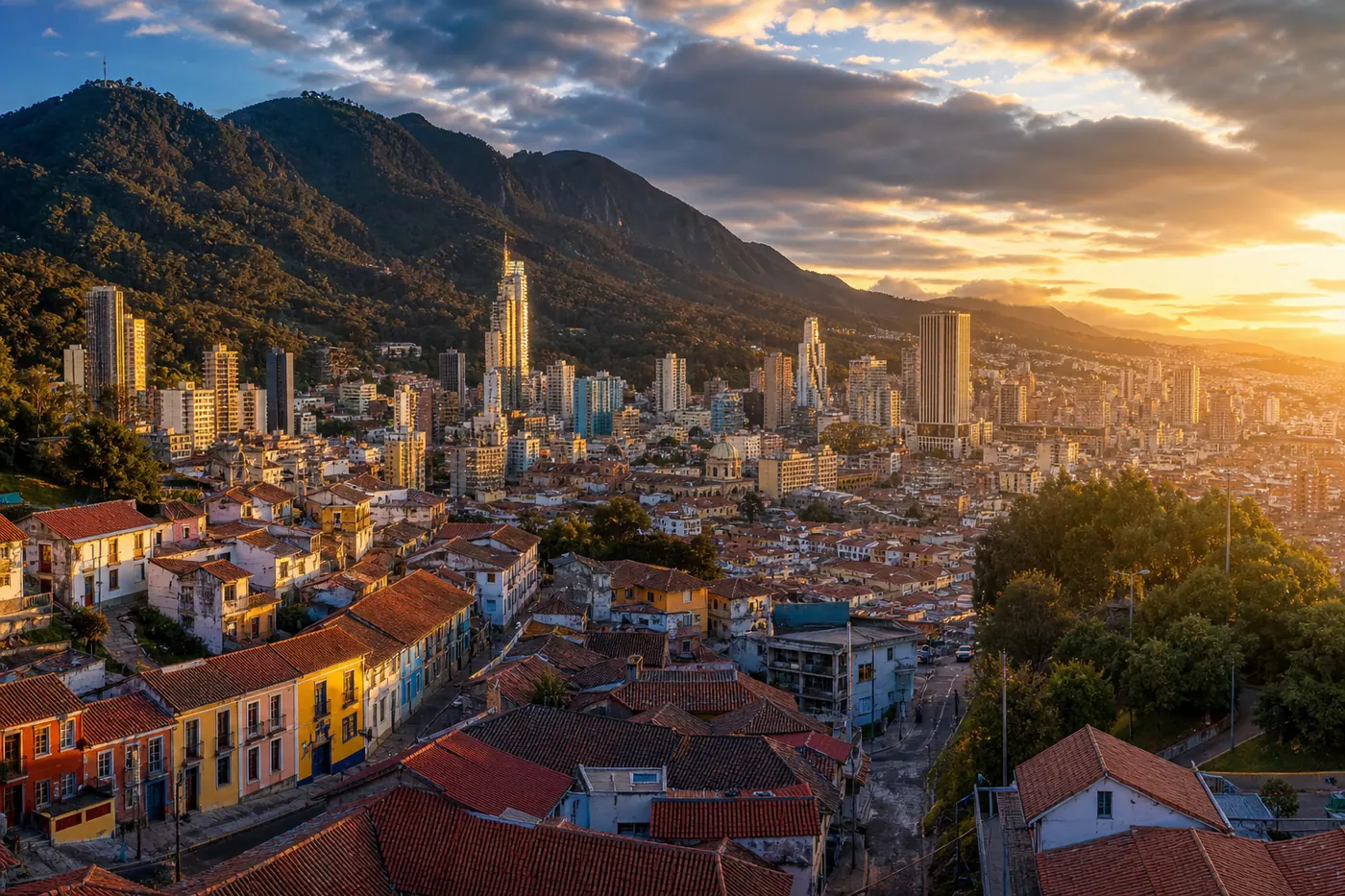
Bogotá surprises most people who come here. The city's reputation — grey, traffic-choked, altitude-dizzy — doesn't prepare you for what you actually find: world-class museums, a colonial old town that rivals anything in the Americas, one of the best Sunday cycling cultures on the planet, and a food scene that's been quietly getting better for a decade. Most people budget two days for the capital and then wish they'd given it four.
Whether you're passing through on your way to Medellín or Cartagena, doing a longer Colombia trip, or thinking about living here — Bogotá rewards effort. Here's how to spend your time well.
Quick Answer: What to Do in Bogotá
- Don't miss: Gold Museum, Monserrate, La Candelaria walk, Sunday ciclovía, Paloquemao market
- Best neighborhoods to explore: La Candelaria (history), Usaquén (cafés + market), Zona Rosa/Chapinero (food + nightlife)
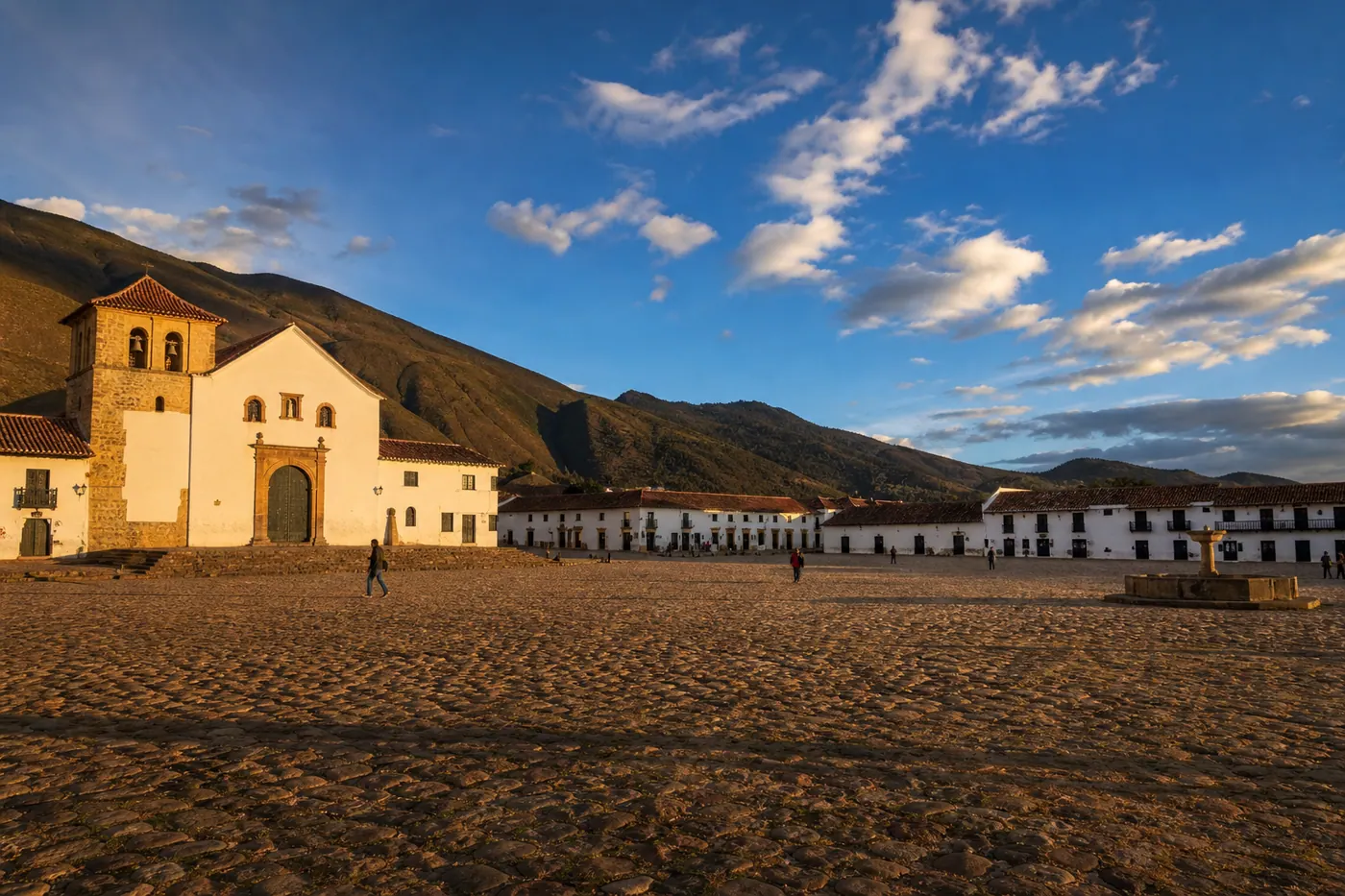
- Day trips: Salt Cathedral (Zipaquirá, 45 min), Laguna de Guatavita (1.5 hr), Villa de Leyva (3.5 hr)
- Getting around: Uber or InDrive — reliable, cheap; TransMilenio for longer routes
- Altitude: 2,600m above sea level — take it easy the first day if you're coming from sea level
La Candelaria: The Historic Heart
La Candelaria is where Bogotá began in 1538 and it's still the most concentrated area of things worth seeing. You can walk most of it in half a day, though the Gold Museum alone deserves a solid two hours.
Start at Plaza Bolívar — the main square where the Cathedral, the Palacio de Justicia, and the Congress building all face each other. It's architecturally imperfect and politically charged and completely alive. From there, walk the surrounding streets: Calle 10 and Carrera 3 have the densest concentration of colonial architecture, street art, and the occasional vendor selling arepas con todo for COP 2,000.
Chorro de Quevedo is a small square at the tip of La Candelaria where, according to somewhat contested history, Bogotá was actually founded. It's surrounded by bars and has a permanent market of handcraft vendors. Good spot for a tinto and a people-watching break. Be aware that La Candelaria has petty crime — keep your phone in your pocket and don't flash expensive cameras at strangers.
The Gold Museum (Museo del Oro)
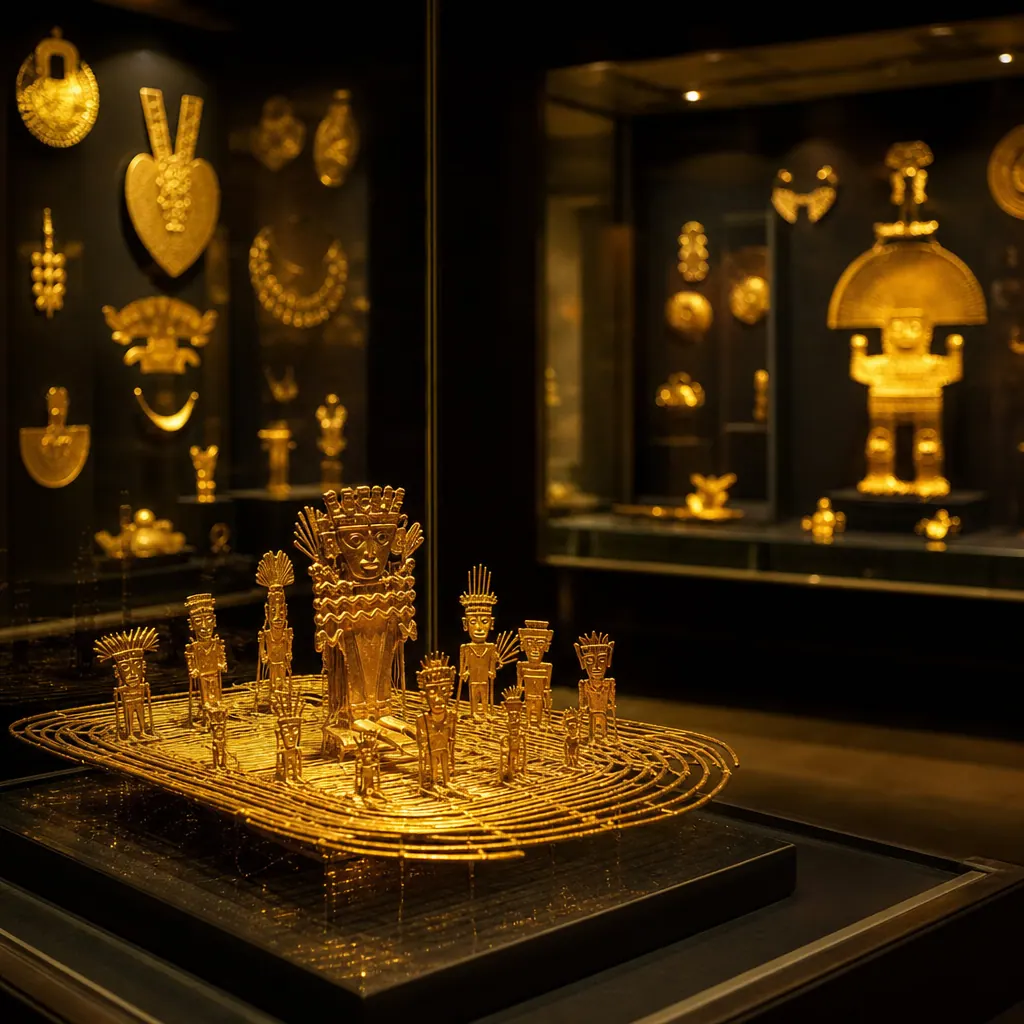
If you see one thing in Bogotá, make it the Gold Museum. It's one of the top five museums in all of South America, and unlike the continent's major art museums, it's genuinely difficult to find a reason not to be moved by what's inside. Over 55,000 pre-Columbian gold pieces from the Muisca, Calima, Nariño, and a dozen other cultures are displayed with lighting and curation that feels theatrical in the best way.
The top-floor room — a dark circular chamber where gold figures hang in the air and the lights slowly rise as recorded voices explain the El Dorado ceremony — is genuinely one of the most affecting museum experiences in Latin America. Plan 90–120 minutes. Entry for foreigners runs COP 4,000–5,000; it's free on Sundays. Closed Mondays. The museum is in La Candelaria on Calle 16 with Carrera 5.
Monserrate: Bogotá from Above
Monserrate is the white church you can see from almost anywhere in Bogotá — a hilltop pilgrimage site at 3,152m above sea level, roughly 500m above the city. Getting up there is half the experience. You can take the cable car or the funicular (both ticketed, around COP 30,000–35,000 round trip for foreigners), or hike the 1,500-step trail up for free on weekends. The hike takes 45–90 minutes depending on your pace and altitude acclimatization. At the top: the church, a couple of restaurants with wild views of the city, and on clear days you can see the whole Bogotá savannah stretching south.
The hike is free but be careful: the trail has been the site of robberies in the past, especially early morning when it's less crowded. Weekends are far safer than weekdays. Don't go alone early in the morning. The cable car/funicular side is always busy and considered safe.
Sunday Ciclovía: The Best Free Thing in Bogotá
Every Sunday (and on public holidays) from 7am to 2pm, Bogotá closes over 120km of its main roads to car traffic. They become a linear park — cyclists, rollerbladers, runners, families, dogs, street food vendors — everything except cars. This is the ciclovía, and it's been running since 1974. It inspired similar programs in dozens of cities worldwide.
If you're in Bogotá on a Sunday, don't miss it. Rent a bike from one of the rental stations along the route (around COP 8,000–15,000/hour) or just walk and join the flow. The main arteries run through Chapinero, Zona Rosa, and Usaquén — you can join the ciclovía anywhere. It's a deeply Bogotano experience and one of the things the city genuinely does better than anywhere else.
Usaquén: Saturday Market and Village Calm
Usaquén is the upscale northern neighborhood that feels like a separate village absorbed by the city — cobblestone streets, a central plaza, colonial-era church, and a permanent Saturday flea market that sprawls through the surrounding blocks. The market mixes genuine antiques with handcrafts and tourist stuff; the trick is getting there early (before 11am) before it gets crowded. The surrounding streets have some of the best restaurants in Bogotá.
For nightlife and restaurants: the Zona Rosa / Zona G area in Chapinero is Bogotá's version of El Poblado — concentrated, walkable, with a wide range of price points. The G is specifically for food (gastronomy), with several internationally recognized Colombian restaurants. Parque 93 in Chicó is another concentrated dining and bar strip. If you're in Bogotá for more than three days, ask a local where they actually go — the best spots change faster than any blog can keep up with.
Paloquemao Market: Bogotá at Full Volume
Paloquemao is the famous wholesale flower and produce market in central-western Bogotá. The flower section is the reason most tourists come — massive stalls piled floor-to-ceiling with tropical flowers at prices that make you want to take back a suitcase of orchids (people do). But the produce section is equally worth seeing: hundreds of stalls with fruit, vegetables, herbs, and food stalls running the whole spectrum of Colombian regional cooking. Best on weekday mornings; gets very busy on weekends. Not a tourist market — it's a real working market. Keep an eye on your pockets and embrace the chaos.
What to Eat in Bogotá
The one dish to eat in Bogotá is ajiaco bogotano — a thick soup of three varieties of potato (papa pastusa, papa criolla, and papa ibañez) with chicken, guascas herb, and corn, served with cream and capers on the side. It's not a tourist food; it's the soup that everyone in Bogotá eats. Any traditional restaurant in La Candelaria or Chapinero will have it for COP 15,000–25,000. Do not leave without trying it.
For street food: obleas (thin wafer sandwiches filled with arequipe, cream, jam — COP 2,000–5,000) are everywhere and excellent. Empanadas de pipián (pumpkin seed filling) are a Bogotá regional specialty. For a full meal, a corrientazo (set lunch — rice, beans, meat, soup, juice) runs COP 12,000–18,000 at any of hundreds of working-class restaurants outside the tourist areas. Much cheaper than most places tourists end up.
Keep Reading
Best Day Trips from Bogotá — Salt Cathedral, Laguna de Guatavita, Villa de Leyva, and more escapes worth the drive.
Getting Around Bogotá
Bogotá's traffic is famously bad, but the alternatives work reasonably well. Uber and InDrive operate (Uber in a legal grey zone like Medellín, InDrive fully legal) and are the most convenient option for tourists — reliable, safe, and the fare is shown upfront. Taxis exist but the experience is inconsistent; if you take a taxi, always use an app (TaxiExpress, InDriver) rather than flagging one on the street.
TransMilenio is Bogotá's bus rapid transit system — fast, cheap (COP 2,900/ride with a Tullave card), but confusing for newcomers because the routes don't follow obvious naming conventions. It's genuinely useful for the main north-south corridor (Carrera 7, Carrera 10, NQS) once you figure it out. Download the MapasBogotá app or Moovit to navigate the system.
Walking works well within individual neighborhoods — La Candelaria, Usaquén, and Chapinero/Zona Rosa are all walkable internally. Between neighborhoods, take a ride. Bogotá is spread across 33km north-south; walking the city like you would in a European capital will leave you exhausted and in the wrong place.
Altitude: What to Actually Expect
At 2,600m above sea level, Bogotá is high — higher than most mountain resorts in Europe. Most people feel nothing. Some people feel headaches, fatigue, or shortness of breath for the first day or two. The main practical adjustment: drink more water than normal, skip the heavy meal on your first night, and don't sprint up Monserrate the first morning. If you're going from Bogotá to an even higher destination (like the Andes towns), give your body a day at Bogotá altitude first.
The weather in Bogotá is constantly described as 'four seasons in one day' — this is accurate. The city sits in a cloud belt and the afternoon can shift from sunny to cold and raining in 20 minutes. Bring a light jacket everywhere, even if you arrived on a warm morning.
Keep Reading
Bogotá Neighborhood Guide for Expats — if you're considering living in Bogotá, here's where the different neighborhoods actually make sense for different lifestyles.
FAQ
❓ How many days do you need in Bogotá?
Two days gets you the Gold Museum, Monserrate, La Candelaria, and one neighborhood deep-dive. Three days lets you add Usaquén, a day trip (Salt Cathedral is the most manageable), and actual wandering time. Four or more days is ideal if you want to explore food neighborhoods, do ciclovía on Sunday, and take a longer day trip like Villa de Leyva.
❓ Is Bogotá safe for tourists?
In the areas tourists typically visit — La Candelaria during daylight, Usaquén, Chapinero, Zona Rosa — yes. The main risks are pickpocketing and phone snatching, especially in crowded areas and on public transit. Don't walk around with your phone out unnecessarily. Avoid wandering south of La Candelaria at night or into neighborhoods you haven't researched. Use Uber or InDrive rather than street taxis.
❓ Is the Bogotá Gold Museum worth it?
Yes, without reservation — it's one of the best museums in South America. Entry costs COP 4,000–5,000 for foreigners and is free on Sundays. Plan at least 90 minutes. The pre-Columbian gold artifacts are extraordinary, and the final ceremonial room is unlike anything in any other museum.
❓ What is the Sunday ciclovía in Bogotá?
Every Sunday from 7am to 2pm, over 120km of Bogotá's main roads are closed to cars and opened to cyclists, walkers, and rollerbladers. It's free, lively, and one of the best things about the city. Bike rentals are available along the route for around COP 10,000/hour. Go — even if you don't rent a bike.
❓ What is the best time to visit Bogotá?
December–February and July–August are the driest months and the traditional high season. April–May and September–October are the rainier periods but still very manageable — you'll deal with afternoon showers but far fewer tourists and lower accommodation prices. Bogotá is a year-round destination. Bring a jacket regardless of when you go.
Have a question about visiting or living in Bogotá? The Colombia Move community covers neighborhoods, logistics, and day trips — ask at colombiamove.com/comunidad.

Comments
Loading comments...
Checking sign-in status...