
How to Sell Antiques and Collectibles in Colombia
Discover how to identify the real value of your antiques, art, and coins in Colombia. Learn where to sell safely and which objects are protected by law.
IDIOMA DEL ARTÍCULO
Showing original language
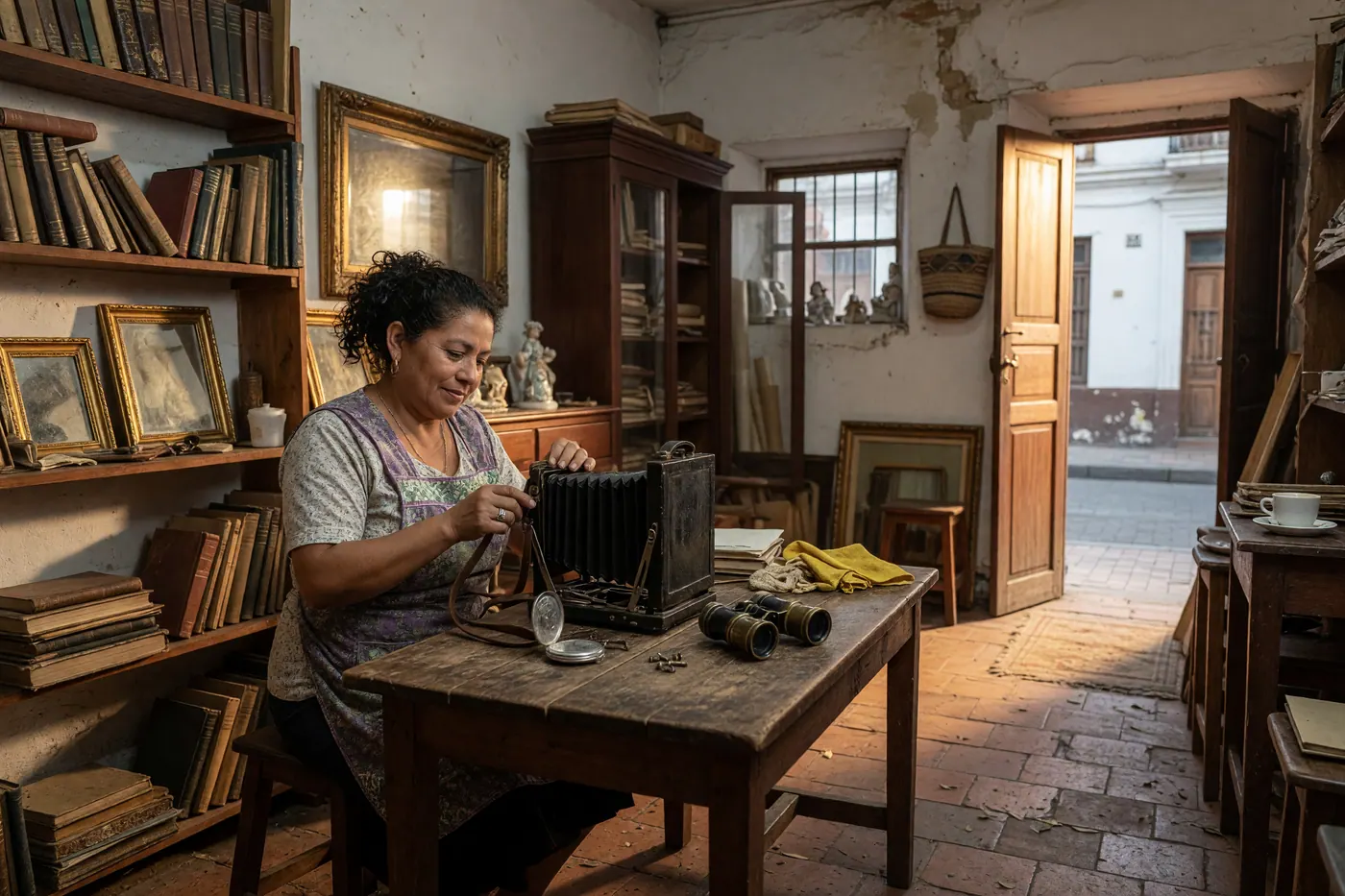
Inheriting an old family house or cleaning out your grandparents' room often ends with the same question: what do I do with all these old things? In Colombia, the market for collectibles, art, and numismatics is more alive than ever, but separating real treasures from simple junk requires a good eye and knowledge.
Before you throw out that weird lamp or give away that trunk full of coins, it's essential to understand that not everything old has value, and not everything valuable can be legally sold. Here's a summary of what you need to know before entering the antique market:
- Antiquity vs. Vintage: For an object to be considered a true antique, it must be at least 100 years old. If it is between 20 and 99 years old, it falls into the category vintage of collection.
- Legal prohibitions: Selling archaeological heritage (like pre-Columbian artifacts) is a serious crime in Colombia.
- The myth of inflated prices: What you see published online for millions of pesos doesn't always reflect the real sale price.
1. The Golden Legal Rule: What CANNOT be sold in Colombia
Watch out for this, because ignorance of the law is no excuse. In Colombia, the General Law of Culture (Law 397 of 1997, modified by Law 1185 of 2008) is absolutely clear: the archaeological heritage of the Nation is inalienable, imprescriptible, and unattachable.
This means that the purchase, sale, and export of pre-Columbian artifacts or ancient indigenous ceramics are strictly prohibited. If you inherited a Tayrona gold figure or a Muisca pot, you are not the legal owner; you are a custodian of state property. Attempting to trade these objects will put you on the radar of the ICANH and the DIJIN.
The same applies to submerged cultural heritage (coins or relics recovered from shipwrecks and galleons). The Colombian Penal Code (Art. 269-1, modified by Law 1675 of 2013) punishes with imprisonment from 1 to 6 years and fines of up to 1,200 SMLMV those who explore, buy, or sell these goods without authorization.
2. How to Value Your Collectibles (Without Falling for Myths)
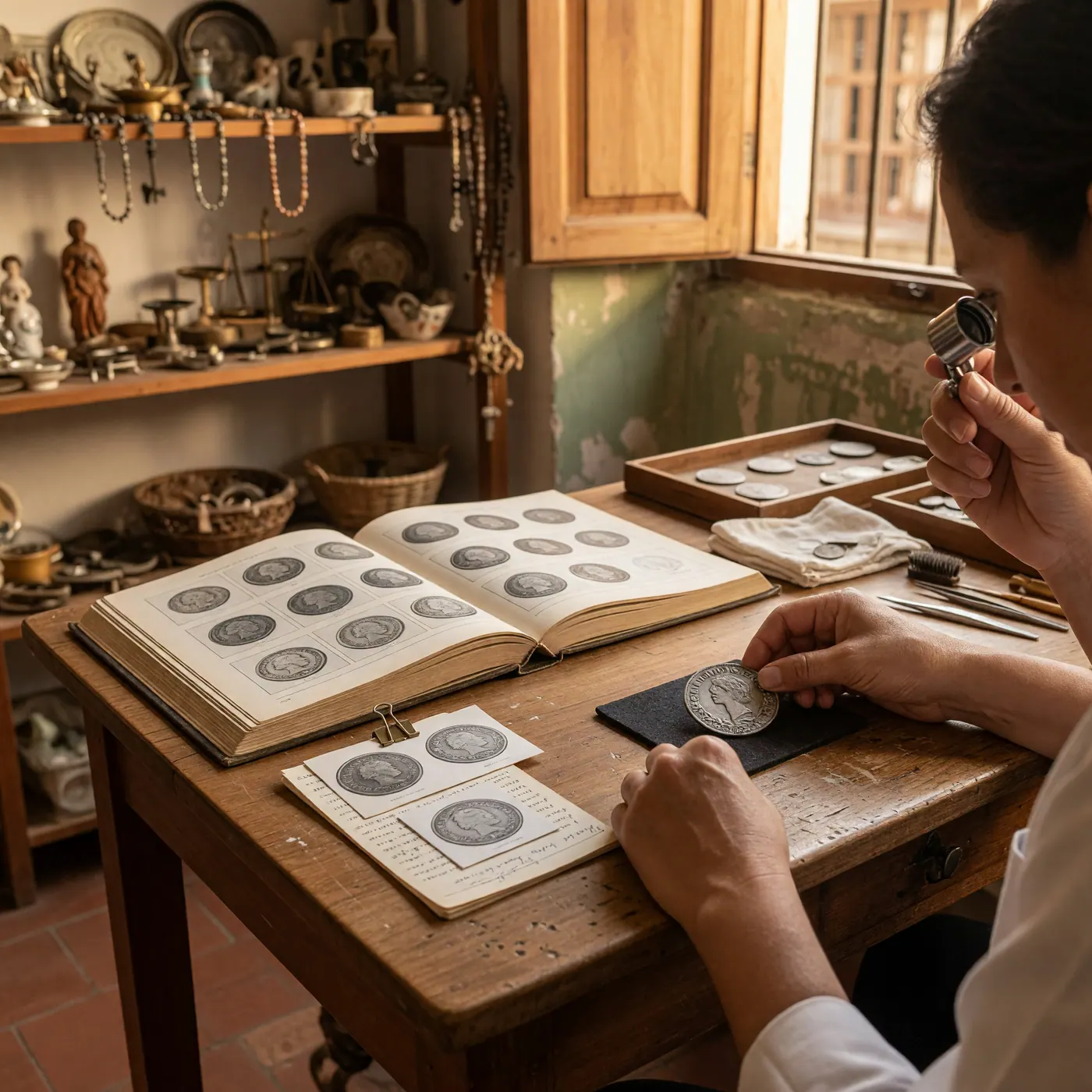
The most common mistake of a novice seller is finding an old coin, looking it up on a classifieds portal, and assuming it's worth five million pesos because someone else listed it at that price. To price correctly, you should look at the prices of closed auctions o sales closed, not on the inflated expectations of other users.
The state of conservation is vital. A classic mistake is trying to clean or polish an old coin, a wooden piece of furniture, or a silver item. By doing so, you destroy the "patina" (the wear and natural color that comes with the passage of time) and can reduce the collectible value of the piece. Leave it exactly as you found it.
According to data from the Colombia Move marketplace (July 2026), categories like vintage appliances and electronics show only 3 recent active listings. This could present an opportunity if you have classic technology or vintage decorative items in good condition.
3. Where to Sell Antiques and Fine Art
If you are certain (or strongly suspect) that you own a high-value item, such as a signed painting, colonial silverware, antique furniture, or very old books, professional channels are your best option.
Auction Houses: Bogotá Auctions is the country's first professional auction house, founded in 2014. They are the most transparent channel for art pieces, vintage design, and decorative arts. They receive pieces on consignment at their headquarters (Calle 70 # 10a - 59, Bogotá) and have experts who can realistically appraise your item.
Physical Antique Shops: If you prefer a more direct sale or an in-person appraisal, historic neighborhoods are the right place. In Bogotá, areas like Usaquén, Chapinero, or La Candelaria are home to traditional businesses. A well-known reference is La Independencia Anticuario (Calle 29 # 6-12), specializing in unique pieces, furniture, and restoration.
4. The World of Numismatics: Old Coins and Banknotes
Numismatics has its own rules. That 200 pesos coin from 1995 with the rotation error (where the cross is rotated with respect to the seal) is an interesting collector's item, but it will rarely make you a millionaire, despite the viral videos claiming otherwise.
To appraise and negotiate banknotes and coins safely, there are specialized physical centers. In Medellín, the Gran Centro Numismático located in the Unión Plaza shopping center (Carrera 50 #52-50, Locals 131-132) is a meeting point. In Bogotá, the historic center concentrates specialized businesses.
If you prefer the digital realm, Delcampe is an international platform for collectors, with a section dedicated to Colombia, ideal for stamps, postcards, and paper money.
5. How to Publish and Sell Directly (and Safely)
For items that are not museum-worthy but have great retro appeal, direct online sales are the most profitable path. Knowing where to sell used items in Colombia it will save you headaches and abusive commissions.
If you are clearing out a family library, it will be very useful to understand how sell used books in Colombia to collectors or second-hand bookstores. Likewise, if you have imitation Tiffany lamps, ornate mirrors, or 70s armchairs, you can sell used decor and lamps directly to interior designers or local restorers.
Watch out for scams: The collectibles market attracts scammers. A very common scam on Facebook groups is the "international buyer" who offers a ridiculously high sum for your item, but demands that you pay first for a "certificate of authenticity" on a dubious website that they themselves control. Never pay to be able to sell.
Frequently Asked Questions
❓ How do I know if my item is an antique or just old?
An antique must be at least 100 years old. Objects between 20 and 99 years old are considered "vintage" or collectible pieces, depending on their historical significance, brand, and design.
❓ Is it legal to sell old gold or silver coins in Colombia?
Yes, it is completely legal to sell old legal tender coins, collectible gold or silver, as long as they do not come from protected archaeological sites or the Nation's submerged cultural heritage.
❓ Can I sell a pre-Columbian artifact that I inherited from my family?
No, Colombian law (Law 397 of 1997) strictly prohibits the purchase, sale, or export of any pre-Hispanic archaeological object, as they belong to the Nation and their trade is a crime.
❓ Where can I get an old painting appraised or valued in Bogotá or Medellín?
You can go to professional auction houses like Bogotá Auctions in Bogotá, or to recognized art appraisers and antique dealers in the historic centers of both cities.
❓ What scams should I avoid when selling old coins online?
Be wary of buyers who demand you pay for a "certificate of authenticity" on a specific website before buying from you, or of ridiculously high offers for common coins that don't contain precious metals.
❓ How does the condition of preservation influence the price of an antique?
The condition is crucial: improperly cleaning or polishing a coin, metal object, or antique furniture can destroy its original "patina" and drastically reduce its collector's value in the professional market.

Comments
Loading comments...
Checking sign-in status...