
Transfer of a Business Establishment (Establecimiento de Comercio) in Colombia: How to Sell a Business Under the Commercial Code
A guide for merchants planning to transfer their business: what is sold, how to assign the lease, how to end joint liability for debts, and how to register the transfer.

IDIOMA DEL ARTÍCULO
Showing original language
Handing over the keys and closing the deal with a handshake is the cheapest way to transfer a business... and the most expensive when the first claim arrives over a lease or a payroll you no longer manage. Transferring a bakery, a pharmacy or a hair salon is not "selling used stuff": you are selling an economic unit in operation, and the Commercial Code (Decree 410 of 1971) has rules that, when used well, protect you as the seller.
Quick answer: the transfer is done by formal contract (private document with notarized recognition or public deed), it is registered in the commercial registry of the Chamber of Commerce, and your liability for prior debts ends two months after that registration only if you notified the creditors and published the notice. This guide is informational; for your specific case, confirm with a lawyer or accountant.
What is really sold when transferring a business establishment?
The establishment is not the property. According to Article 515 of the Commercial Code, it is the set of assets organized by the merchant to fulfill the purposes of the business. The physical premises almost always belong to a third party; what is yours is what operates inside: trade name, signage, facilities, merchandise, lease contracts and customer base.
Under Article 525, the sale is presumed to be made as a whole, with all those elements, unless the parties expressly exclude something. My advice: list in the contract, item by item, what is included and what stays with you (the refrigerator from your home that you used in the business, for example). Whatever is not excluded is understood to be sold.
More about the prior registration of the business and the buyer in our guide to commercial registration of the business establishment.
Assigning the lease without the landlord's permission
This is the question that worries sellers most: "What if the landlord doesn't want the buyer?" Article 523 of the Commercial Code establishes that the assignment of the lease contract, when it results from the sale of the establishment, operates by operation of law and is valid without prior authorization from the landlord. The Constitutional Court upheld that rule in Ruling C-598 of 1996. In practice, the landlord cannot veto the sale or demand a new rent or a renewal premium for that reason alone.
The prudent step is to notify the landlord in writing, with a copy of the transfer contract and proof of its registration in the commercial registry. This way you avoid being charged again. If you are interested in the other side of the relationship, see how the subleasing of commercial premises under Article 523 works and the rights against the owner in the eviction from commercial premises.

How to protect yourself against debts: the two-month rule
Here is the real shield. Under Article 528, seller and buyer are jointly liable for obligations incurred before the sale that appear in the accounting books or in the certified balance sheet you delivered. That joint liability ends two months after the transfer is registered in the commercial registry, provided you directly notified the creditors and published the transfer notice in a newspaper of wide circulation and in the Chamber of Commerce bulletin.
Checklist before signing
- Itemized balance sheet, signed by an accountant, with pending payments to suppliers, banks, taxes and rent (Art. 527).
- Notification letter to each creditor, with proof of receipt.
- Notice in the press and in the Chamber's bulletin, keeping the evidence.
- Registration of the contract and counting of the two months from that date.
Watch the fine print: selling does not free you from hidden tax or labor debts. If an obligation was not recorded or notified, the DIAN or a labor court can pursue you. And do not confuse the promise of sale with the final contract: Chambers of Commerce do not register promises.
And the employees? Employer substitution
If the business keeps operating with its staff, employer substitution applies (Articles 67 to 70 of the Substantive Labor Code): employment contracts are not terminated or restarted, workers keep their seniority and benefits, and the new owner assumes the role of employer. However, the previous employer remains jointly liable for one year for obligations accrued before the transfer.
Do not liquidate anyone "to leave things clean" without a written agreement: a badly handled dismissal can cost you dearly, as we explain in our guide to severance for dismissal without just cause. The sensible approach is to bring wages and benefits up to date, document it, and sign the continuity with the workers.
Step by step to register the transfer at the Chamber of Commerce
- Draft the final contract. It must include the names and ID numbers of the parties, identification of the establishment (name, address, commercial registration), price and payment terms. It is signed by public deed, or by private document with notarized recognition of content and signature, or with personal appearance before the Chamber.
- Verify registrations. The buyer must be registered as a merchant; the establishment must have a valid registration.
- Prove the withholding tax. If you sell as a natural person, you must calculate and prove the 1% withholding on fixed assets (Articles 398 and 606 of the Tax Statute).
- File with the Chamber of Commerce with jurisdiction over the premises. The Chamber verifies that there are no seizures or precautionary measures on the establishment.
- Pay the registration fees and the departmental registration tax. They are calculated on the agreed value and vary by Chamber and departmental government; ask for the calculation at the counter, because there is no single figure.
Registration is what makes the transfer enforceable against third parties, and it is the starting point for your two months. As examples of official guides, see the guide to alienation of a business establishment and the RM 03 Guide to registering the sale.
Protect yourself from the buyer "on installments"
The classic risk: someone receives the business in installments, sells the machinery and disappears. Formalize before handing over possession, agree on a reservation of ownership over the equipment until the last payment, and ask for promissory notes with a co-signer. Collect the down payment by bank transfer, not in loose cash.
Key moment: year-end inventories
November and the year-end holiday weekends are a good window to organize everything before the accounting close and commercial renewal: blind physical inventory, reconciliation with suppliers, up-to-date balance sheet and notices to creditors. If you reach December with clean books, you negotiate better and share less risk.
Where to advertise the transfer or the premises without commissions
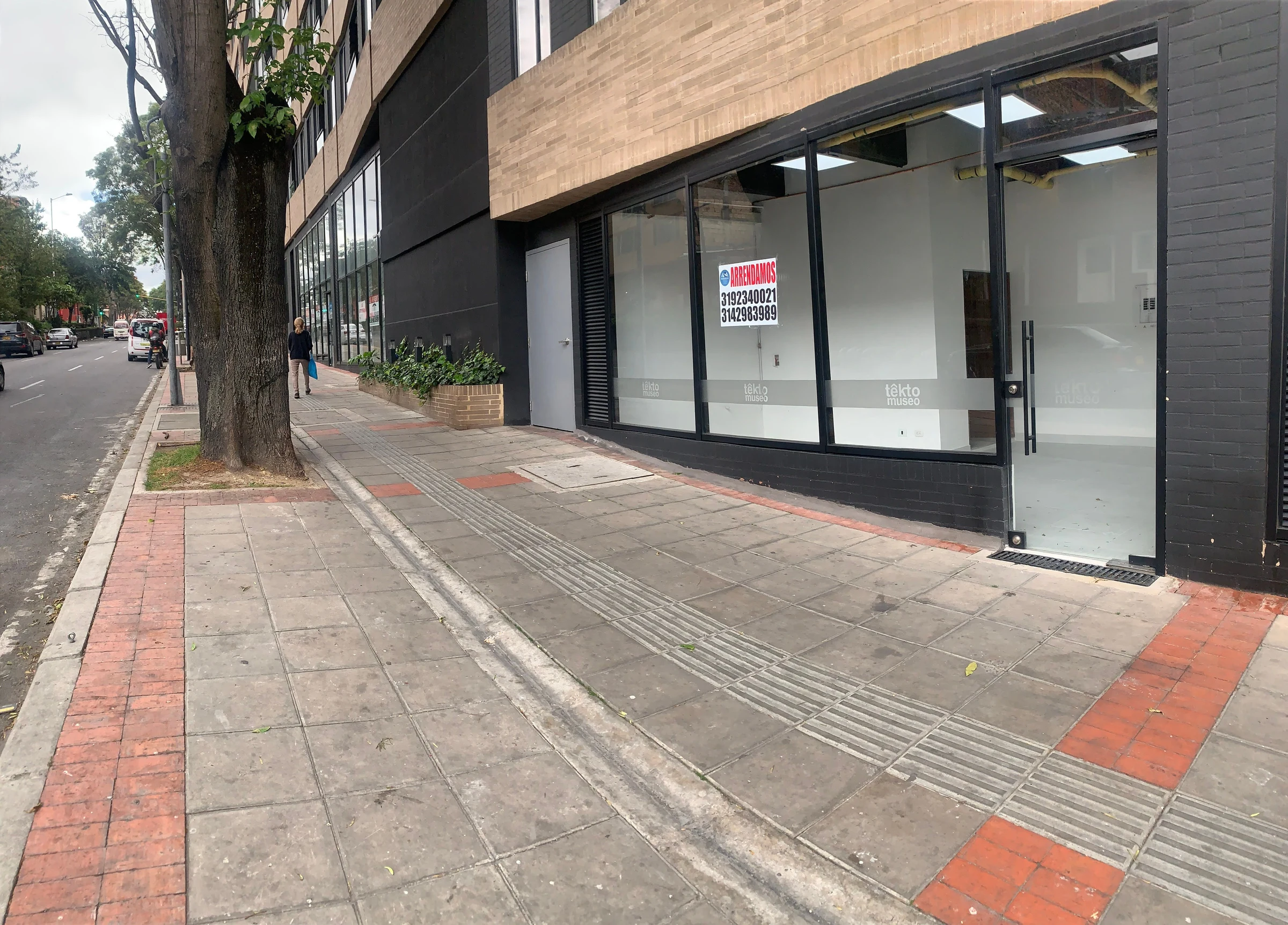
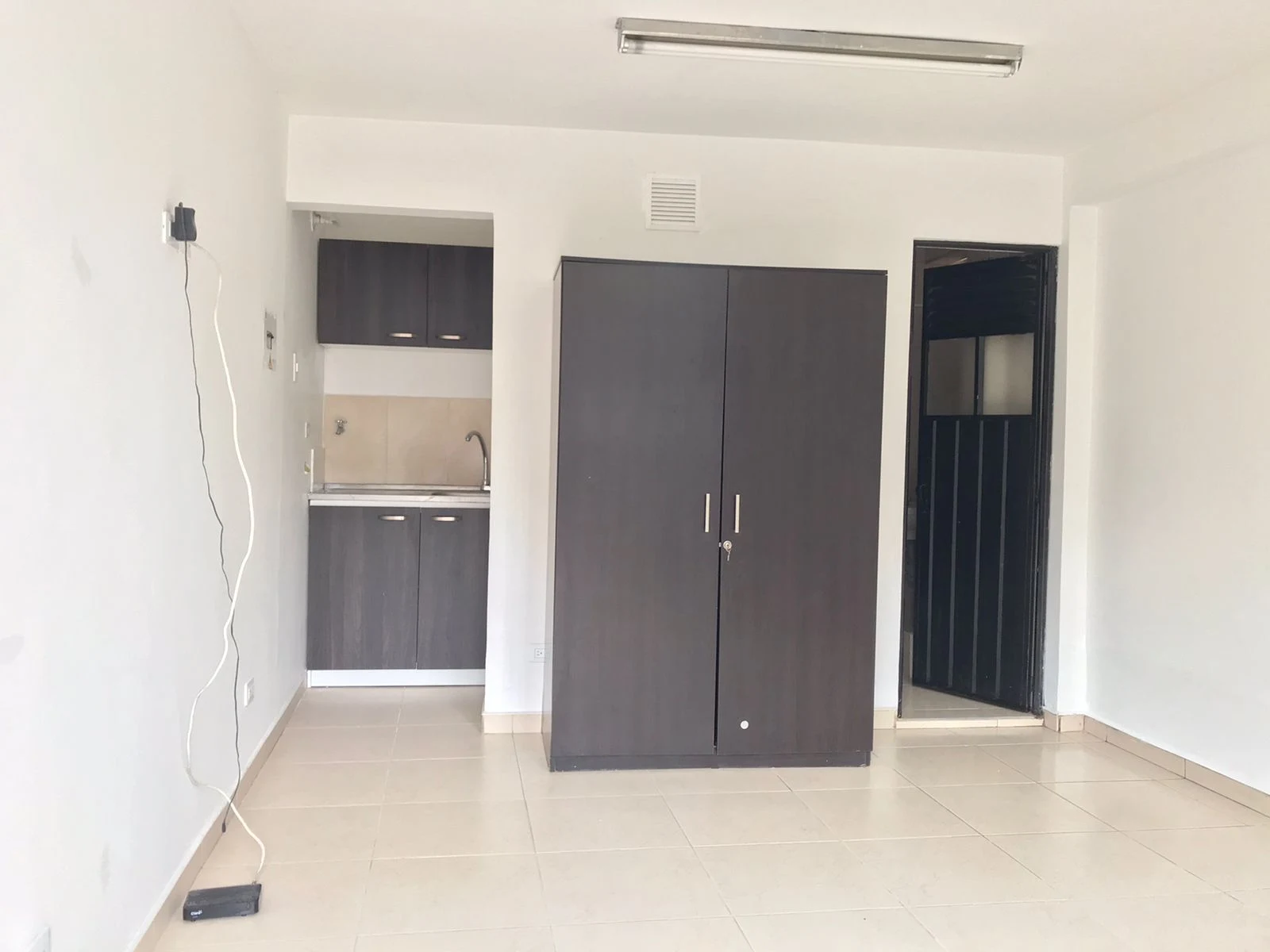
Facebook Marketplace, WhatsApp groups and real estate portals work, but they fill up with curious people and sometimes with intermediaries who charge a commission. According to active listings on Colombia Move (October 2026), there are 9 active listings in the category of offices and 7 in commercial premises: supply is still scarce, so a clear listing stands out. Include photos of the premises, the inventory included, the lease conditions and a precise location.
Frequently asked questions
❓ Can I sell my business if the landlord does not want to sign the lease assignment?
Yes, the lease assignment is valid without the owner's permission when it results from the sale of the establishment as an economic unit (Article 523 of the Commercial Code and Ruling C-598 of 1996). Notify the landlord in writing with proof of registration. (verify with the official source)
❓ For how long am I liable for debts after selling?
You remain jointly liable until two months after registering the transfer at the Chamber of Commerce, provided you have notified the creditors and published the notice in the press and the Chamber bulletin. Without those steps, the joint liability does not end. (verify with the official source)
❓ Is a public deed mandatory to register the transfer?
No, it is not mandatory. The law allows a private document with notarized recognition of content and signature, or with personal appearance of the parties before the Chamber of Commerce. Make sure it is the final contract, not a promise of sale. (verify with the official source)
❓ What happens to employees' seniority if the buyer keeps operating?
Employer substitution applies: contracts continue and workers keep their seniority, salary and accumulated benefits. The new owner assumes the role of employer, and the previous one remains jointly liable for one year for what accrued before the transfer. (verify with the official source)
❓ How much withholding tax is paid when selling a business establishment?
If you sell as a natural person, you must prove to the Chamber the 1% withholding tax on fixed assets, according to Articles 398 and 606 of the Tax Statute. Registration fees and the registration tax are quoted at the counter, because they vary. (verify with the official source)
❓ How do I sell my business safely and avoid scams?
Formalize the contract before handing over possession, collect by bank transfer, agree on a reservation of ownership over the equipment, and ask for promissory notes with a co-signer if there is payment in installments. Do not hand over the business with just a verbal agreement. (verify with the official source)
❓ Where can I publish the transfer of my business or the lease of my premises?
You can advertise it in the commercial properties section of Colombia Move, with clear photos, inventory included and lease conditions, and negotiate directly with interested parties. Local groups and real estate portals also work. (verify with the official source)




Comments
Loading comments...
Checking sign-in status...