
Locative repairs and painting when returning a rented property: what Law 820 says
The end-of-contract dispute is almost never about whether the law mandates painting, but rather whether the mark is normal wear and tear or damage due to misuse. Here is the criterion of Law 820 and how to leave proof.
IDIOMA DEL ARTÍCULO
Showing original language
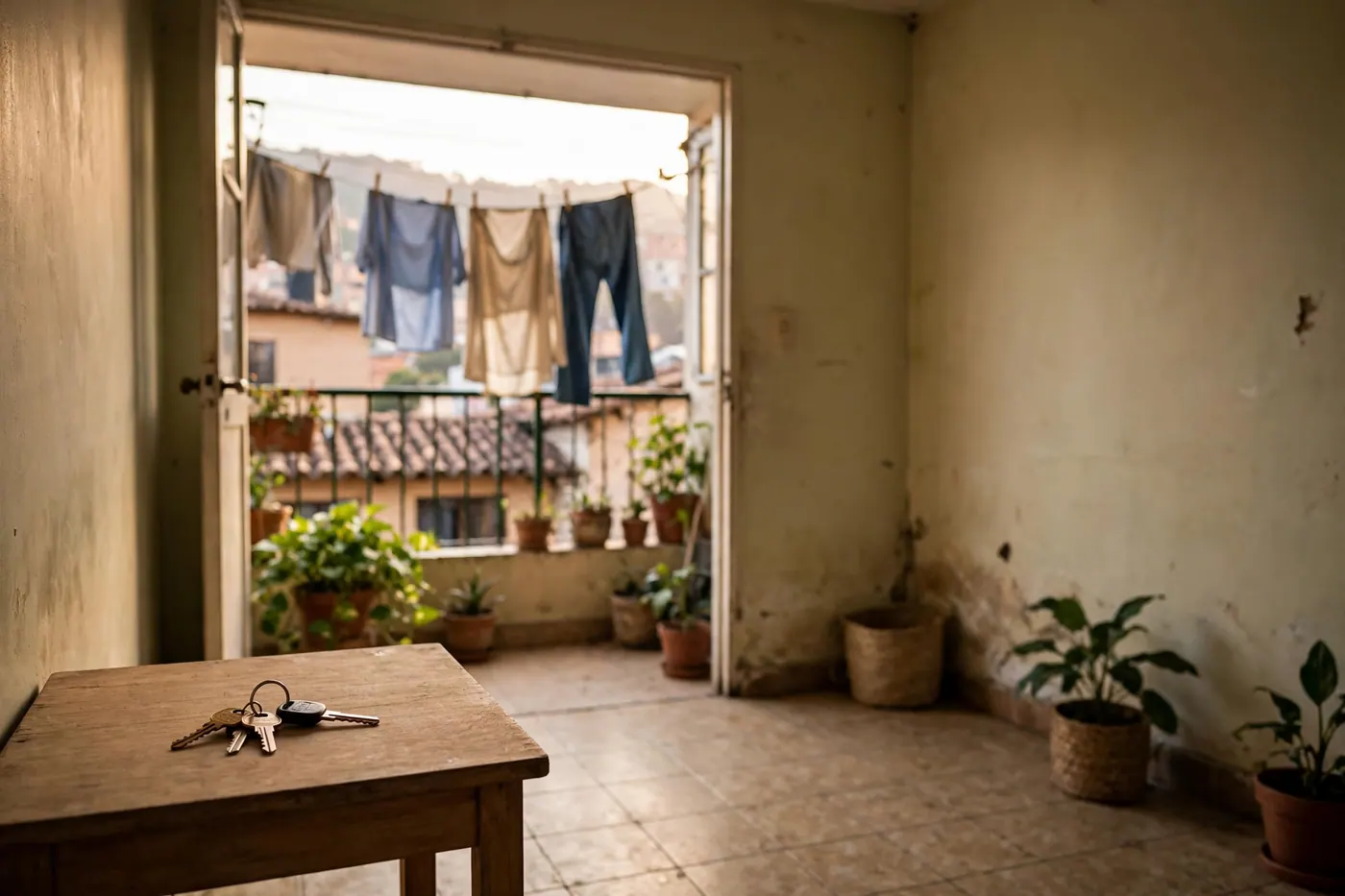
It is the last weekend of the lease. The tenant has already packed, the landlord arrives with their phone in hand and points to a wall: "this needs to be repainted, and I'm deducting it." The other side responds: "that's from time passing, I've been here for years." The argument is almost never about whether the law mandates painting. It is about whether that mark is normal use or damage from misuse.
This guide is for the leasing of urban housing under Law 820 of 2003. It does not apply, just like that, to commercial premises or offices. I am giving you the criteria and a list of evidence, not a verdict for every wall.
The fundamental rule: normal use vs. damage
According to article 9, numeral 2, of Law 820, the tenant must take care of the property. Only if the deterioration is different from normal use or the action of time, and is attributable to misuse or their fault, must they make the necessary repairs or replacements on their own and on time.
On the other hand, article 8 requires the landlord to deliver the property on the agreed date in a good state of service, safety, and hygiene, and to maintain the agreed services, things, and related uses in good working order. In shared housing, repairs to common areas that are not attributable to the tenants are the landlord's responsibility.
The Civil Code completes the picture. Article 1997 asks to conserve the item with the care of a good family father. Article 1998 defines locative repairs as those that custom places on the tenant and the deterioration ordinarily produced by their fault, with examples such as damaged walls or broken windows. Article 1999 also makes them responsible for the fault of their family, guests, and dependents. And article 2028 clarifies that in a house, those repairs are limited to maintaining the building in the state in which it was received, without responding for deterioration from time and legitimate use, nor for force majeure, fortuitous events, nor for construction defects, old age, or the nature of the ground.
Quick table: wear and tear or damage?
| Situation | How it is usually interpreted |
|---|---|
| Paint that is opaque or faded from the years | Time and legitimate use: not charged as damage |
| Small holes from picture screws | Common use; it is advisable to clarify this in writing upon entering |
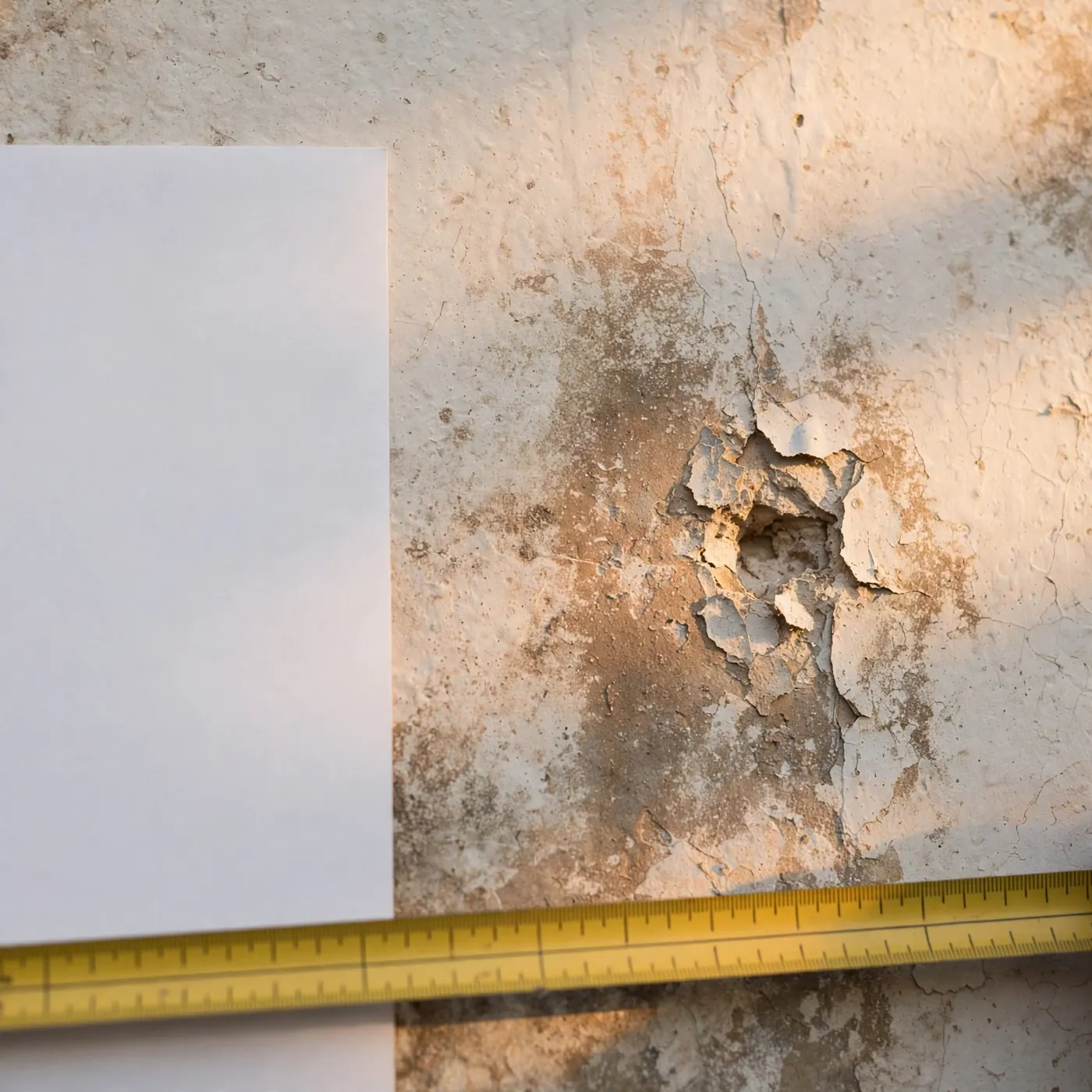
| Large hole, stain, or breakage due to impact or misuse | Attributable damage: may be a repair at the tenant's expense |
| Broken glass | Classic example of article 1998: usually the tenant's responsibility if there was fault |
| Humidity due to poor ventilation attributable to the occupant | It can be attributable, if proven |
| Humidity due to pipes or the building's age | Building defect: not the tenant's responsibility (art. 2028) |
| Appliance or accessory that was already damaged | Depends on the initial state; without proof, it gets complicated |
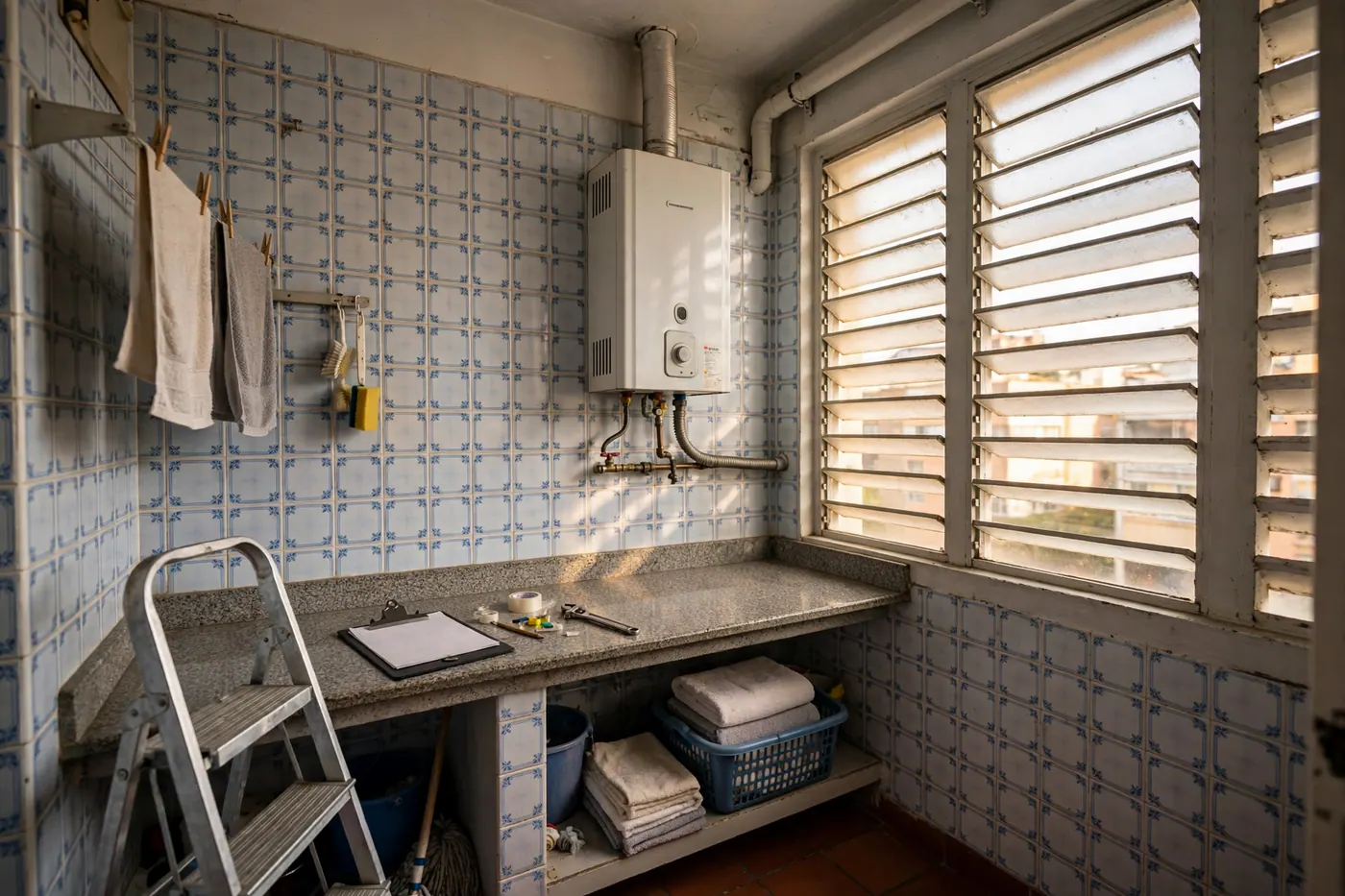
| Gas heater and installations | It is not a repainting; look at who is responsible for heater maintenance |
My honest assessment: the table provides guidance, but each case is decided based on the contract, the initial state, and the evidence. That is where almost everyone loses.
Painting, in a single block
With the cited articles, Law 820 does not create an autonomous obligation to paint the entire property upon surrendering it. Paint faded by time and legitimate use remains the landlord's responsibility. Holes, stains, breakages, or humidity attributable to misuse or fault can indeed be repairs at the tenant's expense. A custom of demanding a total repainting does not replace this criterion.
Watch out for the other extreme: it is also not true that you can never charge for paint. If you stained or scratched a wall, that repair is yours. And if you want to change the color or make improvements, do it with express written authorization: article 22, numeral 5, points out that making improvements, changes, or additions without express authorization, or destroying the property in whole or in part, is grounds for termination. That does not mean that a color change is always that cause or that there is a fixed fine; it is simply advisable to agree on it.
Painting deposit: not applicable in urban housing
Article 16 prohibits demanding cash deposits or other real guarantees to secure the obligations of an urban housing tenant. It is also not allowed to do so indirectly, through an intermediary, in a document other than the contract, or under another name. A "painting deposit" or "security deposit" falls into that logic. Watch out: the consulted text does not say that every clause is null and void by right, so if you already signed something like that, review the case with a lawyer.
The only guarantee the law mentions is the one in article 15: a deposit for the payment of household utility bills, in favor of the company, which cannot exceed the value of those services (fixed charge, connection fees, and consumption units) for two consecutive billing periods. It is not a two-month rent deposit, nor can it be redirected to paint.
During the contract: the article 27 discount
This is often confused with the surrender, but it is something else. Unless otherwise agreed, the tenant may deduct from the rent the cost of indispensable non-locative repairs from article 1993 of the Civil Code, without exceeding 30% of each rent payment; if the cost is higher, the discount is repeated until the total spent is covered.
This is a rule for urgent repairs during the lease, with notice to the landlord. It is not a rule for painting upon surrender, and it does not authorize withholding the keys due to a repainting issue. If you surrender early, the discussion is different (the rent, not the paint): look at how the rent refund for early surrender works.
Check-in and check-out protocol: your evidence
Article 2005 of the Civil Code says that the tenant restores the item in the state in which it was delivered, taking into account deterioration from legitimate use and enjoyment. If that state is not recorded, it is understood to have been received in a regular state of service, unless proven otherwise, and for damages during the enjoyment, the tenant must prove that they did not come from their fault or from that of guests, dependents, or subtenants. The restitution is done by vacating, making the property available to the landlord, and delivering the keys (art. 2006).
Practical translation: without an initial record, the burden of proof is on you. An inventory with photos is not an official Law 820 format, but it is an evidentiary practice aligned with that article:
- Date and signature of both parties, both when entering and leaving.
- Dated photos of the same corners and the same angles on both visits.
- Walls and ceilings (stains, humidity), windows, locks and keys, bathrooms and faucets.
- What is delivered furnished or with appliances, along with their state.
- A note about minor pre-existing marks, such as picture holes.
If there was no entry inventory, put one together for the exit with photos and signatures, and clarify in writing what was already like that. Do not withhold the property or the keys over a painting dispute: surrender it and file a claim through the appropriate channel.
For next time, before signing, leave the state in writing: this guide to reviewing the contract helps, even if you don't repeat its phrasing about the deposit, which conflicts with articles 15 and 16. For the wording, use the urban housing lease template and add a clear property condition clause.
This guide is general information with rules consulted as of 2026-09-29 and does not replace the review of your specific contract. If there is money in dispute, consult a lawyer.
Frequently Asked Questions
❓ Is it mandatory to paint the apartment when handing over the rental?
No, Law 820 does not impose a total repaint upon handover. The tenant is responsible for damage other than normal use and time that is attributable to misuse or fault; paint faded by the years does not count. Also check what your contract stipulates (verify in the official source).
❓ What is normal wear and tear and what is damage in a housing rental?
Normal wear and tear is deterioration due to time and legitimate use, including dull paint, and is not charged to the tenant. A broken window, a large hole, or a stain from misuse can be attributable damage, and it is useful to have photos of the initial state (verify in the official source).
❓ Who is responsible for minor repairs (locative repairs)?
They are the tenant's responsibility when the deterioration comes from their fault or misuse, according to the Civil Code. Those that come from time, force majeure, or building defects, such as old age or poor construction, are not their responsibility. In doubtful cases, check the contract and consult a lawyer (verify in the official source).
❓ Can the landlord keep a deposit for painting?
In urban housing, they cannot demand cash deposits or other securities to guarantee the contract, nor disguise them under another name. The only permitted guarantee is for public utilities under Article 15, which is not measured in months of rent (verify in the official source).
❓ Is an inventory with photos useful if there is no official record?
Yes, as evidence. There is no mandatory format in Law 820, but dated photos, same angles, and signatures from both parties help. If the initial state was never recorded, the Civil Code presumes it was received in regular condition (verify in the official source).
❓ Can I deduct the repair I made from the rent?
Only in the case of Article 27: essential non-locative repairs, with a cap of 30% of each rent payment unless otherwise agreed. That does not cover a handover repaint nor does it allow for withholding the keys. Always notify the landlord in writing (verify in the official source).
❓ Does this rule apply to a storefront or office?
This guide is for urban housing under Law 820. A storefront, office, or other commercial use is governed by its own regulations and what the contract says, so do not apply these rules without checking (verify in the official source).

Comments
Loading comments...
Checking sign-in status...