
Rental repairs: what the landlord pays and what the tenant pays
A practical guide to distinguishing between necessary repairs, locative arrangements, and natural wear and tear. Includes examples, evidence, and the legal mechanism for deductions.
IDIOMA DEL ARTÍCULO
Showing original language
A pipe bursts on a Sunday, humidity appears behind a closet, or the water heater stops turning on: that is where the classic rental dispute in Colombia begins. One says 'that is the owner's responsibility'; the other responds 'you broke it.' I would not pay or deduct anything until separating the cause of the damage and documenting it.
Short answer: the owner pays for the repairs necessary to keep the home habitable and safe; the tenant assumes the tenant-related repairs derived from daily use or their own fault. Normal wear and tear cannot be automatically charged to the tenant. If you want to see real options right now, you can view apartments and houses on Colombia Move — posting is completely free.
Necessary and tenant-related repairs: the difference that defines who pays
Law 820 of 2003 and the Civil Code do not divide the bill based on the size of the repair, but by its cause. A necessary or essential repair preserves the structure, the main services, or habitability. A tenant-related repair maintains what deteriorates due to ordinary use or corrects damage caused by the person occupying the property.
The Civil Code, in its articles 1985, 1998, and 2028, places necessary repairs on the landlord and tenant-related repairs on the tenant, but excludes from the latter old age, force majeure, and deterioration due to legitimate use. It is advisable to put that division in writing when reviewing the contract before signing; a generic clause of 'delivering as new' does not automatically convert normal aging into the tenant's fault.
Practical rule: ask yourself what caused the damage, who could have prevented it, and if it already existed when receiving the home. The bill comes after the diagnosis, not before.
Which repairs correspond to the owner
The owner must address the essential damages that did not arise from the tenant's misuse: a broken internal pipe, a ceiling leak, humidity coming from the facade or foundations, a failure in the fixed wiring, or a defective gas network. It is also their responsibility to address deterioration due to the construction's age. These are examples, not an automatic list: the technical cause rules.
With humidity, be careful about blaming ventilation from the start. A stain that reappears after rain, grows from the ceiling, or coincides with a pipe might be a leak. If the damage comes from another apartment or a common area, the owner and the building management will have to coordinate the solution; that does not make the tenant responsible.
For electricity, gas, or a serious leak, I would request a written diagnosis and hire qualified personnel. This guide to finding electricity services and home repairs explains what credentials and data are worth verifying before letting someone in.
What the tenant pays for due to use, carelessness, or modifications
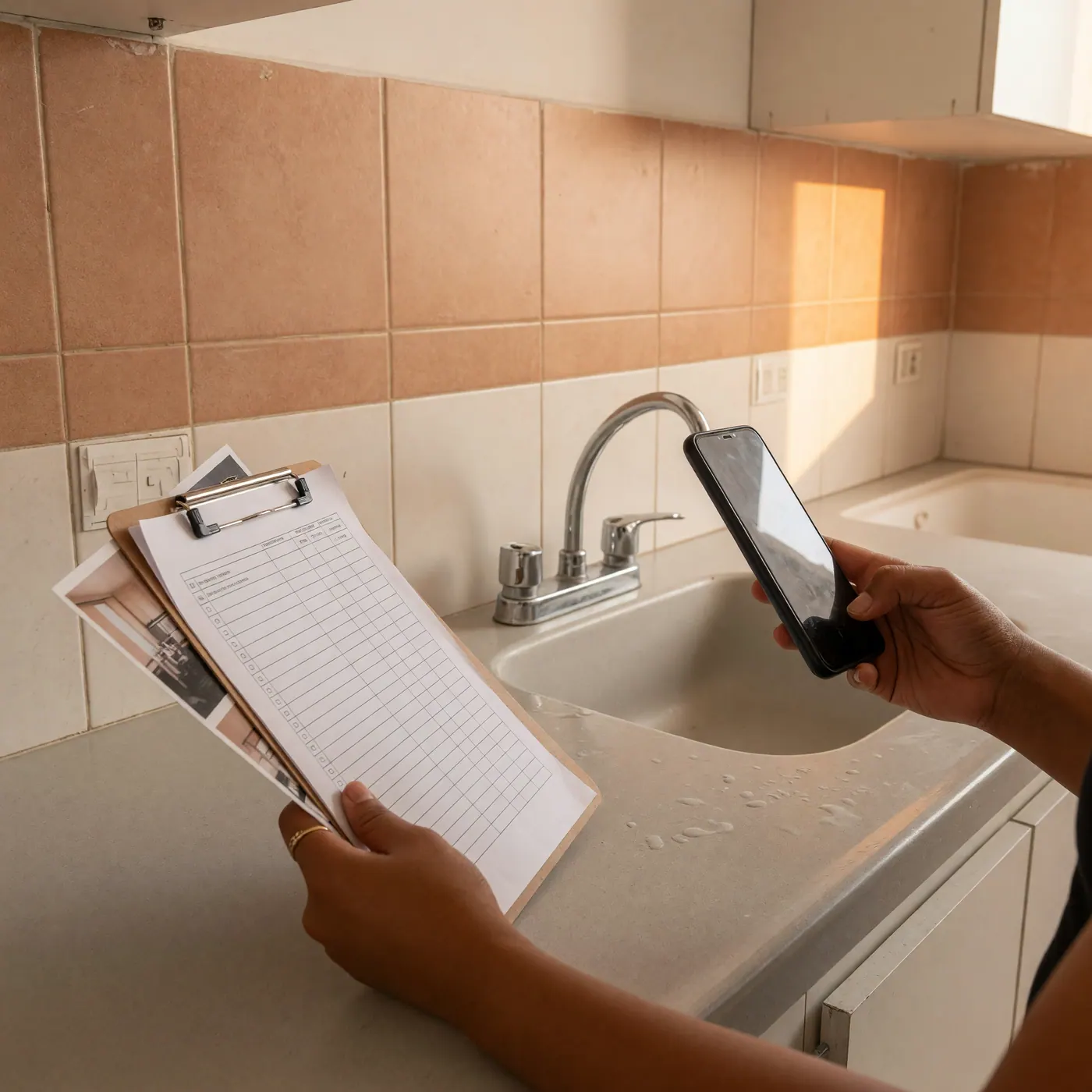
The tenant assumes tenant-related repairs: changing a light bulb, replacing a worn-out gasket on a faucet, unclogging a drain obstructed by their own residue, or repairing a window broken by a blow. They are also responsible for damage caused by family members, guests, or people under their responsibility, according to Article 1999 of the Civil Code.
A lock forced by misuse, excessive drilling, or a wall painted without authorization can fall on this side. But do not accept the 'must paint everything upon leaving' formula without looking at the initial state and the time elapsed. If there are stains, graffiti, or abnormal damages, the person who caused them pays; if the paint simply aged, it is not an automatic penalty.
| Situation | Likely responsible | What to check |
|---|---|---|
| Ceiling leak or fixed pipe | Owner | Technical origin and notice |
| Drain clogged with residue | Tenant | Plumber's diagnosis |
| Aged paint | Owner | Inventory and time of use |
| Glass broken by impact | Tenant | Photos and cause |
| Internal appliance failure | Depends | Age, inventory, and misuse |
Humidity, heaters, and furnished appliances: cases that require a diagnosis
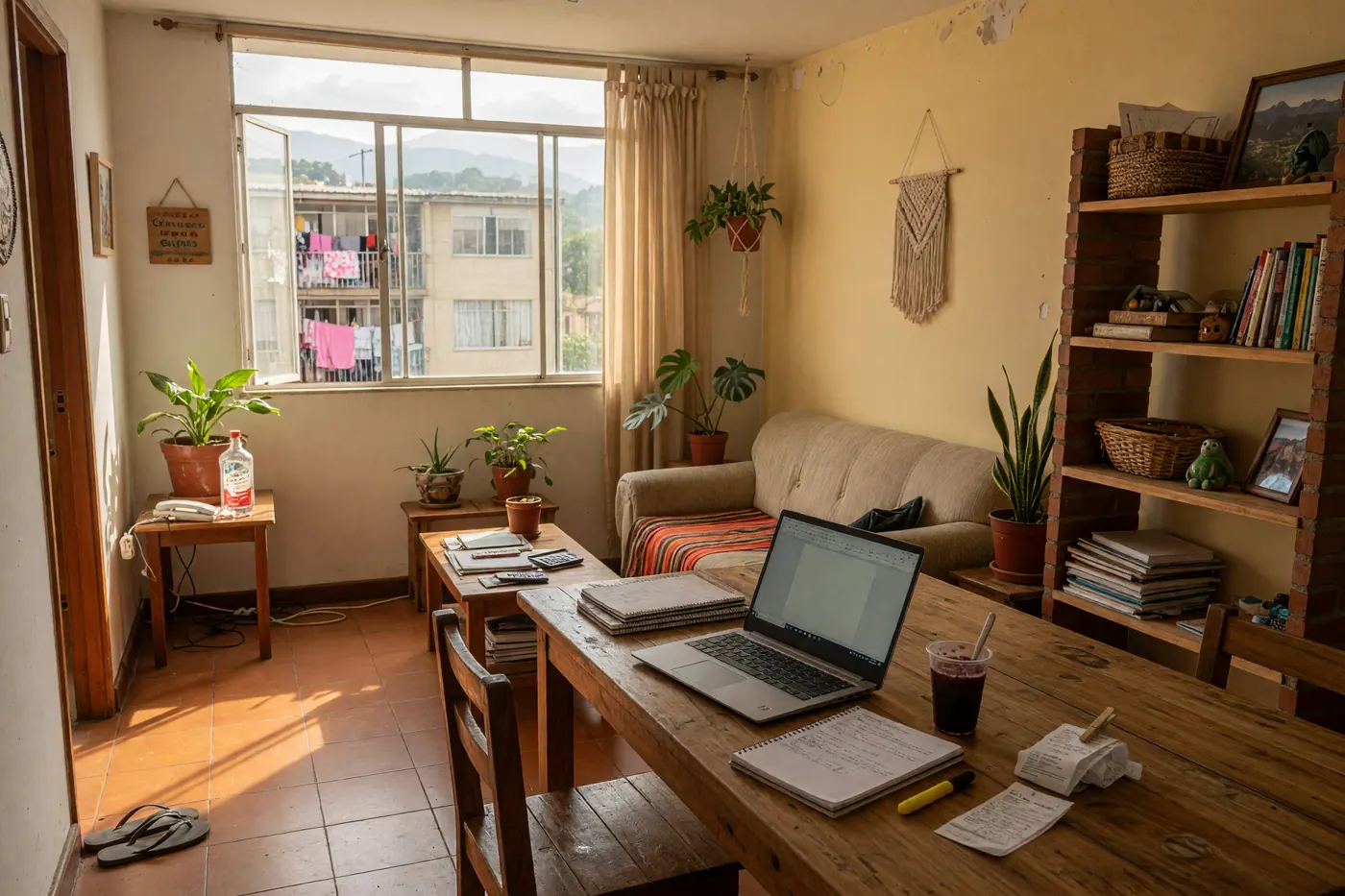
In a furnished apartment, a refrigerator motor that reaches the end of its useful life or a heater that fails due to old age usually falls on the owner's side. If there was a hit, use contrary to the manual, or an alteration made by the occupant, it may correspond to the tenant. I would not assume that an electrical fluctuation proves fault without a technical assessment.
With heaters and gas appliances, safety weighs more than the money argument: stop using it if there is a smell of gas, call the provider's emergency line, and do not improvise repairs. Then keep the report. Agreed-upon periodic maintenance may correspond to the occupant, while an internal failure due to age remains the owner's matter.
According to active ads on Colombia Move consulted in August 2026, the room category had 10 active offers and no recent posts in the measured window. That small inventory makes it even more useful for each owner to describe from the ad what the room includes, the state of the furniture, and how maintenance will be handled.
If you are comparing a room, you can check the active room listings and ask about inventory, the heater, and repair rules before moving in.
What to do if the owner does not address an essential repair
First, notify them in writing. Send a WhatsApp message and, if you can, an email: date, affected area, photos, video, risk, and a specific request for a visit. Save the read receipt. For an emergency, get a diagnosis and a quote; do not authorize a renovation disguised as a repair.
- Document: general photo, close-up, video, and date.
- Notify: 'Since [date] there has been [damage]. I request a review before [date] due to the risk of [consequence]'.
- Keep support: diagnosis, quote, invoice, and payment receipt.
- Do not stop paying the entire rent: apply only the corresponding legal mechanism.
When an essential, non-tenant-related repair was reported in a timely manner and the owner did not act, Article 27 of Law 820 of 2003 allows the tenant to perform it and deduct the cost in periods that do not exceed 30% of the monthly rent until the reimbursement is complete. It is not permission to arbitrarily suspend all rent payments. If there is a dispute about the cause, the value, or the procedure, confirm the case with a lawyer or a local housing authority before deducting.
Inventory and photos avoid fights when handing over the property
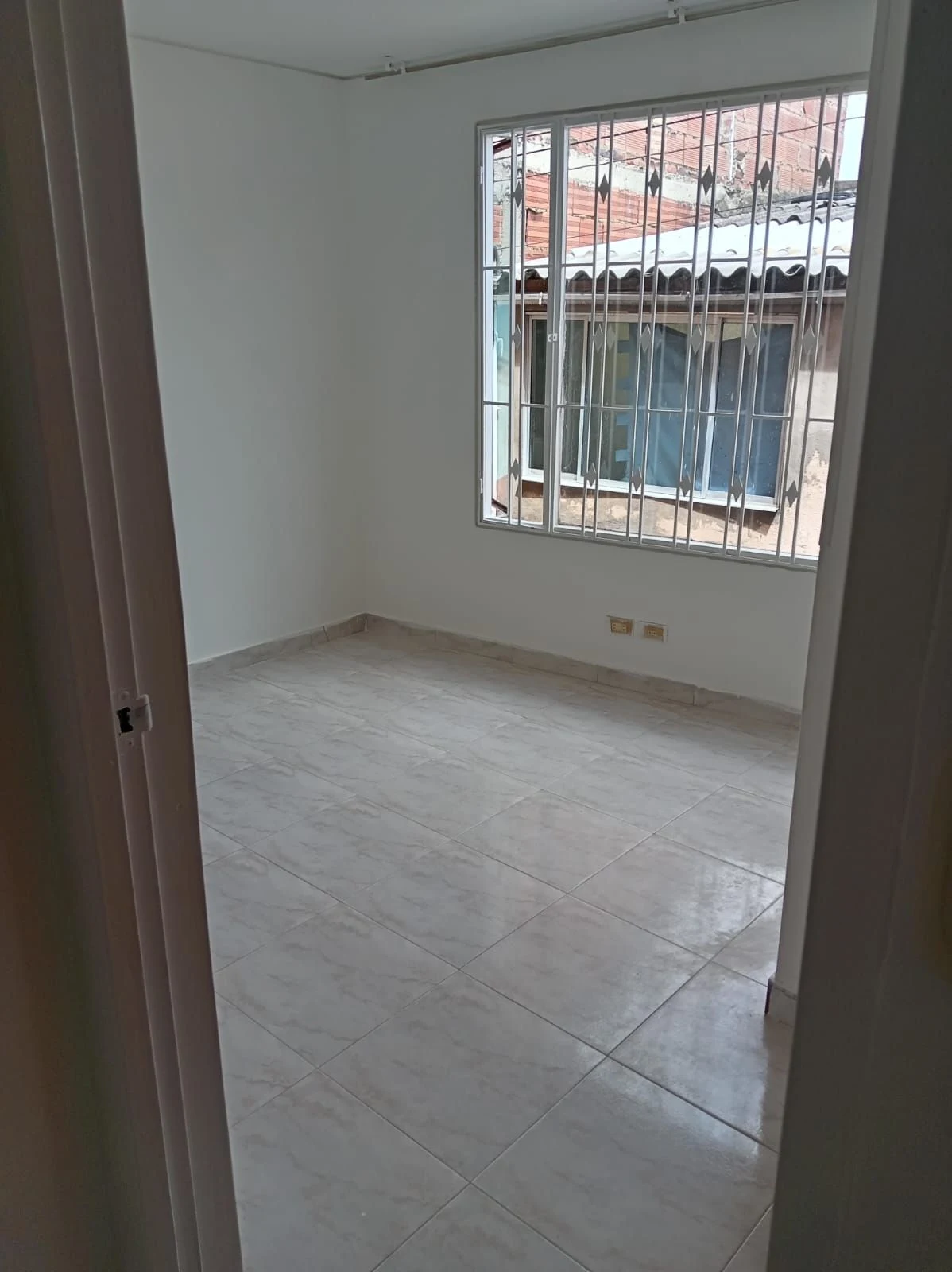
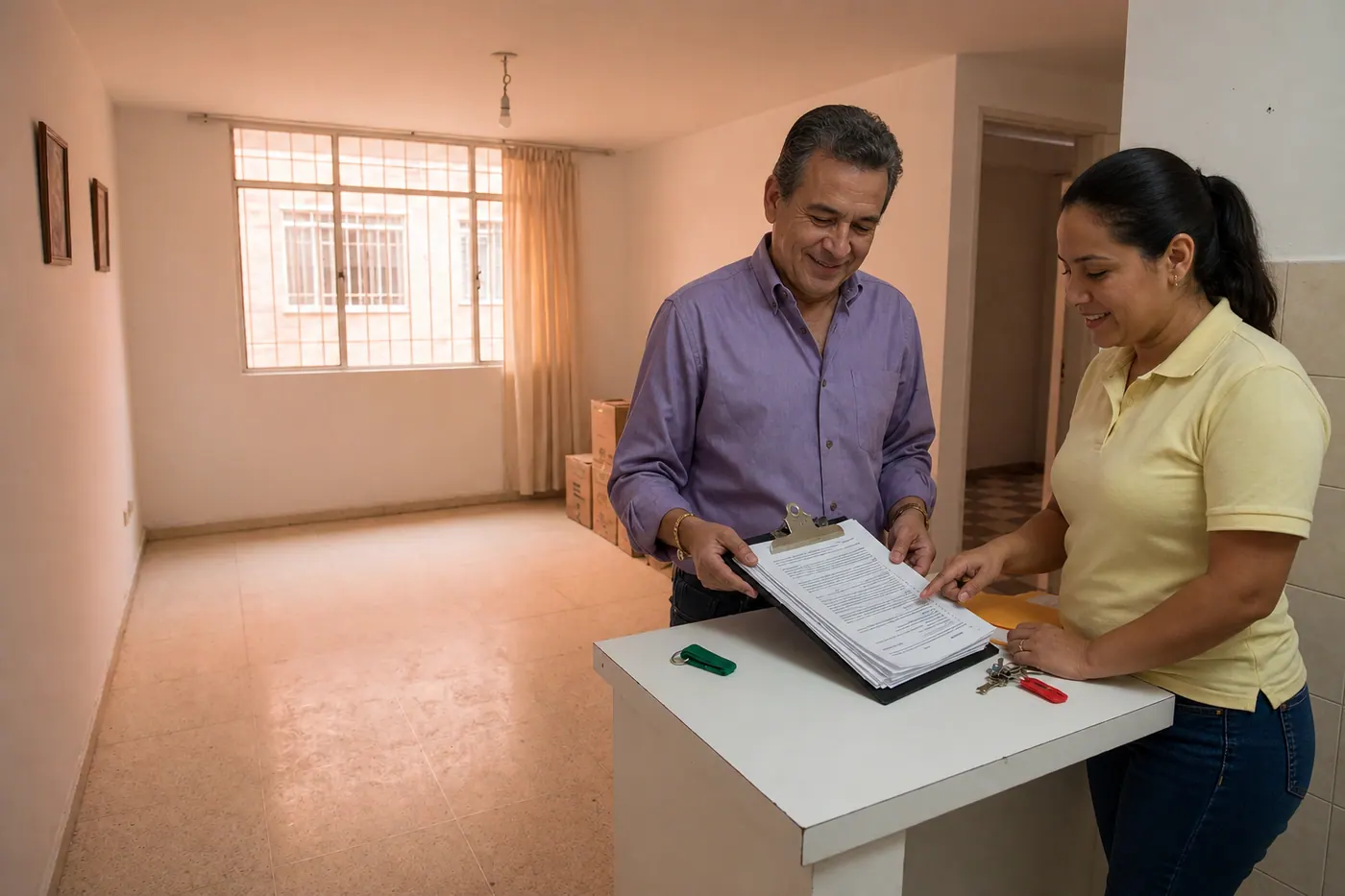
The best time to discuss a repair is before it exists. Make a signed inventory upon receiving the unit: walls, ceilings, faucets, drains, locks, windows, meters, heater, and every appliance. Record them working and save the original files. Repeat the log when reporting damage and when returning keys.
When moving out, also photograph hallways, the elevator, and common areas. The guarantees required by a co-ownership for moving are a different matter from the security deposit in the housing contract; review this explanation about permissions and damages during moves in residential complexes. For urban housing, Article 16 of Law 820 prohibits requiring tenants to pay cash deposits as a contract guarantee.
Frequently asked questions
❓ Who pays for plumbing repairs or dampness in a rented apartment?
The landlord pays for broken internal pipes and structural dampness not caused by the tenant. Under the framework consulted in 2026, if the diagnosis shows the problem originated from waste, negligence, or misuse, the cost may be passed on to the tenant.
❓ How much can I deduct from rent for a repair I paid for?
Yes, you can deduct, according to the framework consulted in 2026, if it was an essential non-locative repair, you gave timely notice, and the landlord did not act. Law 820 limits each period to 30% of the monthly rent until the cost is covered; do not suspend the entire payment.
❓ Does the tenant have to hand over the property freshly painted?
Not always. Under the Civil Code consulted in 2026, the tenant is responsible for abnormal damages they caused, but gradual paint wear from legitimate use and the passage of time is not automatically chargeable; check the inventory, contract, and cause.
❓ Who pays for the repair of the water heater or gas stove?
It depends on the cause. With the rules consulted in 2026, the landlord usually assumes an internal failure due to age, and the tenant the proven damage due to misuse; routine maintenance must be checked in the contract and performed by qualified personnel.
❓ Is it safe and legal to ask for a cash deposit to cover damages?
Not in urban housing lease contracts. According to Law 820 of 2003 consulted in 2026, Article 16 prohibits cash deposits as a guarantee; do not confuse this with separate co-ownership rules for damages during a move.
❓ Where can I list a house, apartment, or room for rent for free?
You can use Colombia Move; its housing section was consulted in 2026 and allows you to describe the property, inventory, and maintenance. A clear listing helps in discussing equipment, previous damages, and responsibilities before signing.

Comments
Loading comments...
Checking sign-in status...