
DIAN Support Document: How to Deduct Expenses When Hiring Services Without an Invoice in Colombia
If you hire plumbers, technicians, translators, or freelancers who do not issue an electronic invoice, you need the DIAN Support Document to back up your costs. We explain how to do it without complications.
IDIOMA DEL ARTÍCULO
Showing original language
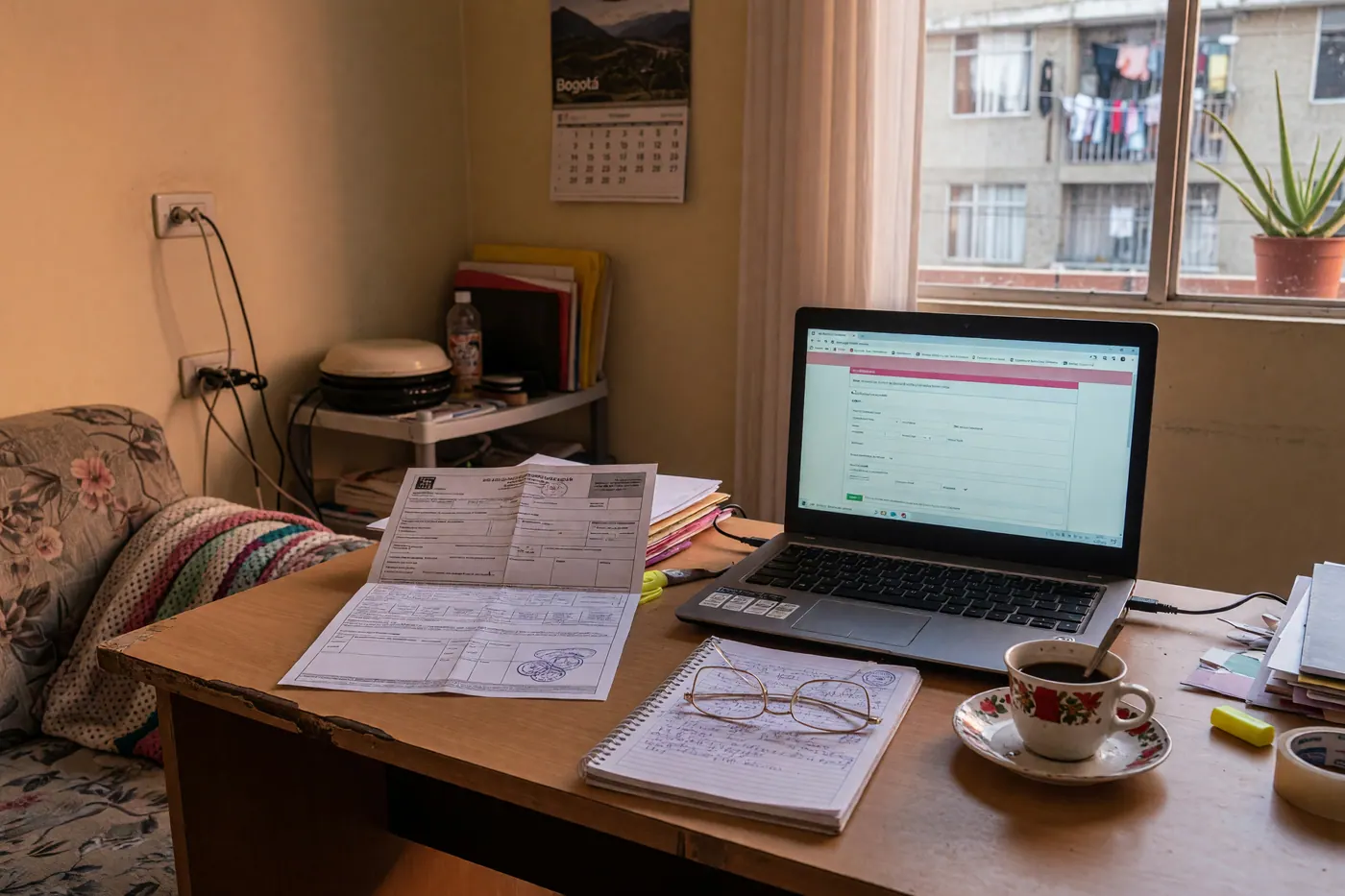
It is a common scenario in Colombia: you hire an expert plumber to fix a leak in a rented apartment, a technician to fix your office computers, or a freelance designer for a specific project. The work is perfect, but when it comes time to pay and ask for the invoice for your accounting, the response is the same: "I'm sorry, I don't issue an electronic invoice because I am an individual not required to do so.".
A few years ago, a simple paper payment receipt was enough to justify the expense. However, under the current tax framework, the payment receipt alone does not allow you to deduct that cost in your income tax return. To avoid losing that tax benefit or incurring extra taxes, the legal solution is to issue the Supporting Document for Acquisitions Made from Subjects Not Obliged to Issue a Sales Invoice (DSNO).
Important note: If you manage employees with direct employment contracts, the rule is different. Check our guide on electronic payroll for small employers to differentiate labor obligations from independent service contracts.
What is the Supporting Document for those not required to invoice and what is it for?
The Supporting Document is the official proof that you, as the buyer or contractor, create to back up the purchase of goods or the provision of services carried out by a provider who is not legally required to issue an electronic invoice or equivalent document (according to Article 771-2 of the Tax Statute).
Unlike a traditional sales invoice—where the seller issues the charge—in the Supporting Document, the flow is reversed: it is the buyer who generates the XML record and transmits it to the DIAN (or keeps it physically if they are not an electronic biller) to provide formal evidence of the cost or deduction.
A key point that causes a lot of unfounded fear is believing that issuing this document automatically makes you an electronic biller for your own sales. DIAN regulations are clear: generating a Supporting Document to justify an expense you incurred does not change your regime or force you to electronically invoice your income.
How to issue the Supporting Document according to your accounting profile
The procedure for processing the Supporting Document varies depending on whether you are already enabled as an electronic biller with the DIAN or if you are an individual or business not required to invoice sales.
1. If you are an Electronic Biller (OFE)
If your company or your independent activity already issues electronic invoices, you are required to generate the Supporting Document electronically (XML with CUDS code) and transmit it to the DIAN for prior validation:
- Request the numbering resolution: Log in to the DIAN Muisca portal, go to "Billing Numbering," and request an exclusive resolution for the document type "Supporting Document for Acquisitions from Non-Obliged Persons". Define a prefix and the desired range.
- Associate the numbering with your software: Associate the prefix on the DIAN's free platform or in your preferred accounting software.
- Issuance frequency: According to DIAN doctrine (Concept 006942), you can transmit the document for each operation on the same day as the service, or cumulatively on a weekly basis per provider, transmitting it within the week following the first transaction.
2. If you are NOT an Electronic Biller (NO OFE)
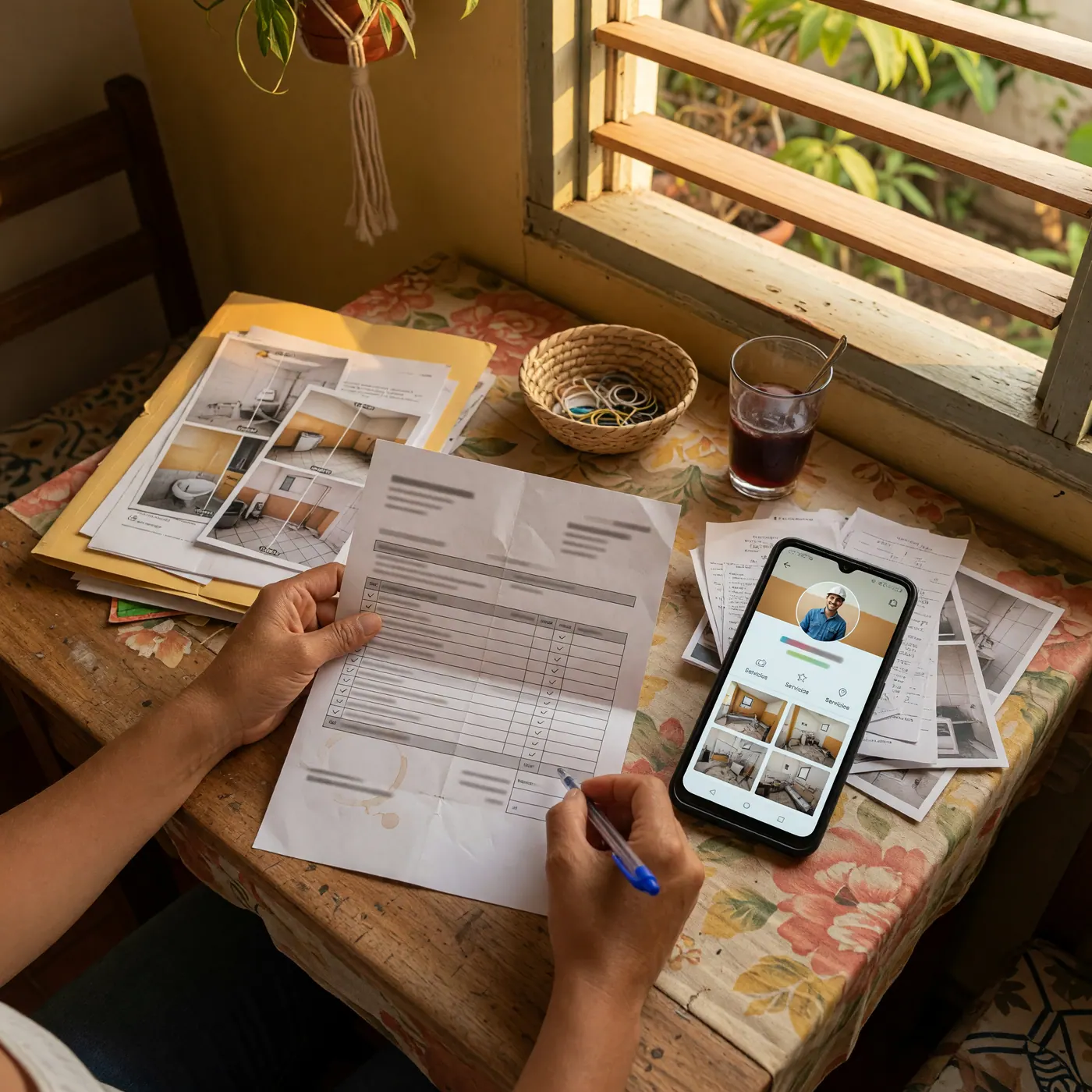
If you are an individual or a landlord who does not issue electronic sales invoices, the law allows you to prepare the Supporting Document in physical format (paper or file) and keep it in your accounting file to back up the costs on your personal income tax return, without the need for real-time digital transmission.
Checklist: Mandatory data you must request from your contractor
For the DIAN to validate your Supporting Document and for the cost not to be rejected during an audit, you must request the following data from the independent worker or technician before making the payment:
- Updated RUT or identity document: Copy of the Unique Tax Registry (RUT) and their national ID (cédula) or tax ID (NIT).
- Full names or company name: Exactly as they appear on their identity document.
- Detailed description of the service: Specify the work performed (e.g., "Preventive maintenance of 3 desktop computers and hard drive replacement"). Avoid generic descriptions like "miscellaneous services."
- Date and total value of the operation: Breaking down the agreed value and the withholding taxes if they apply according to the concept and your status as a withholding agent.
Remember to handle these documents responsibly. You can review our recommendations on how to ask for personal data and protect privacy to avoid risks of identity theft.
Practical real-life examples
To better understand the application of the Supporting Document, let's look at common day-to-day scenarios in Colombia:
- Real estate maintenance and repairs: You hire a painter or carpenter to refurbish a commercial space or home. Since they do not issue invoices, you ask for a copy of their RUT, generate the Supporting Document for the agreed value, and back up the expense related to your rental income.
- Technical services and technology: When hiring a technician for the office, the DSNO is the legal way to record the payment when that provider is not required to invoice.
- Freelance professional services: Translators, designers, or consultants who are not required to invoice. If the contractor decides to formalize in the future, they can consult the guide on electronic invoicing for freelancers.
Common mistakes that invalidate the deduction of your costs
Making mistakes in the management of the Supporting Document can lead the DIAN to reject the deduction:
- Using the wrong document type: Selecting "Cédula de Ciudadanía" in the software when the provider appears on the RUT with a registered NIT can lead to technical rejections.
- Not requesting the numbering resolution on time: Trying to transmit the document with an expired range or without prior authorization from the Muisca platform.
- Grouping different providers into a single document: Weekly consolidation is only allowed for purchases made from the same provider, never for adding up expenses from different people.
Frequently Asked Questions
❓ What happens if I hire someone who does not electronically invoice and I do not issue the supporting document?
You may lose the right to deduct that expense or cost from your income tax return with the DIAN. The regulations require the electronic invoice or the authorized Supporting Document to validate the cost.
❓ Does the Supporting Document force me to start issuing electronic invoices for my sales?
No. Issuing a Supporting Document to justify an expense you had does not change your sales tax regime or turn you into an electronic biller for your income.
❓ How do I request the numbering range for the Supporting Document from the DIAN?
You enter the Muisca portal with your user account, select the "Billing Numbering" option, and request a specific resolution for "Supporting Document for Acquisitions from Non-Obligated Parties".
❓ Can I group several payments to the same independent contractor into a single supporting document?
Yes. The DIAN allows for a supporting document to be generated weekly for each provider, provided it is transmitted within the week following the first transaction made.
❓ What data or documents must I mandatorily ask the provider for before paying them?
You must request a copy of their updated RUT or ID number/NIT, full names, a detailed description of the service provided, and the total value of the transaction.
❓ Does the numbering procedure for the supporting document with the DIAN have any cost?
No. The resolution request and the assignment of the numbering range on the official DIAN Muisca portal are completely free procedures.






Comments
Loading comments...
Checking sign-in status...