
Scams in holiday farm rentals in Colombia: how to identify fake ads and book safely
Renting a farm for a weekend in Colombia shouldn't end in fraud. We explain the red flags, how to verify owners, and the key steps to book safely.
IDIOMA DEL ARTÍCULO
Showing original language
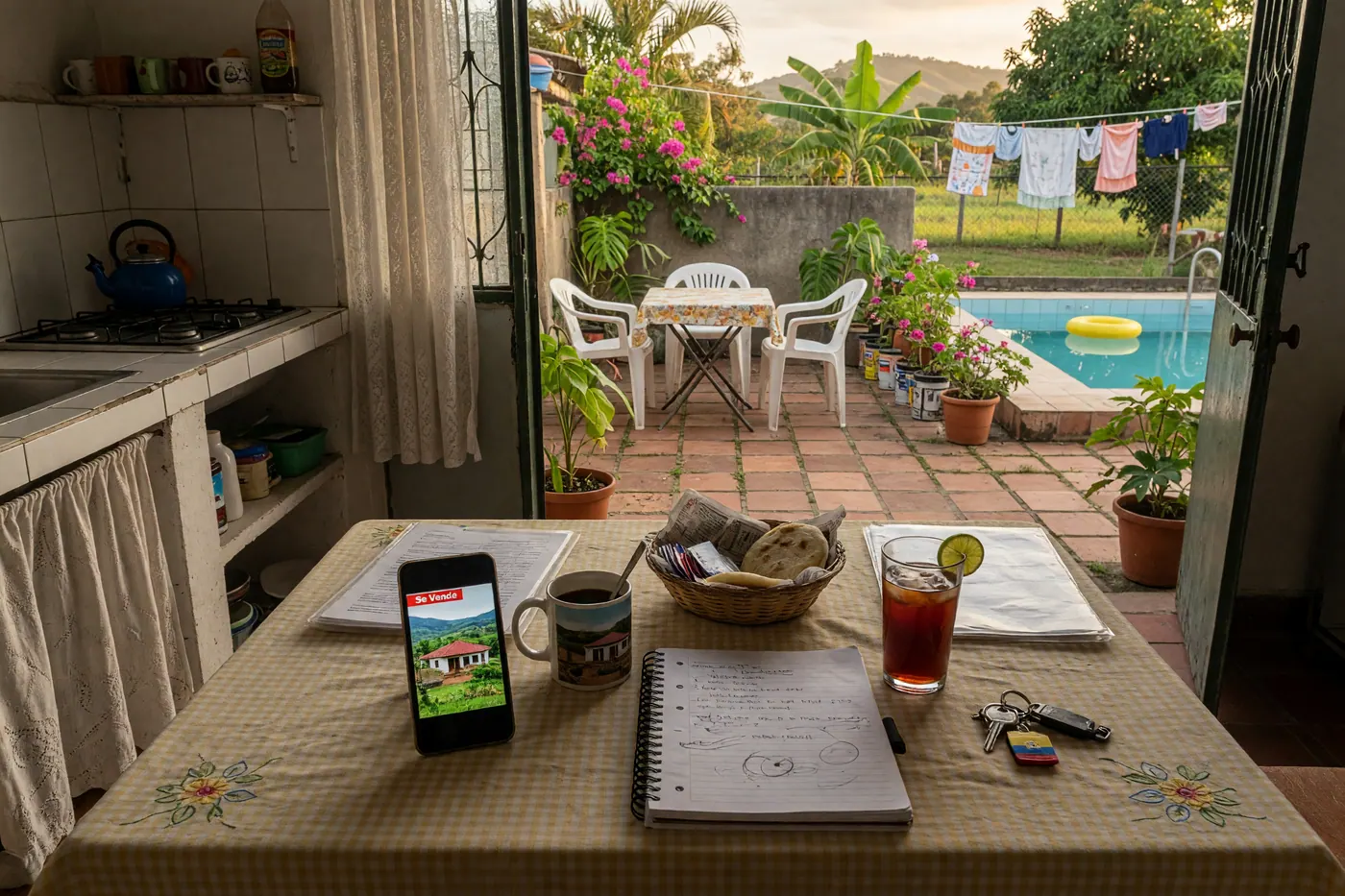
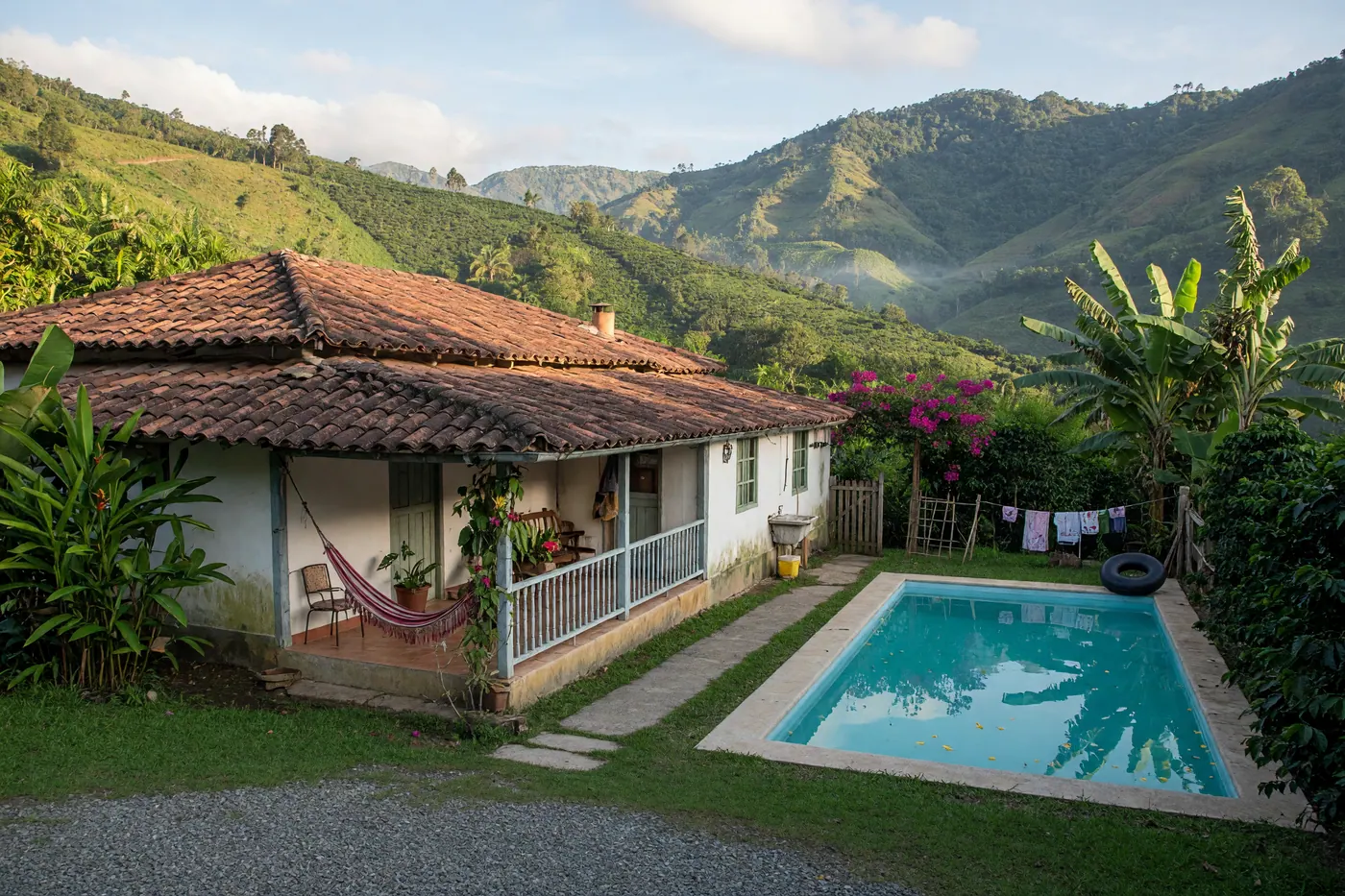
Planning a weekend in Anapoima, Carmen de Viboral, Melgar, or Guatapé usually starts with enthusiasm, but for dozens of families, it ends in frustration upon arriving at the gate to discover that the farmhouse was never booked—or worse, that it does not even exist. Scams involving the rental of vacation homes circulate with duplicated photos on social media and fake messaging profiles.
It is not about giving up on traveling on your own, but rather applying concrete filters before transferring money. According to the active listings on Colombia Move (August 2026), there are 15 farmhouse ads and 3 recent ones, with 3,918 views in that category: there is a demand for getaways, and it is advisable to demand verifiable data whether you are booking or listing.
The quick rule: do not pay until you verify identity, RNT, and photo-consistency
If an advertiser demands an immediate deposit to "not lose the spot," stop. Before sending any deposit or advance payment via bank transfer or mobile app, complete these three essential steps:
- Demand and verify the owner's information: The name of the destination bank account must match the ID or tax ID (NIT) of the contract or the verified profile.
- Confirm the tourism registration if applicable: Check the property's status in public tourism databases before negotiating.
- Request real-time validation: Ask for a short video from inside the property with a specific detail of the day (such as the time or your name written on a piece of paper) or make a video call.
How to verify if a farmhouse or cabin for rent is real
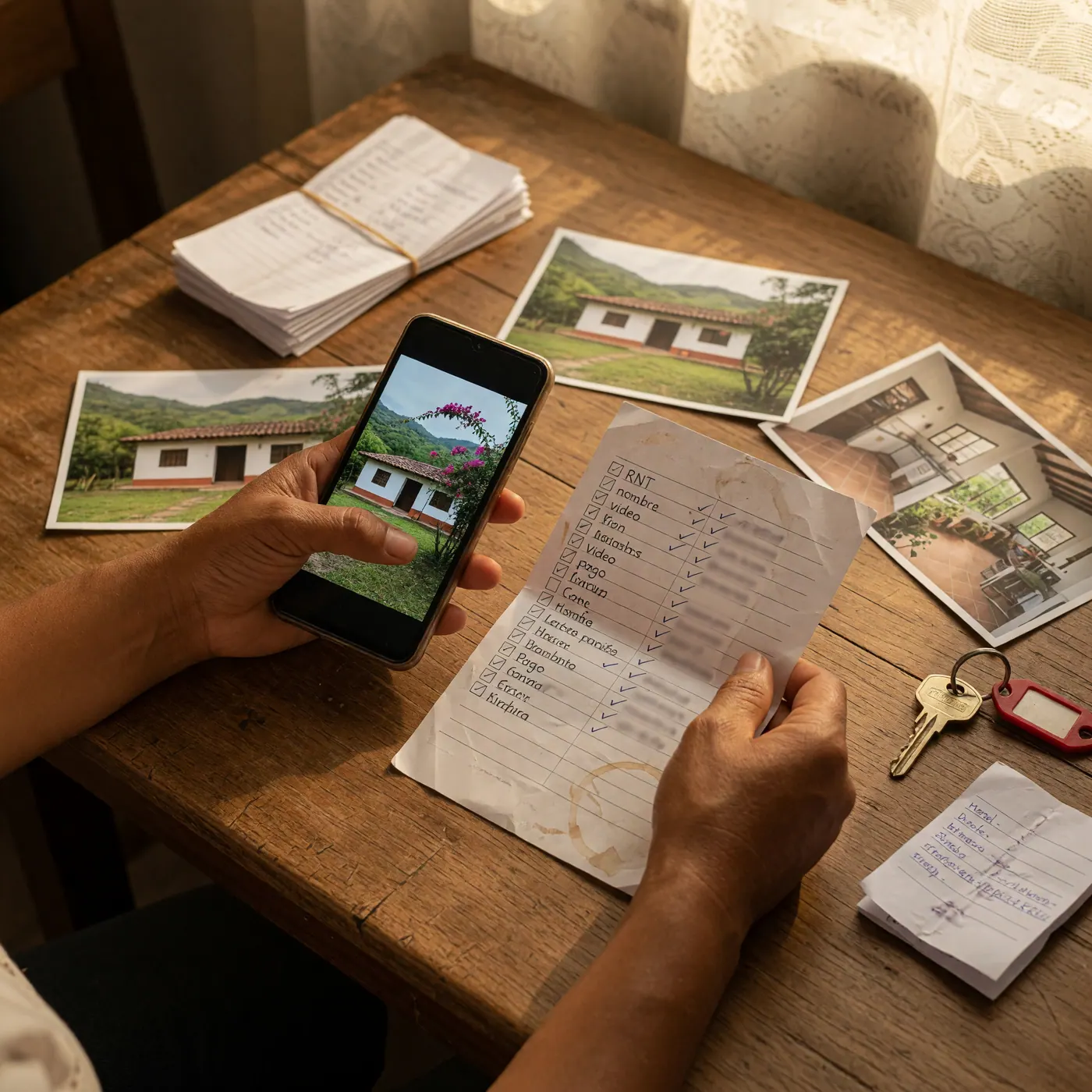
In Colombia, sector regulations require order and transparency in the provision of tourism services. According to the Ministry of Commerce, Industry and Tourism (MinCIT, consulted on August 25, 2026), tourism service providers must register in the National Tourism Registry (RNT) before starting operations and renew it annually between January 1 and March 31. The RNT number must be displayed mandatory on all commercial advertising. Tourist dwellings and other types of lodging or tourist accommodation are among the providers that must register. Operating a tourist service without an RNT can lead to an administrative investigation by the SIC and closure by the municipal or district authority; confirm the specific case, this is not personalized legal advice.
To check if the registered number is authentic:
- Access the public consultation portal of Confecámaras (rnt.confecamaras.co).
- Search by the business name, tax ID (NIT), or the RNT number provided by the advertiser.
- Verify that the category (tourist dwelling or lodging), the published area, and the status are active and match exactly with the farmhouse offered.
If you are looking to deeply understand the requirements of this process for tourist accommodations, you can consult our guide on the National Tourism Registry for farmhouses and short-term rentals.
Warning signs in fake farmhouse listings
Criminals often repeat certain patterns to accelerate the victim's decision. The National Police has warned that tourist package offers via social media or messaging can end in fraud, and recommends verifying the RNT and being wary of extraordinary discounts (statement consulted on August 25, 2026). Stay alert to the following red flags:
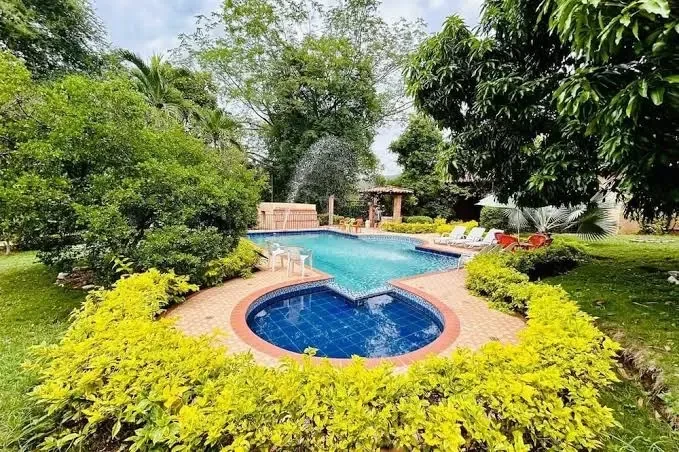
- Abnormally low prices for the season: A high-capacity farmhouse with a pool and luxury amenities offered at a fraction of the average cost during holidays is grounds for suspicion.
- Artificial pressure and urgency: They claim that "there are five other people waiting to pay right now."
- Stolen images or images with erased watermarks: They use photos taken from international sites or legitimate agencies. You can use tools like Google Images to check if the photos belong to another place.
- Refusal to sign a receipt or contract: They refuse to provide written confirmation by email with the agreed-upon conditions.
- Bank accounts in the name of unrelated third parties: They ask you to deposit into the personal account of an alleged "manager" or "assistant" that does not match the contractual responsible party.
How to make payments with the lowest possible risk
Although it is customary in private farmhouse negotiations to agree on an advance payment and the balance at the time of entry, there is no universal official percentage for a "down payment": that is negotiated; it is not a legal rule. You must always maintain the traceability of your funds.
Use direct bank transfers between verified accounts or payment gateways with buyer protection. Avoid cash transfers to the name of untraceable people. Keep screenshots of the conversation, the original listing, the transfer receipt, and the account holder's details.
If you paid through an electronic medium (such as a credit or debit card through a gateway) and were a victim of fraud or did not receive the contracted service, a payment reversal may apply in e-commerce; consult your bank or gateway immediately and keep the proof. There is no guarantee of recovering the money.
What to do if you have already been a victim of deception
If upon arriving at the place or attempting to confirm the trip, the person cuts off communication and blocks calls, act without delay:
- Collect all evidence: Save phone numbers, profile links, bank receipts, and full chats.
- Notify the authorities: File a report through the channels of the Attorney General's Office (Denuncia Fácil / sicecon.fiscalia.gov.co) or call 122 if you lack information. In emergencies, contact 123.
- Report the bank account and the profile: Inform the destination financial institution about the fraud and report the post on the social network or platform where it was hosted to prevent it from affecting other families.
- Administrative claim: In case of commercial disputes or deceptive advertising with formal operators, the Superintendence of Industry and Commerce (SIC) has channels available to report or file a complaint as a tourist consumer, and also to report the provision of tourism services without an RNT.
To avoid confusion with larger real estate scams such as illegal land sales, we recommend checking our article to verify the certificate of freedom and tradition for real estate.
For owners: how to list your farmhouse and generate real trust
If you own a vacation finca, the climate of mistrust generated by fake ads can hurt your bookings. To stand out from dubious offers and provide peace of mind to your guests, ensure you include in your communication:
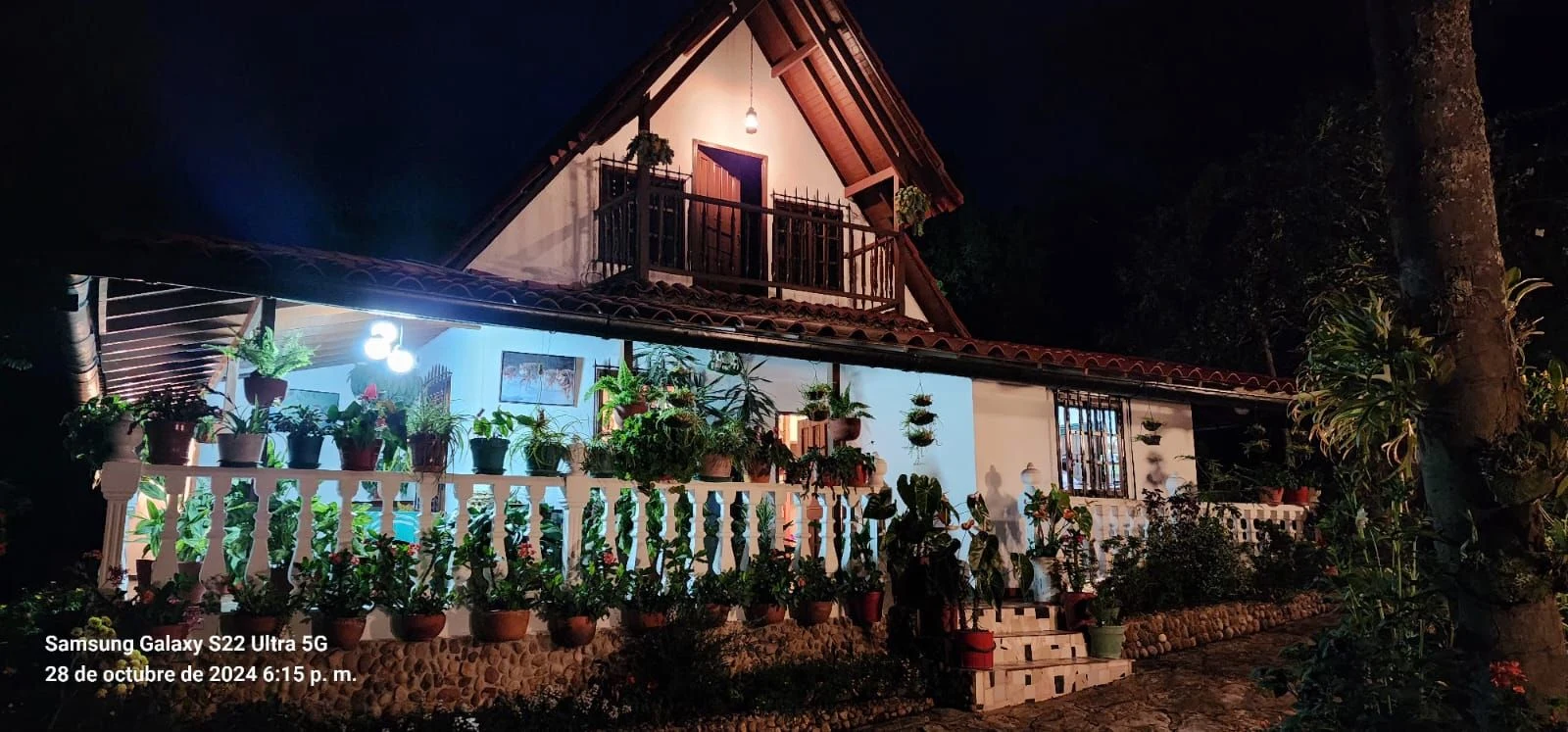
- Real, recent, and non-excessively filtered photos showing specific details of the entrance and access points.
- Clear terms regarding maximum capacity, included services, cancellation policy, and security deposit.
- RNT number visible if you operate under the formal tourist accommodation model.
- Direct verification channels to arrange arrival and key handover.
If you want to delve into the regulatory and operational aspects of managing your country property legally, read our guide on how to rent a vacation finca for weekends in Colombia. You can also compare options in the housing section and in the fincas category.
Frequently asked questions
❓ How can I tell if a finca for rent is real?
Verify the RNT if applicable, the identity of the person in charge, a live video call, and that the ad, payment, and location match. An ad without cross-checkable data is not automatically a scam, but it is a risk signal if it presents itself as tourist accommodation and avoids identification.
❓ Does every vacation finca need a National Tourism Registry (RNT)?
If it is offered as tourist accommodation, check if an RNT is required (MinCIT, consulted 2026). Not all private fincas fall under the same rules; confirm with Confecámaras and do not take this as personalized advice.
❓ Is it safe to pay a deposit via Nequi, transfer, or bank deposit?
The risk depends on verifying the recipient: the account name must match the identifiable person in charge (practical guide, 2026). Avoid unrelated third-party accounts and save receipts; a transfer to a personal account is not always fraud, but it does increase the risk.
❓ What do I do if I already paid and the advertiser disappeared?
Gather chats, receipts, and account data, contact the bank or payment gateway, report the profile, and file a complaint with the Prosecutor's Office (Denuncia Fácil/SICECON). Do not promise recovery: the Prosecutor's Office, the SIC, or the bank do not guarantee a refund.
❓ What should a reliable finca ad include?
Real and current photos, capacity, rules, approximate location, payment and refund terms, an identifiable person in charge, and the RNT when applicable. Without that data, ask for a video call before making any advance payment.
❓ Where can I post a finca in a more reliable way?
Use a complete ad with your own photos, rules, availability, and verifiable data, for example in the Colombia Move fincas category. The platform does not replace the RNT or official State verification.
❓ Does a very cheap price always mean a scam?
Not always, but it is a red flag if it comes with urgency, incomplete data, or immediate payment to a non-verifiable account (2026). Cross-reference photos, RNT, and identity before transferring.


Comments
Loading comments...
Checking sign-in status...