
How to Offer Private Towing and Roadside Assistance Services in Colombia
Learn how to structure an independent towing and roadside assistance business in Colombia. Discover reference rates, RUNT legal requirements, and how to attract direct clients without depending on insurance companies.
IDIOMA DEL ARTÍCULO
Showing original language
Providing independent mechanical assistance and towing services in Colombia is one of the most liquid activities in the automotive sector. While large roadside assistance companies and insurers often impose low rates and payment terms ranging from 30 to 60 days, serving private drivers directly allows you to get paid immediately, set competitive prices, and build a base of recurring customers in your city or key road corridors.
However, operating a rescue vehicle or mobile workshop requires complying with specific traffic regulations, having the corresponding licenses, and applying strict safety protocols to protect your investment and avoid scams or legal complications. In this guide, we explain how to structure your service, calculate profitable rates, verify vehicle documentation before every hookup, and publish your offer without paying commissions.
1. Legal and Operational Requirements for Tow Trucks in Colombia
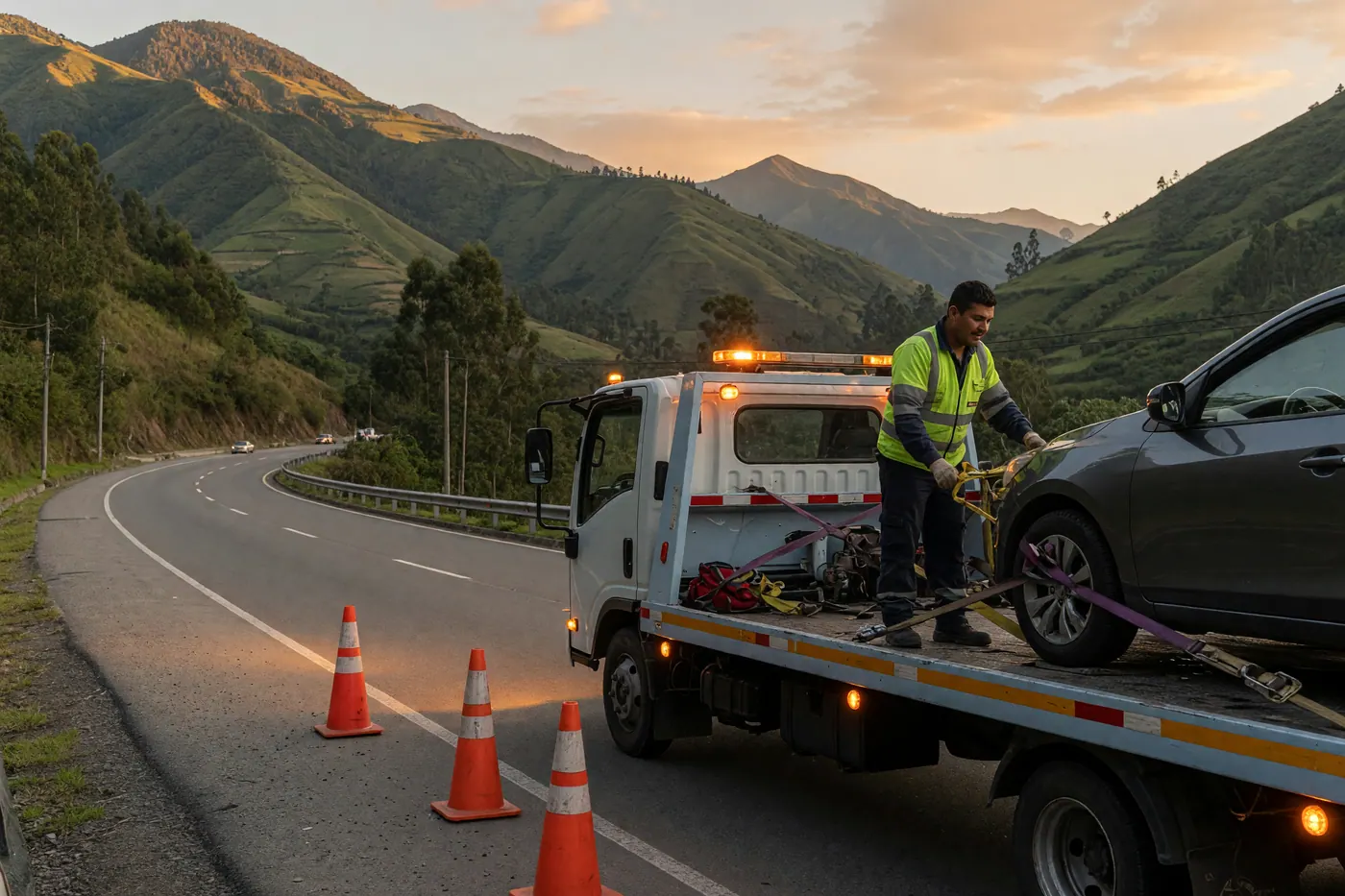
Vehicle transport on the Colombian road network is strictly regulated. According to Article 72 of Law 769 of 2002 (National Land Traffic Code), towing of motor vehicles must be carried out using tow trucks specially designated and homologated for this purpose. Except in exceptional urban emergency situations to clear the road to the nearest safe point, it is not permitted to drag a private car using unauthorized ropes or bars.
To operate legally and avoid immobilization or sanctions at Traffic Police checkpoints, you must verify the following points:
- Operator's driver's license: A category C2 public service license is required for rigid trucks and medium-sized tow trucks, or C3 if driving articulated or heavy-duty vehicles.
- Assistance vehicle documentation: The tow truck must have a valid SOAT, up-to-date technical-mechanical inspection, and an operation card or platform/boom bodywork registration duly typed in the RUNT.
- Tax accreditation: To invoice companies, workshops, or private clients, register the corresponding economic activity in the RUT with the DIAN (such as CIIU code 5229 for transport and logistics support activities). If you wish to formalize yourself efficiently, consult our guide on withholding tax for independent contractors.
- Civil liability policy: Having an extra-contractual civil liability insurance that covers potential damages to the transported vehicle during hookup, loading, and transport maneuvers will give you a decisive sales argument with your clients.
2. Service Modalities and Reference Rates in 2026
The roadside assistance market ranges from scheduled transfers of vintage cars to night-time emergencies due to mechanical breakdowns or collisions. Understanding the difference between types of equipment helps you specialize your commercial proposal:
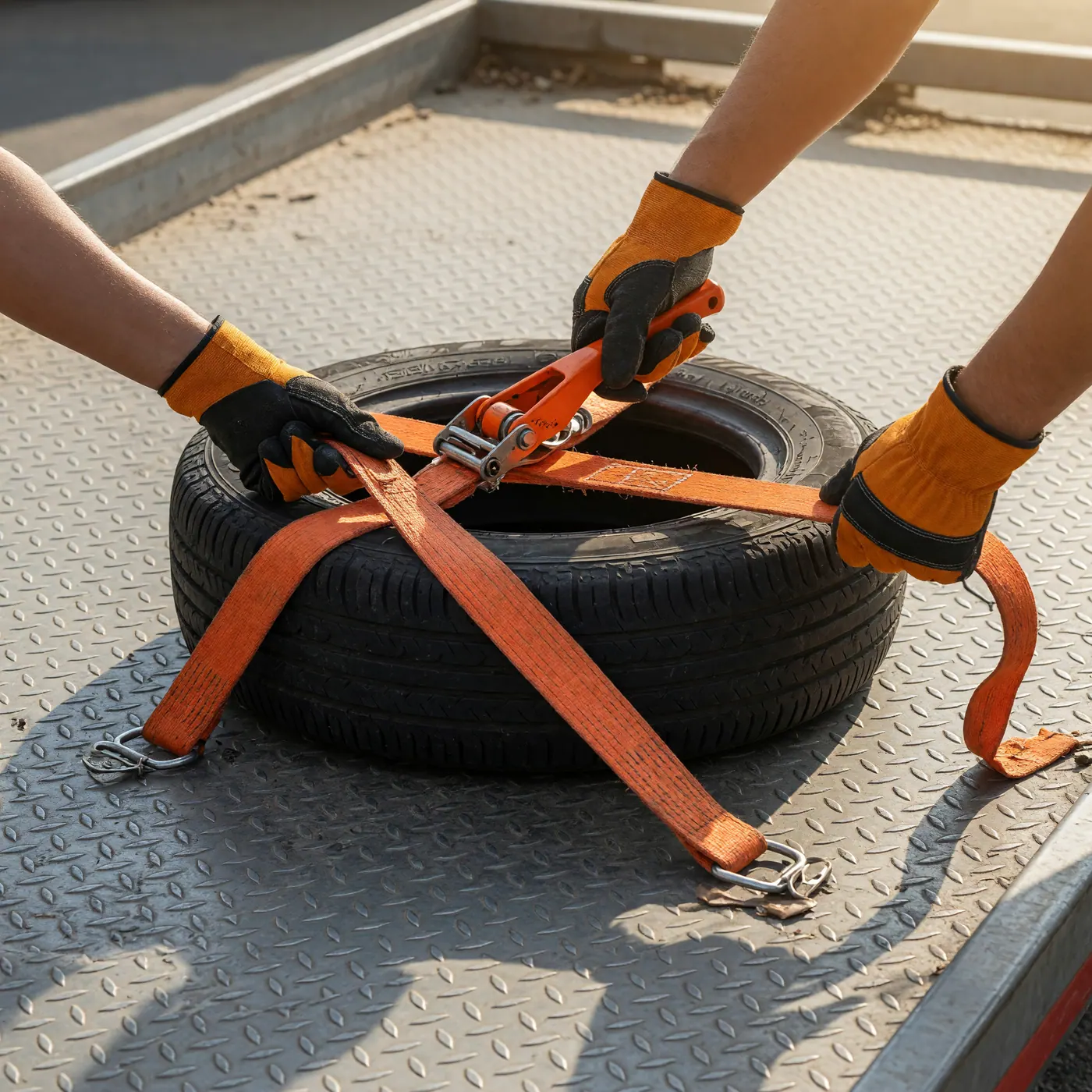
- Platform or hydraulic bed tow truck: It is the most versatile and in-demand. By lifting the vehicle completely onto the platform, it avoids transmission wear. It is essential for automatic cars, 4x4 drive vehicles, heavy pickup trucks, or vehicles with locked steering.
- Boom or wheel-lift tow truck: Designed for lifting a single axle. Its great advantage is maneuverability in underground parking lots, narrow streets, or rescues in ditches where a platform cannot be deployed.
- On-site quick mechanical assistance: Includes high-frequency services that do not require towing, such as jump-starts, fuel delivery, automotive locksmithing for keys left inside, or changing a flat tire.
Commercial Rate Estimate Table (2026 Reference)
Unlike the official lots and traffic fines regulated by each municipality's mobility secretariat, private tow truck services are governed by free supply and demand. The following figures correspond to observed ranges in urban and inter-municipal zones:
| Type of Service | Estimated Price Range (COP) | Billing Details |
|---|---|---|
| Basic urban hookup (light vehicles) | COP 90,000 – COP 220,000 | Includes short transport within the urban perimeter (1 to 10 km). |
| Highway / inter-municipal trip | COP 4,000 – COP 8,000 / km | Initial flag-down fee plus charge per kilometer traveled. |
| Night or holiday surcharge | + 20% to 30% over base | Applies to services between 9:00 p.m. and 6:00 a.m. |
| Direct mechanical assistance (battery / tire change) | COP 40,000 – COP 120,000 | Mechanic's travel and basic on-site solution. |
Note: On inter-municipal or national trips, always clarify with the client who will cover the round-trip tolls before starting the engine.
3. Anti-Theft Protocol and Preventive Verification before Hookup
As a transport and towing service provider, you have an immediate legal responsibility regarding the origin of the vehicle. Moving a car reported as stolen or involved in a property dispute without authorization can make you a suspect of complicity or receiving stolen goods before the National Police.
Strictly apply this four-step protocol before performing any maneuver:
- Request the ownership card (Traffic License): Demand the physical document or the official digital query. Verify that the plate data, brand, color, and engine number match the vehicle exactly.
- Check the requester's identity: Ask for the citizen ID or driver's license of the person requesting the service. If the caller is not the registered owner, request a signed authorization or proof of relationship (assigned driver, family member, or tenant).
- Check the RUNT history: Use the RUNT platform to certify that the vehicle does not have active alerts for theft or seizure. If you want to delve into vehicle background checks, check our tips for verifying vehicle papers and fines.
- Fill out an inventory sheet and photographic record: Take clear photos of all four sides of the vehicle, the condition of the windows, any previous scratches or dents, and valuable items inside the cabin. Have the client sign a digital or physical copy before starting.
4. How to Promote Your Service and Attract Direct Clients
To avoid depending on third parties who keep 40% of the service value, you need your own channels where drivers in trouble can find you in seconds from their phones.
A direct and effective advertisement should include:
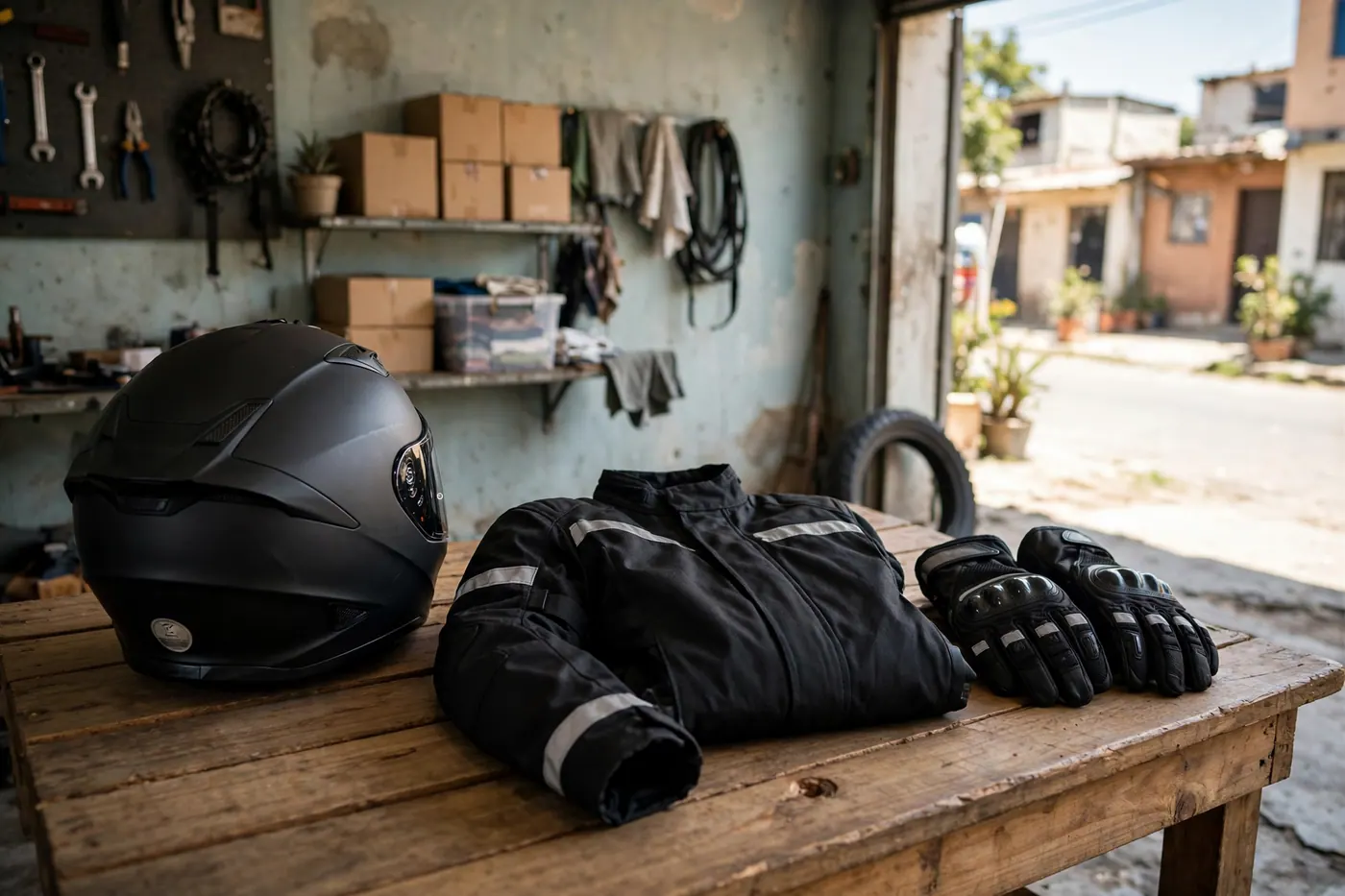
- Real photographs of your tow truck or equipment: Show your vehicle clean, with visible logos, signal lights, and operators equipped with reflective vests. Real photos generate 5 times more trust than generic images from the internet.
- Clear coverage zones: Specify if you serve within the metropolitan area (Bogotá, Medellín, Cali, Barranquilla, Bucaramanga) or if you perform rescues on national routes and specific toll roads.
- Average response times: Stating "estimated arrival between 20 and 45 minutes within the urban perimeter" gives certainty to a distressed user on the road.
- Transparent quoting: Explain in advance if you charge for complex extraction maneuvers (for example, rescue in ravines or low-ceiling parking lots) to avoid arguments at the time of delivery to the workshop.
According to active ads on Colombia Move (August 2026), there are 2 active moving ads with 190 views and 2 driver ads with 117 views, while delivery is empty. That thin supply leaves room for tow truck operators and mobile workshops that publish their zone and direct phone number. When the ad is ready, publish your tow truck service for free with coverage, equipment type, and WhatsApp.
Frequently Asked Questions
❓ How much does private tow truck service cost on average in Colombia?
For short urban trips for light vehicles, the base rate usually ranges from COP 90,000 to COP 220,000. On the highway, a starting fee plus COP 4,000 to COP 8,000 per kilometer is added; these are 2026 market ranges, not a single official rate.
❓ What license category is required to drive a tow truck?
A C2 public service license is required for rigid trucks and medium tow trucks. For heavy or articulated vehicles, C3 applies; confirm the current category at RUNT (source: runt.gov.co, accessed 2026).
❓ Does asking for the property card before hooking up the car prevent a scam or theft?
Yes: cross-checking the property card and ID is the security protocol to confirm legitimate ownership. Without that check, the operator is exposed to reports of theft or receiving stolen goods (source: Police/DITRA, 2026).
❓ What is the difference between a flatbed tow truck and a boom truck?
The flatbed lifts the entire car onto the platform and protects the transmission. The boom or hook lifts a single axle and enters narrow parking lots better; choose according to the rescue site, not by trend.
❓ How are tolls charged on intercity trips?
The client assumes the tow truck's round-trip tolls, unless otherwise agreed. Leave it written in the 2026 quote before leaving, so there is no argument at the destination workshop.
❓ Where can I publish my tow truck or roadside assistance service for free?
You can advertise your zone, photos, and WhatsApp on open platforms like Colombia Move. Contact arrives directly, without service commissions; the ad is indexed, and the driver writes to you without a call center.


Comments
Loading comments...
Checking sign-in status...