
How to Sell Second-Hand Clothes in Colombia: Consignment vs. Direct Sale
Compare the advantages, commissions, and real margins between giving your clothes to consignment stores or selling them directly through classifieds and WhatsApp in Colombia.
IDIOMA DEL ARTÍCULO
Showing original language
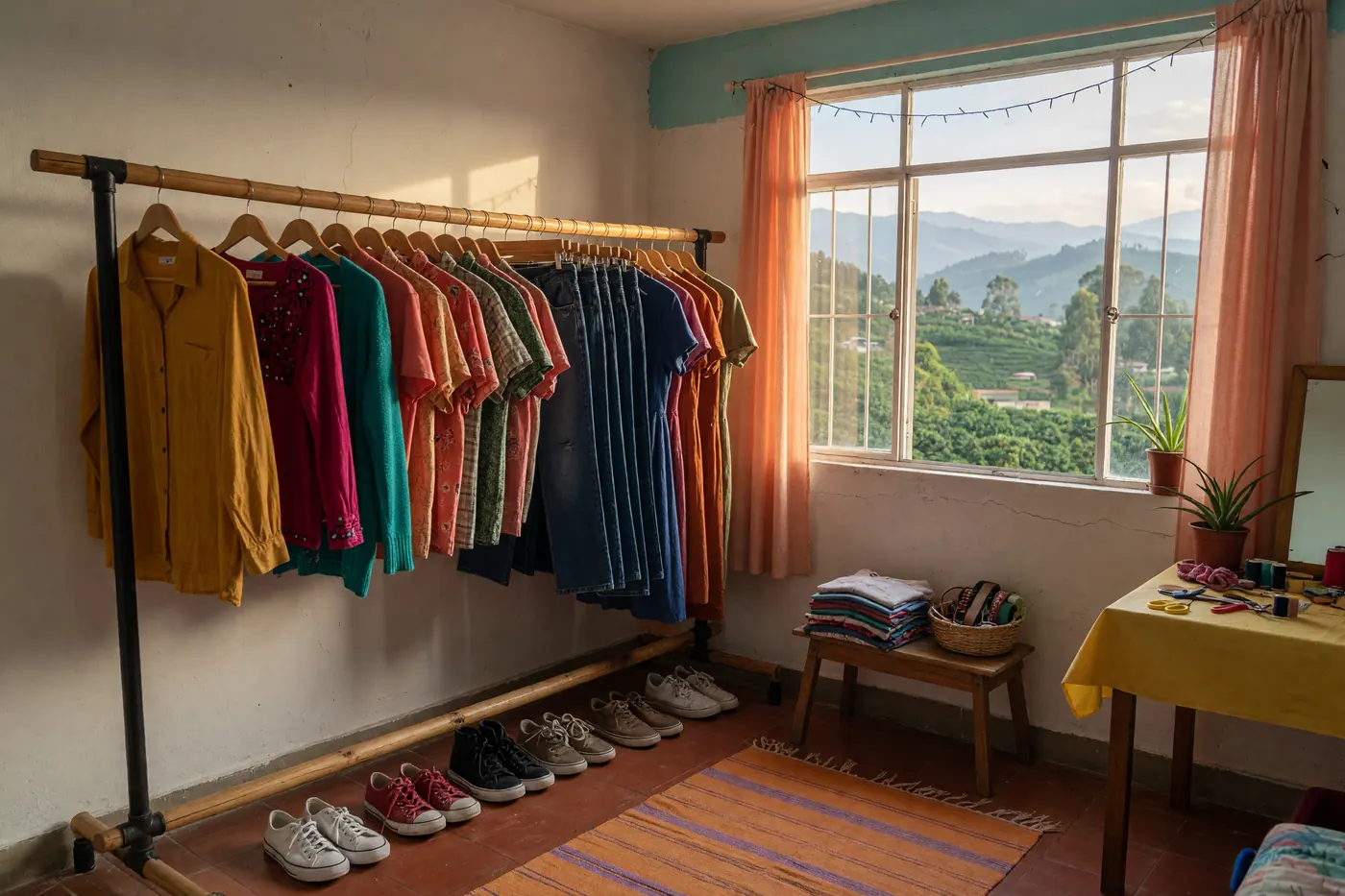
Renovating your closet or hosting a closet sale has become one of the fastest and most sustainable ways to generate extra income in cities like Bogotá, Medellín, and Cali. In 2026, circular fashion in Colombia is not just an ecological trend to reduce textile waste, but a smart financial decision to recover liquidity from clothes, shoes, and accessories in excellent condition that you no longer use.
However, when it comes to liquidating your clothes, a crucial question arises: is it better to hand the items over to a consignment shop or sell them directly? Although both options have their merits, the hidden costs, commissions, and payment times vary drastically depending on the channel you choose. Below, we break down the real profitability of each alternative so you can make the best decision for your wallet.
Clothing Consignment: Is the Convenience Worth It?
Physical consignment stores and apps specializing in secondhand fashion offer an undeniable appeal: they do the heavy lifting. In this model, you hand over a batch of items, and the establishment handles display, customer service, and shipping logistics.
However, that convenience comes at a high price to your final margin. Key aspects to consider before opting for consignment include:
- High commissions: Consignment shops in Colombia usually deduct between 25% and 50% of the final sale price of each item. If it involves boutique curations or luxury items, the deduction can be even higher.
- Reception and selection times: The evaluation and cataloging process at a consignment store can take between 20 and 30 days. If the item does not pass the quality or seasonal filter, you will have to go pick it up.
- Deferred payment cycles: The store does not pay you upon receiving the clothes. The disbursement is only made when the item is actually sold, which in many cases means waiting between 30 and 90 days to see the money in your bank account.
- Mandatory discounts: If an item does not sell within a specific timeframe (for example, 60 days), many stores apply automatic markdowns of 20% to 40% on the agreed price, further reducing your net return.
Direct Sale Without Intermediaries: Keep 100% of Your Profit
The alternative to consignment is selling directly to the end buyer. By using local classified platforms or social media, you take on the process of taking photos and agreeing on delivery, but you keep 100% of the money collected.
According to active ads on Colombia Move (August 2026), there are 3 ads for women's clothing, 4 for men's clothing, and 2 for fashion accessories, while the shoe category is empty: there is local demand, but little supply posted. By removing consignment stores from the equation, you gain immediate financial and operational advantages:
- Zero sales commissions: Every peso paid by the buyer goes directly into your pocket, allowing you to set more competitive prices or earn more money for the same garment.
- Immediate payment: Unlike the months-long wait in consignment, in a direct sale, you receive payment instantly via Nequi transfer, DaviPlata, or cash at the moment of delivery.
- Absolute control over your items: You decide the price, negotiate if you want to offer a discount for a clothing bundle, and keep the items stored at your home until the sale is finalized.
Financial Simulation: How Much Money Do You Actually Receive?
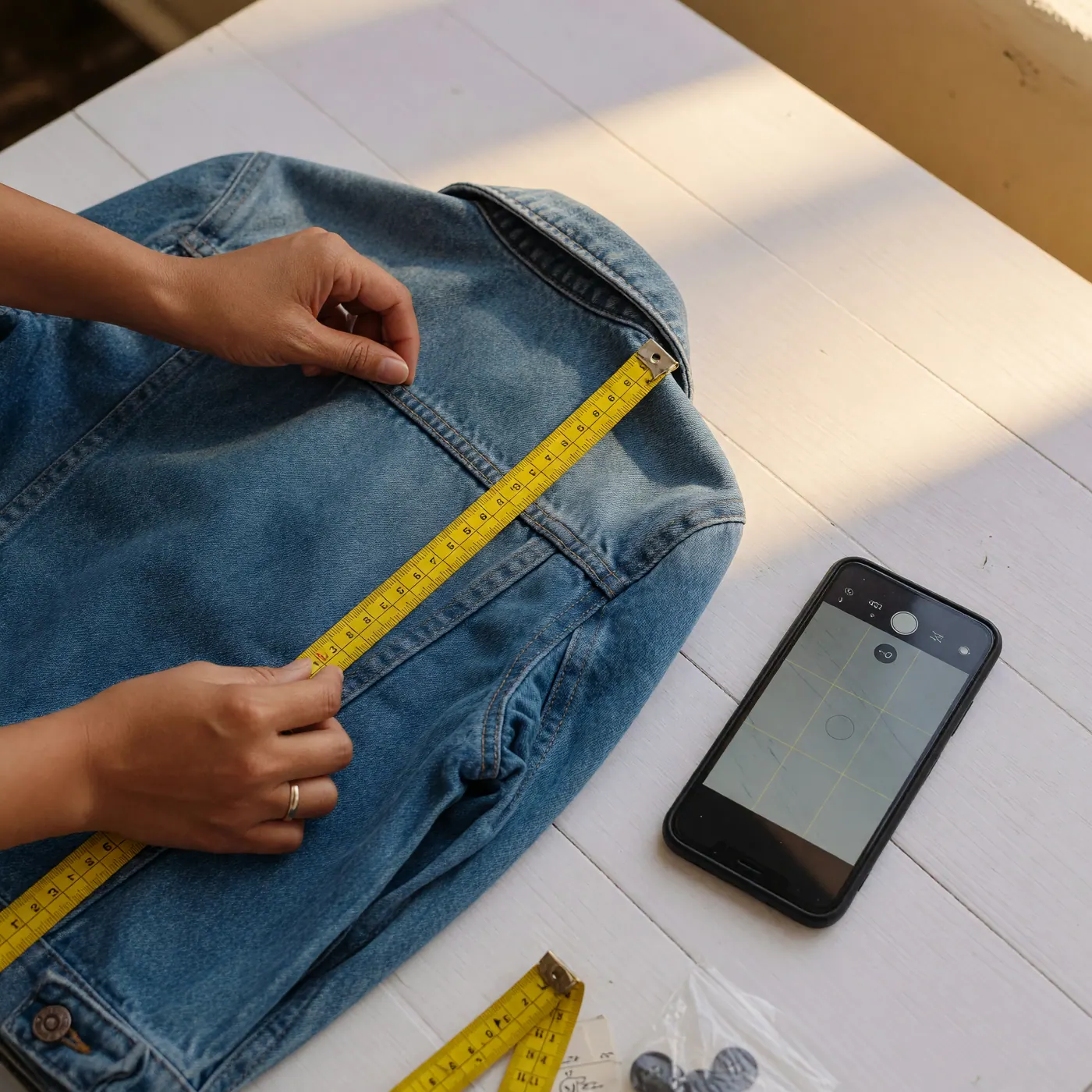
To visualize the difference between both channels, let's look at the case of a branded jacket or dress in excellent condition with a used market value of $100,000 COP.
| Concept / Channel | Consignment Shop (35% comm.) | Direct Sale (Classifieds) |
|---|---|---|
| Retail Selling Price | $100,000 COP | Same market value |
| Intermediary Commission | -$35,000 COP | $0 COP |
| Publication / Platform Fee | $0 COP | $0 COP (On free platforms) |
| Shipping / Delivery Cost | Discounted or covered by store | Paid by buyer or on delivery |
| Net Money for the Seller | $65,000 COP | $100,000 COP |
| Average Payment Time | 30 to 60 days | Immediate (Same day of sale) |
As the calculation shows, by selling directly you earn 35% more money for the same item and avoid depending on the monthly payout cycles of stores. If you want to explore more options to declutter your home and monetize items you no longer use, check our guide on where to sell used goods in Colombia without commissions.
Step-by-Step Guide to Photographing and Measuring Your Clothes
The secret to selling secondhand clothes quickly and without refunds lies in presentation and information accuracy. Follow these practical steps to build your catalog in minutes:
1. Garment Preparation
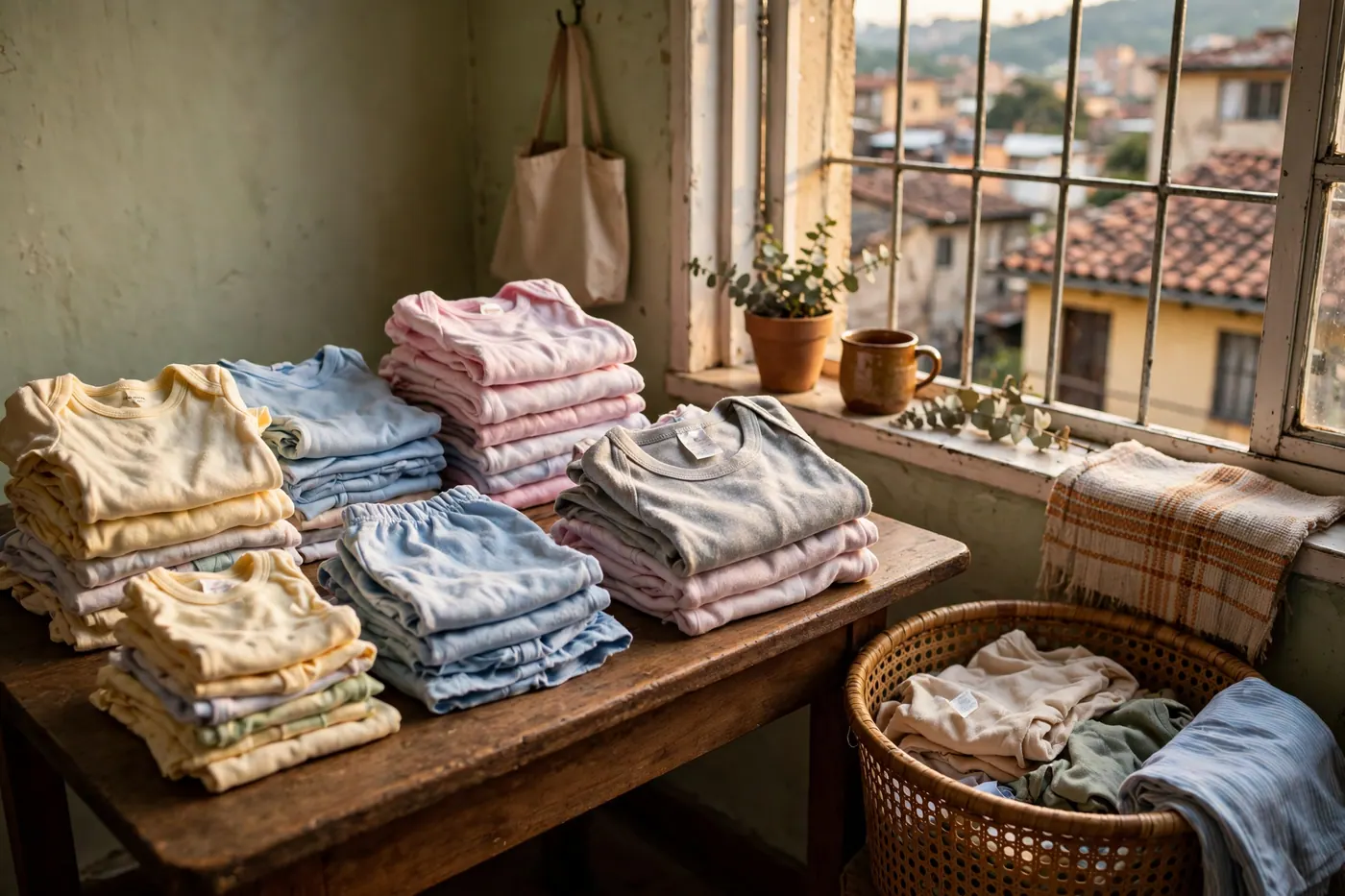
Wash and iron every piece well. Wrinkled clothes look sloppy and drastically reduce perceived value. Clean shoes, checking that soles are free of mud or dirt.
2. Photography with Natural Light
Take photos during the day near a large window, avoiding harsh shadows or yellow light from bulbs. Use a neutral background (a white or light-toned wall) and hang the item on a good hanger. Include at least 4 photos:
- Full front view of the garment.
- Full back view of the garment.
- Close-up (zoom) of the label showing brand, size, and fabric composition.
- Detail of zippers, buttons, embroidery, or any small defect (such as minor wear or pilling). Honesty builds trust.
3. Taking Exact Measurements in Centimeters
Clothing sizes vary enormously between brands. To avoid repetitive questions or size-related complaints, lay the garment flat on a table and measure with a tape measure:
- Shirts and Jackets: Width from shoulder to shoulder, chest width (armpit to armpit), and total length from neck to hem.
- Pants and Jeans: Waist width, hip width, front rise, and inseam length.
- Dresses: Chest width, waist, and total length.
Condition Categorization and Fair Pricing
To decide on a listing price, research how much the item costs new in stores and apply a realistic discount based on its condition:
- New with tags: You can set the price between 30% and 40% below the retail value. Ideal for gifts you never used or online purchases that were the wrong size.
- Like new (Excellent condition): No visible signs of wear, firm colors, and intact fabric. Price it between 50% and 60% below the original value.
- Good condition (Normal wear): Clothing that has been washed but is well-kept, with no stains or tears. Set the price with a 60% to 75% discount relative to its initial value.
Remember that if you sell directly, you have the flexibility to offer bundles or combos (for example, 3 t-shirts for a special price), which helps clear items from your closet faster.
Shipping and Payment Security in Colombia
When selling directly to buyers in your city or other regions of Colombia, it is essential to follow basic logistical and banking safety rules:
Direct Balance Verification in Apps
The most common type of scam in online clothing sales is the use of fake Nequi or DaviPlata receipts (edited screenshots or fraudulent text messages). Never ship or hand over an item until you open your banking app and confirm the money is in your account's available balance. Ignore notifications regarding "pending balance" or check deposits. If you want to learn more about protection protocols, check out our guide on avoiding fake transfer receipts.
Secure In-Person Deliveries
If you arrange a physical meeting with the buyer in cities like Bogotá, Medellín, or Cali, choose public, well-lit, and busy places during the day. Food courts in shopping malls, guarded apartment complex gates, or areas near major transport stations are ideal locations.
National Shipping and Urban Courier Services
For local deliveries, you can coordinate urban courier services directly or use specialized shipping companies like Inter Rapidísimo, Envía, or Coordinadora. In 2026, a light clothing package (up to 1 kg) within the same city or for inter-municipal shipping typically costs between $10,000 and $18,000 COP, a cost usually covered by the buyer at delivery or added to the item's price.
Recommended reading: If you are learning how to structure your direct listings, check out our detailed guide on how to sell used items without intermediaries or surprise fees.
Frequently Asked Questions
❓ What commission do clothing consignment stores in Colombia charge?
In 2026, they usually charge between 25% and 50% of the sale price, depending on each store or app. They also typically require 20 to 30 days to evaluate and add items to the catalog.
❓ Is it legal to sell second-hand clothes in Colombia without paying taxes?
Yes: according to the DIAN (as of 2026), the occasional sale of personal used clothing by natural persons not required to issue commercial invoices does not generate VAT or special tax obligations.
❓ How should you measure a garment to sell it online?
Use a flexible measuring tape with the garment laid flat on a level surface and measure in centimeters the shoulder width, chest (armpit to armpit), waist, and total length.
❓ How to avoid scams when receiving payments via Nequi or DaviPlata when selling clothes?
In 2026, verify the available balance within your own banking app before handing over or shipping the clothes. Never trust screenshots, emails, or SMS sent by the buyer.
❓ Where is the safest place for in-person delivery of clothes sold in Bogotá or Medellín?
In 2026, agree to meet during the day in shopping mall food courts, guarded lobbies, or near public transport stations. Avoid isolated spots or traveling to unknown residential addresses.
❓ Where can I post second-hand clothes and shoes for free without intermediaries?
You can post your items on local classified platforms like Colombia Move, where you maintain direct contact with the buyer via WhatsApp without paying sales commissions.


Comments
Loading comments...
Checking sign-in status...