
How to Verify the Identity and Background of a Tenant or Buyer in Colombia
Learn how to verify the identity, criminal records, and financial capacity of a tenant or buyer in Colombia without violating Habeas Data laws.
IDIOMA DEL ARTÍCULO
Showing original language
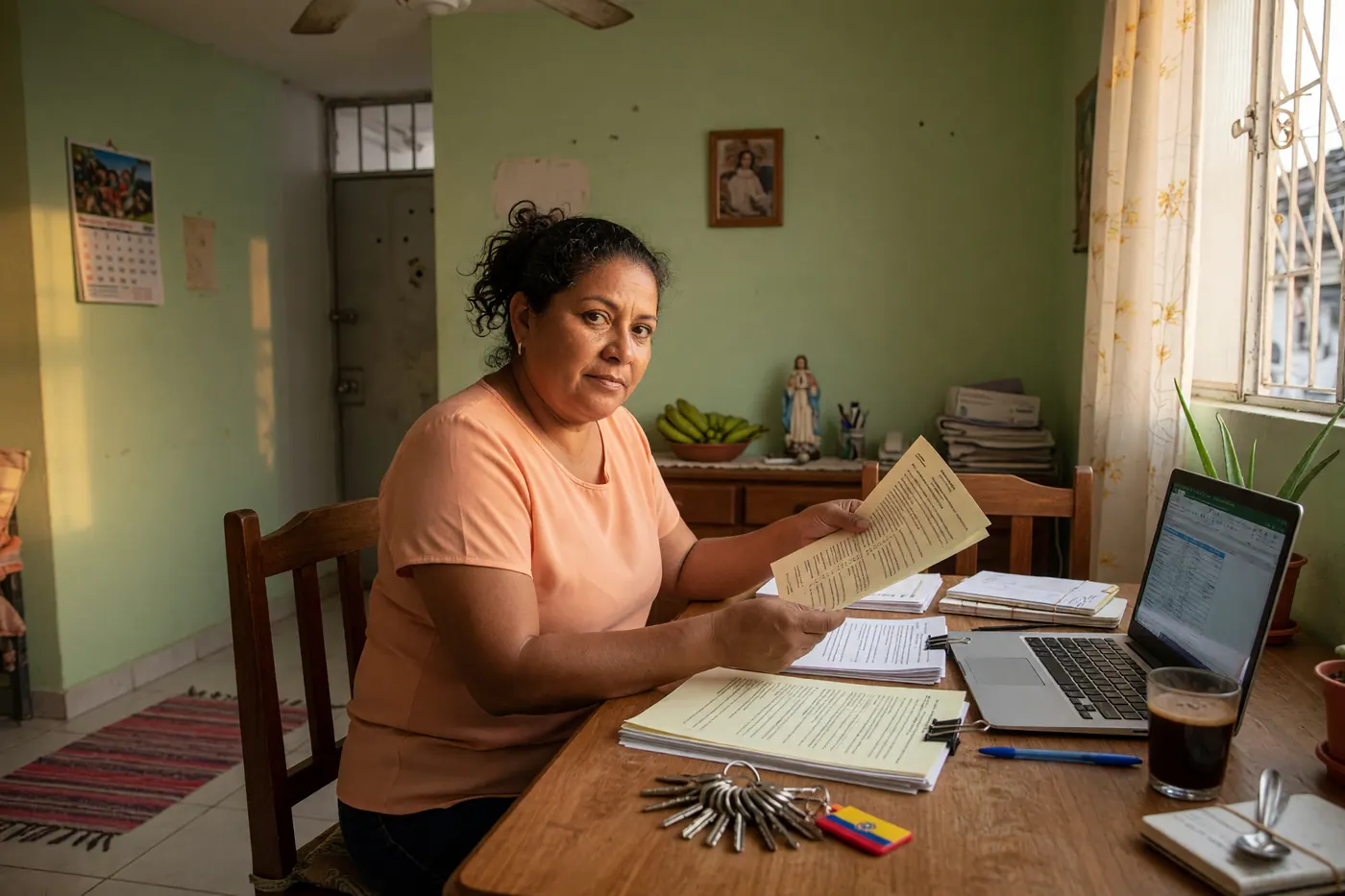
When handing over keys to an apartment in Medellín or closing the direct sale of a vehicle, the biggest fear for any owner or seller is facing payment default, identity theft, or a transaction that ends in a scam. That is why prevention is the best strategy. Before signing any contract, it is essential to thoroughly validate who you are doing business with and establish clear rules on who will assume the repairs and rental responsibilities.
Fortunately, in Colombia there are public databases and legal mechanisms that allow you to filter candidates with high precision. However, to avoid incurring legal penalties or violating the applicant's privacy, you must follow a structured protocol that respects current regulations.
According to active listings on Colombia Move (August 2026), the rooms category had 10 active listings, 3,125 views, and 4 favorites. For those who rent without traditional intermediaries, having your own security filter is an indispensable tool.
1. Mandatory signing of the Habeas Data authorization
The first legal step before requesting any documents or checking background databases is to obtain prior, express, and informed authorization for the processing of personal data. In Colombia, Statutory Law 1581 of 2012 and Law 1266 of 2008 strictly regulate the handling of private information.
If you intend to evaluate economic solvency or verify data in private databases, you must present the applicant with a simple signed document stating that they authorize you to consult and validate their information. Without this signed document, the profile analysis may violate personal data processing rules.
2. Validation of the citizenship card and income supporting documents
Identity theft using stolen or altered ID cards is one of the most common frauds in the real estate and direct sales sector. Always request a legible copy of the current Cédula de Ciudadanía or Cédula de Extranjería. Verify that the fingerprints, date of issue, and hologram of the physical or digital document fully match the person you are negotiating with.

When reviewing income supporting documents (work certifications or bank statements), maintain an analytical approach. To avoid digital forgeries or fictitious transfers, demand that bank statements be PDFs downloaded directly from the official virtual banking portal of the bank, not editable screenshots. You can check similar security recommendations in our article on how to detect fake payment receipts.
3. Free inquiries in official public portals
In Colombia, there are government portals where anyone can make public inquiries to evaluate the administrative, fiscal, and traffic history of a candidate. These tools are free and publicly accessible:
- Procuraduría General de la Nación (SIRI): By visiting www.procuraduria.gov.co, you can generate the Certificate of Disciplinary Records for free using the ID number to check that the applicant does not have any current disqualifications or sanctions.
- Contaduría General de la Nación (BDME): Through its official platform, you can consult the Boletín de Deudores Morosos del Estado (BDME). This system registers individuals with outstanding payment obligations to public entities that exceed 5 SMMLV (COP 8,754,525 in 2026) and are more than 6 months past due.
- Colombian National Police (RNMC): The National Police judicial records portal allows you to check status regarding judicial orders and consult corrective measures under the National Police Code (RNMC). It is important to note that the terms of use for this platform limit inquiries for mass commercial purposes or without consent.
- SIMIT System: By visiting fcm.org.co/simit, you can validate with the applicant's ID if they have pending traffic tickets or defaulted payment agreements. If the transaction involves selling a vehicle, also consult the step-by-step guide to download the SIMIT clearance certificate.
To learn more about the types of official certificates required in Colombia, consult our detailed guide on police, Procuraduría, and Contraloría background certificates.
4. Financial evaluation: risk bureaus and bond companies
Unlike public state databases, private risk bureaus like DataCrédito Experian and TransUnion operate under a strict confidentiality regime. An independent landlord or seller cannot directly access a bank's database to check a third party's credit score unless they have an authorized platform and the corresponding signed Habeas Data.
If you wish to validate the applicant's credit capacity without taking on the administrative burden, you have two quite common legal alternatives:
- Ask the candidate themselves to download and share their own report issued by the bureaus' official platforms.
- Process the contract through a bond company or rental insurer in Colombia, which charges a variable fee to perform a complete security study and guarantee monthly rent payment in case of default.
5. Quick checklist for the independent owner or seller
| Step | Required action | Tool / Portal |
|---|---|---|
| 1 | Obtain Habeas Data signature | Physical document or digital signature |
| 2 | Verify physical/digital ID | Data verification and clear photocopy |
| 3 | Check disciplinary records | Procuraduría General (SIRI) |
| 4 | Check status of public debts | Contaduría General (BDME) |
| 5 | Check traffic tickets and fines | SIMIT (fcm.org.co/simit) |
| 6 | Validate income and statements | Original bank statements / Work letter |
Frequently Asked Questions
❓ Is it legal to check a tenant candidate's background in Colombia?
Yes, it is completely legal as long as the candidate previously signs an authorization for personal data processing in accordance with Law 1581 of 2012.
❓ How can I check a person's disciplinary and fiscal records for free?
You can visit the official website of the Procuraduría General de la Nación (www.procuraduria.gov.co) to download the disciplinary certificate and go to the Contaduría General to check the BDME.
❓ What documents must I request to verify a tenant's identity?
You should request a legible copy of their national ID card (cédula de ciudadanía), a signed Habeas Data authorization, and proof of income such as recent bank statements or a letter of employment.
❓ Can I check DataCrédito or TransUnion directly as a private landlord?
Not directly or independently without being registered with those credit bureaus. You can ask the applicant to present their personal report or use an authorized insurance provider (afianzadora).
❓ What should I do if I suspect an income statement or bank extract has been altered?
Ask them to share the original PDF file downloaded from their online banking or verify the authenticity of the employment letter by calling the employer directly.
❓ What does it mean if an applicant has traffic fines reported in SIMIT?
It indicates outstanding traffic fines. While not a criminal penalty or a legal barrier to renting, it reflects the applicant's level of financial compliance.



Comments
Loading comments...
Checking sign-in status...