
Bad Check and Pending Balance Scam When Selling in Colombia: How to Protect Yourself and Report It
A Friday receipt might be a check in the clearing process. Check the available balance before handing over the car, and if it bounces, report it.
IDIOMA DEL ARTÍCULO
Showing original language
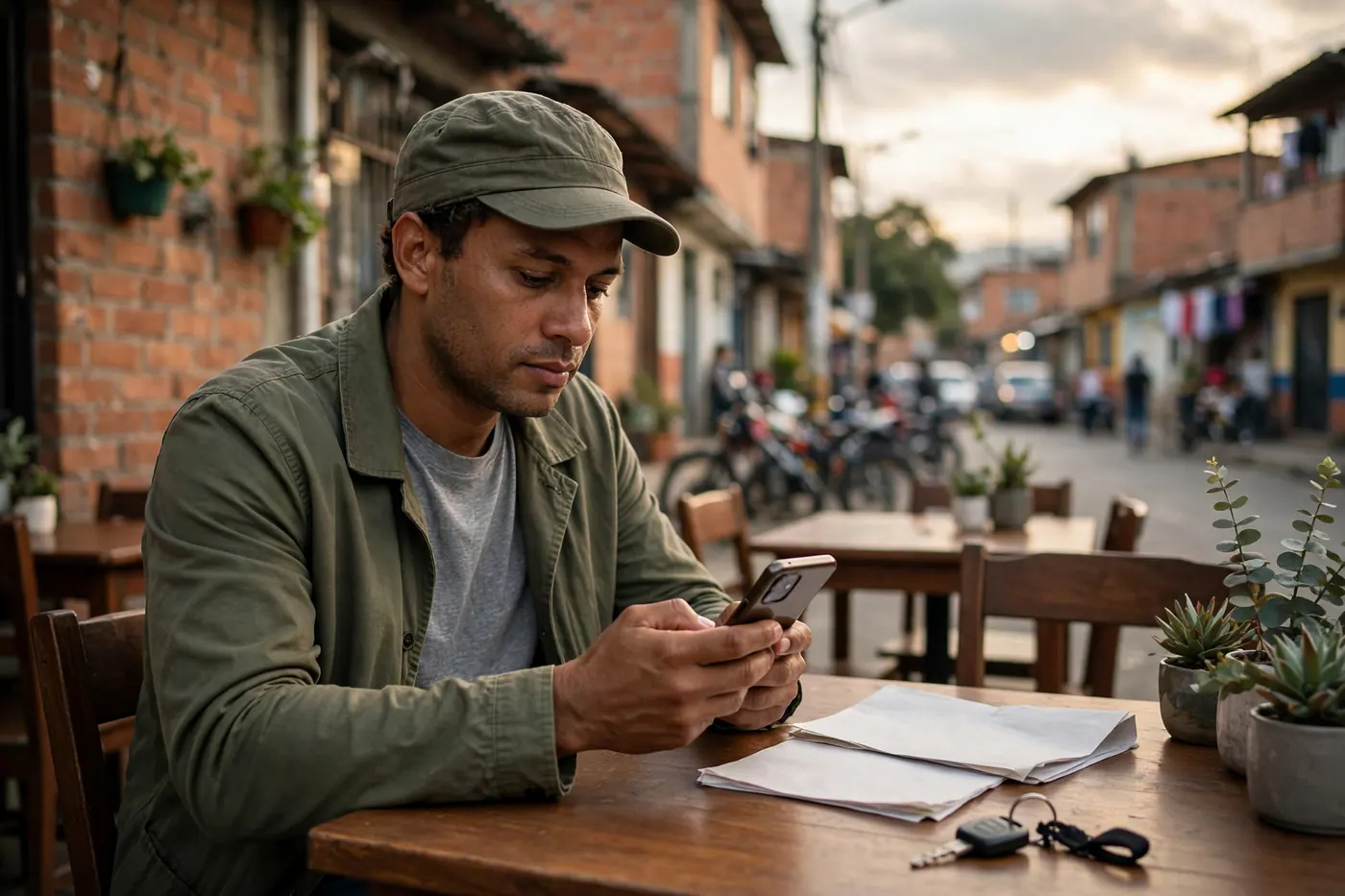
Friday, 4:45 p.m. You have posted your car or a high-end computer on a classifieds site and a determined buyer appears. They don't dispute the listed price, show an eagerness to close the deal that very moment, and, after asking for your savings account number, they send you a clear photograph of the deposit receipt from a bank teller or ATM. You open your banking app on your phone, see that the amount matches on the screen, sign the transfer contract, hand over the keys, and say goodbye with peace of mind. However, the following Tuesday you check your account again and discover that the money has completely disappeared: you have fallen for the classic scam of balance in clearing with a bad check.
This type of criminal activity remains one of the most recurring headaches for those selling medium and high-ticket items between private individuals in Colombia. Accounting terms within the financial system are often confused, and the actual timeframes for money to effectively enter an account are underestimated. In this guide, we explain how bank clearing works, what you should look for with a magnifying glass in your app before handing over any merchandise, and what legal route to follow with the Attorney General's Office (Fiscalía General de la Nación) if you were a victim of this fraud.
According to active ads on Colombia Move (September 26, 2026), the car category today has 3 active ads and 3 recent ones, with 305 registered views.
What exactly is a clearing balance and how does it work in Colombia?
When someone deposits a physical check from another bank into your savings or checking account, that value is not transferred instantly. In the Colombian financial system, the Electronic Check Clearing House (CEDEC), administered by the Banco de la República, operates. Through this interbank mechanism, financial institutions cross-reference deposited checks during regulated sessions to verify if the issuer actually has sufficient provisions or if the security title presents irregularities.
During that technical verification window, the receiving bank makes a provisional credit entry that appears on the statement and in the app as clearing balance (or accounting balance). This means the entity knows a check was attempted to be deposited in your favor, but the real money does not belong to the bank, nor has it entered definitively. The Superintendencia Financiera de Colombia has reiterated in its doctrine that this preliminary credit is eminently conditional and subject to the issuing bank confirming and paying the amount.
Watch out for digital transfers: In addition to bounced checks, scammers often use adulterated receipts in mobile wallets. Check our guide on how to identify fake Nequi and Daviplata receipts before handing over your sales.
The fraud calendar: the trap of Fridays and long holiday weekends
The standard process for clearing and settling interbank checks via CEDEC generally takes between 24 and 48 business banking hours. The first exchange session is executed on the afternoon of the deposit day, while the returns and rejections session takes place the following business day.
Criminals are well aware of this operating schedule and use it to their advantage. They often arrange meetings on Thursdays at the end of the day, Fridays after 2:00 p.m., or on the eve of long holiday weekends. By depositing a bad check, from a closed account, or belonging to a stolen checkbook just before the weekend, the rejection report can take up to three business days or more. During Saturday, Sunday, and holidays, interbank clearing does not progress, giving them plenty of time to flee with the vehicle or resell the merchandise in the informal market before the issuing bank reports the rejection.
The visual trap: Total Balance vs. Available Balance
To deceive private sellers, scammers take advantage of a common confusion in mobile banking interfaces. In most banking applications in Colombia, you will see two distinct figures:
- Total Balance or Accounting Balance: Sums up all the money sitting in the account plus conditional deposits currently in the physical clearing process (checks in clearing).
- Available Balance: It is the only real and liquid capital you have. It represents money free of holds, liens, or clearing processes that you can withdraw at ATMs, transfer via Bre-B, Transfiya, or spend immediately.
When a buyer hands you a check without provision, your Total Balance will increase immediately by the deposit value, but your Available Balance will remain exactly the same. The scammer will insist that “the money is already reflected in your account.” If you make the mistake of trusting the global balance and hand over the item, on the next business day the issuing bank will reject the check due to insufficient funds or non-conforming signature, and the receiving bank will automatically reverse that amount from your accounting balance without assuming any responsibility.
Step-by-step of the scam when selling vehicles and valuable items
Although scammers adapt their pitch, the script often repeats with astonishing precision in Cali, Barranquilla, and the rest of the country:
- Excessive interest and no haggling: They contact you via WhatsApp or a call showing urgency to acquire the asset. They accept the listed price without asking for a discount, an atypical sign in the used market.
- Excuse for not paying by immediate transfer: They claim that due to their company's banking limits or problems with their digital token, they must pay via direct bank deposit or manager's check.
- ATM or correspondent deposit: They insert an envelope into an ATM with a bad check or physically deposit a fake or stolen security title.
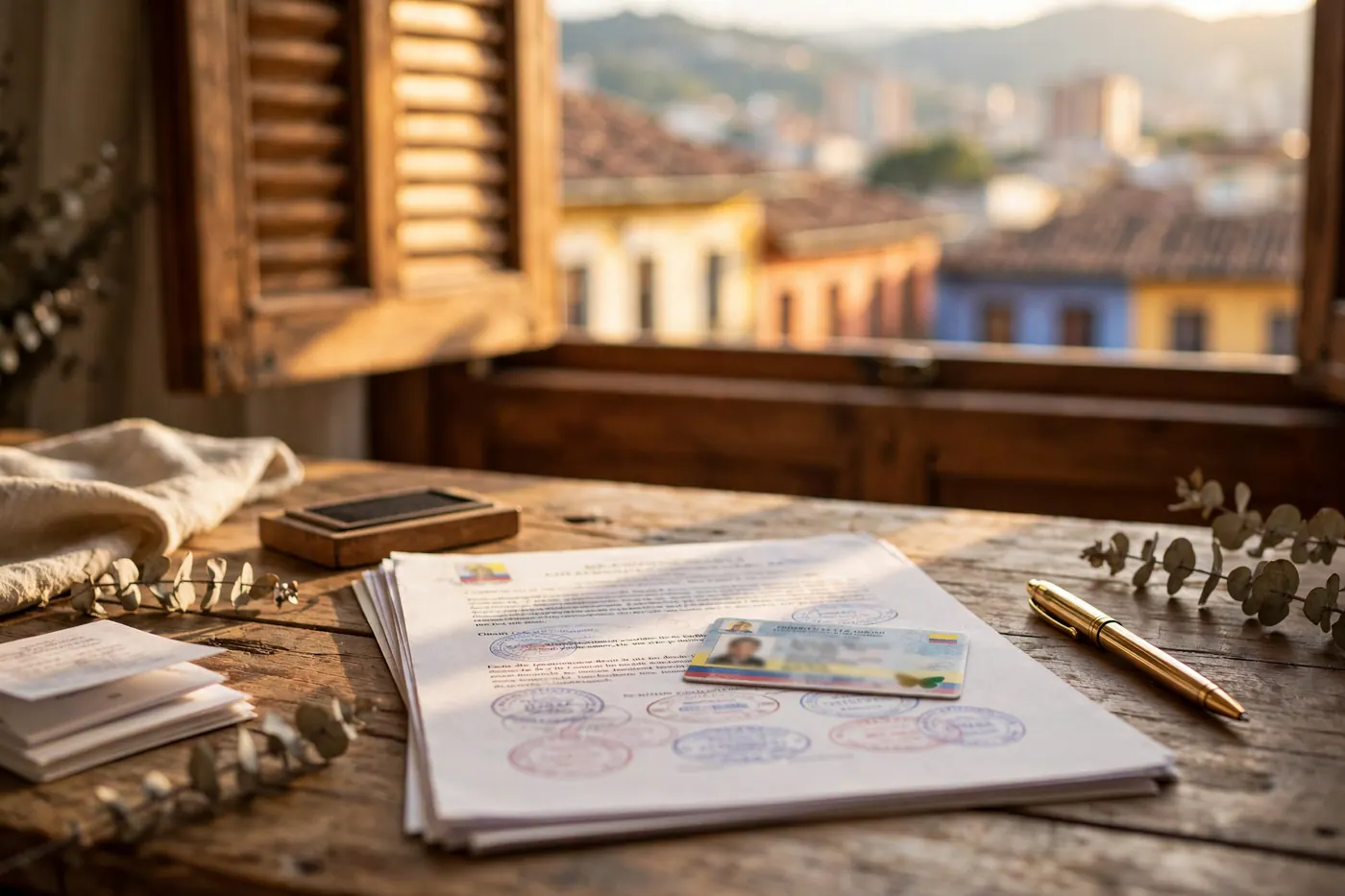
- Psychological pressure and sending proof: They send photos of the receipt with received stamps and screenshots, demanding the immediate delivery of the keys, the property card, or the product under the argument that they have to travel or close urgent paperwork.
- The inevitable bounce: When the business Tuesday or Wednesday arrives, the bank issues the rejection debit note. By that time, the buyer's cell phone number is already turned off and social media profiles have been deleted.
Protect your assets: If you are in the process of selling your car or motorcycle, consult our complete protocol for selling a used car in Colombia without falling for fraud or open transfers.
Indispensable measures to protect yourself before handing over any item
Securing a private sale requires being wary of other people's haste and applying strict financial and contractual confirmation filters:
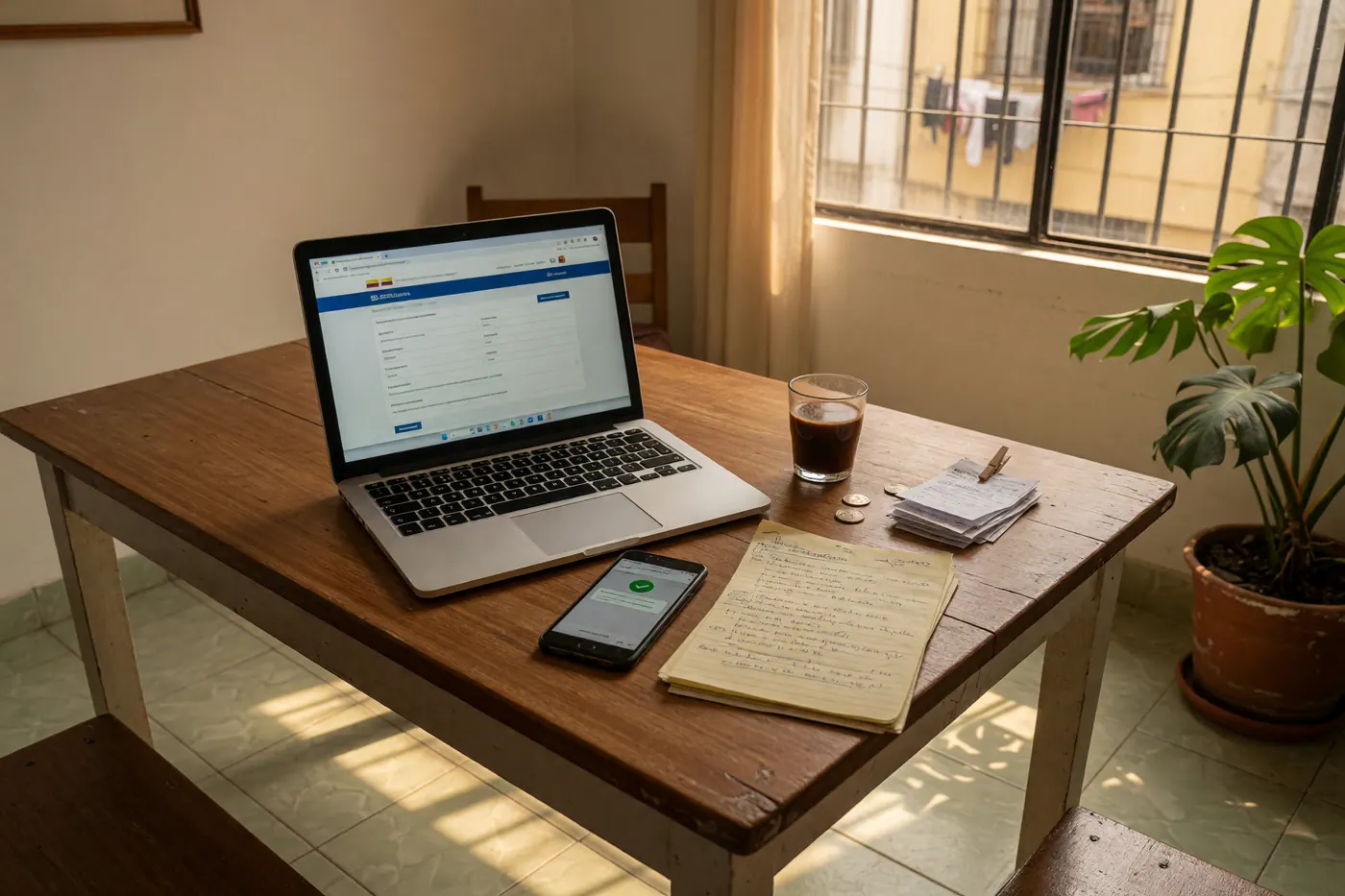
- The golden rule of Available Balance: Never hand over an item, sign a delivery receipt, or hand over the keys to a vehicle if the total value of the transaction is not credited in the line for Available Balance in your application. If you have doubts, try to make a test transfer of a partial amount to another account of your own; if the system tells you there are insufficient funds, the money is held in clearing.
- Demand immediate electronic transfers: Prioritize payments via online electronic channels validated instantly or direct interbank transfers that immediately impact your liquid balance.
- In-person verification at the teller: If the buyer insists on paying with a check (even if they claim it is a cashier's check), go together during regular banking hours to the teller at the issuing branch to validate the document's authenticity and cash it at the window before making any delivery. Cashier's checks can also be forged or stolen.
- Never sign blank transfers: In the case of vehicles, never authenticate the National Automotive Registry Procedure Request Form or the bill of sale at a notary without having received the full payment in available funds. An authenticated transfer makes it easier for a criminal to quickly resell the vehicle to a third party acting in good faith.
What to do if you have already been a victim: criminal reporting route in Colombia
If you delivered a product or your vehicle and the check bounced or was returned for insufficient funds, you must act quickly on the legal front. In the Colombian legal system, using deceptive maneuvers such as checks without provision to mislead a person and deprive them of their assets typically falls under the crimes of Fraud (Article 246 of the Penal Code - Law 599 of 2000) y Illegal issuance and transfer of a check (Article 248 of the Penal Code).
To structure a strong criminal action, follow these steps:
1. Collect all evidence
Do not delete any conversations. Take complete screenshots of the WhatsApp chats where phone numbers, business agreements, and delivery times are evidenced. Request a formal rejection notice of the check from your bank (stating the cause: lack of funds, cancelled account, or signature not in accordance) and download the statements showing the reversal entry. If the delivery was made in your residential complex or workplace, immediately request recordings from security cameras where the criminal's face or the license plates of the vehicle they were travelling in can be seen.
2. File the complaint with the Office of the Attorney General of the Nation
You can file your formal complaint 24 hours a day through the joint portal of the National Police and the Office of the Attorney General: the National Virtual Reporting System (A Denunciar!). Select the economic property crimes module (Fraud). You can also go in person to the Immediate Reaction Units (URI) or the local branch offices of the Attorney General's Office. Details on how to file on that portal are in the guide for reporting a virtual fraud to the Attorney General's Office.
When filing the complaint, the system will assign you the Unique Criminal News Number (NUNC or SPOA). With this tracking number, you will be able to follow up with the assigned prosecutor and incorporate additional evidence. Remember that for the crime of illegal check issuance, there is a legal statute of limitations for the complaint of six months, so you should not delay the process.
3. Alert traffic authorities
If the good delivered was a vehicle and you managed to file or sign transfer documents, go to the respective transit authority with the criminal complaint registration number to notify them of the situation and request that any fraudulent registration or change of ownership to the name of intermediaries be blocked.
Frequently Asked Questions
❓ What does it mean to have a balance in clearing in my bank account in Colombia?
It means that a check from another bank was deposited and is in the process of technical verification through the Clearing House (CEDEC) of the Central Bank of Colombia (Banco de la República). That amount is not available money, nor can it be spent until the issuing bank approves the transaction.
❓ How long does it take for a check deposited in a Colombian bank to clear?
Interbank clearing generally takes between 24 and 48 business banking hours. If the deposit is made on a Friday afternoon or before a long holiday weekend, the rejection report may take up to three business days or more, depending on the CEDEC windows consulted in 2026.
❓ If I see the deposit in my bank app, is it safe to hand over the car or product?
No, under no circumstances. You should only hand over the item when the exact value appears explicitly in your Available Balance; if it is only reflected in the Total Balance or appears in clearing, the money has not yet entered your account and can be reversed after being rejected.
❓ Will the bank return my money if I was paid with a bad check?
No, financial institutions are not responsible for the non-payment of securities issued by third parties, nor do they cover the victim's economic loss. Financial doctrine establishes that the initial credit from a check deposit is provisional and remains subject to the actual existence of funds.
❓ What crime is committed by someone who pays with a bad check when buying a vehicle?
It is investigated as fraud, Article 246 of the Penal Code, or as illegal issuance of a check, Article 248 of Law 599 of 2000. The Attorney General's Office frames the case with the evidence you provide; this note is informative and was reviewed in 2026.
❓ Where do I file the complaint if I already delivered the product and the check bounced?
You must go to the virtual platform A Denunciar! of the National Police and the Attorney General's Office, or present yourself in person at an Immediate Reaction Unit (URI). Attach a copy of the returned check with its bank rejection notice, negotiation chats, and the buyer's details.
❓ Is a cashier's check completely safe for closing a sale between individuals?
Although it offers better backing than a personal check, it is not infallible because there are adulterated cashier's checks and forged bank checkbooks. The only way to confirm its validity is to verify it at the issuing bank's window together with the buyer before handing over the item (consulted in 2026).
Comments
Loading comments...
Checking sign-in status...