
How to Report an Online Scam in Colombia: ¡ADenunciar! Portal and the Prosecutor's Office
Discover what to do in the first 15 minutes after an online scam, how to collect evidence, and the step-by-step process to file your case on the official ¡ADenunciar! portal.
IDIOMA DEL ARTÍCULO
Showing original language
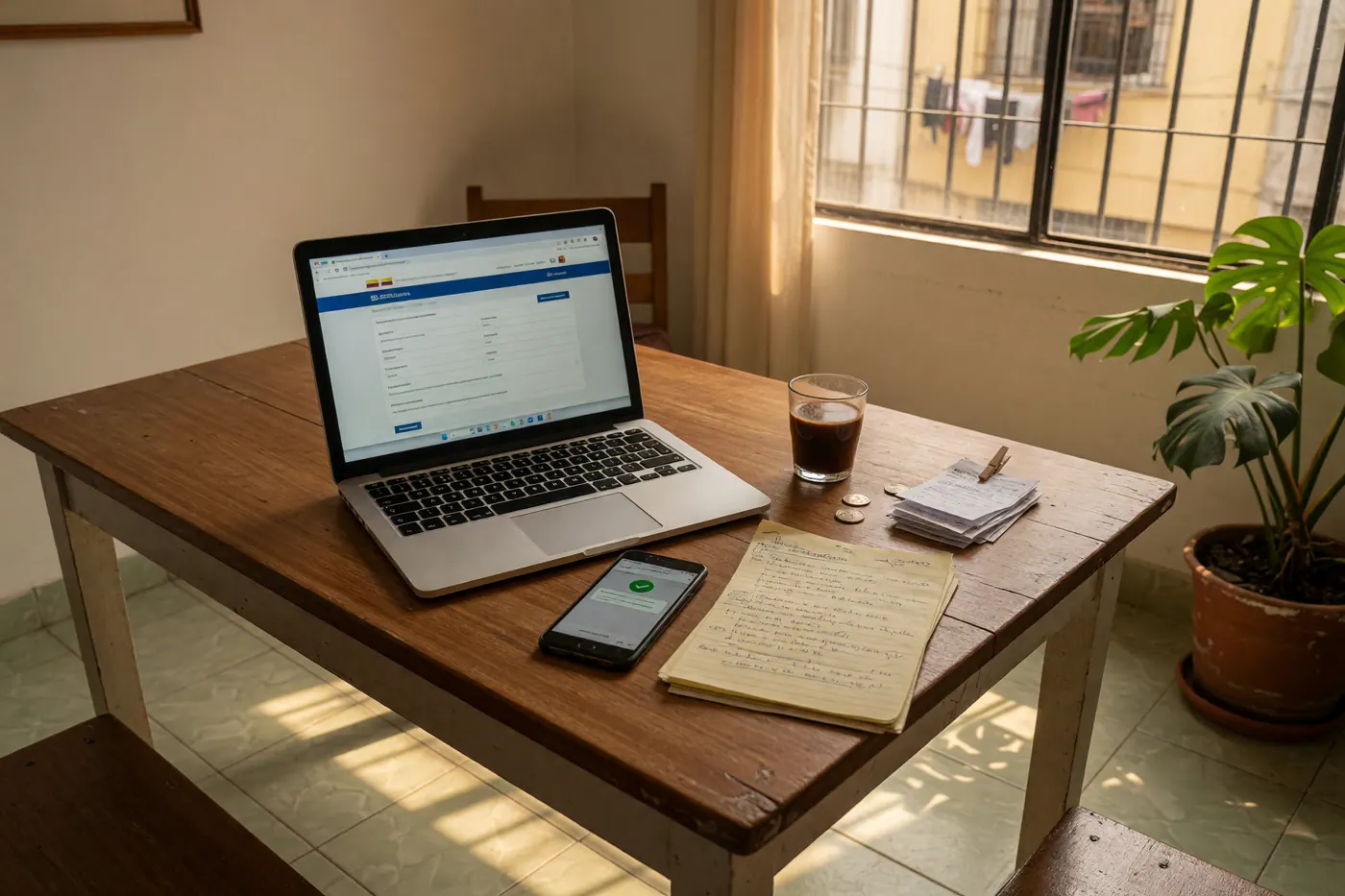
Quick answer: If you were the victim of an online scam in Colombia, stop all contact with the scammer and save screenshots, receipts, and URLs. Then, go to the official portal ¡ADenunciar! (associated with the National Police and the Prosecutor's Office) to file your case for free. If the fraud involved platforms like Nequi or DaviPlata, keep the formal complaint as supporting documentation for reporting it to the provider.
1. What to do in the first 15 minutes (Evidence checklist)
Panic is your worst enemy when you realize an online purchase or payment was a scam. Before you block the user or delete the conversation out of anger, you need to secure the evidence. Authorities need a clear digital trail to evaluate the case.
- Do not confront the scammer: If you tell them you are going to report them, they will likely delete their accounts, messages, and disappear.
- Take screenshots of everything: Save the seller's profile, the original post, phone numbers, and the entire chat history.
- Save bank receipts: Download the PDF or take screenshots of the transfer receipt where the account number, date, time, and the name of the holder to whom you sent the money are visible.
- Note the URLs: If the scam was on a fake website (impersonation), copy the exact link.
If you also shared photos of your ID during the deception and fear identity theft, I suggest you check our guide on how to report lost or stolen documents at SIDEX to protect yourself legally.
2. How to use the ¡ADenunciar! portal step by step
In Colombia, cybercrimes (such as theft via computer means or unauthorized transfer of assets, included in Law 1273 of 2009) can be reported without leaving home. The system ¡ADenunciar! is the official platform associated with the National Police and the Office of the Attorney General of the Nation.
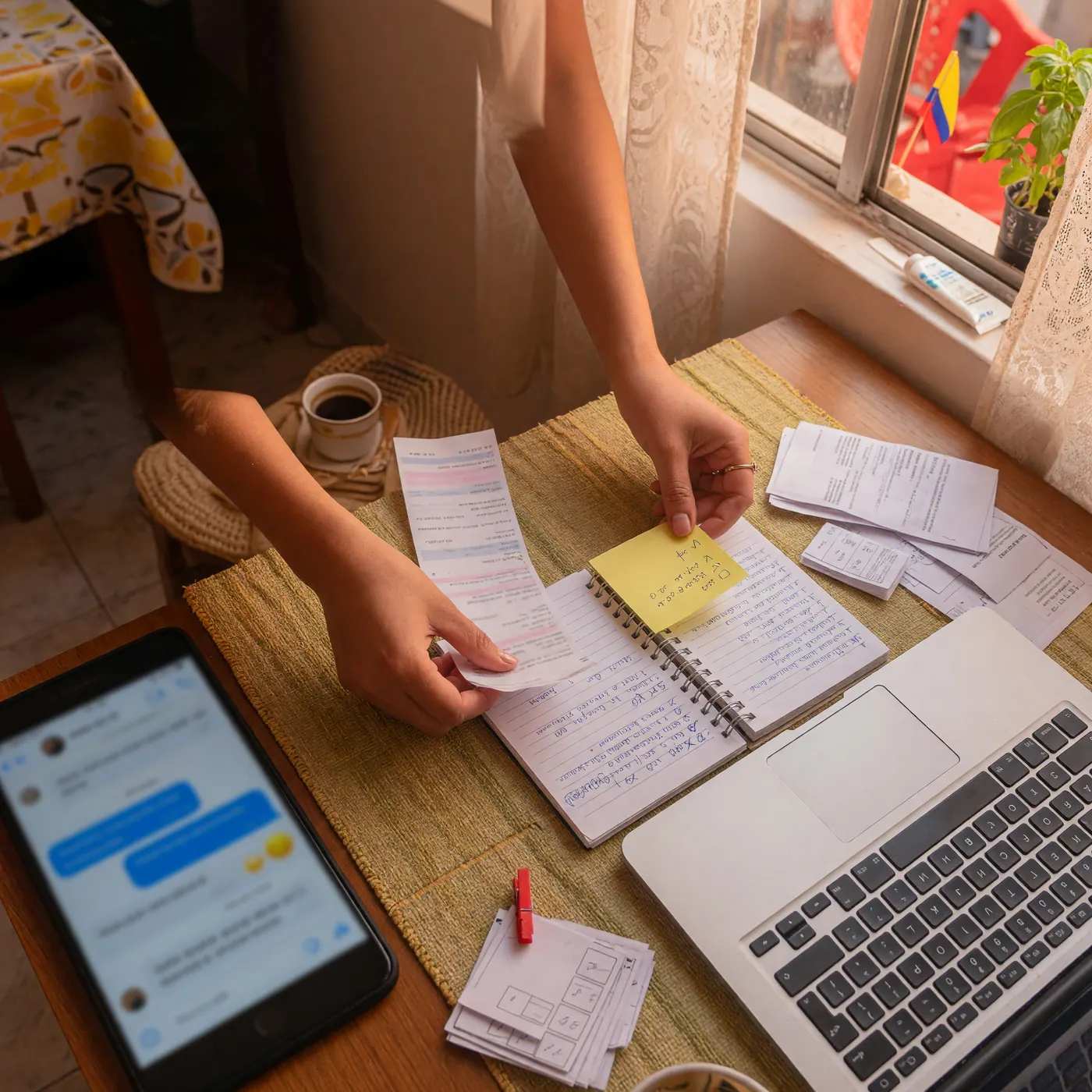
The process is completely free and does not require a lawyer. Here is how the process works:
- Go to the National Police official website and look for the ¡ADenunciar! section, or go directly to adenunciar.policia.gov.co.
- Accept the terms for data processing and select the category that corresponds to the facts, such as “Cybercrimes”.
- Fill out the form with your personal information and describe the events chronologically. Be specific: mention dates, times, amounts, and any information you know about the alleged scammer.
- Attach the evidence you collected (screenshots, PDF transfers).
When finished, the system will send an incident number to your email. Note: this number is only confirmation that the system received your request. If applicable, they will later inform you of the NUNC (Unique Criminal Notice Number), which consists of 21 digits and is the case identifier.
3. What to do if you paid via Nequi, DaviPlata, or your bank
One of the biggest frustrations is contacting the bank and feeling like they aren't doing anything. Submit the report as soon as possible, provide the supporting documents, and ask about the applicable procedure; a complaint does not guarantee that a transfer will be reversed.
If you used Nequi: The platform expressly states that the first step is to file a report with the Prosecutor's Office. Once you have the report, you must contact Nequi through their official help channels by sending the payment receipts, your account, and a copy of the report. If you notice movements you did not make, the app has a specific route to report “I do not recognize this transaction” and take security measures.
If you used DaviPlata: They have an online help portal with a direct option that says “I want to report a fraud”. Just like with Nequi, document everything and have your criminal complaint on hand.
Realistic note: Reporting does not guarantee you will get your money back. It is a step to inform the authorities of the facts and provide support for the internal processes of financial institutions, but recovering the money depends on the facts and each institution's process.
4. Virtual CAI and how to check your case status
If you have questions before filing a report, the Police have the Virtual CAI. This is a channel to receive guidance on cybersecurity, report incidents, or verify suspicious URLs, but remember: a chat with the Virtual CAI does not replace a formal complaint at ¡ADenunciar! or at the Prosecutor's Office.
Once you have your 21-digit NUNC, you can check the basic case information on the Prosecutor's Office website, or contact their official lines:
- From a cell phone: dial 122.
- National toll-free line: 01 8000 9197 48.
If the scam involves pyramid schemes or alleged investments that collect money from the public on a large scale, you can also inform the Superintendency of Finance at the email super@superfinanciera.gov.co.
5. How to reduce risks when buying or selling online
According to active ads on Colombia Move (July 2026), high-value categories like vehicles have 12 classifieds active on our platform. On the internet, this type of business can also serve as a hook for scammers who ask for “down payments to secure the deal”.
To avoid falling into these traps, change the way you transact online:
- Do not pay in advance to strangers: Even less so if they pressure you by saying that “there is another buyer waiting”.
- Verify the documents: If you are going to buy a car or motorcycle, use official tools to check the digital SOAT and verify its authenticity in the RUNT before releasing a single peso.
- Distinguish between fraud and a bad product: If you bought something used and it arrived with a scratch, that is not necessarily a cybercrime. Learn how the legal warranty for used products works in Colombia to know if you should go to the Superintendency of Industry and Commerce (SIC) instead of the Prosecutor's Office.
Frequently Asked Questions
❓ Where do I report an online scam in Colombia?
The official channel is the ¡ADenunciar! portal, associated with the National Police and the Prosecutor's Office. If the specific crime does not appear in the online options, you must go in person to a complaint reception point of the Prosecutor's Office or the Police.
❓ What evidence should I save before reporting?
You must collect screenshots of chats, bank receipts for transfers, URLs of fake profiles or websites, phone numbers, and any data that identifies the transaction or the alleged scammer.
❓ What is the NUNC and what is it for?
The NUNC is the Unique Criminal Case Number (Número Único de Noticia Criminal), a 21-digit code that identifies the case if the report proceeds. It is used to check basic information through the Prosecutor's Office channels.
❓ Will I get my money back if I file a report?
There is no guarantee that you will recover the money. Filing a report brings the facts to the attention of the authorities and serves as formal support for financial institutions, but reimbursement depends on the facts and each institution's process.
❓ What do I do if I was scammed via Nequi?
First, file your formal report with the Prosecutor's Office. Then, contact Nequi's official help channels by sending the evidence of the fraud and a copy of your report so they can analyze the matter.
❓ What do I do if it was through DaviPlata?
Go to the official DaviPlata help portal and use the option “I want to report a fraud.” Save all evidence of the transaction and also file the criminal complaint with the competent authorities.
❓ Can I file a report if I don't know the scammer's real name?
Yes, you can. Provide all the data you have, such as cell phone numbers, social media links, or bank account numbers you transferred to, without inventing information or posting personal data.




Comments
Loading comments...
Checking sign-in status...